
Yeşilyurt: A Stone Village on the Slopes of Kazdağı, Çanakkale
Yeşilyurt is a traditional mountain village in the Ayvacık district of Çanakkale, built on the slopes of Kazdağı and known for its stone houses and olive oil.
Yeşilyurt is a mountain village in the Ayvacık district of Çanakkale Province, in northwestern Türkiye. It stands on the slopes of Kazdağı — Mount Ida in classical sources — the massif that rises behind the northern Aegean coast of the Biga Peninsula. Two things define the village above all: its traditional stone architecture and its olive oil. Yeşilyurt is not a coastal settlement. The sea at Küçükkuyu lies below the mountain, while the village itself sits higher up, surrounded by olive groves, pine woods and scrub-covered hillsides.
Where the Village Sits and What Surrounds It
Kazdağı dominates the geography of this part of Çanakkale. The mountain's northern and western flanks descend toward the Aegean, and the villages scattered across those slopes share a similar relationship with the land: they face the sea from a distance, protected by elevation, and they depend on olives, timber and small-scale farming rather than on the coast itself. Yeşilyurt belongs to this group, along with neighbouring settlements such as Adatepe and the coastal town of Küçükkuyu.
The position matters for how the village feels. Air is cooler than on the shore, mornings can be misty, and the light changes quickly as the mountain blocks or releases the sun. The terrain around Yeşilyurt is uneven, sloping and terraced in places, which is one reason the village has kept a compact, stepped layout rather than spreading out across flat ground.
Stone Architecture and the Shape of the Village
The strongest visual characteristic of Yeşilyurt is its stone building tradition. Houses are constructed from local stone, with walls that are thick and textured rather than smooth, and roofs that sit low over the masonry. This is a style found across the Kazdağı villages, shaped by the availability of stone, by the need for insulation against both summer heat and winter cold, and by a building culture passed down within the region rather than imported from outside.
Because the village follows the slope, its streets are narrow and often stepped. Walking through Yeşilyurt means moving between stone walls, courtyard entrances and small openings that reveal olive groves or the distant coastline. There is no grid plan and no long, straight axis; the layout is organic, formed by the hillside itself. This is what gives the settlement its distinct character and separates it from the lowland towns along the coast.
Olive Oil as the Working Identity of the Village
Olive oil is not a decorative detail in Yeşilyurt; it is the economic and cultural base of the area. The slopes around the village are covered with olive trees, and the harvest in late autumn and winter is the defining seasonal rhythm. Across the Kazdağı region, olives are pressed into oil that is valued for its character, and the northern Aegean coast of Türkiye is one of the country's recognised olive-growing zones.
For a visitor, this means the landscape is agricultural as much as it is scenic. Groves run up to the edges of the houses, terraces cut into the hillside, and the pattern of the year is tied to flowering, watering, picking and pressing. Understanding this helps explain why Yeşilyurt looks the way it does: it is a working village in an olive landscape, not a preserved exhibit.
The Wider Historical Setting
Yeşilyurt lies within the Troad, the historical region of northwestern Anatolia associated with the landscape of the Iliad and with a long sequence of settlement along the Aegean coast and the mountain hinterland. The area around Kazdağı has been inhabited and cultivated for a very long time, and olive growing here is an old tradition rather than a modern industry.
The village's own heritage is best read through its built environment: continuous use of stone, a hillside plan adapted to the terrain, and an economy rooted in what the mountain and its lower slopes can produce. Rather than a single monument, the historic value of Yeşilyurt lies in the coherence of the whole settlement.
What You Can Realistically See on Foot
A visit to Yeşilyurt is a walking visit. The realistic experience is a slow circuit through the village lanes, looking at stone façades, doorways, courtyard walls and the way houses respond to the slope. Views open between buildings toward olive groves, the descending land and, on clearer days, the coast below.
Expect uneven ground. Paths and streets can be steep, sometimes cobbled or stepped, and not always smooth. Comfortable shoes matter more than any specific plan, and the village rewards attention to detail rather than a checklist of stops. Because Yeşilyurt is small, a few hours are usually enough to see the core of the settlement and its immediate surroundings.
Kazdağı and the Surrounding Nature
Above and around the village, Kazdağı provides the natural context. The mountain is known for its forests, its altitude-driven plant diversity and its springs, and it forms the green backdrop to the whole coastline between Ayvacık and Edremit. The slopes around Yeşilyurt combine olive terraces at lower levels with denser woodland higher up, creating a landscape that changes noticeably as you move uphill.
The coast is equally relevant to the area's identity, even though Yeşilyurt itself is inland. Küçükkuyu sits on the shore below, and the beaches and coves of the northern Aegean lie within easy reach of the mountain villages. The combination of mountain and sea is the defining feature of this part of Çanakkale.
How to Reach Yeşilyurt
Yeşilyurt is reached from the coastal route that runs along the northern Aegean between Çanakkale and Balıkesir, passing through Ayvacık district and the town of Küçükkuyu. From Küçükkuyu, roads climb inland and uphill toward the Kazdağı villages, and Yeşilyurt is one of the settlements on those upper slopes. The village is also within the same small cluster as Adatepe, another mountain village of the area.
Because the roads are mountain roads, they are winding and narrow in places, and travel times are longer than the straight-line distance suggests. Arriving by private vehicle gives the most flexibility, since public transport to the smaller upland villages is limited and connections usually run through the district and coastal centres.
When to Visit
Spring and early summer are the most comfortable periods, when the slopes are green, temperatures are moderate and walking is pleasant. Autumn brings the beginning of the olive season and clearer, cooler days. High summer can be hot, particularly on exposed slopes, and the coast below is busier during the same period.
Winter is quiet and can be cold and damp at this altitude, with the mountain weather noticeably harsher than on the shore. The olive harvest period, in late autumn and winter, is the most distinctive time to see the area's working life, though it is also the season with the least predictable weather.
Practical Notes Before You Go
Yeşilyurt is a small settlement with limited services, so it is sensible to treat it as a village visit rather than a destination with a full range of facilities. Bring what you need, plan around the fact that shops and services are more easily found in the larger coastal and district centres, and allow time for the drive up and back down the mountain.
Terrain and accessibility are the main practical considerations. Steep lanes, steps and uneven surfaces make the village difficult for anyone with limited mobility, and the altitude difference from the coast is noticeable. A half-day is generally enough for the village itself, with the rest of a day easily filled by the surrounding mountain and coastal landscape.
Nearby Places That Belong to the Same Landscape
Yeşilyurt is best understood as part of a group of settlements on the Kazdağı slopes and the coast beneath them. Küçükkuyu is the nearest coastal town and the practical hub for the area. Adatepe is the neighbouring mountain village with a comparable stone-built character. Further along the coast, Assos (Behramkale) is the best-known historic site of the region, with its ancient city and harbour below the modern village.
Behind all of them stands Kazdağı itself, the mountain that gives the region its climate, its vegetation and its identity. Together, these places form a coherent area of Çanakkale where mountain villages, olive groves, historic sites and the northern Aegean coast sit within a short distance of one another.
From the land
Find All →
Konya Carrots
Konya carrots are grown on the irrigated plains of central Türkiye, where deep alluvial soils and a continental climate produce firm, sweet and crunchy roots.
Explore →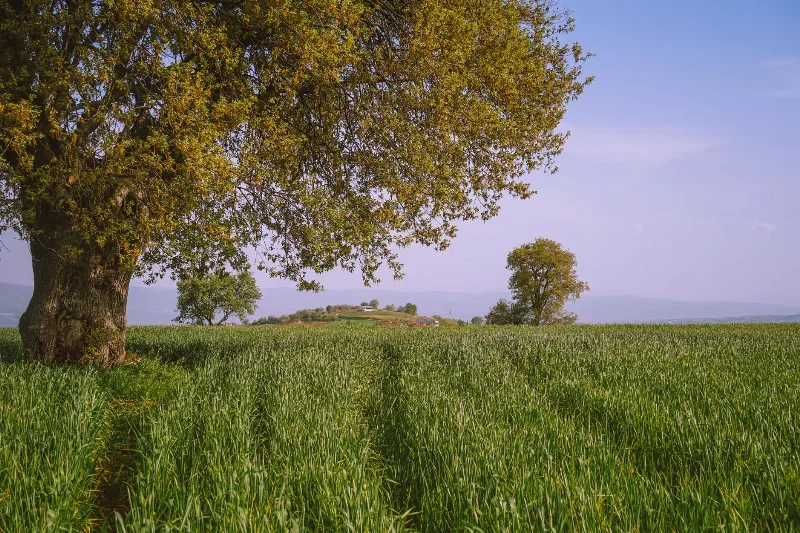
Bursa Chestnuts
Bursa chestnuts are sweet, starchy nuts grown on the sloping terrain of Bursa province in northwestern Türkiye, where a temperate climate supports chestnut trees and an autumn harvest.
Explore →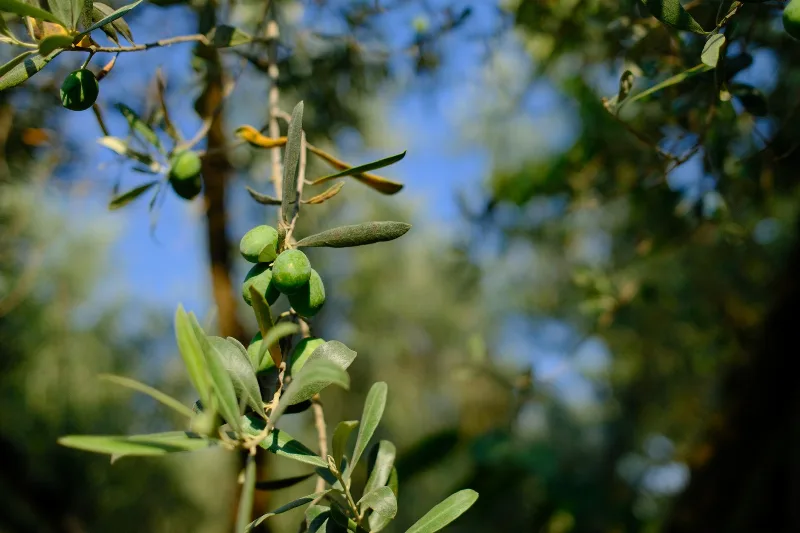
Ayvalık Olives
Ayvalık olives are the fruit of a named olive cultivar grown around Ayvalık on Türkiye's northern Aegean coast, valued both for pressing and for curing as table olives. The stony, sloping groves of the Edremit Gulf in Balıkesir province give the variety its strong regional identity.
Explore →Related content
Çanakkale
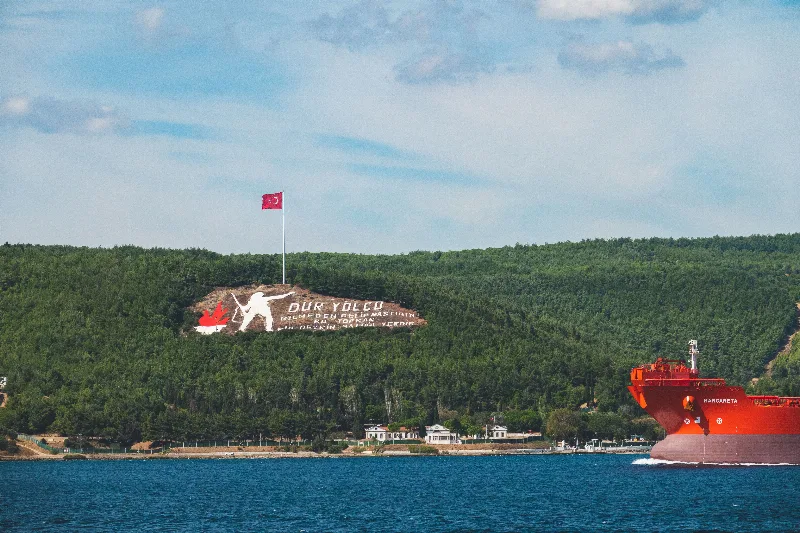
Çanakkale is a northwestern Turkish city on the Asian shore of the Dardanelles, the strait separating Europe from Asia. It is the administrative centre of a province that includes the Gallipoli battlefields and the archaeological site of Troy.
Mount Ida
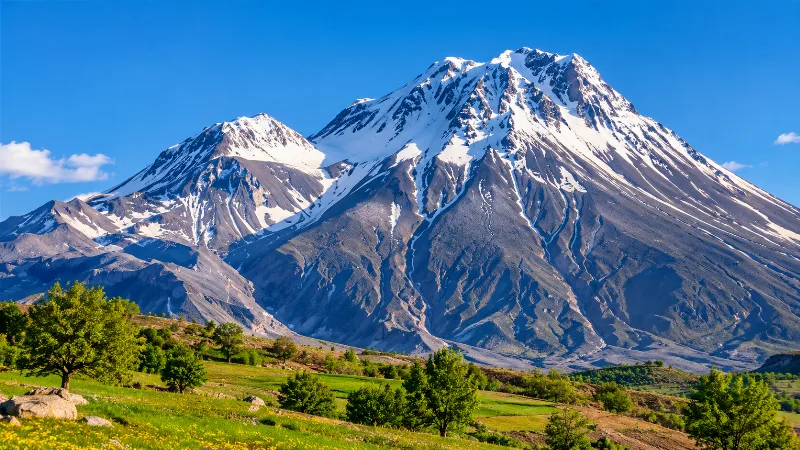
Mount Ida, called Kaz Dağı in Turkish, is a forested massif in Balıkesir Province on the Biga Peninsula, rising from the Gulf of Edremit coast to a summit of about 1,774 metres and known for its endemic fir forest.
Küçükkuyu
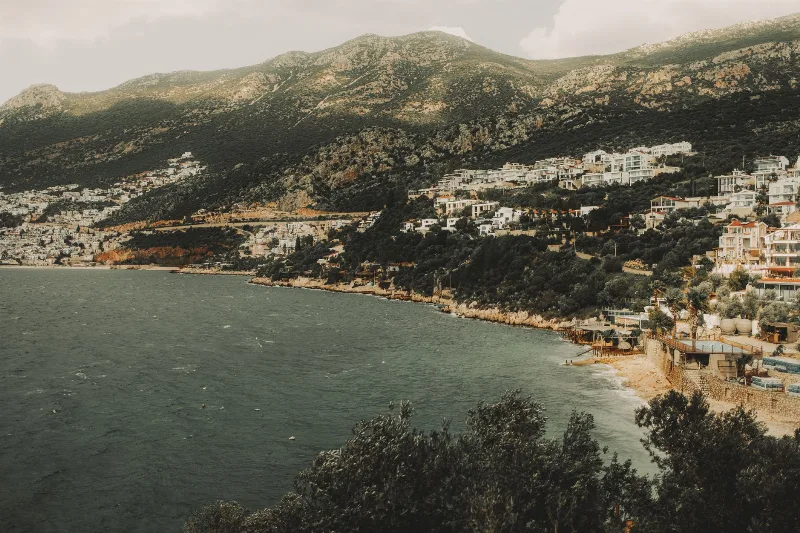
Küçükkuyu is a coastal town in Çanakkale Province, Turkey, at the foot of Kazdağı and surrounded by olive groves. Known for its seafood and proximity to ancient Assos, it offers a mix of Aegean coastline and mountain scenery.
Bademli, Çanakkale: An Olive-Farming Village on the Slopes of Mount Ida
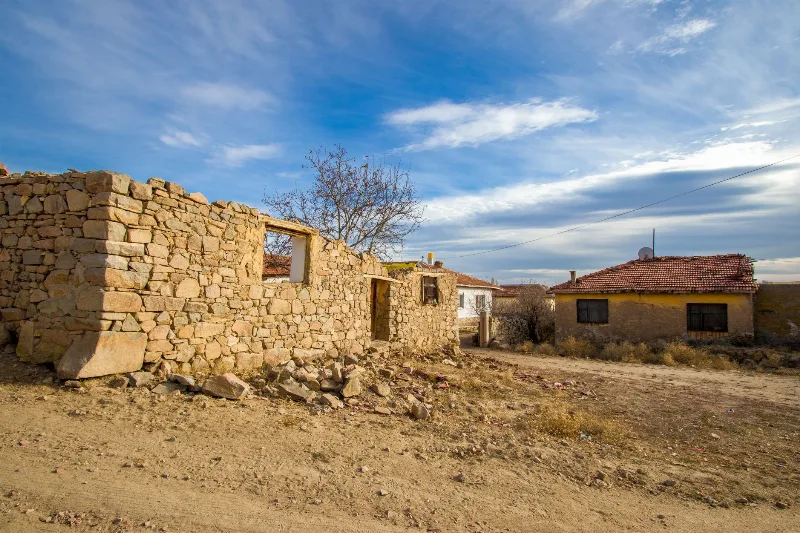
Bademli is a hillside village in the Ayvacık district of Çanakkale Province, set on the slopes of Kazdağı (Mount Ida) and known for its traditional stone houses and long tradition of olive oil production.
Adatepe
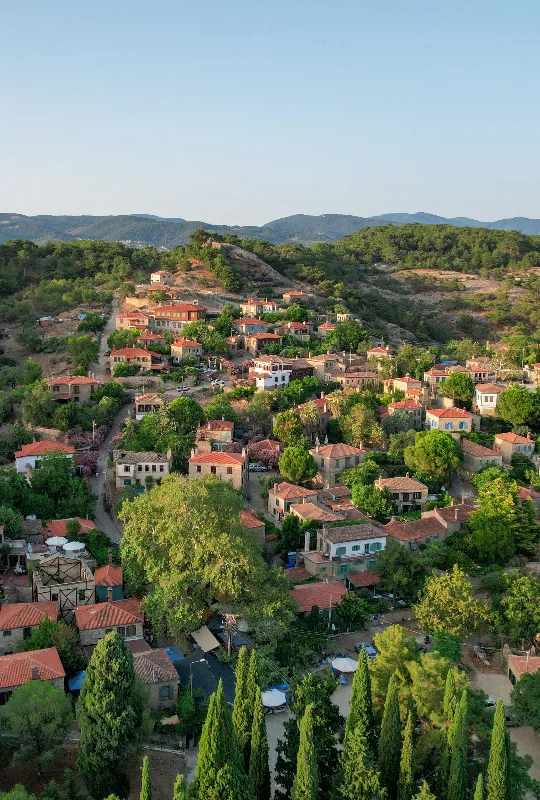
Adatepe is a stone-built mountain village in the Ayvacık district of Çanakkale, set on the Aegean slopes of Kazdağı above Küçükkuyu, known for its preserved stone houses, olive groves and the Zeus Altar viewpoint overlooking the Gulf of Edremit.
Kazdağı Fir Forests and Walking Trails in Balıkesir
Kazdağı rises above the Edremit Gulf in Balıkesir, its upper slopes clothed in a fir forest found nowhere else on earth. Waymarked paths lead from the foothill villages into cool, shaded woodland.