
Kazdağı Fir Forests and Walking Trails in Balıkesir
Kazdağı rises above the Edremit Gulf in Balıkesir, its upper slopes clothed in a fir forest found nowhere else on earth. Waymarked paths lead from the foothill villages into cool, shaded woodland.
Kazdağı, known in antiquity as Mount Ida, rises steeply behind the northern shore of the Edremit Gulf in Balıkesir province. Its higher slopes carry one of the most distinctive woodlands in Türkiye: dark, cool stands of Kazdağı fir, a tree that grows wild in no other part of the world. A network of marked walking trails climbs from the villages at the foot of the mountain into this forest, linking springs, canyons and summits along the way.
An Endemic Fir Forest
The Kazdağı fir, classified as Abies nordmanniana subsp. equi-trojani, takes its scientific name from the Trojan legend associated with this mountain. It is a tall, narrow-crowned conifer with needles that give off a resinous scent when crushed, and it forms dense stands at roughly 800 to 1,600 metres above sea level. Below that belt the forest mixes fir with Anatolian black pine, beech, hornbeam and sweet chestnut, while above it the trees thin out and give way to juniper, scrub and open ground.
The undergrowth is rich and damp: ferns, mosses, cyclamen and hellebore flourish in the deep shade, and fallen needles keep the forest floor soft underfoot. This canopy holds moisture well, so streams run steadily through the valleys even in the driest weeks of summer. The result is a noticeably cool, quiet landscape, where the light is filtered green and birdsong carries a long way. Kazdağı National Park was established in 1993 to protect this habitat together with its plants and wildlife.
Walking Trails Through the Woodland
Walking routes in the national park are waymarked with painted flashes on rocks and trees, supplemented by wooden signs at junctions. Many of them begin in the villages scattered around the mountain's lower slopes, such as Adatepe, Yeşilyurt, Zeytinli, Beyoba and Güre, which makes it possible to walk from a village square into old forest within an hour or so. The paths generally follow former forestry tracks, drovers' routes and old stone-paved lanes, and some sections still show the rough cobbles laid by earlier generations.
Routes range from short circuits of an hour or two through the trees to full-day ascents of the higher ridges. Because the mountain rises directly from the coast, a single walk can pass through olive groves, chestnut woodland, pine forest and fir stands in sequence, with the gulf and its islands visible below for much of the way.
Sarıkız and the High Paths
The best-known high route leads towards Sarıkız Tepesi, a summit of around 1,700 metres named after a young woman of local legend said to have lived on the mountain. A spring near the top carries the same name and is a customary place to rest before descending. Above the fir belt the vegetation opens out, and on clear days the view stretches across the Edremit Gulf towards the Aegean islands and the hills of the surrounding provinces.
Canyons, Valleys and Waterfalls
Several of the marked trails explore the valleys that cut into the massif. Şahinderesi Canyon, near Altınoluk, is a steep, narrow gorge where the path follows a stream between high rock walls and thick forest. The Hasanboğuldu valley, reached from the Edremit side, contains a small lake, meadows and a story attached to its name that is still told in the villages nearby. Further along the southern flank, the Sütüven waterfall drops over mossy stone in a wooded setting that can be reached on foot from the road below.
Villages at the Forest Edge
The settlements around Kazdağı are closely tied to the woodland. Adatepe and Yeşilyurt are known for their stone and timber houses, some restored and still in use, and lanes that wind between gardens and old olive trees. Above Adatepe stands the Zeus Altar, a stone platform on a shoulder of the mountain with a wide outlook over the gulf. Nearer the coast, the ancient site of Antandros lies at the foot of the slopes, marking the long relationship between the mountain and the settlements beneath it.
Seasons and Wildlife
Each season changes the character of the walks. Spring brings wildflowers to the meadows and meltwater to the streams, summer makes the shaded fir forest especially welcome, and autumn turns the beech woods to copper and gold while chestnuts ripen. In winter snow lies on the high ground, though many lower paths remain passable. The forest shelters wild boar, fox, marten and a variety of birds, including woodpeckers and birds of prey, and the mountain's springs are valued locally for the quality of their water.
Related content
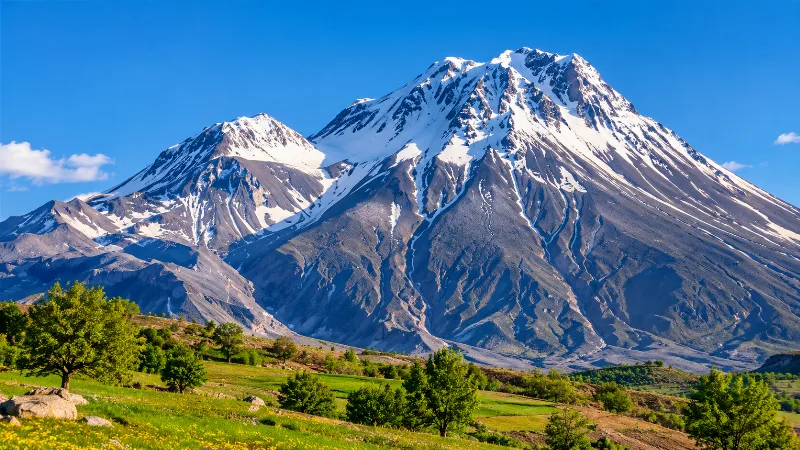
Mount Ida
Mount Ida, called Kaz Dağı in Turkish, is a forested massif in Balıkesir Province on the Biga Peninsula, rising from the Gulf of Edremit coast to a summit of about 1,774 metres and known for its endemic fir forest.
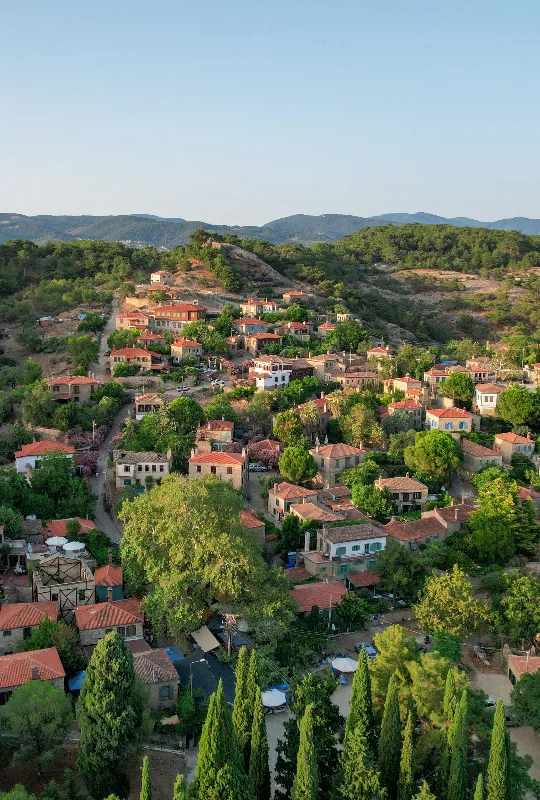
Adatepe
Adatepe is a stone-built mountain village in the Ayvacık district of Çanakkale, set on the Aegean slopes of Kazdağı above Küçükkuyu, known for its preserved stone houses, olive groves and the Zeus Altar viewpoint overlooking the Gulf of Edremit.
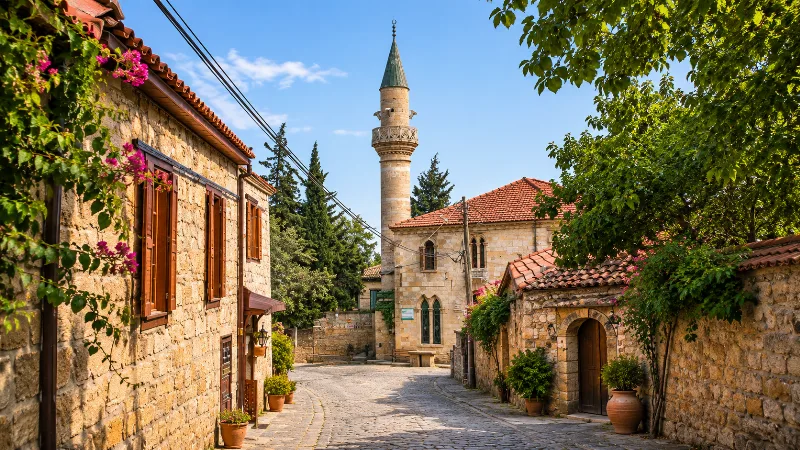
Yeşilyurt: A Stone Village on the Slopes of Kazdağı, Çanakkale
Yeşilyurt is a traditional mountain village in the Ayvacık district of Çanakkale, built on the slopes of Kazdağı and known for its stone houses and olive oil.
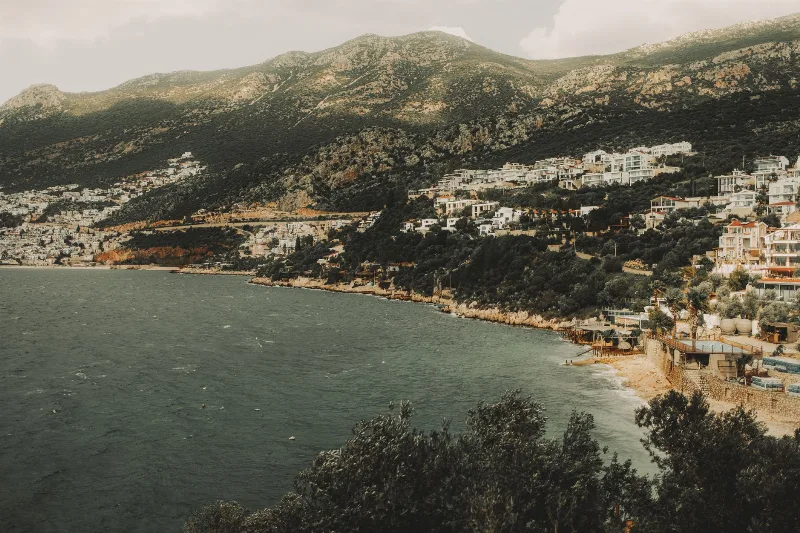
Küçükkuyu
Küçükkuyu is a coastal town in Çanakkale Province, Turkey, at the foot of Kazdağı and surrounded by olive groves. Known for its seafood and proximity to ancient Assos, it offers a mix of Aegean coastline and mountain scenery.
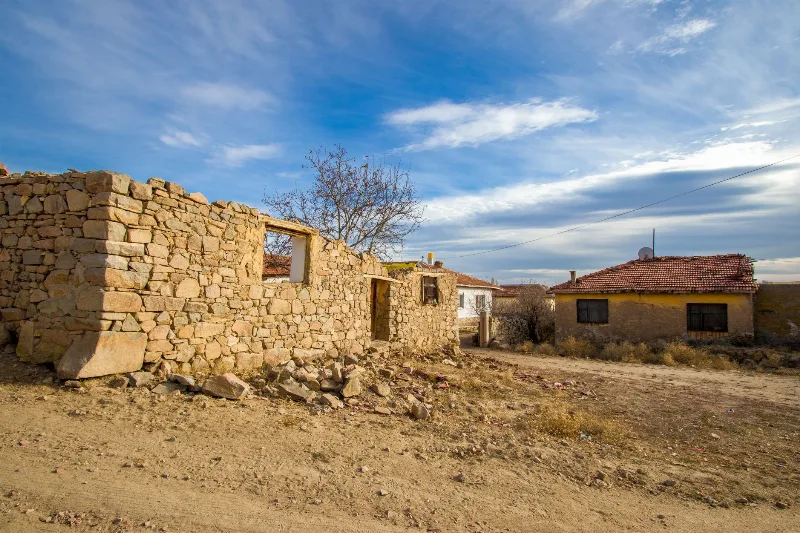
Bademli, Çanakkale: An Olive-Farming Village on the Slopes of Mount Ida
Bademli is a hillside village in the Ayvacık district of Çanakkale Province, set on the slopes of Kazdağı (Mount Ida) and known for its traditional stone houses and long tradition of olive oil production.
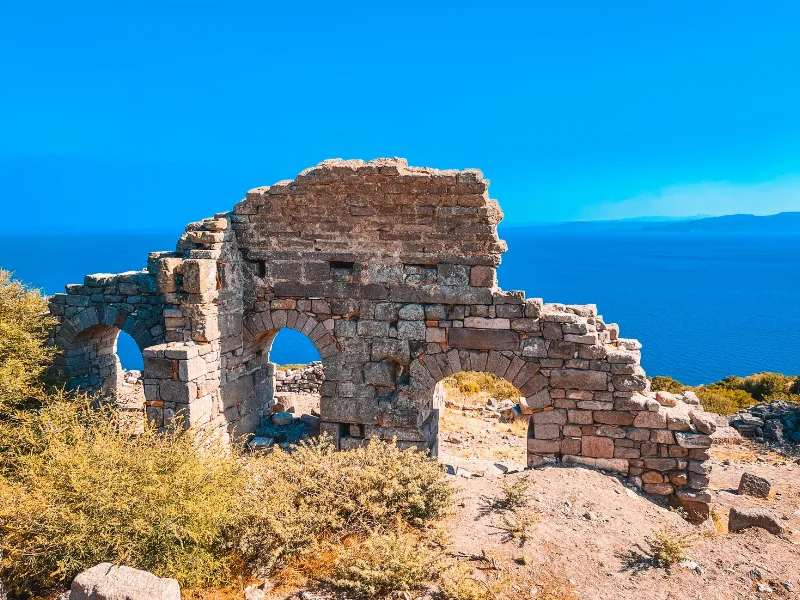
Assos
Assos is an ancient city and hilltop village in Çanakkale province, Türkiye, known for its Temple of Athena and for the years the philosopher Aristotle spent here. The modern settlement, Behramkale, sits above the ruins and an old harbour on the Aegean coast facing Lesbos.
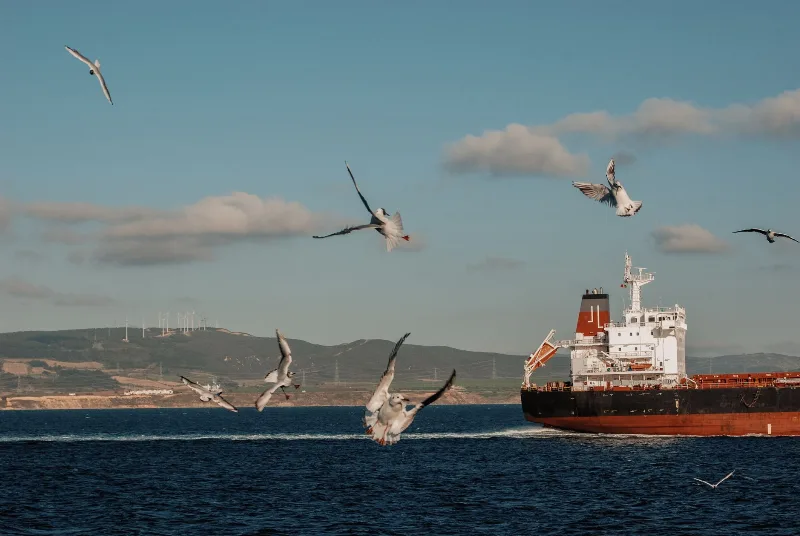
Çanakkale and the Dardanelles Strait
A short guide to Çanakkale and the Dardanelles Strait, covering the geography, ancient sites, island villages and local food of northwestern Türkiye.
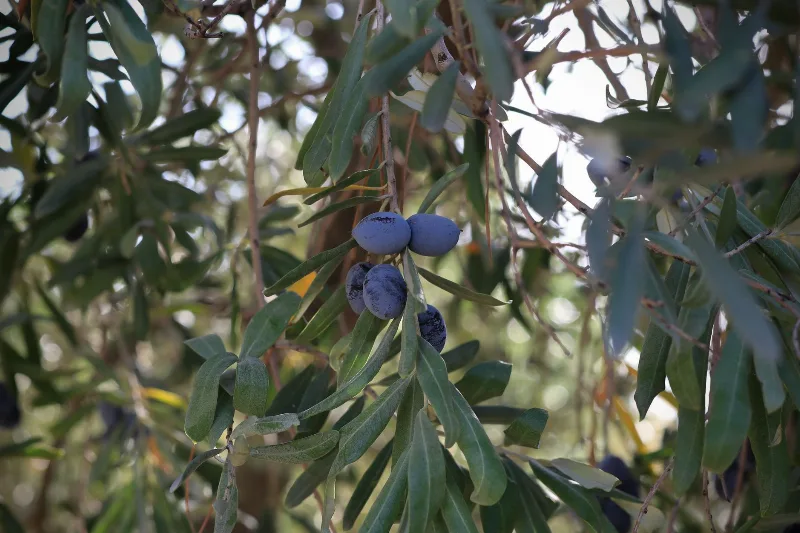
Edremit Olives
Edremit olives are grown around the Gulf of Edremit in Balıkesir province, western Türkiye, where a Mediterranean climate and a long olive-growing tradition produce both table olives and olive oil.