
The Traditional Fishing Villages of the Aegean
STORIES FROM TÜRKİYE
Along the Aegean coast of Türkiye, dozens of small fishing villages sit at the edge of sheltered bays, where the working day still follows the movement of the water and the return of the boats. Some grew around natural harbours, others beside ancient ruins or olive groves that have been tended for generations. Together they offer a calm and clear picture of the region's maritime heritage and its long relationship with the sea.
A Coast Shaped by the Sea
The Aegean shoreline of Türkiye is deeply indented, formed by long peninsulas, wide gulfs and small islands that have sheltered boats for thousands of years. The Datça and Karaburun peninsulas reach far into open water, while the Gulf of Gökova and the channels around Ayvalık and Cunda Island create calm anchorages that fishermen still use today.
Behind the villages, hills are covered with olive groves, pine forest and low maquis, and the dry summers keep the landscape golden until the autumn rains return. The meltemi, a steady northerly wind of the summer months, has influenced both sailing routes and local architecture. Houses tend to sit low and close together, with narrow streets that hold the shade through the hottest part of the day.
Life Around the Harbour
In most fishing villages the day starts before sunrise, when small boats leave to pull in the nets and lines set the evening before. By mid-morning the catch is sorted on the quay, and the harbour fills with the sound of ropes, crates and quiet conversation.
The afternoon is slower. Tea is poured into small glasses, backgammon boards appear in the shade, and nets are mended where the boats are tied. In the evening families walk along the waterfront, and the smell of grilled fish and olive oil drifts through the streets.
Some of these villages carry a long history beneath their present shape. Gümüşlük sits above the submerged remains of ancient Myndos, where old walls can still be seen below the surface of the water. Sığacık, close to the ancient city of Teos, has a harbour tucked inside the walls of a small castle, while Foça was founded as Phokaia, a settlement whose sailors once travelled far across the Mediterranean.
Wooden Boats and Maritime Craft
Wooden boat building is one of the strongest traditions of the Aegean coast. Bodrum and Bozburun are especially known for the gulet, a two-masted wooden sailing vessel with a rounded stern, and for the smaller tirhandil, a narrow boat used for fishing and short trips. In boatyards along the shore, hulls are shaped, caulked and painted by hand, often over several months.
The region also has a long history of sponge diving. Divers from Bozburun and nearby villages once sailed into the eastern Mediterranean to collect sponges, and the knowledge of boats, winds and currents that grew from that work remains part of local identity. Many of those skills are now directed towards building and maintaining both fishing craft and wooden sailing boats.
From the Sea to the Table
Aegean cooking follows the seasons and the catch. Octopus and calamari are grilled or braised, sardines are prepared simply, and sea bream and sea bass are often baked whole with lemon and olive oil. Mussels are stuffed with spiced rice, and small plates of vegetables, herbs and yoghurt appear at almost every meal.
Olive oil is the base of the kitchen. Wild greens gathered in spring, such as deniz börülcesi and radika, are boiled and dressed with oil and lemon, while artichokes, stuffed vine leaves and aubergines are prepared in the same spirit. Around Ayvalık, old groves and stone presses show how deeply the olive tree is tied to daily life, and in Çeşme a local sandwich known as kumru is a familiar breakfast.
Villages and Seasons Along the Shore
Each village has its own character. Ayvalık and nearby Cunda Island are known for stone houses, narrow streets and a strong olive heritage, while Assos, below the ancient Temple of Athena at Behramkale, has a small harbour framed by rocky hills. Datça and its old quarter keep a slower pace, and the almond trees of the peninsula flower early in the year.
The shore changes with the seasons. Spring brings wildflowers and almond blossom, summer fills the bays with swimmers and sailing boats, and autumn is the time of the olive harvest, when groves are combed and presses begin their work. Winter is quiet, with rough seas and empty quays, and the villages settle back into their own rhythm until the boats go out again.
Historic places
Explore history →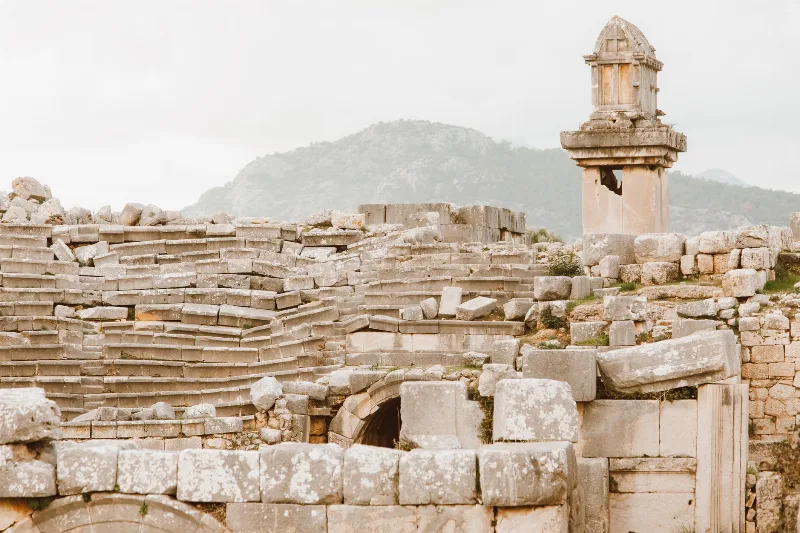
Xanthos
Xanthos was a leading city of Lycia and the seat of the Lycian League, on the frontier between the Antalya and Muğla provinces of Türkiye. Its surviving theatre, agora and tomb monuments, together with the nearby sanctuary of Letoon, form a UNESCO World Heritage Site.
Explore →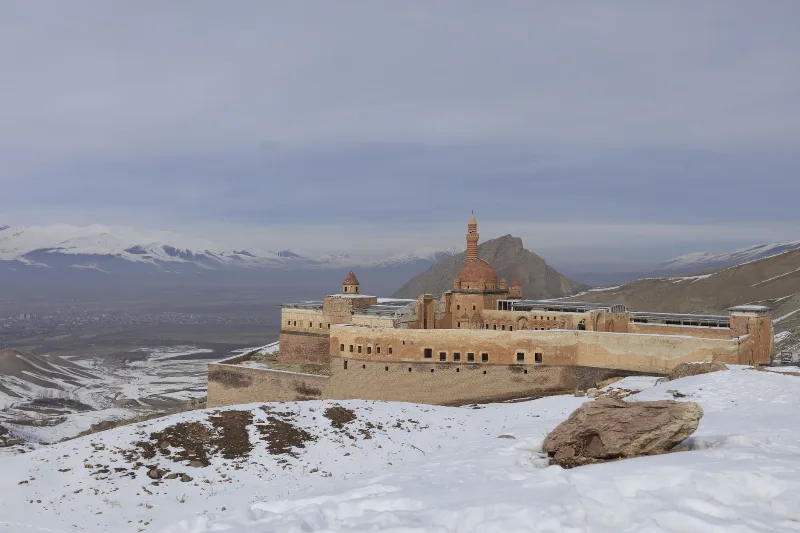
Ishak Pasha Palace
Ishak Pasha Palace is a late Ottoman palace complex in Doğubayazıt, Ağrı Province, eastern Turkey. Built between the late 17th and late 18th centuries, it is known for its stone architecture, which combines Ottoman, Seljuk, and Persian elements.
Explore →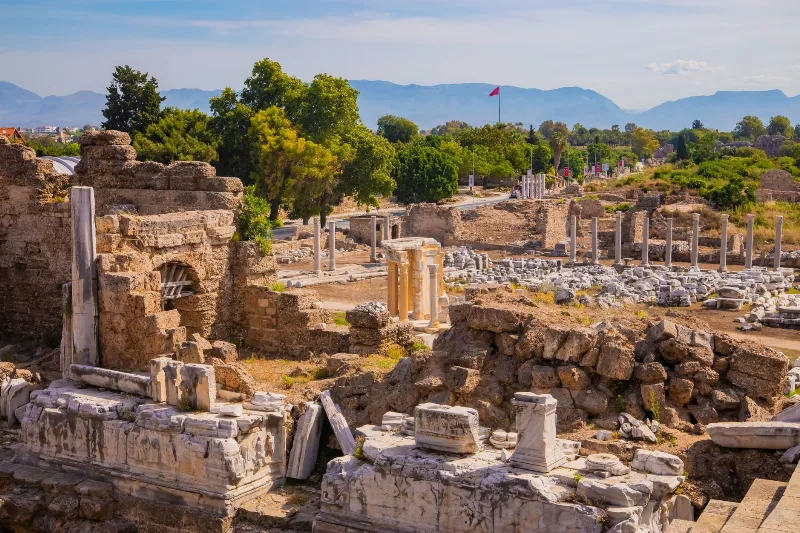
Anemurium
Anemurium is an ancient city on a windswept promontory at Cape Anamur, the southernmost point of Anatolia, in Mersin Province. Its Roman and Byzantine ruins — theatre, baths, walls and a vast necropolis — make it one of the most substantial archaeological sites on Turkey's Mediterranean coast.
Explore →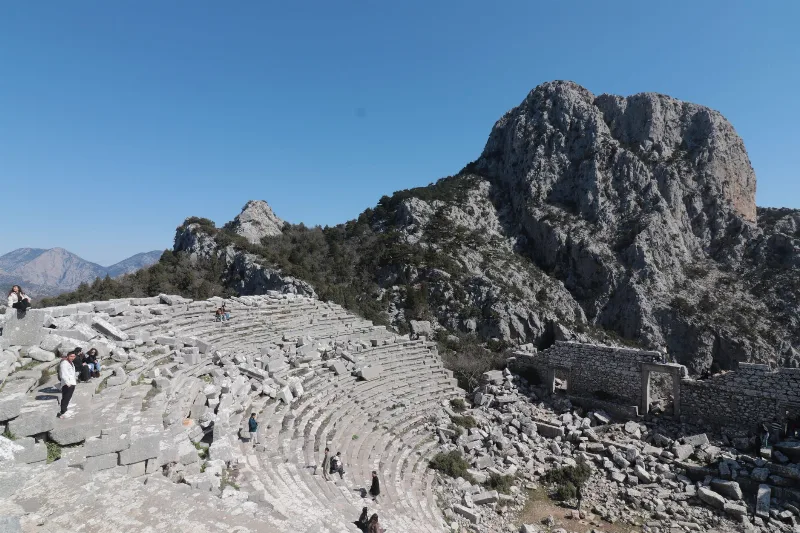
Termessos: The Pisidian Mountain City of Antalya
Termessos is an ancient Pisidian city set high in the Taurus Mountains of Antalya Province, Türkiye. Its abandoned ruins, including a theatre, gymnasium, cisterns and a sprawling necropolis, form one of the most complete archaeological landscapes of the Pisidian region.
Explore →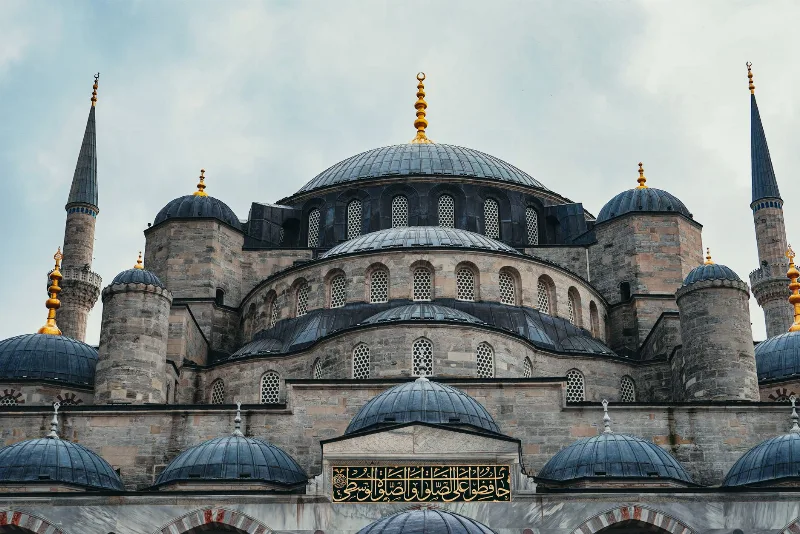
Blue Mosque
The Blue Mosque, known formally as the Sultan Ahmed Mosque, is an early 17th-century Ottoman mosque in Istanbul famous for its hand-painted blue Iznik tiles and six minarets.
Explore →Related content
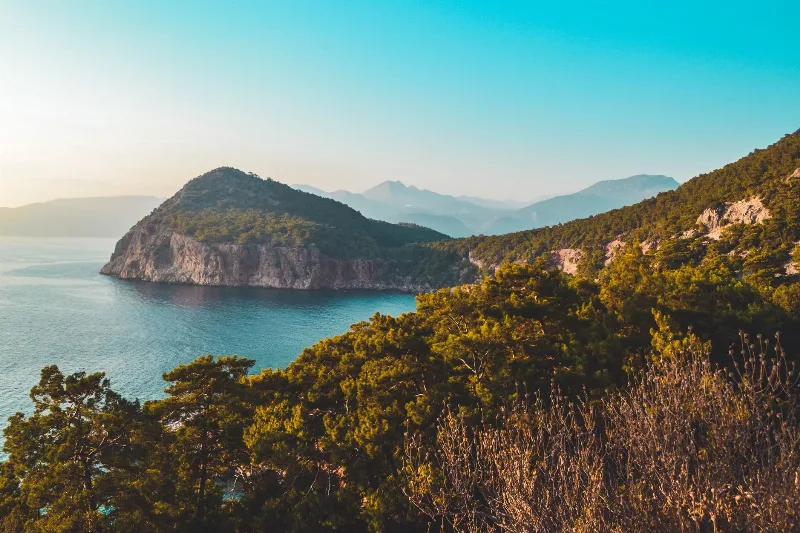
Datça
Datça Peninsula offers serene beaches, lush almond groves, and unspoiled beauty, making it a unique getaway in Türkiye.
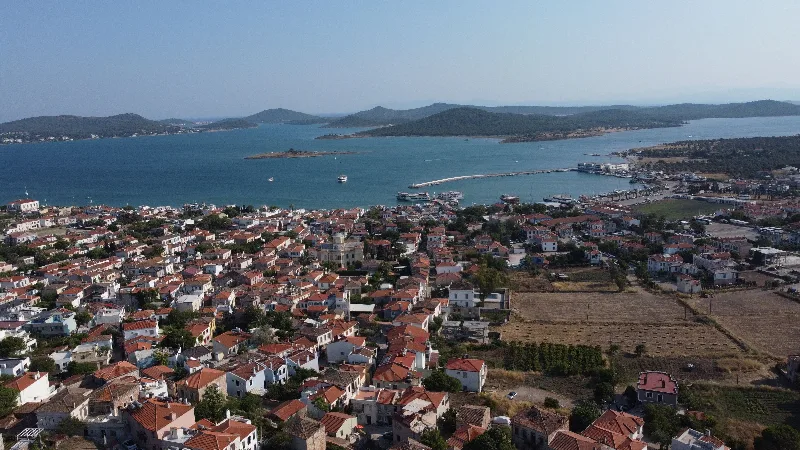
Ayvalık
Ayvalık is a coastal district of Balıkesir Province in western Türkiye, known for its olive oil, its Greek-influenced old town and the offshore island of Cunda.
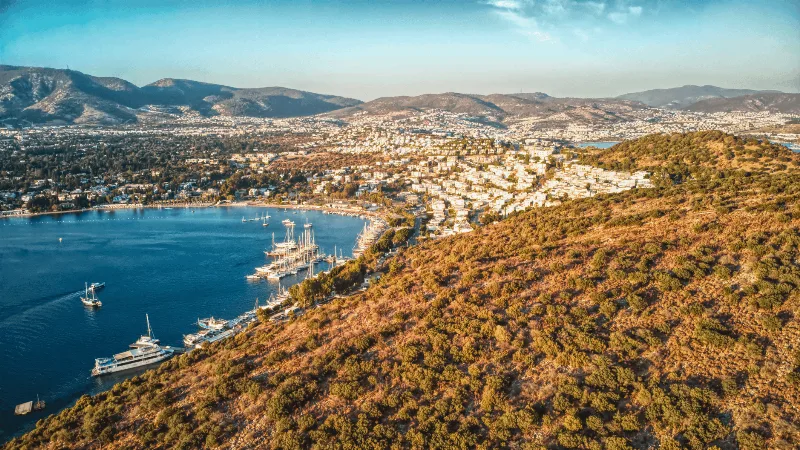
Gümüşlük
Gümüşlük is a sheltered Aegean inlet on the western side of the Bodrum Peninsula, where a shallow bay, a narrow sand spit and a small offshore island shape a distinctive shoreline.
Gümüşlük
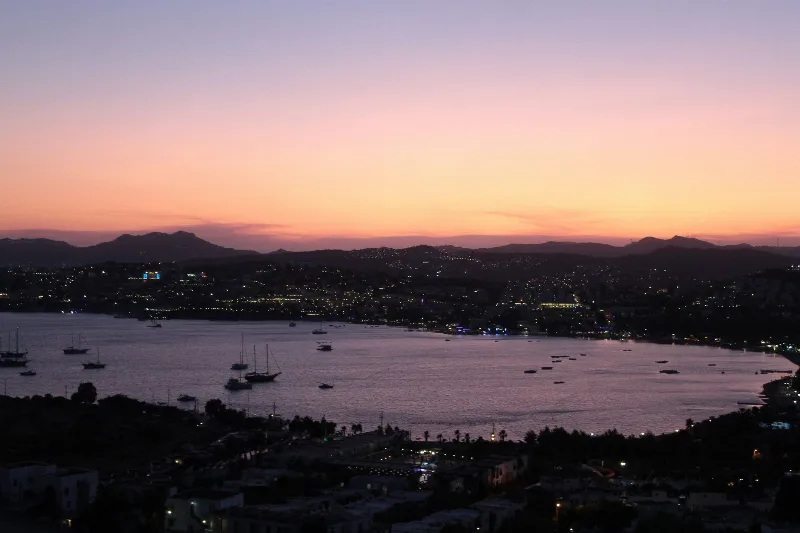
Gümüşlük is a former fishing village on the western tip of the Bodrum peninsula in Muğla, Türkiye, built over the ancient city of Myndos and known for its sunset views across the bay and its seafood culture.
Beaches & Bays
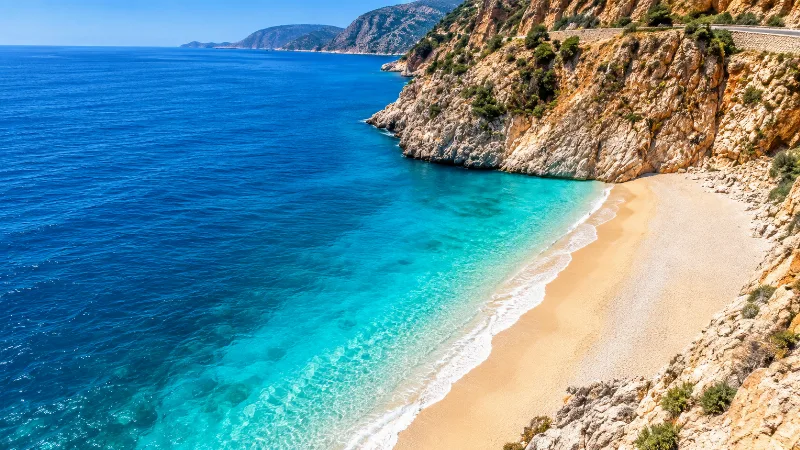
Coasts, coves, islands and seaside places across Türkiye.
Routes
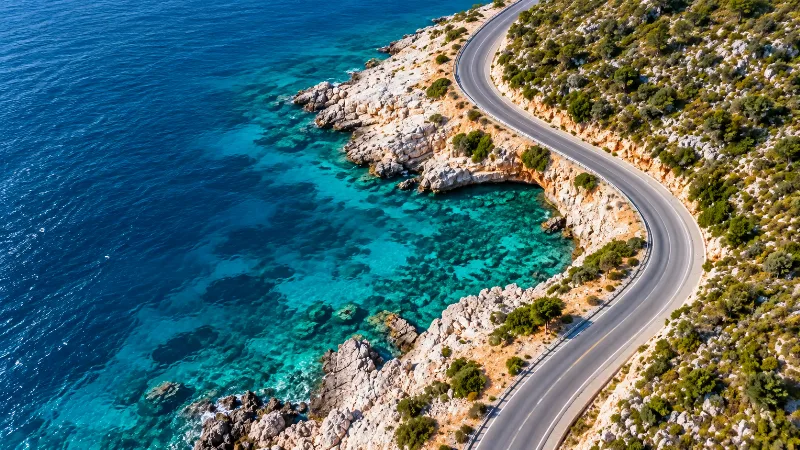
Road trips, coastal drives, cultural routes and scenic journeys across Türkiye.