
Ayvalık
Ayvalık is a coastal district of Balıkesir Province in western Türkiye, known for its olive oil, its Greek-influenced old town and the offshore island of Cunda.
Ayvalık is a district on the Aegean coast of Balıkesir Province in western Türkiye, set on a peninsula that faces the Greek island of Lesbos across a narrow strait. It is an administrative district and a long-established coastal town, distinguished by the extent of its olive groves, its preserved nineteenth-century townscape with strong Greek architectural influence, and an archipelago of small islands lying immediately offshore. Together with the adjoining settlement of Altınova, it forms one of the most recognisable stretches of the northern Aegean coastline.
Where the District Sits
Ayvalık occupies the western edge of Balıkesir Province, at the southern entrance of the Gulf of Edremit where the Aegean opens toward the Greek islands. The district centre is built on and around a low peninsula, so the sea is never far away and in places lies on both sides of the town. To the north the coastline runs toward Edremit and the wider gulf; to the south it continues along the Aegean toward the Altınova plain. The land behind the town rises into gentle hills covered with olive and pine, giving the district a distinct green-and-blue character that separates it from the flatter agricultural plains further inland.
The Old Town and Its Architecture
The historic core of Ayvalık reflects its past as a prosperous Greek-populated town, known historically as Kydonies. Until the population exchange of 1923 the town was largely Greek, and that heritage survives in the urban fabric: rows of stone and timber houses in a neoclassical and Greek Revival idiom, narrow streets, courtyards and former Greek Orthodox churches, some of which have been adapted for other uses over the decades. Walking the old town today gives a clear sense of a nineteenth-century Aegean port that grew wealthy through trade and olive oil before the population changed. The seafront and the streets just behind it retain much of this architectural identity, while the town has gradually expanded inland with more recent residential quarters.
Cunda Island (Alibey Adası)
The largest of the Ayvalık Islands is Cunda, also called Alibey Adası, which sits just off the town and is joined to the mainland by a causeway. Historically an island with its own Greek community, it has a compact harbour, old stone houses, former churches and a strong maritime character. Cunda functions almost as a second centre of the district, connected to Ayvalık by road and by the constant movement of boats along the channel. Because it is treated in detail elsewhere, it is enough here to note that the island is central to how the district is organised and understood.
Olive Oil and the Landscape
Ayvalık is one of Türkiye's principal olive-producing areas, and the local olive cultivar is itself named after the district. Groves stretch across the surrounding hills and along the roads leading inland, and the olive harvest in autumn is a defining feature of the local economy and identity. Olive oil, olives and related regional produce are closely tied to the district's sense of place, and the rhythm of the agricultural year shapes the countryside around the town well beyond the waterfront.
The Coastline and the Islands
The district faces a scattered archipelago of small islands and islets, which shelters the water and gives the coast its protected, enclosed feel. South of the town centre lies the long sandy stretch of Sarımsaklı, within the Altınova area, which is among the most developed beach zones of the district. The wider coastline combines sandy and rocky sections, shallow bays and the channels between islands. This geography explains why Ayvalık is oriented so strongly toward the sea in both its history and its present character.
Landmarks and Viewpoints
Among the best-known landmarks is Şeytan Sofrası, a hilltop viewpoint south of the town that looks out over the islands, the bay and the surrounding coastline. The town's former churches and the old harbour area are key points of reference within the centre, while the streets of the old quarter and the seafront form the main historic core. These features are best understood as part of the district's overall structure rather than as isolated stops.
Nearby Villages and the Wider Area
The district is surrounded by small settlements that share its Aegean character. Altınova lies to the south on the coastal plain, and the village of Küçükköy, once a Greek village and now associated with small workshops and crafts, sits close to Ayvalık. Further north, the Gulf of Edremit connects the district to Edremit and the broader northern Aegean coast. These places belong to the same cultural and geographical landscape as Ayvalık and are often visited alongside it.
Climate and When to Visit
Ayvalık has a Mediterranean climate, with hot, dry summers and mild, rainy winters. Spring and autumn are generally the most comfortable seasons, when temperatures are moderate and the olive groves and countryside are at their most active. High summer brings strong heat and the busiest coastal conditions, while winter is quiet, cooler and wetter. The seasonal rhythm of the olive harvest in autumn is a notable part of the local calendar.
Getting There and Getting Around
The district is reached by road along the northern Aegean coast, with connections running north toward Edremit and the gulf and south along the coast within Balıkesir Province. The town centre, the old harbour and Cunda are linked by short road journeys and by boat across the channel, so the district is easily navigated once you arrive. Visitors typically use Ayvalık as a base for exploring the town, the island and the surrounding coastline rather than passing through in a single day.
Discover Food in Türkiye
All food →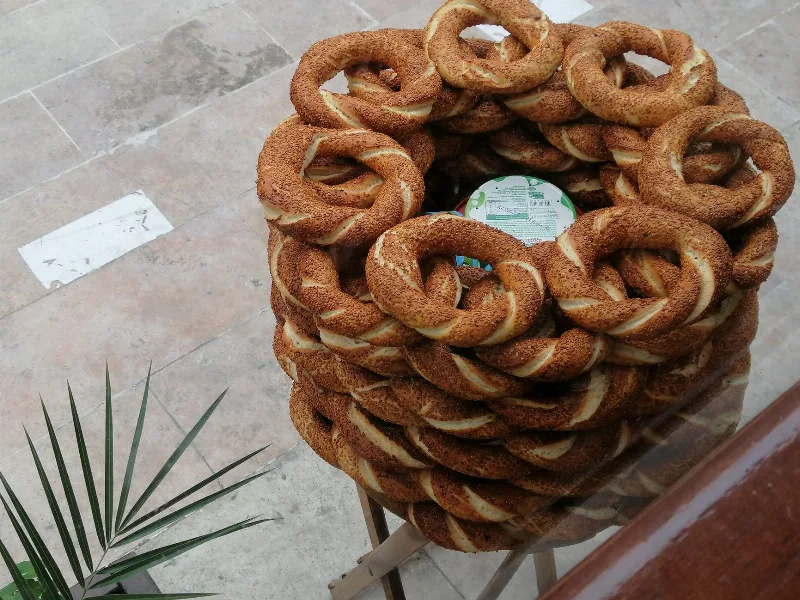
Simit
Simit is a ring-shaped Turkish bread covered in sesame seeds, strongly associated with Istanbul and sold as everyday street food. It is eaten fresh, most often with tea, and has a crisp crust around a chewy crumb.
Explore →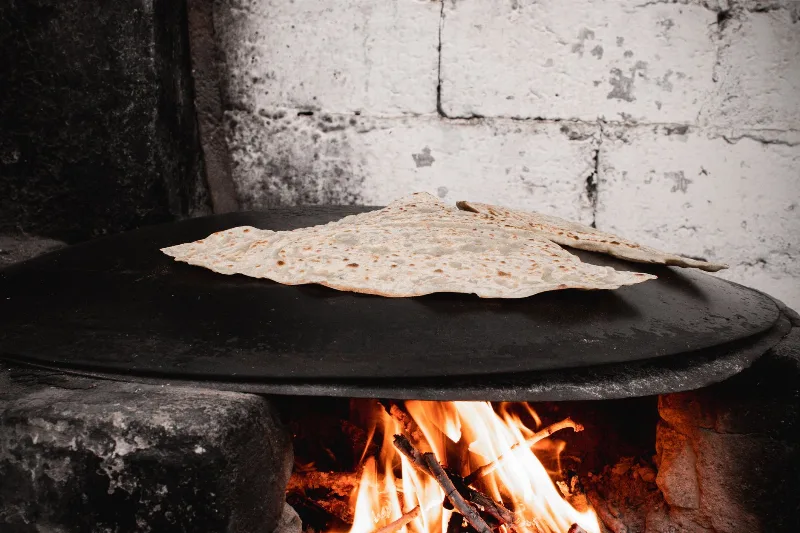
Bazlama
Bazlama is a soft, thick Turkish flatbread made from a leavened dough and cooked on a hot griddle. It is a staple of village baking across Anatolia, eaten warm with butter or used to wrap other foods.
Explore →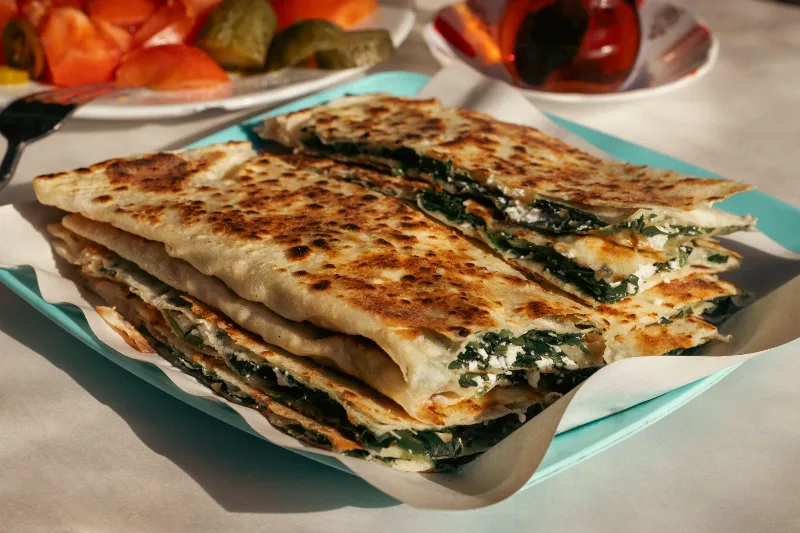
Gözleme
Gözleme is a thin, hand-rolled Anatolian flatbread folded around savory fillings such as cheese, spinach, or minced meat and cooked on a sac griddle. The article covers its regional variations, cooking method, texture, and traditional serving style.
Explore →Related content
Ayvalık Olives
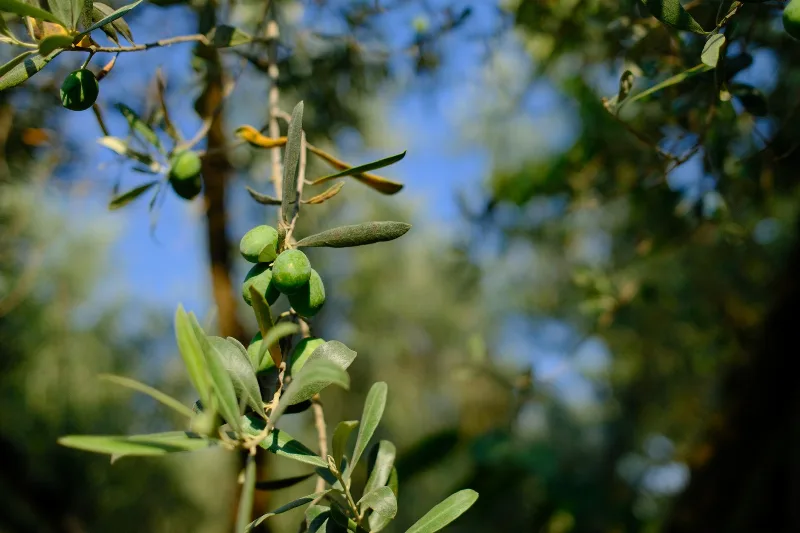
Ayvalık olives are the fruit of a named olive cultivar grown around Ayvalık on Türkiye's northern Aegean coast, valued both for pressing and for curing as table olives. The stony, sloping groves of the Edremit Gulf in Balıkesir province give the variety its strong regional identity.
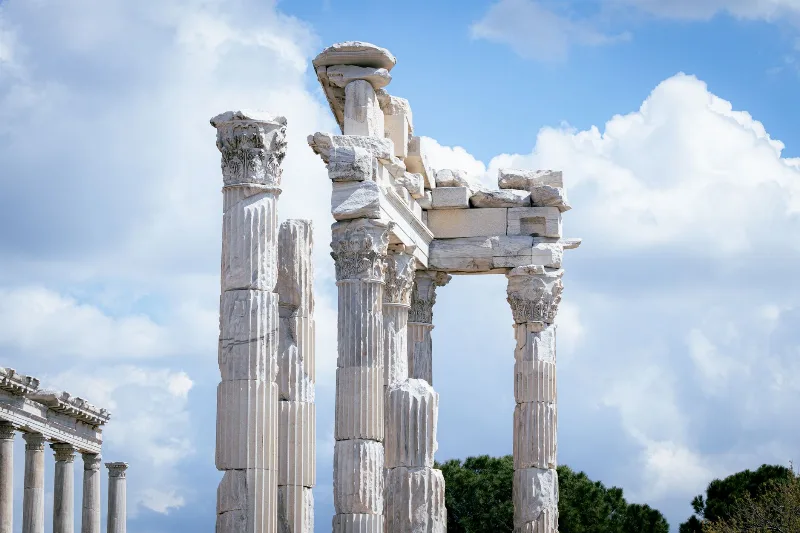
2-Day Bergama and Ayvalık Route: Pergamon to Cunda Island
A compact two-day route that pairs the terraced ruins of ancient Pergamon in inland Bergama with the olive-growing Aegean coast at Ayvalık and the causeway-linked island of Cunda.

Olive Harvest in Ayvalık, Balıkesir
Each autumn, the olive groves around Ayvalık in Balıkesir turn from green to deep purple as the harvest season begins. Between October and November, growers pick the fruit and press it into one of Türkiye's most respected olive oils.
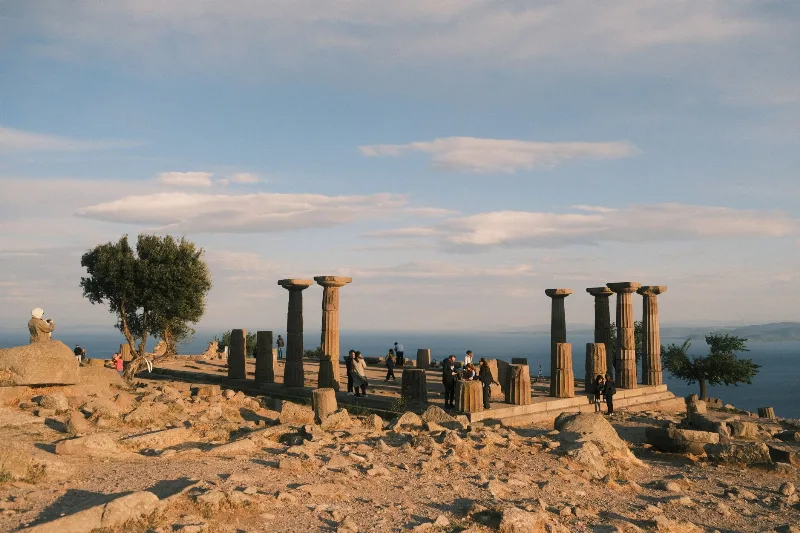
4-Day North Aegean Coast Route
A four-day linear route along the North Aegean coast from Assos to İzmir, with stops at Ayvalık, Cunda, Dikili, Çandarlı, Bergama and Foça. The itinerary is designed for a realistic coastal and inland road trip by car.
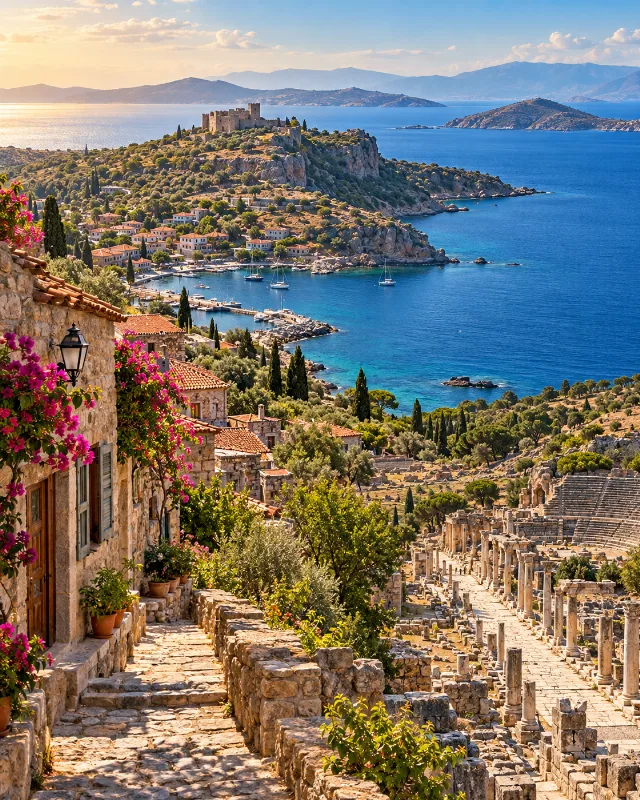
7-Day North Aegean to Ephesus Route
A seven-day southbound route through Troy, Assos, Bozcaada, Ayvalık, Bergama, İzmir and Ephesus, combining archaeology, coastal towns and Aegean culture.
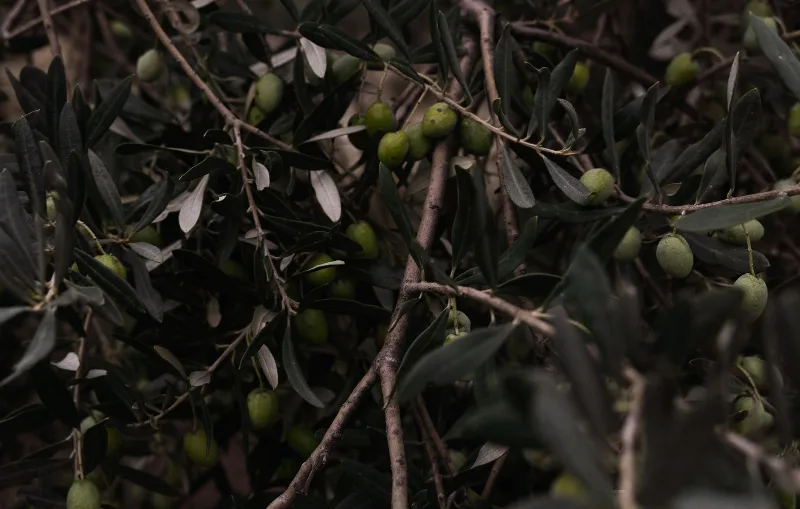
The Lush Olive Groves of Aegean Türkiye
Silver-green groves stretch along the Aegean coast of Türkiye, shaping the region's landscape, cuisine and seasonal traditions from Ayvalık to Bodrum.