
Olive Harvest in Ayvalık, Balıkesir
Each autumn, the olive groves around Ayvalık in Balıkesir turn from green to deep purple as the harvest season begins. Between October and November, growers pick the fruit and press it into one of Türkiye's most respected olive oils.
Each year, the olive groves that surround Ayvalık in Balıkesir province move into their busiest phase between October and November. During this window, the fruit on the region's thousands of olive trees reaches the ripeness that makes it suitable for pressing, and the local harvest begins. Ayvalık is one of the most important olive-growing areas on Türkiye's northern Aegean coast, and its name is attached to a widely planted olive variety, so the seasonal shift from ripening fruit to fresh oil is central to how the district works and eats. The period is distinctive because the olives, the weather and the pressing calendar all have to line up within a short autumn window.
What Signals the Start of the Season
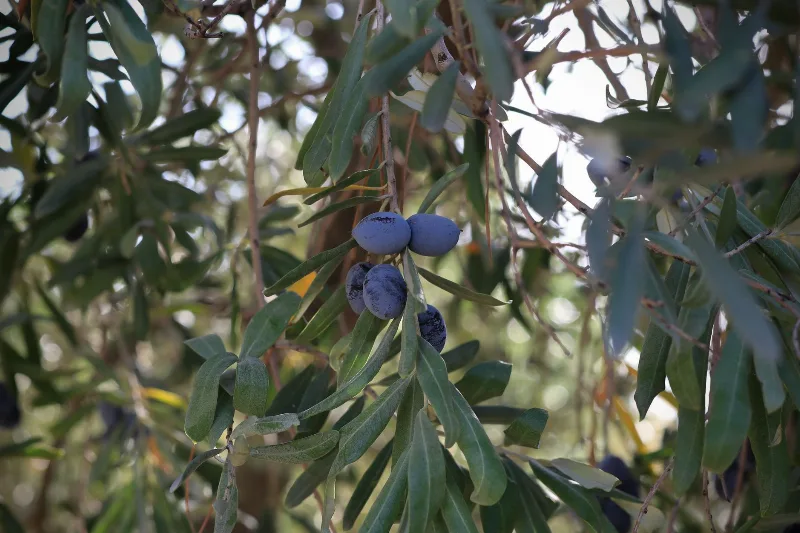
Olives do not ripen all at once, and the decision about when to start picking is a balance between colour, oil content and weather. Through late summer the fruit is hard and green. As autumn progresses, it begins a ripening stage during which the skin shifts towards purple and then a dark, near-black tone. Growers usually watch this colour change closely, since greener fruit tends to give oil with a sharper, more peppery character, while darker fruit yields a softer, rounder oil. The exact moment to harvest is rarely fixed by the calendar alone. A warm, dry September can push ripening slightly earlier, while a cooler or wetter autumn can slow it down, which is why the harvest start shifts a little from one year to the next.
Rain also matters. Heavy rain can soften the ground, making groves harder to work, and prolonged wet spells can affect fruit quality. Because of this, growers often aim to collect the crop during settled, dry spells within the October to November window.
Where the Harvest Happens
The groves are spread across the Ayvalık district and the surrounding countryside, including the slopes and low hills facing the Aegean and the wider Edremit Gulf area. Trees are traditionally grown on relatively dry, rocky terrain, often as smaller groves rather than vast single estates. Some are old trees with thick, gnarled trunks, while others are planted in more regular rows. The landscape in harvest season mixes silvery-green foliage with the darker tones of ripening fruit, and you may see nets spread under trees, ladders leaning against branches and crates waiting to be filled.
Directly across from Ayvalık, the island of Cunda (Alibey) and the nearby coastal settlements are part of the same olive-growing world, and olives and olive oil are visible in everyday local life there as well. Further north along the coast towards Küçükkuyu and the Edremit Bay region, similar groves continue, though Ayvalık remains the best-known name for this specific autumn activity.
How Picking and Pressing Normally Work
Much of the harvesting is still done by hand or with small tools rather than large machines, because the terrain and tree shapes do not always suit mechanical harvesters. Pickers often work in family groups or small teams. Fruit is gathered from branches and from nets placed on the ground, then transported quickly to presses, since the gap between picking and pressing affects the freshness of the oil. Because of this, the pressing period runs alongside the picking period rather than after it.
In many cases the olives are turned into oil within a day or so of being collected. This quick turnaround is one reason the season feels active and time-sensitive rather than drawn out. Small traditional presses and larger modern facilities both operate during this period, and the smell of freshly pressed oil is a recognisable feature of the season in the area.
What the Season Looks Like on the Ground
Through October the groves still hold much of their summer character, with dry, warm days common and the sea still mild. As November approaches, temperatures usually fall, mornings become cooler and the chance of rain increases. The light shifts too, with softer, lower sun and shorter days. The trees during this phase are not bare: olive is evergreen, so the seasonal change is shown mainly in the fruit, and in the activity around the trees rather than in a dramatic change of foliage.
On the ground, a visitor can realistically expect to see nets, ladders, crates and small groups working among the trees. It is not guaranteed that any particular grove will be picking on any given day, since each grower chooses their own moment, so seeing active harvesting often depends on timing and location. What is reliable is the general atmosphere of the season: the ripening fruit, the movement of olives towards the presses, and the presence of fresh oil in the area.
Timing, Weather and Year-to-Year Variation
The harvest typically falls between October and November, but the exact start and finish differ each year. A mild autumn can bring an earlier start, while a cool or rainy one can push things later. The season also tends to be shorter and more intense for oil olives than for table olives, because oil production favours pressing fruit close to its peak rather than waiting. The most dependable approach is to think in terms of the wider autumn window rather than a fixed date: late October and November usually sit at the core of activity.
Because rain, heat and wind can all affect picking days, the practical experience of the harvest can vary across the same month. Some autumns bring long dry spells that speed up work, while others bring interruptions. This is why growers follow the fruit rather than a strict schedule, and why visitors hoping to see the harvest should treat the October to November period as a window rather than a certainty.
A Short But Central Time of Year
For Ayvalık, the olive harvest is not a decorative seasonal theme but a working agricultural period that shapes the local calendar. The combination of a specific olive variety, a warm Aegean climate and a short pressing season gives this stretch of autumn its identity. Understanding the ripening process, the influence of weather, and the rapid move from tree to press explains why October and November matter so much here, and why the experience is tied so closely to one place and one recurring time of year.
EXPLORE BY THEME
All themes →
Hidden Places
Less-known villages, coves, valleys, historic sites and natural areas across Türkiye.
Explore →
Food
Regional dishes, desserts, local ingredients and culinary traditions across Türkiye.
Explore →
Seasonal Experiences
Harvests, festivals, natural seasons and local events throughout the year.
Explore →Related content
Ayvalık
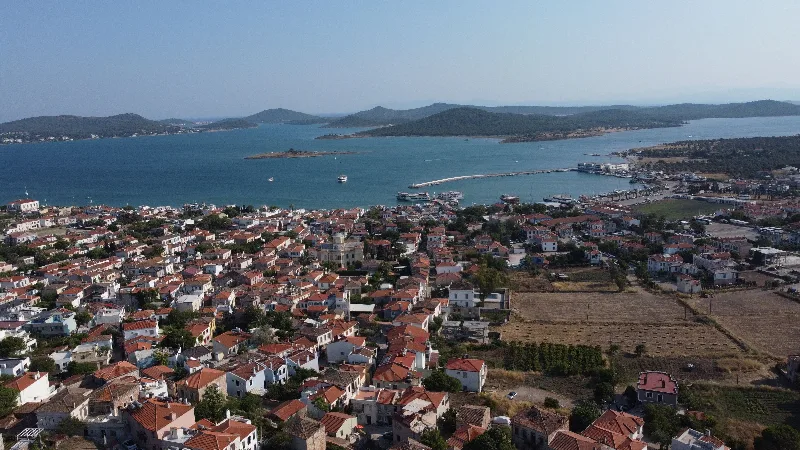
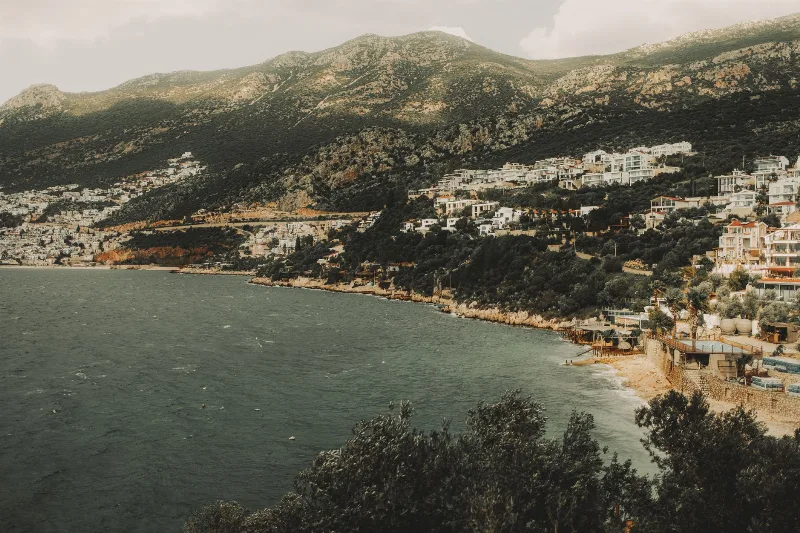
Ayvalık is a coastal district of Balıkesir Province in western Türkiye, known for its olive oil, its Greek-influenced old town and the offshore island of Cunda.
Küçükkuyu
Küçükkuyu is a coastal town in Çanakkale Province, Turkey, at the foot of Kazdağı and surrounded by olive groves. Known for its seafood and proximity to ancient Assos, it offers a mix of Aegean coastline and mountain scenery.
Ayvalık Olives
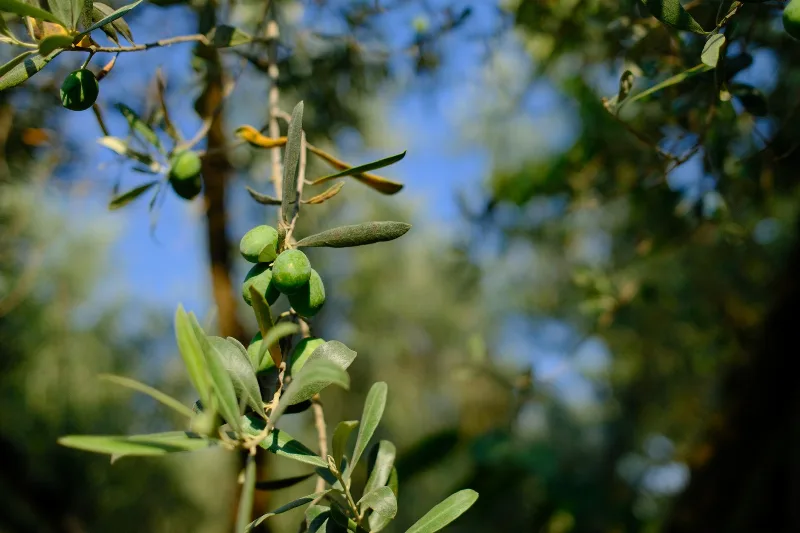
Ayvalık olives are the fruit of a named olive cultivar grown around Ayvalık on Türkiye's northern Aegean coast, valued both for pressing and for curing as table olives. The stony, sloping groves of the Edremit Gulf in Balıkesir province give the variety its strong regional identity.
Edremit Olives
Edremit olives are grown around the Gulf of Edremit in Balıkesir province, western Türkiye, where a Mediterranean climate and a long olive-growing tradition produce both table olives and olive oil.
The Lush Olive Groves of Aegean Türkiye
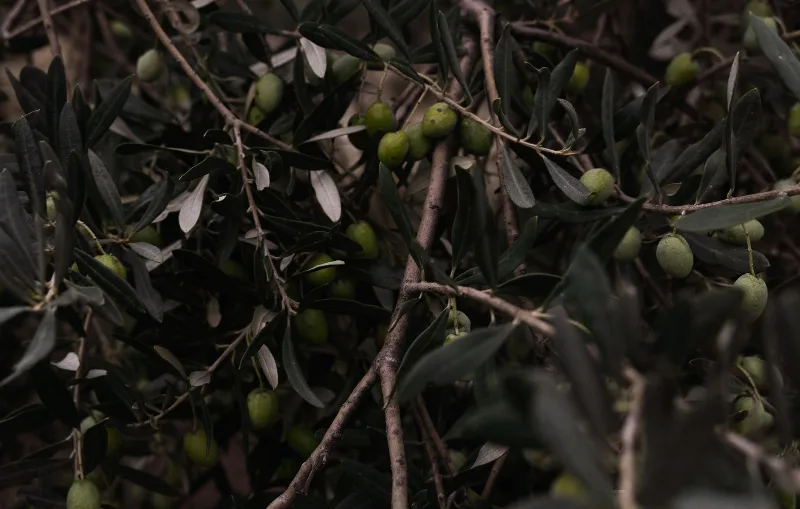
Silver-green groves stretch along the Aegean coast of Türkiye, shaping the region's landscape, cuisine and seasonal traditions from Ayvalık to Bodrum.
4-Day North Aegean Coast Route
A four-day linear route along the North Aegean coast from Assos to İzmir, with stops at Ayvalık, Cunda, Dikili, Çandarlı, Bergama and Foça. The itinerary is designed for a realistic coastal and inland road trip by car.