
7-Day North Aegean to Ephesus Route
A seven-day southbound route through Troy, Assos, Bozcaada, Ayvalık, Bergama, İzmir and Ephesus, combining archaeology, coastal towns and Aegean culture.
7-Day North Aegean to Ephesus Route
This seven-day route travels south through Turkey’s Aegean region, beginning around Çanakkale and ending at Ephesus near Selçuk. The route combines archaeological sites, islands, stone villages, historic towns and coastal landscapes.
Day 1: Çanakkale and Troy
Begin in Çanakkale, exploring the waterfront and central streets before travelling south to Troya Antik Kenti.
Troy contains archaeological layers representing settlements built over thousands of years. Walk through the site and view the remains of defensive walls, structures and excavation areas associated with different periods of the ancient city.
Return to Çanakkale for the evening.
Day 2: Bozcaada
Travel toward Bozcaada and cross to the island.
Begin around Bozcaada Castle and the harbour before walking through the narrow streets of the town.
The island is known for vineyards, coastal scenery and small bays. Spend the afternoon exploring the landscape and shoreline.
Local food reflects the island’s Aegean character, with seafood, olive oil dishes and grape products common across the area.
Day 3: Assos and Behramkale
Continue south along the coast toward Behramkale and Assos.
Climb through the stone village toward the ancient site. The Temple of Athena occupies high ground above the Aegean and offers wide views toward the surrounding coastline and islands.
Continue downhill toward the old harbour area, where stone buildings sit close to the sea.
Day 4: Ayvalık and Cunda
Travel south to Ayvalık.
Explore the old streets and historic stone buildings before crossing toward Cunda (Alibey Adası).
The area is strongly associated with olive cultivation and Aegean cuisine. Olive oil dishes, seafood and local herbs are prominent parts of the regional food culture.
Finish the day from an elevated viewpoint overlooking Ayvalık’s islands and coastline.
Day 5: Bergama
Continue south toward Bergama.
Visit the ancient city of Pergamon, beginning with the Acropolis above the modern town. The archaeological area contains remains of temples, public buildings, a steep theatre and other structures from the ancient city.
Continue to the Asklepion, the ancient healing complex located below the Acropolis.
Spend the remainder of the day around Bergama’s historic centre.
Day 6: İzmir
Travel south to İzmir.
Begin around Konak, Saat Kulesi and Kemeraltı Çarşısı.
Walk through the bazaar streets before continuing toward the waterfront and Kordon.
İzmir’s food culture includes boyoz, kumru and a wide range of Aegean dishes prepared with local herbs and olive oil.
Finish the day along the Gulf of İzmir.
Day 7: Selçuk and Ephesus
Travel south to Selçuk for the final day.
Visit Efes Antik Kenti, one of the largest archaeological sites in the Aegean region. The route through the ancient city includes Celsus Library, the theatre, marble streets, public buildings and residential areas.
Continue to Selçuk and the surrounding historic sites, including St. John’s Basilica and the remains associated with the Temple of Artemis.
The seven-day journey ends in Selçuk after travelling from the northern Aegean through some of western Turkey’s most important coastal and archaeological landscapes.
Remarkable Places
See all places →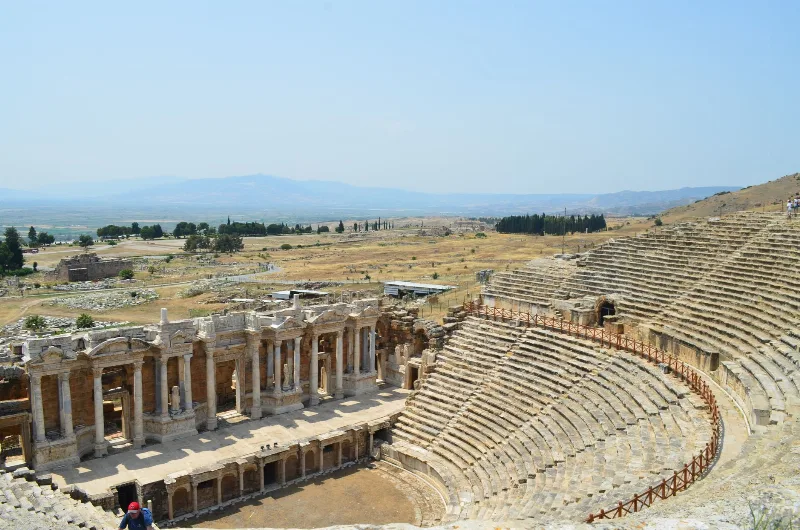
Letoon
Letoon is a Lycian sanctuary near Xanthos in Muğla Province, dedicated to Leto, Artemis and Apollo. Its three temples, theatre and trilingual inscription make it one of southwestern Turkey’s most significant archaeological sites.
Explore →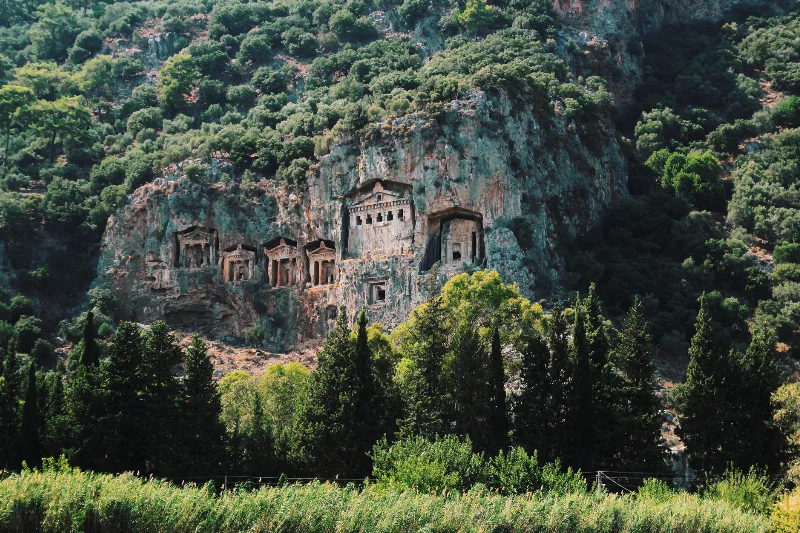
Kaunos
Kaunos is an ancient Carian city on the Dalyan River in Muğla Province, known for its temple-style rock-cut tombs and the extensive ruins of a harbour that silted up centuries ago.
Explore →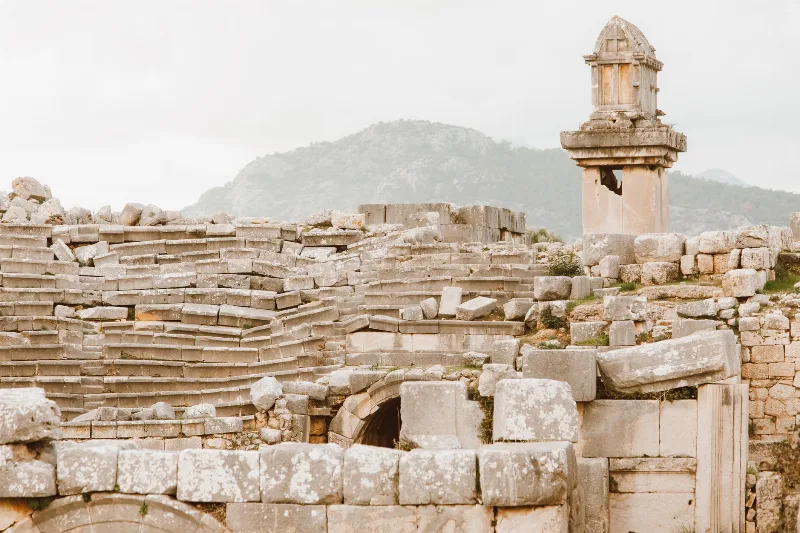
Xanthos
Xanthos is an ancient Lycian city in Antalya Province and a UNESCO World Heritage Site, known for its Lycian tombs, Roman theatre and role as a leading city of Lycia.
Explore →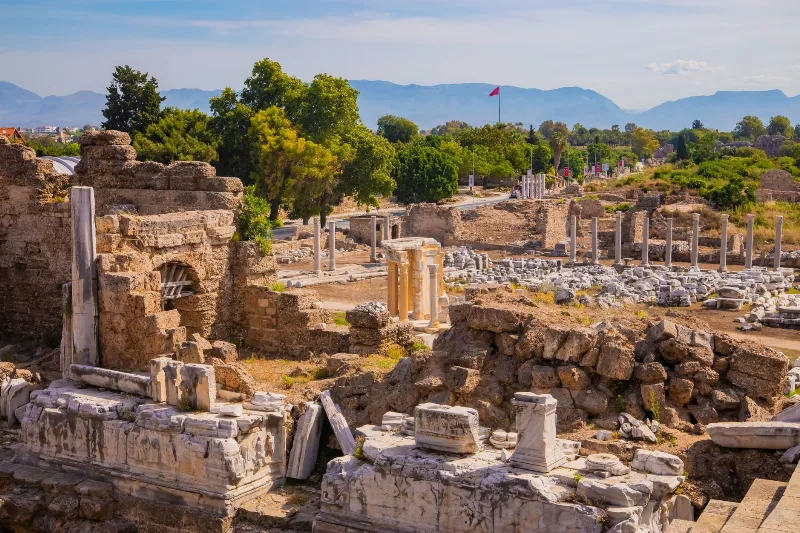
Phaselis
Phaselis is a Rhodian-founded port city on the eastern Lycian coast, where paved streets, agoras, baths and a small theatre stand among pines between three sheltered bays.
Explore →Related content
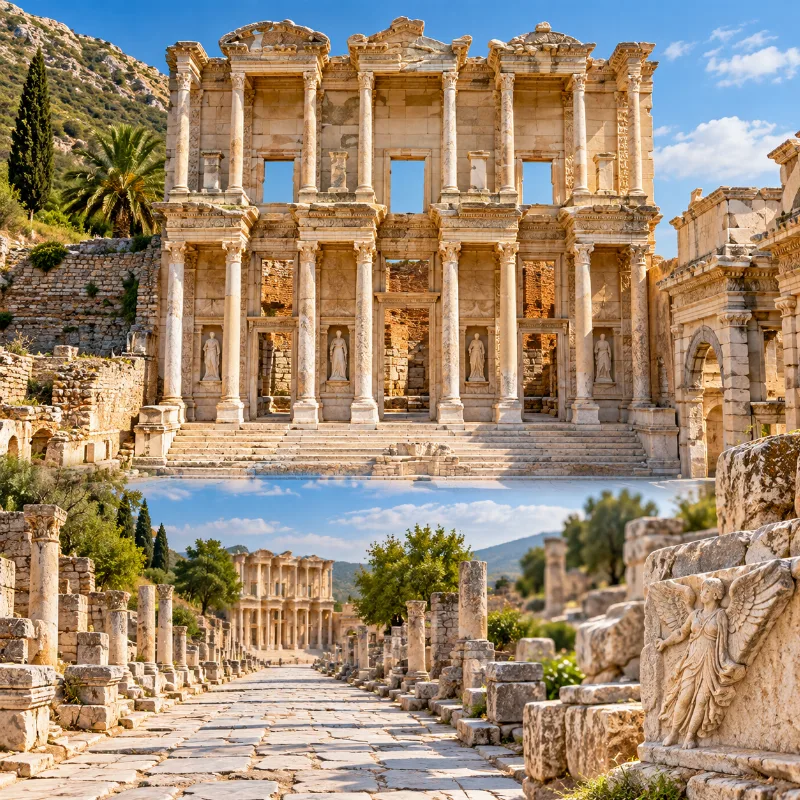
Ephesus
One of the best-preserved ancient cities in the Aegean, known for its monumental streets, library, theatre and Roman-era remains.
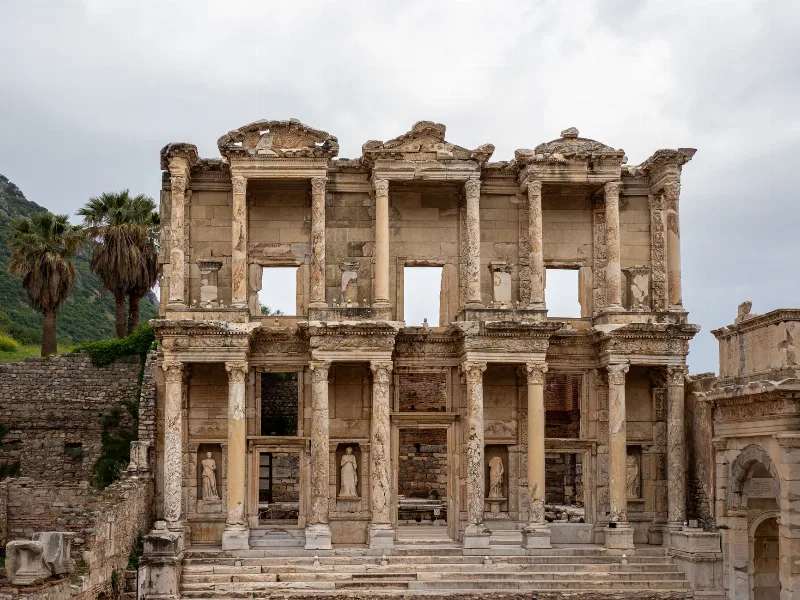
Ephesus
Ephesus is an ancient Greek and Roman city near Selçuk in İzmir Province, Türkiye, whose ruins include the Library of Celsus, the Great Theatre and the remains of the Temple of Artemis.
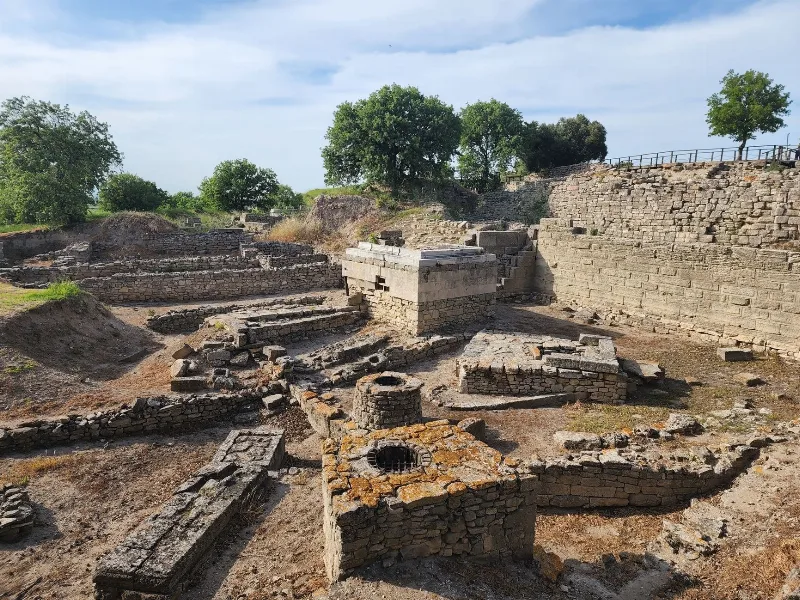
Troy
Troy is the excavated mound of Hisarlık in Çanakkale Province, Türkiye, inhabited from the Early Bronze Age to the Roman era and linked with the Ilion of Homer's Iliad. Its nine settlement layers and surviving Bronze Age fortifications make it one of the most important stratified sites in the eastern Mediterranean.
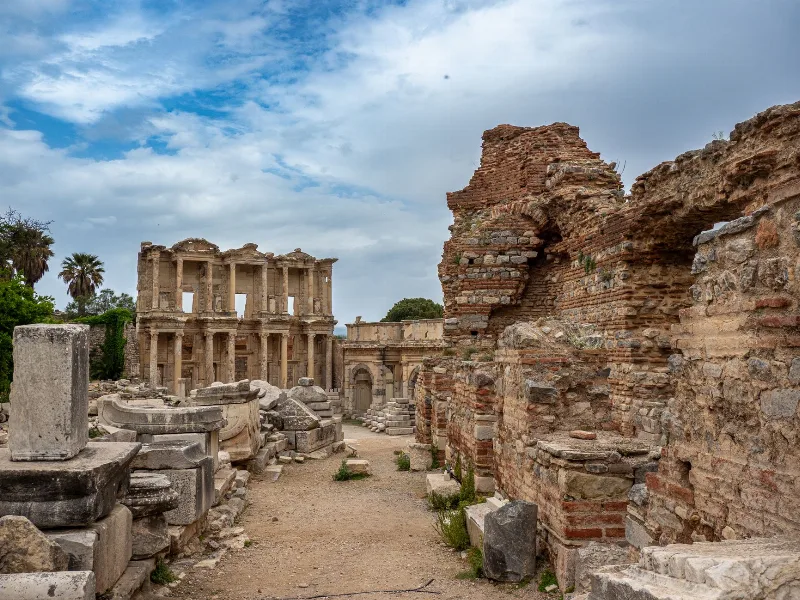
Historic Places in Türkiye
Discover Türkiye's rich history through its ancient cities and iconic landmarks.
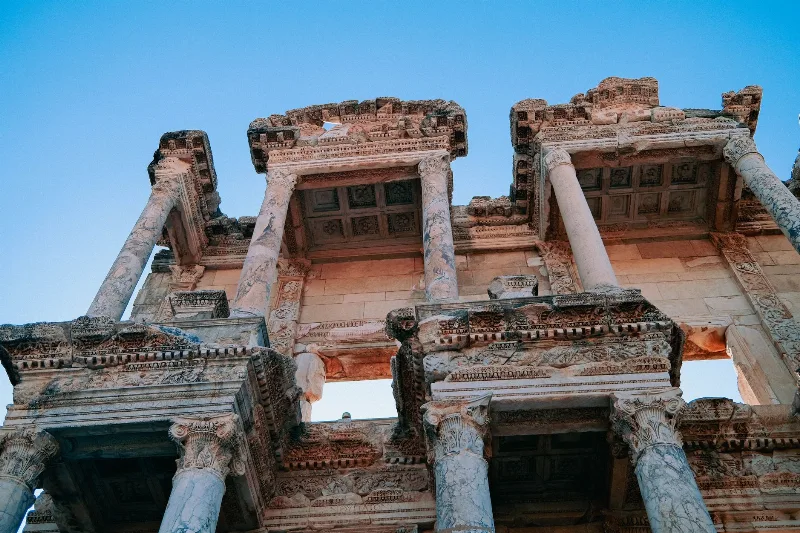
Ephesus: Gateway to Antiquity
Ephesus is a vast archaeological site on the Aegean coast of Türkiye, where marble streets, terraced houses and a hillside theatre trace the life of a major Roman city. Nearby Selçuk adds museums, a hilltop basilica and a fertile farming plain.
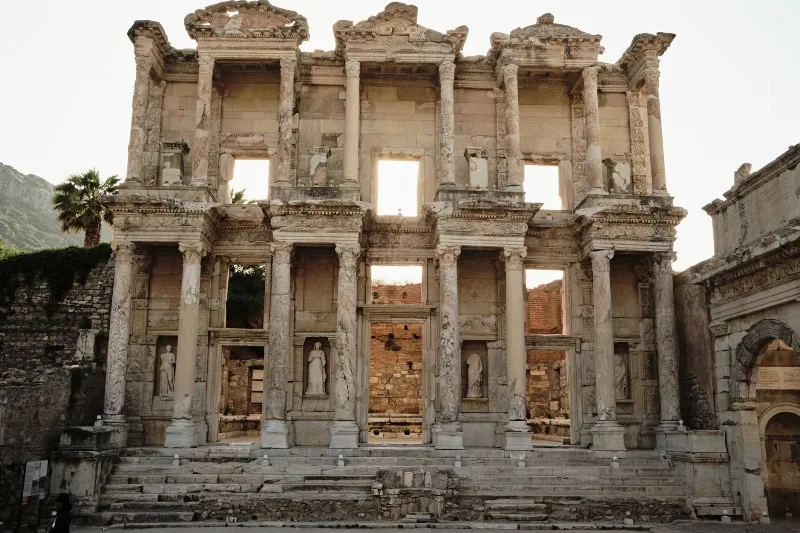
4-Day Ephesus and Pamukkale Route
A four-day west-to-east Aegean route that links the ancient city of Ephesus and the House of Virgin Mary in Selçuk with the white travertine terraces and Hierapolis ruins at Pamukkale, near Denizli.