
The Village of Birgi in the Aegean Region
STORIES FROM TÜRKİYE
Birgi is a village in İzmir Province, in the Ödemiş district of Türkiye’s Aegean region. It sits on rising ground near the Bozdağ Mountains, looking across the wide Küçük Menderes plain. Its stone lanes, timber houses and slow pace give the village a character that feels closely tied to the landscape around it. A walk through Birgi reveals an Aegean settlement where daily life and historic architecture share the same narrow streets.
A Setting Between Mountains and Plain
The village spreads across a slope at the edge of the Bozdağ massif, where the land begins to climb from the fertile plain. This position has shaped Birgi’s layout: houses step up the hillside, lanes follow the contours, and courtyards open toward views of gardens and roofs. Plane trees, figs, olives and vineyards are part of the surrounding scenery, reflecting the agricultural rhythm of the Küçük Menderes basin.
Birgi’s climate follows a Mediterranean pattern, with warm, dry summers and milder, wetter winters. Water has long played a role in the village, and small channels and fountains can be seen along some streets. The combination of mountain air, plain agriculture and shaded lanes makes the setting feel calm and distinctly Aegean.
Ottoman Houses and Street Life
Birgi is known for its well-preserved Ottoman-era houses, many of which combine stone walls, timber frames, whitewashed surfaces and red-tiled roofs. Bay windows, wooden shutters and inner courtyards are common features, designed to support family life while responding to the climate. Some houses have been restored, while others show the gentle wear of time and continued use.
Çakırağa Konağı is among the village’s notable historic houses, recognised for its architectural details and painted interior decoration. The building offers insight into the domestic style of wealthy Ottoman-era households in the region. Around it, the streets remain residential, with doorways opening directly onto stone lanes and garden walls marking the edges of private courtyards.
Daily life in Birgi is not staged for visitors. Residents use the same lanes, tend small gardens and keep the village’s quiet routine moving. This lived-in quality is central to Birgi’s appeal: the architecture is not isolated from ordinary life but remains part of the village’s everyday fabric.
Layers of History
Birgi has a long history and served as an important centre during the Aydınoğulları period in the 14th century. Monuments from this era and later Ottoman centuries sit within the village, giving the streets a layered historical character. The Birgi Ulu Camii and the tomb of Aydınoğlu Mehmet Bey are among the sites that reflect this heritage.
The village’s historic buildings are not arranged as a single open-air museum. Instead, mosques, tombs, fountains, houses and old walls appear along the lanes as part of the settlement itself. This arrangement encourages visitors to read Birgi through its streets, where different periods of construction and repair sit side by side.
Local Food and Seasonal Rhythms
Food in Birgi reflects the wider culinary traditions of the Ödemiş area and the Aegean region. Dishes such as keşkek, tarhana soup, stuffed vine leaves and gözleme are connected to village cooking, often based on wheat, vegetables, dairy and olive oil. Local produce from the plain, including figs, olives, grapes and seasonal vegetables, shapes the table across the year.
Spring brings fresh green shoots and wild herbs to the surrounding slopes, while summer focuses on gardens, orchards and shaded courtyards. Autumn is linked with harvests and preserving food for the colder months. Winter brings a quieter mood, when smoke from chimneys and the sound of rain on tiled roofs settle over the village.
A Quiet Aegean Experience
Birgi rewards slow exploration. The village is small enough to walk in a few hours, yet its lanes and courtyards invite a more unhurried approach. Views from the upper streets open over rooftops toward the plain, while shaded corners offer places to pause and notice architectural details.
As a living village, Birgi asks for respectful curiosity. The atmosphere comes from ordinary routines, historic houses and a landscape that connects mountain and plain. For travellers interested in Aegean culture and Ottoman architecture, Birgi offers a clear and informative introduction to village life in Türkiye.
Historic places
Explore history →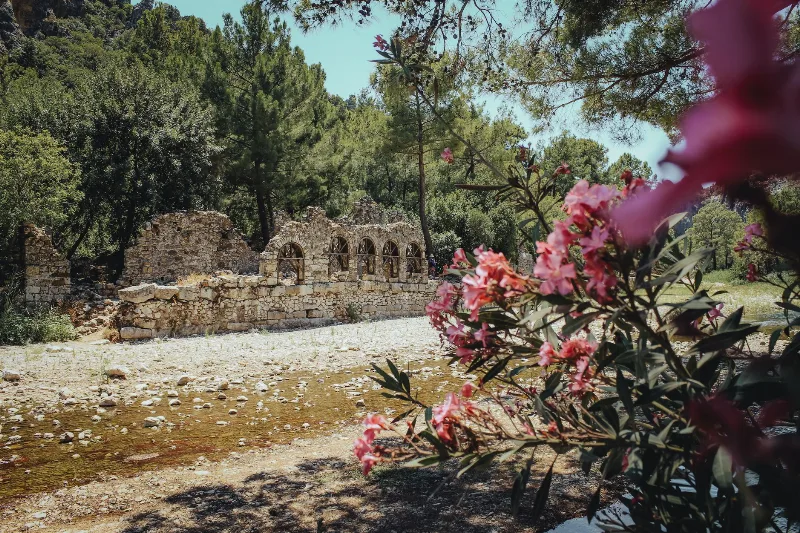
Olympos
Olympos is an ancient Lycian city in Antalya Province, Türkiye, whose ruins stand on both banks of a wooded river valley. Once a member of the Lycian League and later a Roman harbour town, it is best known for its theatre, baths and Lycian sarcophagi, and for the naturally burning Chimaera flames on the mountain above.
Explore →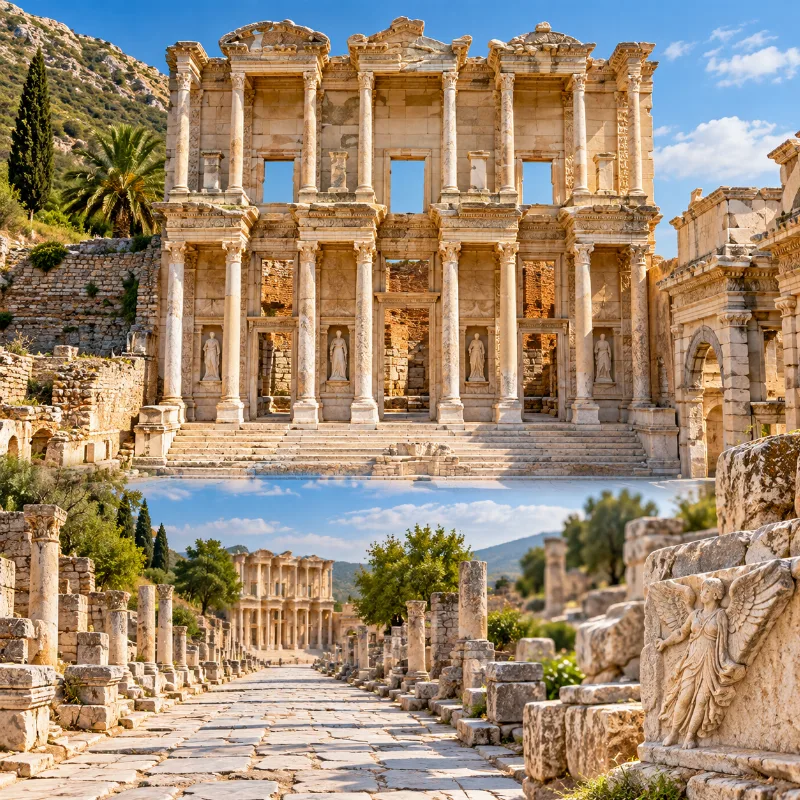
Ephesus
One of the best-preserved ancient cities in the Aegean, known for its monumental streets, library, theatre and Roman-era remains.
Explore →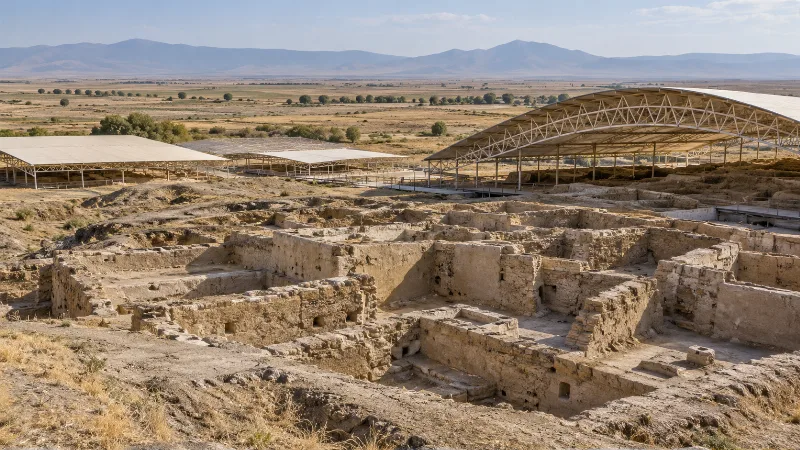
Çatalhöyük
Çatalhöyük is a Neolithic and Chalcolithic settlement mound in the Konya Plain whose tightly packed mudbrick houses, painted walls and floor burials changed how archaeologists understand early farming communities. This article explains what survives at the site, how it was excavated and what a visitor can realistically expect to see.
Explore →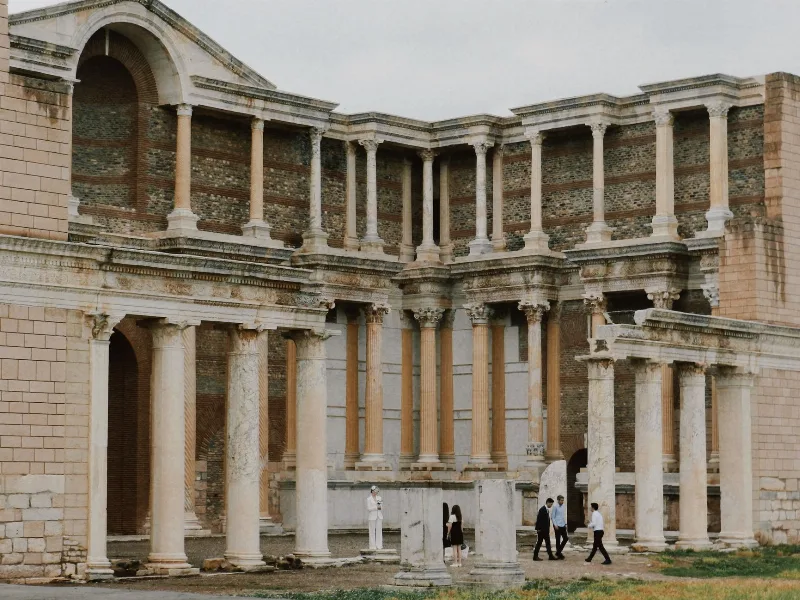
Sardis
Sardis was the Iron Age capital of the Lydian Kingdom in western Anatolia and later a major Roman and Byzantine city. Its surviving monuments include the Temple of Artemis, a vast bath-gymnasium complex and one of the largest ancient synagogues ever found.
Explore →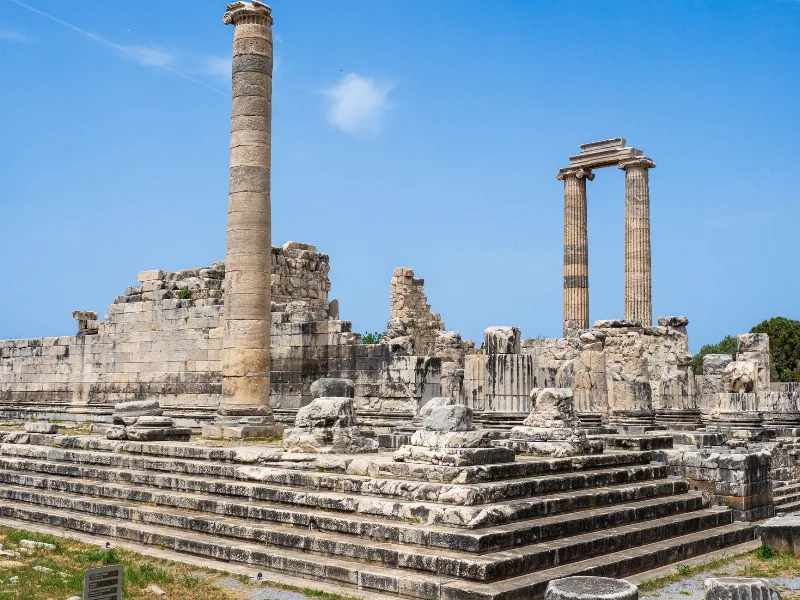
Didyma
Didyma is an ancient Greek sanctuary and oracle of Apollo in Aydın Province, Türkiye, whose vast Temple of Apollo is one of the largest ever built in the Greek world. Its surviving platform, columns, reliefs and Sacred Way make it a major archaeological site on the coast near Miletus.
Explore →Related content
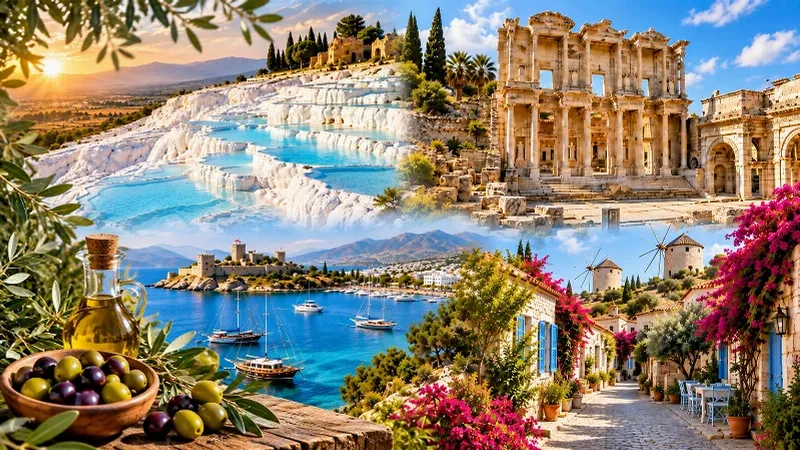
Aegean Region
The Aegean Region of Türkiye is celebrated for its beautiful coastline, ancient cities, olive groves and charming seaside towns. From the historic streets of İzmir to the natural beauty of its bays and countryside, the region brings together Mediterranean landscapes, cultural heritage and a distinctive coastal lifestyle.
Birgi Village Traditional Houses and Cobblestone Streets in İzmir
Birgi, an old village in the Ödemiş district of İzmir, is known for its stone-and-timber houses, narrow cobbled lanes and monuments left by the Aydınoğulları principality.
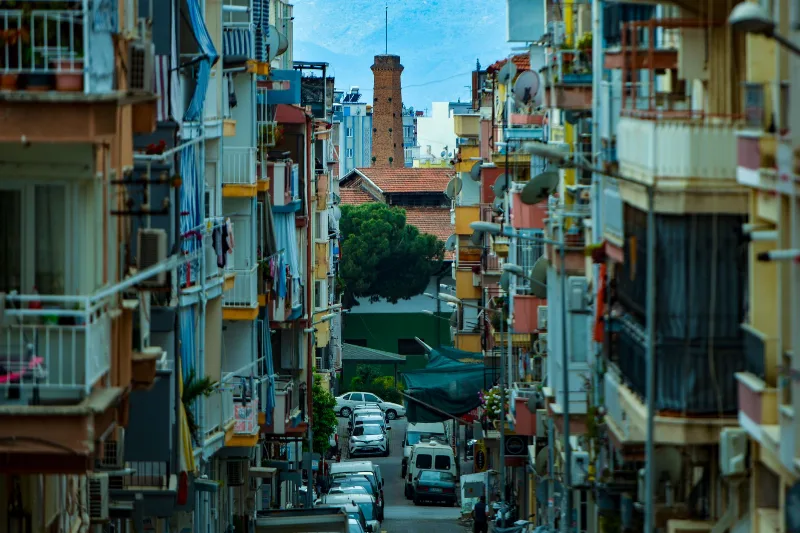
Aydın
Aydın is the inland capital of Aydın Province in Türkiye's Aegean region, recognised for its fig production and its position between the fertile Büyük Menderes valley, the coastal district of Kuşadası and several major ancient sites.
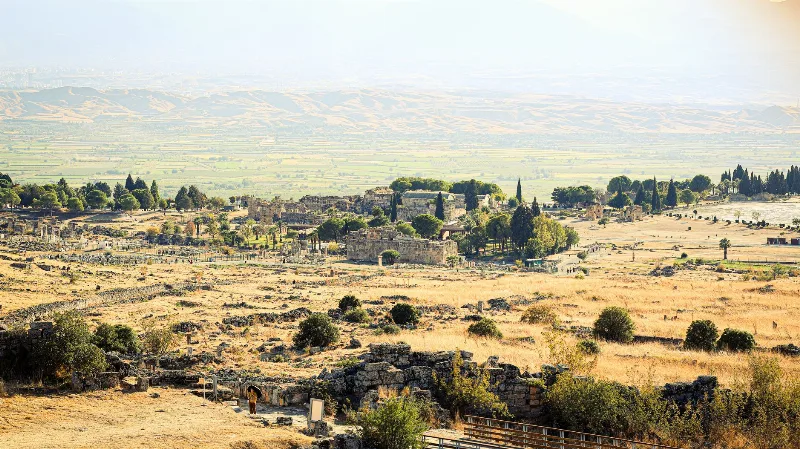
Denizli
Denizli is the inland capital of Denizli Province in Türkiye's Aegean region, known internationally for the Pamukkale travertine terraces and ancient Hierapolis, and at home as a major textile city with its own long-crowing rooster breed.
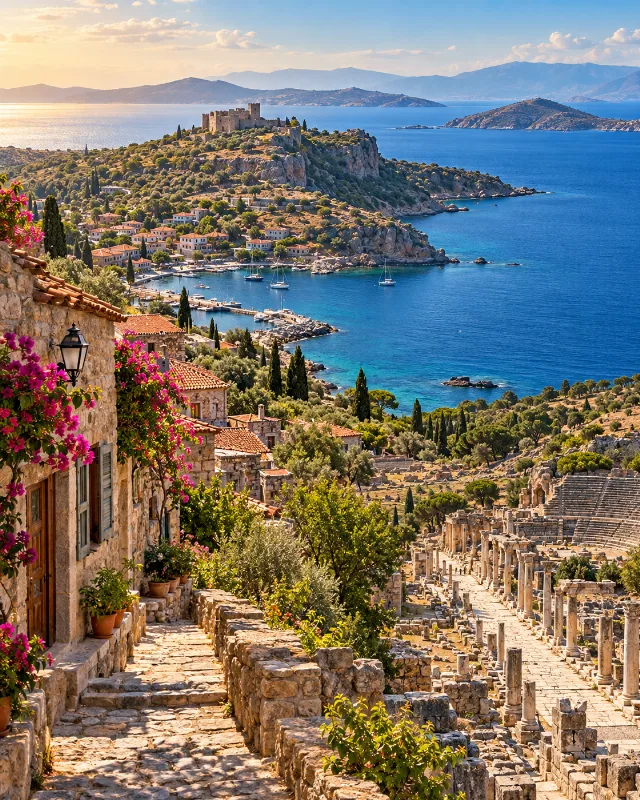
7-Day North Aegean to Ephesus Route
A seven-day southbound route through Troy, Assos, Bozcaada, Ayvalık, Bergama, İzmir and Ephesus, combining archaeology, coastal towns and Aegean culture.
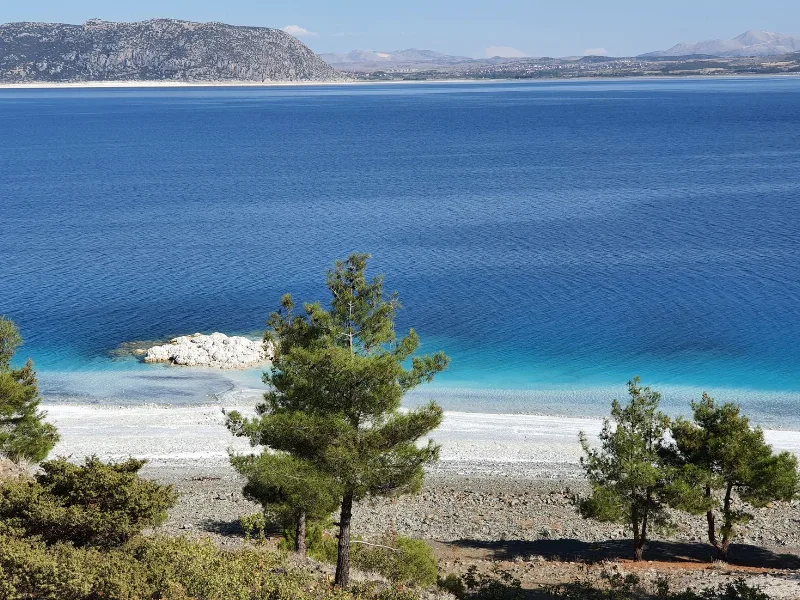
The Serene Lakes of Türkiye
Türkiye’s lakes range from vast soda lakes to salt flats and freshwater basins, each offering calm landscapes and rich wildlife. This page introduces notable lakes across different regions and their seasonal character.