
The Ancient City of Knidos at the Datça Peninsula
STORIES FROM TÜRKİYE
At the far western end of the Datça Peninsula in Muğla, the land tapers into a rocky point where two bays face each other across a narrow neck of stone. This is Knidos, once a prominent harbour city of the ancient Mediterranean. Today the site is open and quiet, with paved streets, terraces and harbour walls still legible in the landscape, looking out over water that shifts from deep blue to a pale, wind-whipped turquoise.
Where the Peninsula Ends
The road from Datça town winds west for roughly thirty-five kilometres through hills covered in scrub, olive trees and almond groves. As it descends towards the tip of the peninsula, the landscape becomes drier and more exposed, with the wind rarely still. The headland itself, known as Deveboynu, marks a meeting point of the Aegean and the Mediterranean, and the light here has a clarity that photographers notice immediately.
Knidos sits on this promontory in terraces that step down towards the sea. Because the site is large and largely unroofed, a visit is as much a walk through scenery as it is a tour of antiquities. Goats graze between fallen columns, and the sound of water against rock follows almost every path.
A City Shaped by Trade
Knidos grew from a settlement with Carian roots into a city of considerable reach, later reshaped under Greek and then Roman rule. Its great advantage was geography. Two harbours, one on each side of the narrow isthmus, allowed ships to shelter whichever way the weather turned, and the city became a stopping point for vessels moving between the Aegean and the eastern Mediterranean.
Wealth from that traffic paid for public buildings, and the ruins still show the outline of an organised city: broad streets, commercial spaces, and defensive walls climbing the higher ground. The settlement was relocated to this dramatic tip in the fourth century BCE, and the layout that survives belongs largely to that later, carefully planned version of the city.
What to Look For Among the Ruins
Theatre is the first thing many visitors notice, its curved seating cut into the slope with a view over the water rather than a stage wall. Nearby, long lines of columns mark the position of a stoa, the covered walkway where business and conversation once took place. Higher up, terraces hold the foundations of temples and sanctuaries, including a circular structure and a small temple dedicated to Dionysos.
Lower down, a street of mosaic paving gives a sense of the city's everyday finish, and a stone sundial survives in remarkable condition. In the necropolis outside the walls, excavations revealed a large sculpted lion, one of the most recognisable works associated with the site. Fragments of statues, inscriptions and pottery from Knidos are now dispersed among museums in several countries, while the site itself keeps its walls, steps and carved stones in place.
The Fame of Aphrodite
Knidos was celebrated across the ancient world for a statue of Aphrodite made by the Athenian sculptor Praxiteles. According to ancient writers, the city acquired the nude version of the work rather than a draped alternative, and the shrine that housed it became a destination for travellers and pilgrims arriving by sea. Roman authors described visitors admiring the figure from every angle, and the fame of the image spread far beyond the city's trading network.
Nothing of that statue survives today, and its temple is now a circular platform on a terrace above the harbours. Yet the story continues to explain why such a small promontory appears so often in ancient accounts of art and travel, and why the site draws people interested in sculpture as much as in ruins.
The Landscape Around the Site
The peninsula that surrounds Knidos is a place of dry hills, thyme-scented scrub and small fields worked for almonds, olives and honey. Datça almonds are well known in Türkiye, and the local olive oil is pressed from trees that grow close to the coast, where the sea air is said to sharpen the flavour of the fruit.
Inland, the old town of Datça keeps stone houses, narrow lanes and windmills on the ridge above, while the coast road passes quiet coves and steep cliffs. Spring brings wildflowers to the hillsides, summer brings strong winds and bright, hard light, and autumn settles into a softer warmth. Whichever season a visitor chooses, the experience of Knidos is inseparable from this setting: a city built where the land runs out, with nothing but sea beyond the last line of stones.
Historic places
Explore history →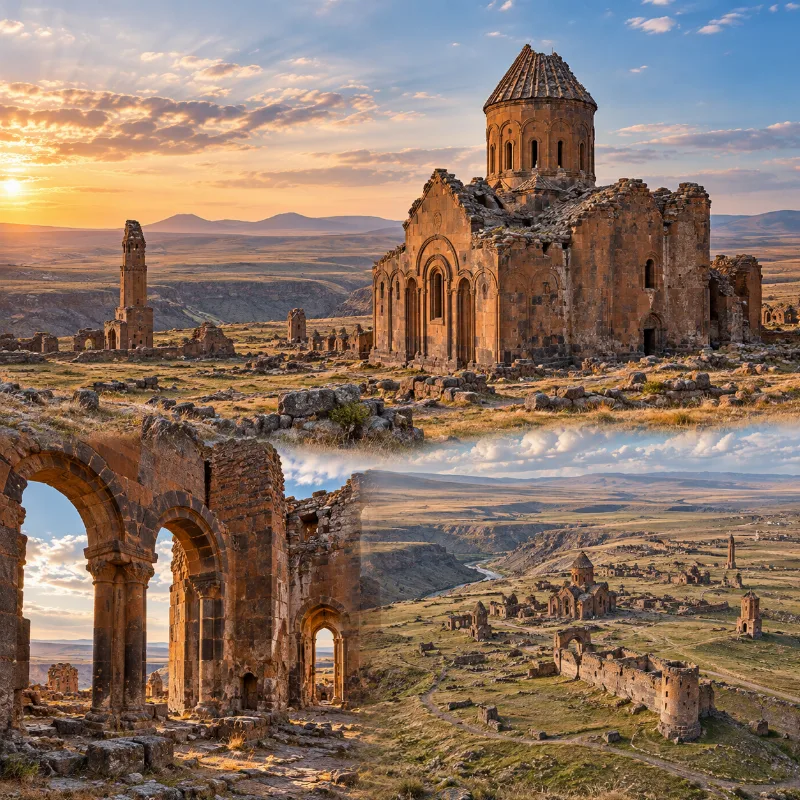
Ancient City of Ani
A medieval archaeological city near the Turkish-Armenian border, with churches, fortifications and monumental stone buildings.
Explore →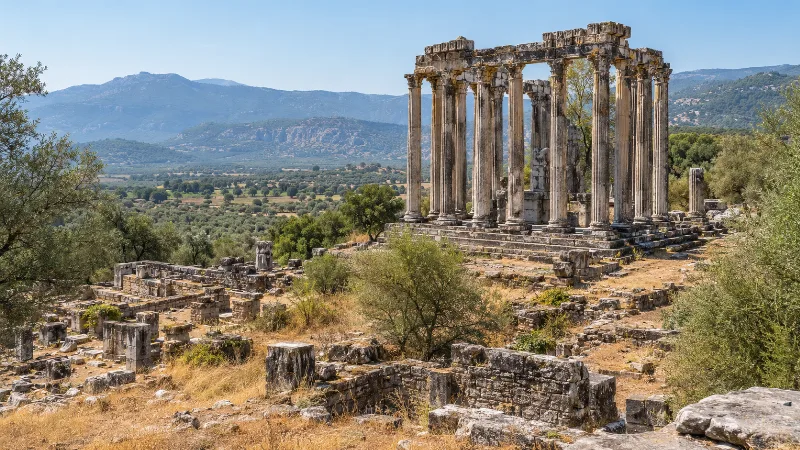
Euromos
Euromos is an ancient Carian city in Muğla Province, Türkiye, whose standing Temple of Zeus Lepsynos is among the best-preserved Roman-period temples in the country. Its theatre, agora, bath and city walls survive on a low hill above the Milas plain.
Explore →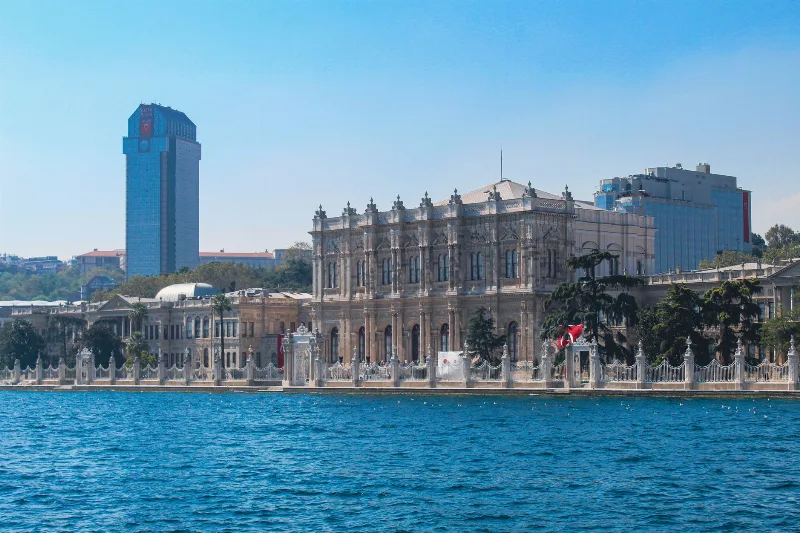
Dolmabahçe Palace
Dolmabahçe Palace is the 19th-century Ottoman palace on the European shore of the Bosphorus in Istanbul, built under Sultan Abdülmecid I as the empire's main administrative centre. It was the sultans' residence in the empire's final decades and the place where Mustafa Kemal Atatürk died in 1938.
Explore →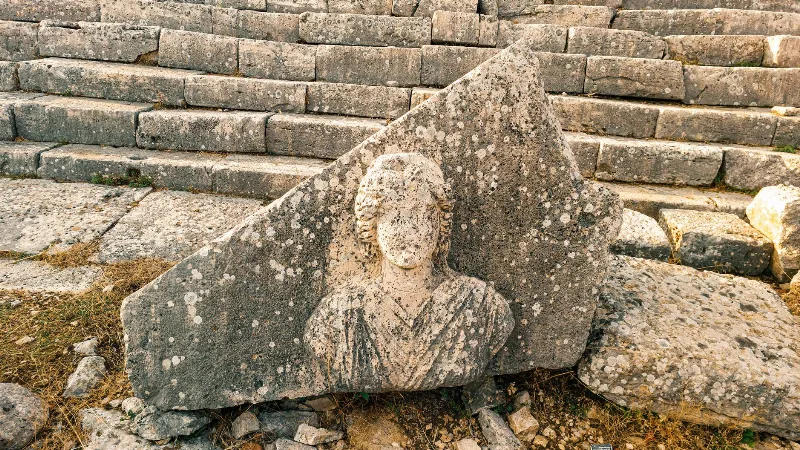
Kibyra
Kibyra is an ancient city on a plateau above Gölhisar in Burdur Province, once the leading city of the Kibyratis. Its theatre, odeon with a Medusa mosaic, and stadium survive in unusual detail.
Explore →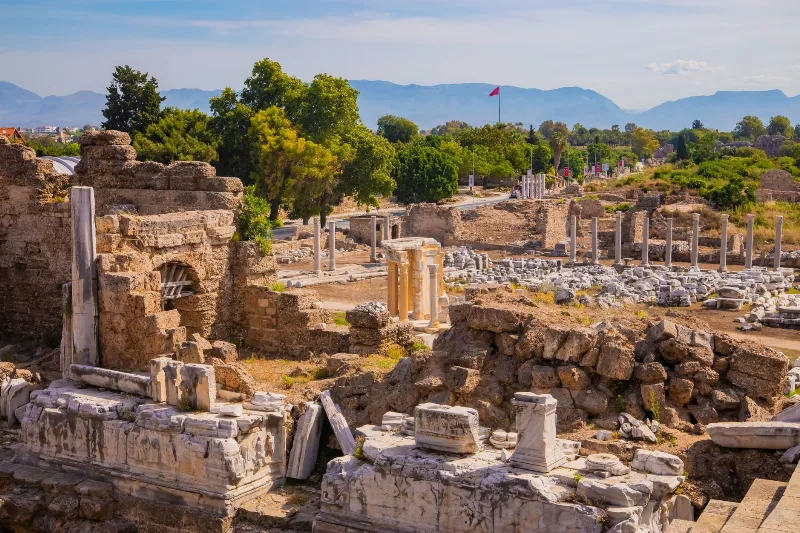
Anemurium
Anemurium is an ancient city on a windswept promontory at Cape Anamur, the southernmost point of Anatolia, in Mersin Province. Its Roman and Byzantine ruins — theatre, baths, walls and a vast necropolis — make it one of the most substantial archaeological sites on Turkey's Mediterranean coast.
Explore →Related content
Datça
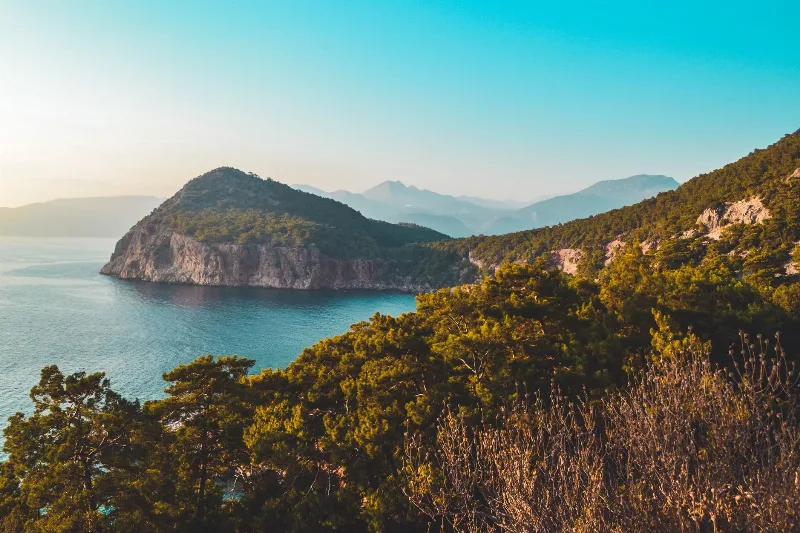
Datça Peninsula offers serene beaches, lush almond groves, and unspoiled beauty, making it a unique getaway in Türkiye.
Muğla
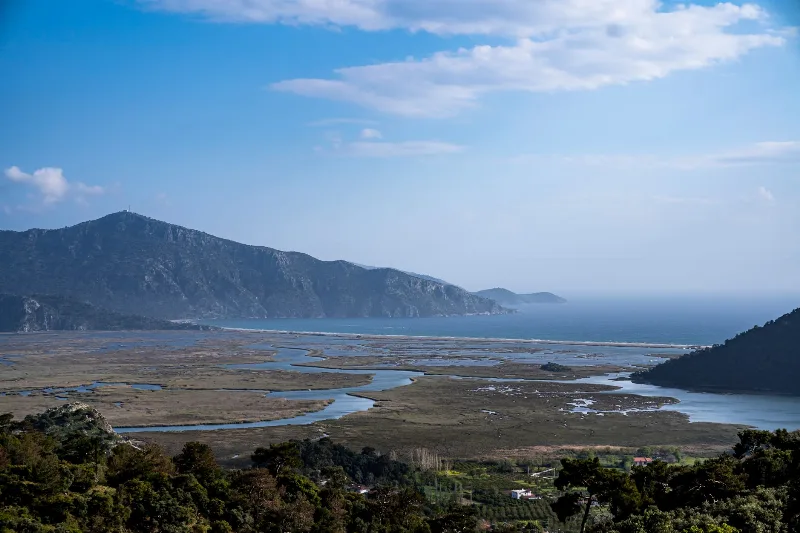
Muğla is a captivating province in southwestern Türkiye, renowned for its stunning Aegean coastline and rich cultural heritage.
Almond Blossom in Datça, Muğla
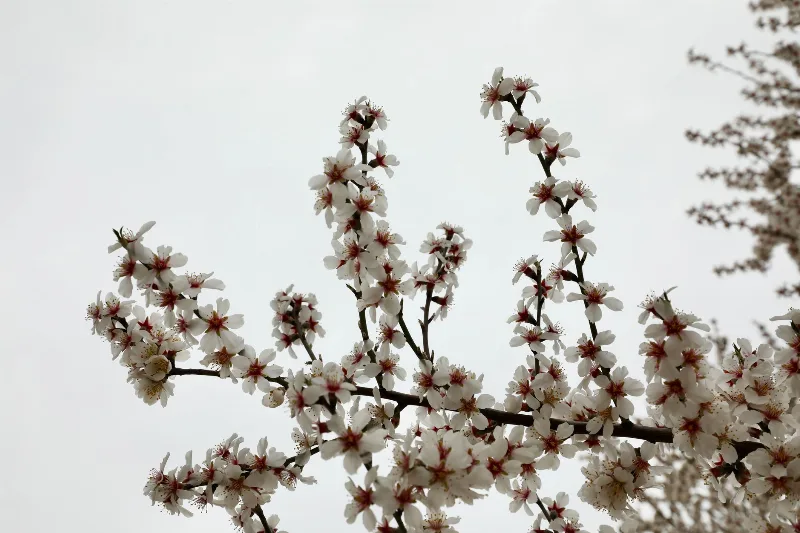
On the Datça Peninsula in Muğla, Türkiye, almond trees flower in late winter, usually across February and March. The brief pink-and-white bloom is the peninsula's earliest and most visible sign that spring is arriving.
Datça Almonds
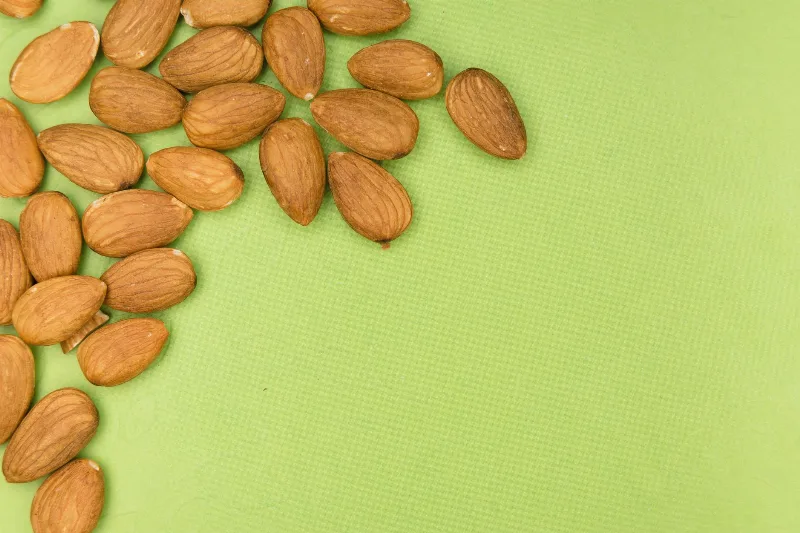
Datça almonds are the almonds grown on the Datça peninsula in Muğla province, southwestern Türkiye, where mild Mediterranean winters, sea air and rocky, well-drained slopes have shaped a local almond-growing tradition centred on sweet, firm kernels.
Datça Almond Orchards and Olive Oil Tradition in Muğla
The Datça peninsula in Muğla pairs a dry, wind-shaped landscape with almond orchards and a long-established olive-oil culture. Its groves, terraces and seasonal harvests reveal a quieter side of the Aegean.
Sailing Adventures in Bodrum
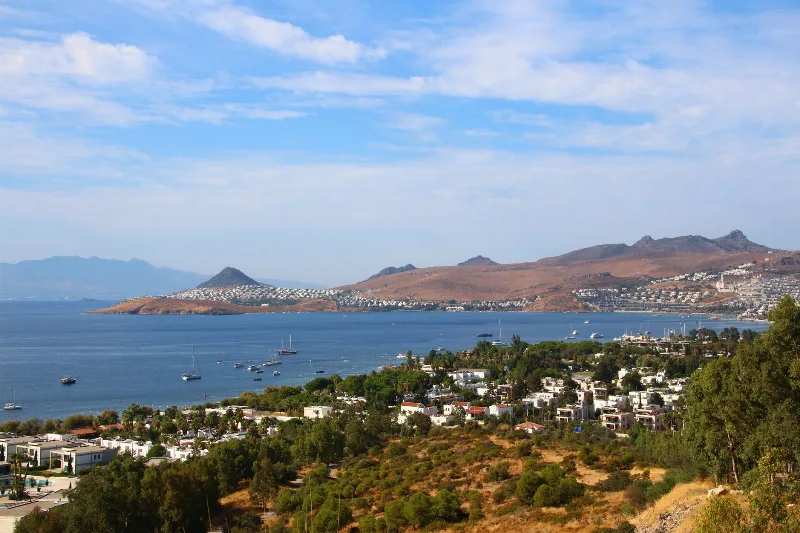
Bodrum's peninsula on the Aegean coast of Türkiye offers sheltered bays, steady summer winds and a coastline shaped by ancient ruins and a long boatbuilding tradition.