
The Local Cuisine of Hatay
STORIES FROM TÜRKİYE
Hatay is a province in southern Türkiye, with Antakya as its cultural heart. The region's cuisine reflects centuries of exchange between Anatolian, Arab, and Levantine cultures. This blend has created a food tradition known for bold spices, fresh produce, and a strong emphasis on sharing meals. Hatay's cuisine is often praised for its depth of flavor and its use of fresh, local ingredients.
A Culinary Crossroads
Hatay sits at the eastern edge of the Mediterranean, near the Syrian border. Its location has made it a meeting point for traders, travelers, and settlers over the centuries. The local food culture shows this history in its use of cumin, paprika, and sumac, as well as in the abundance of olive oil, walnuts, and red peppers.
Antakya's historic markets are filled with ingredients that define the region's cooking. Sun-dried peppers, thyme, and handmade cheeses are sold alongside fresh herbs and spices. The city's long history, from Roman times to the Ottoman era, has left a legacy of diverse flavors that continue to shape its cuisine.
Spiced Kebabs and Street Flavors
Hatay is known for its spicy kebabs, often made with minced meat, bulgur, and a generous amount of red pepper flakes. One example is oruk kebabı, a baked dish of bulgur and meat that is typically served with yogurt and fresh herbs. Another is kâğıt kebabı, where meat and vegetables are cooked in paper, sealing in the juices.
Street food also plays a big role in daily life. Biberli ekmek, a flatbread topped with a spicy paste of red peppers, tomatoes, and herbs, is a common snack. İçli köfte, bulgur shells stuffed with minced meat and walnuts, are another favorite, often enjoyed as a starter or a quick bite.
The Art of Mezze
Mezze is central to Hatay's food culture. Meals often begin with a spread of small dishes, reflecting the region's emphasis on hospitality and sharing. Muhammara, a dip made from red peppers, walnuts, and pomegranate molasses, is a signature. Hummus and babaganoush are also common, but Hatay's versions often include local olive oil and a sprinkle of sumac.
Other mezze include sürk, a fresh cheese flavored with thyme and spices, and tuzlu yoğurt, a salty yogurt dip that balances the heat of the main dishes. Zahter, a mixture of thyme, sesame, and sumac, is served with olive oil and bread. These small plates showcase the region's love for bold, tangy, and spicy flavors.
Sweet Traditions
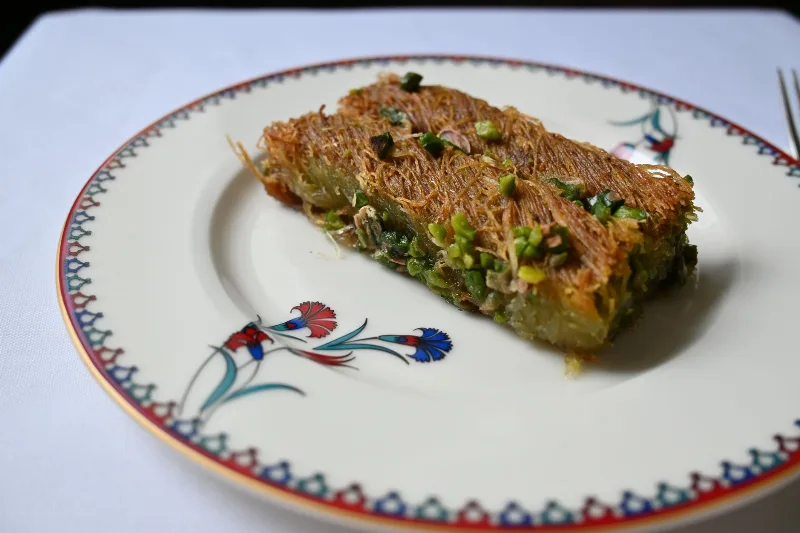
Hatay's most famous dessert is künefe, a warm pastry made with shredded phyllo, soft cheese, and syrup. It is often topped with crushed pistachios and served fresh from the oven. The combination of sweet syrup and salty cheese is a hallmark of the region's dessert tradition.
Another unique sweet is cezerye, made from carrots, sugar, and walnuts. It has a chewy texture and a natural sweetness. These desserts reflect the local ingenuity in using simple ingredients to create distinctive treats.
Local Ingredients and Seasonal Rhythms
Hatay's cuisine is deeply tied to its landscape. The province is known for its olive groves, especially around Samandağ, where olives are pressed into rich, fruity oil. Red peppers are sun-dried and used in many dishes, while walnuts from the surrounding hills add texture to dips and desserts.
Seasonal eating is part of the culture. In spring, wild greens and herbs are gathered and used in salads and pies. Summer brings an abundance of tomatoes, peppers, and eggplants, which are used in mezze and main dishes. Autumn is the time for preserving and drying, ensuring that the flavors of the harvest last through the winter.
The cuisine of Hatay is a living tradition, shaped by its history and geography. It offers a way to understand the region's cultural richness and the generosity of its people. The region's food reflects its history and the importance of hospitality in daily life.
Historic places
Explore history →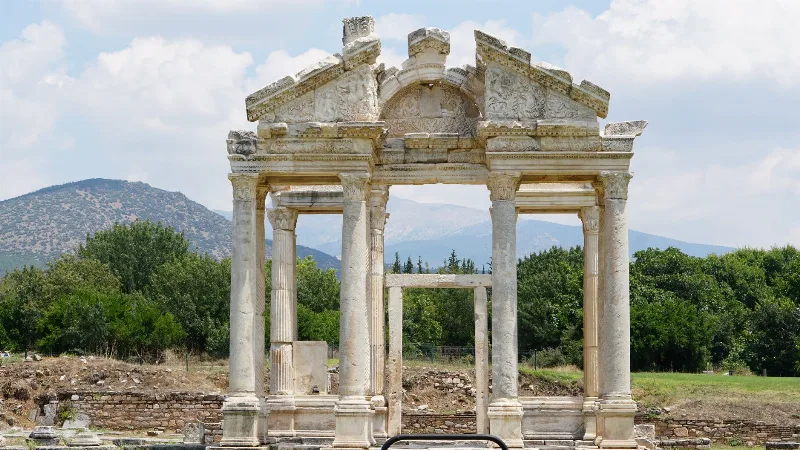
Aphrodisias
Aphrodisias is an ancient city in Aydın Province, Türkiye, built around a sanctuary of Aphrodite and celebrated for its marble sculpture and remarkably intact public buildings. It has been a UNESCO World Heritage Site since 2017.
Explore →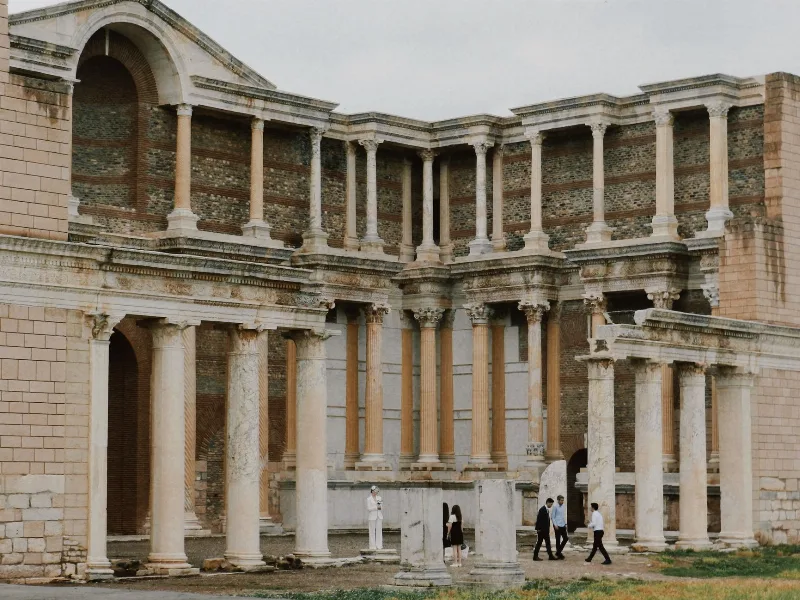
Sardis
Sardis was the Iron Age capital of the Lydian Kingdom in western Anatolia and later a major Roman and Byzantine city. Its surviving monuments include the Temple of Artemis, a vast bath-gymnasium complex and one of the largest ancient synagogues ever found.
Explore →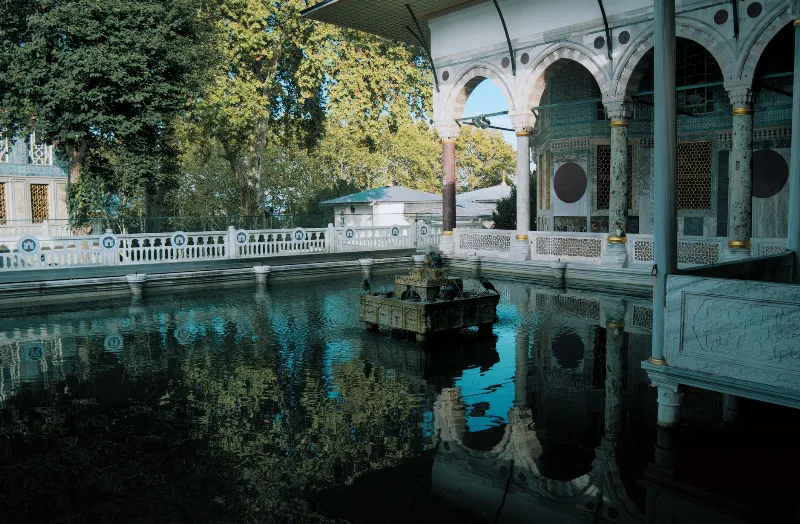
Topkapı Palace
Topkapı Palace on Istanbul's Seraglio Point served as the residence and administrative heart of the Ottoman sultans for nearly four centuries, and today it is a museum displaying its courtyards, opulent interiors and the imperial collections of the Sacred Relics.
Explore →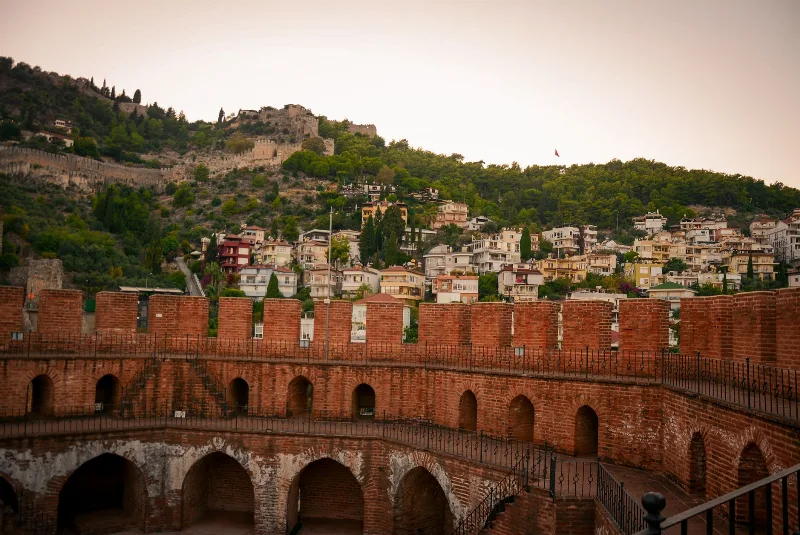
Alanya Castle
Alanya Castle is a medieval fortress on a rocky Mediterranean promontory in Antalya Province, Türkiye, whose surviving defences were largely built under the Seljuk Sultanate of Rum in the 13th century. Its walls, inner citadel, Red Tower and vaulted shipyard form one of the most complete Seljuk military and maritime complexes in Anatolia.
Explore →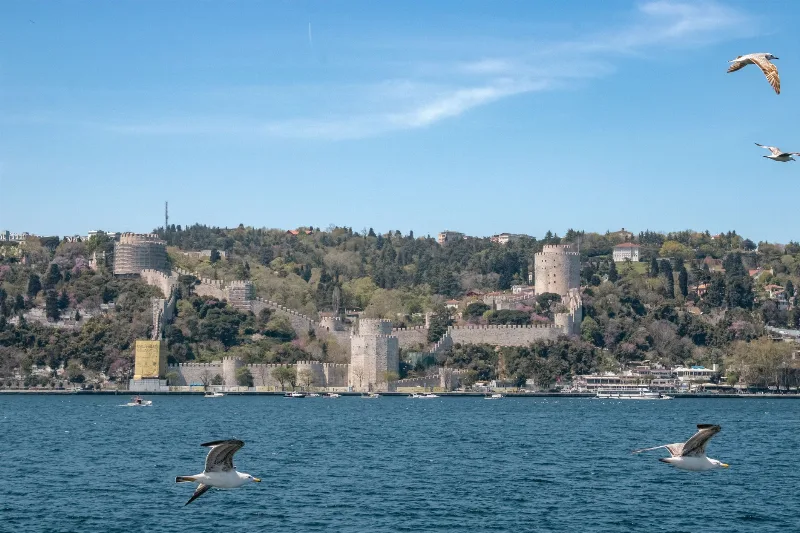
Anadolu Hisarı
Anadolu Hisarı is an Ottoman fortress built by Sultan Bayezid I in 1393–1394 on the Asian shore of the Bosphorus in Istanbul, commanding the narrowest stretch of the strait. Long described as the oldest surviving Ottoman building in the city, it was later reinforced by Mehmed II in preparation for the conquest of Constantinople.
Explore →Related content
Why Turkish Food Changes from Region to Region
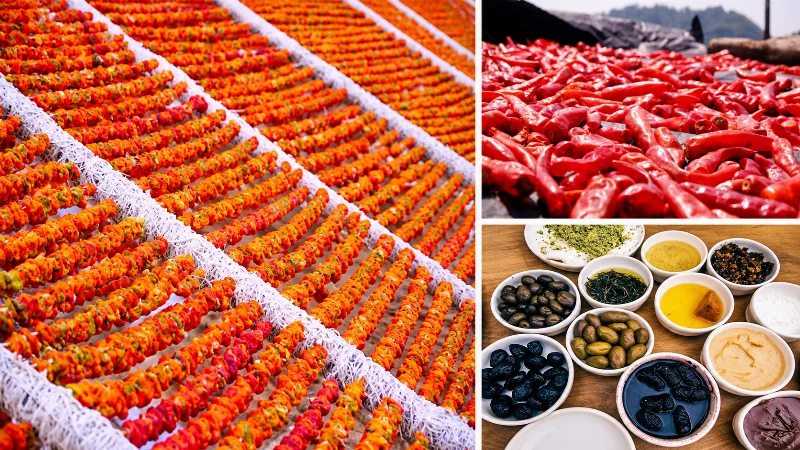
Climate, geography, agriculture and local history shape the ingredients, cooking methods and everyday dishes found across Türkiye. Türkiye’s cuisine is often described as a single national tradition, but food changes considerably from one region to another. Coastal climate, mountain geography, agricultural production, local history and available ingredients all influence what is cooked and how meals are prepared. A dish common on the Black Sea coast may be uncommon in southeastern Türkiye, while ingredients associated with the Aegean can play a much smaller role in the interior. These regional differences form one of the main characteristics of Turkish food culture.
Mediterranean Region
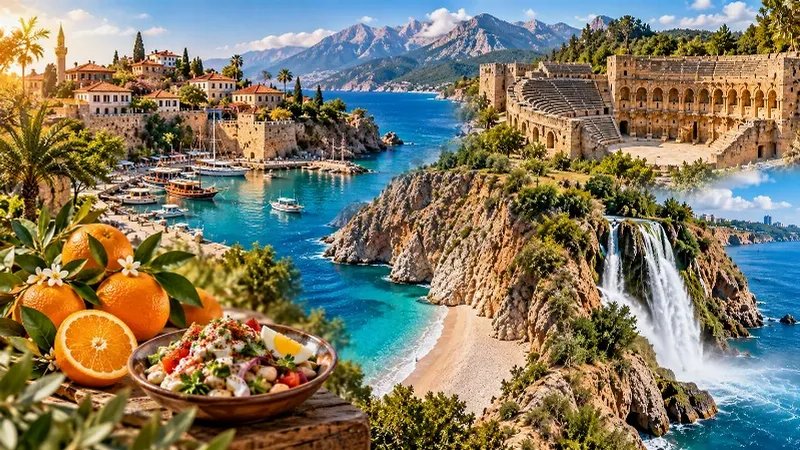
Türkiye's Mediterranean Region combines turquoise coastlines, dramatic mountains, ancient cities and fertile landscapes. From Antalya's beautiful beaches to the historic settlements of the eastern Mediterranean, the region offers a rich blend of natural scenery, cultural heritage and traditional local life.
Traditional Food in Türkiye
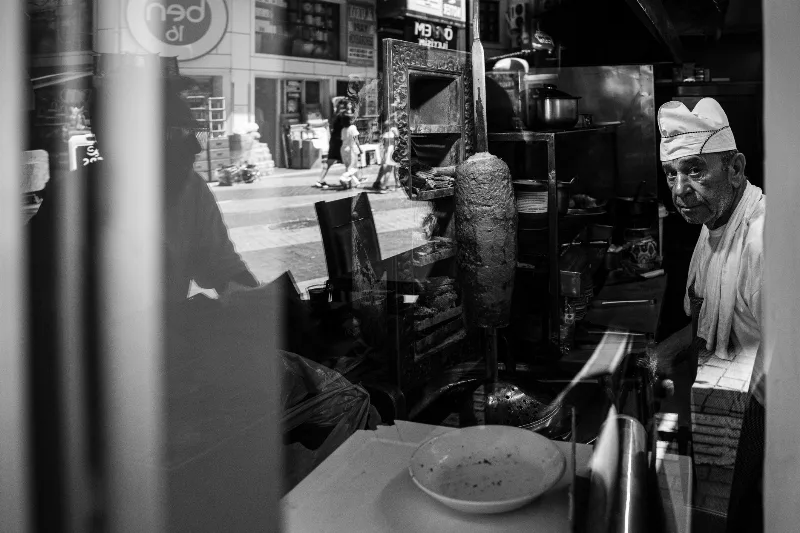
Explore Türkiye's rich culinary landscape, featuring iconic dishes like kebabs and baklava that reflect its diverse cultural heritage.
Hatay Bay Leaves
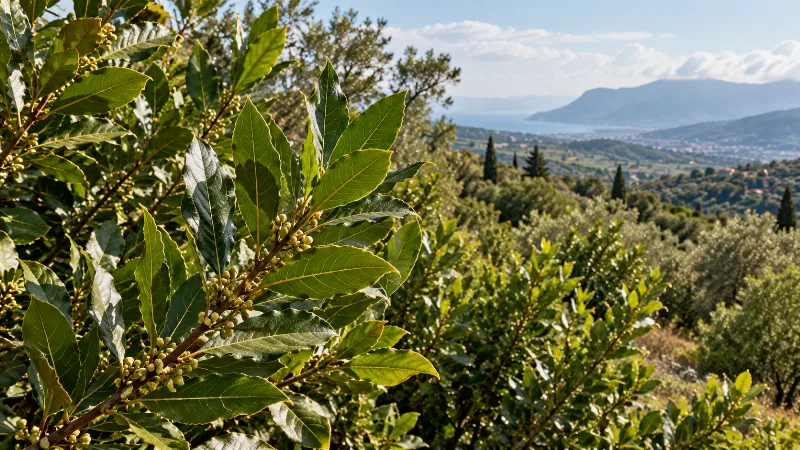
Hatay bay leaves are the aromatic leaves of the bay laurel tree, gathered across Türkiye's southernmost Mediterranean province. The region's mild, rainy winters, limestone slopes and evergreen scrub give the crop a natural home.
Harbiye Waterfalls and Daphne Springs in Hatay
In the green valley of Harbiye, south of Antakya, spring water spills through shaded gardens and laurel groves that were once part of the ancient sanctuary of Daphne.
Künefe
Künefe is a hot, syrup-soaked dessert made from finely shredded kadayıf pastry wrapped around a mild, stretchy cheese, most closely associated with Hatay and the city of Antakya in southern Türkiye.