
Hatay Bay Leaves
Hatay bay leaves are the aromatic leaves of the bay laurel tree, gathered across Türkiye's southernmost Mediterranean province. The region's mild, rainy winters, limestone slopes and evergreen scrub give the crop a natural home.
Hatay bay leaves are the aromatic leaves of the bay laurel, Laurus nobilis, an evergreen tree of the Mediterranean basin that grows abundantly in Hatay Province at the southern end of Türkiye. The province reaches the Mediterranean at the Gulf of İskenderun and shares a border with Syria, and it is one of the country's most important sources of bay leaf. What ties Hatay to this crop is not a single plantation or a single named variety but an entire environment: mild, rainy winters, long dry summers, rocky limestone ground and wide stretches of evergreen scrub. Those conditions suit the bay laurel better than almost anything else that could be grown in its place.
What the Bay Laurel Tree Actually Is
Bay laurel belongs to the laurel family and usually grows as a large shrub or a small tree, often reaching between two and ten metres depending on how it is cut back and how much room it is given. Its leaves are leathery, lance-shaped and glossy dark green on the upper surface with a paler underside, and they stay on the plant through the year. The tree is dioecious, meaning male and female flowers sit on separate plants. The flowers themselves are small and pale yellow-green and open in spring, while female trees carry dark, oval berries that ripen towards autumn. It is the leaf rather than the fruit that is harvested, and the same leaf can be picked from the same tree in different seasons without killing it.
The Scrub and Hillsides Where It Grows
In Hatay, bay laurel is part of the maquis, the dense low woodland of evergreen shrubs that covers so much of the Mediterranean coast. It appears on the lower slopes and in the gullies of the Amanos Mountains, known in Turkish as the Nur Dağları, which run north to south through the province and separate the coastal plain from the interior. It is also found around the districts of Samandağ, Yayladağı, Harbiye, Dörtyol and Erzin, and on the slopes above İskenderun. Much of what is collected comes from wild or semi-wild stands rather than from planted orchards, which is one reason the harvest is closely tied to the natural vegetation of the province.
Why the Hatay Climate Suits Bay Laurel
Hatay sits at the eastern edge of the Mediterranean climatic zone, with hot, dry summers and cool, wet winters. The Amanos range catches moist air arriving from the sea, so the province receives more rain than much of the surrounding region and the seaward slopes stay green for longer. Bay laurel tolerates summer drought well because its thick, waxy leaves limit water loss, but it dislikes hard, prolonged frost, and Hatay's mild winters allow it to grow close to the coast without protection. Well-drained, rocky and often limestone-rich ground also suits the tree, which does poorly in heavy, waterlogged soils. The combination of reliable winter moisture, dry summers and open, stony terrain is what makes the province so productive for the crop.
Harvesting Bay Leaves in Hatay
Because the tree is evergreen, leaves can be taken at almost any time of year, but the main gathering period runs through the cooler months, roughly from autumn into spring. Traditionally, branches are cut by hand rather than individual leaves being plucked, and the foliage is then stripped from the stems. Cutting branches encourages bushy regrowth, so a well-managed stand can be worked again in later seasons. Harvesting is often a family activity in the villages of the province, carried out alongside olive growing and other Mediterranean crops, and it depends on access to wild stands in the hills as much as on cultivated land.
Drying, Sorting and Storage
Fresh bay leaves are dried soon after cutting, usually in shade and with good air movement so that the leaves keep their colour and aroma instead of turning brittle and dull. The dried leaves are then sorted by size and condition, with whole, unbroken leaves valued more highly than fragments. Whole leaves are also easier to store, since crushing releases the volatile oils that give the leaf its scent. Kept dry and away from light, dried bay leaves hold their fragrance for a considerable time, which is part of why the product travels so well from a rural province to kitchens far away.
Aroma and Character of Hatay Bay Leaf
The scent of Laurus nobilis is warm and herbal, with a slightly sweet, floral edge and faint suggestions of eucalyptus, clove and pine. It is noticeably gentler than the leaf of the Californian bay, a different species with a harsher, more medicinal character. Turkish bay leaf in general is prized for this mildness: it perfumes a dish without dominating it. Leaves from Hatay tend to be relatively broad and thick, a shape that reflects the growing conditions in the province's warm, moist coastal hills.
How the Leaves Are Used
In Hatay and across Türkiye, bay leaves are dropped whole into slow-cooked stews, bean and lentil dishes, soups, rice and fish, and they are common in pickles and in jars of preserved vegetables where they add aroma over months of storage. They are usually removed before serving. Beyond the kitchen, bay leaf has long been used in home practice as a mild infusion, taken for digestion or as a warming drink in cold weather, and the leaves have been burned or steeped for their scent. These uses stay secondary to the leaf's main role as a cooking herb, but they help explain how deeply the plant is woven into daily life in the region.
Bay Leaf and Rural Life in Hatay
Türkiye is one of the world's leading sources of bay leaf, and much of that leaf is collected in the scrub and hills of the Mediterranean provinces rather than grown on formally planted estates. For Hatay, this makes bay a crop of the landscape itself: it rewards households that know the hillsides and the right season, and it provides income from ground that would be difficult to farm in any other way. Gathering, drying and sorting are labour that can be fitted around other agricultural work, which is why bay leaf has remained part of village life in the province even as other crops have shifted.
Where Else Bay Laurel Grows in Türkiye
Bay laurel is not confined to Hatay. It appears along much of Türkiye's Mediterranean and Aegean coast, including parts of Antalya, Mersin, Muğla, Aydın and İzmir, wherever mild winters and Mediterranean scrub allow it to establish. The same species grows naturally around much of the Mediterranean basin, from Greece and Italy to North Africa. What distinguishes Hatay is the density of its wild stands, the province's position at the humid eastern end of the sea, and a long tradition of gathering and drying the leaf. Taken together, these factors have made the province one of the places most closely identified with Turkish bay leaf.
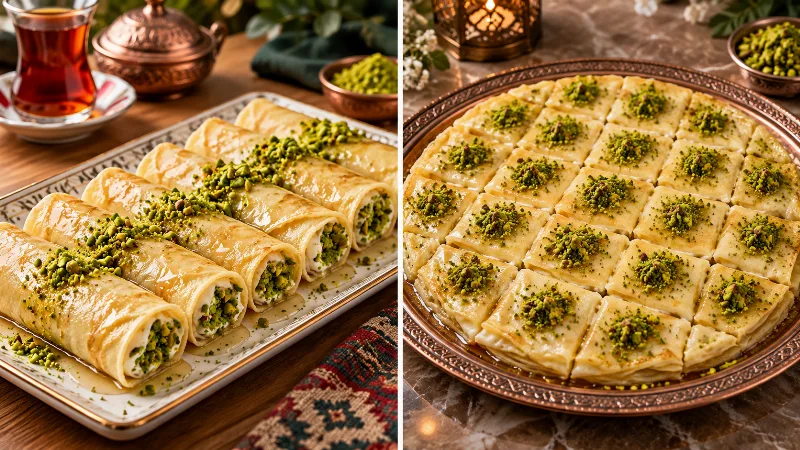
Şıllık Tatlısı
A traditional Şanlıurfa dessert made with thin pancakes, walnuts and sweet syrup.
Explore →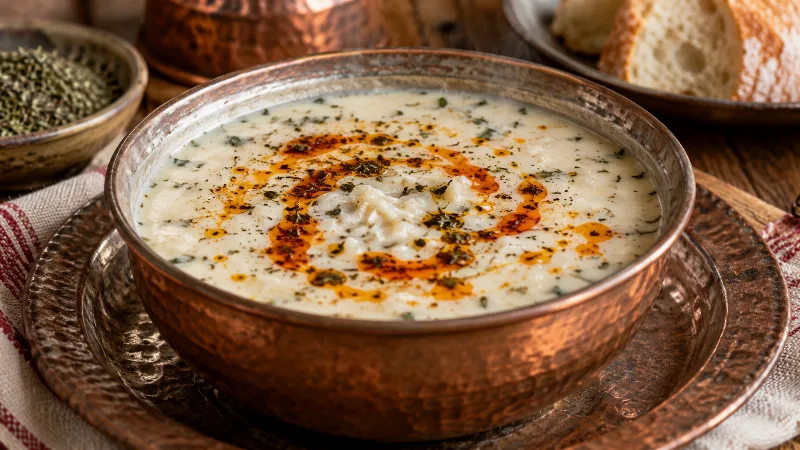
Yayla Çorbası
Yayla Çorbası is a Turkish soup built on yogurt and rice, thickened gently with egg and flour and finished with a sizzle of butter poured over dried mint. It is eaten warm or at room temperature and appears on tables from home kitchens to everyday restaurants across the country.
Explore →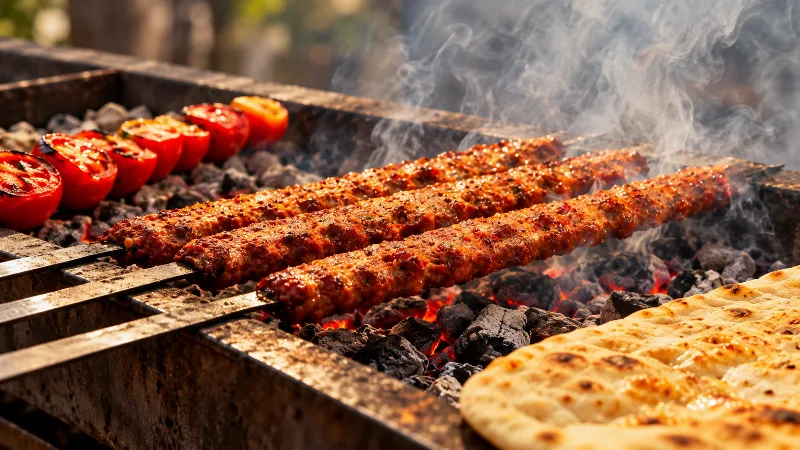
Adana Kebabı
Adana kebabı is a spicy minced-lamb kebab from the southern Turkish city of Adana, moulded onto wide flat skewers and grilled over charcoal. Its heat, its hand-chopped meat and its distinctive flat skewer set it apart from other Turkish kebabs.
Explore →Related content
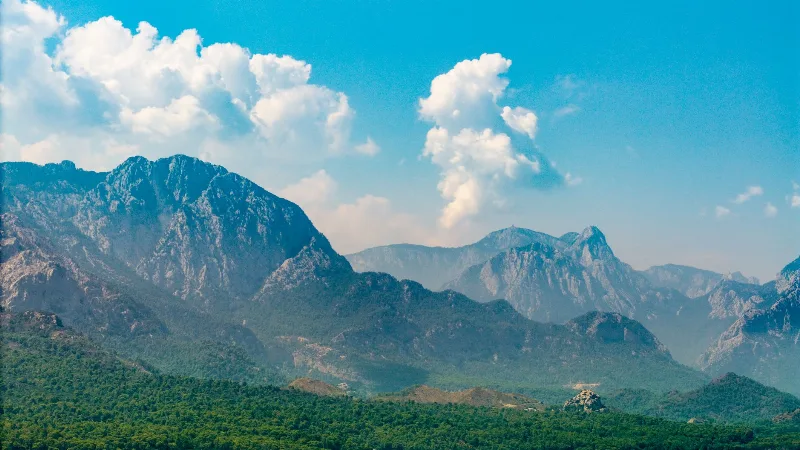
Antalya
Antalya offers a unique blend of vibrant history and stunning natural beauty, making it a must-visit destination in Türkiye.
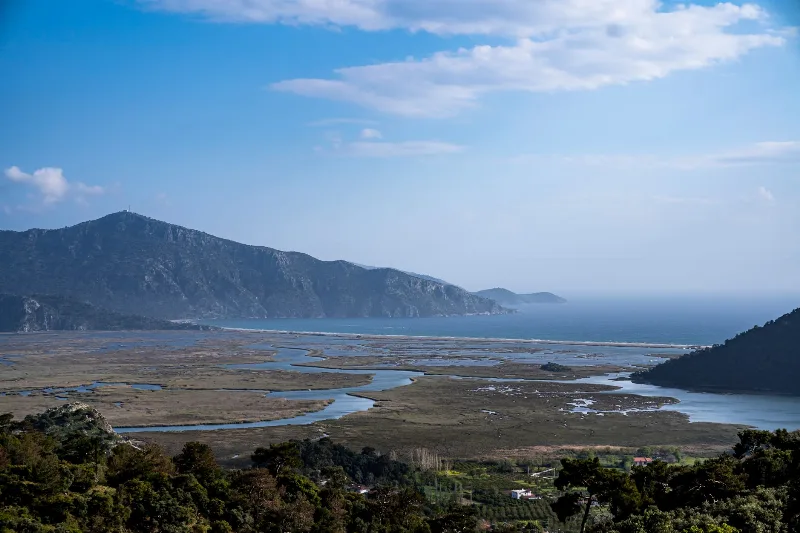
Muğla
Muğla is a captivating province in southwestern Türkiye, renowned for its stunning Aegean coastline and rich cultural heritage.

Aydın
Aydın is the inland capital of Aydın Province in Türkiye's Aegean region, recognised for its fig production and its position between the fertile Büyük Menderes valley, the coastal district of Kuşadası and several major ancient sites.
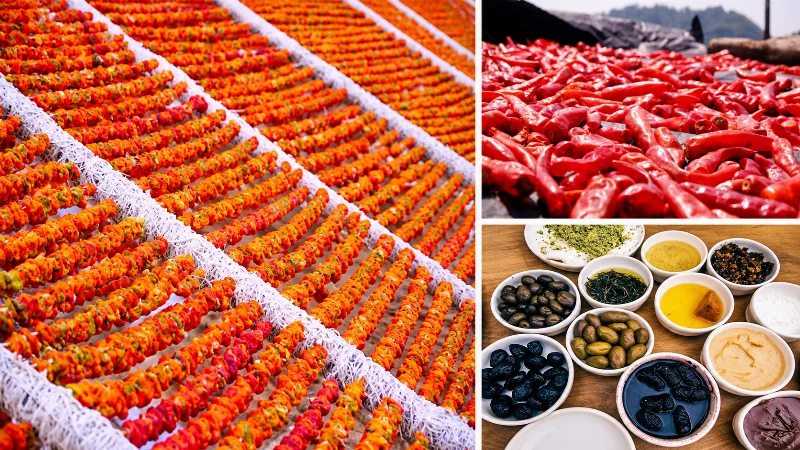
Why Turkish Food Changes from Region to Region
Climate, geography, agriculture and local history shape the ingredients, cooking methods and everyday dishes found across Türkiye. Türkiye’s cuisine is often described as a single national tradition, but food changes considerably from one region to another. Coastal climate, mountain geography, agricultural production, local history and available ingredients all influence what is cooked and how meals are prepared. A dish common on the Black Sea coast may be uncommon in southeastern Türkiye, while ingredients associated with the Aegean can play a much smaller role in the interior. These regional differences form one of the main characteristics of Turkish food culture.
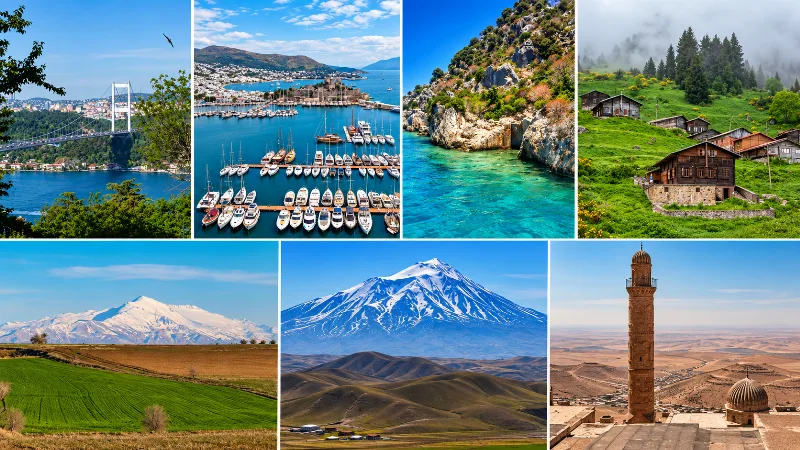
The Seven Geographical Regions of Turkey
An introduction to Turkey’s seven geographical regions and the landscapes, climates and cultural characteristics that distinguish them.

Mediterranean Region
Türkiye's Mediterranean Region combines turquoise coastlines, dramatic mountains, ancient cities and fertile landscapes. From Antalya's beautiful beaches to the historic settlements of the eastern Mediterranean, the region offers a rich blend of natural scenery, cultural heritage and traditional local life.