
Yayla Çorbası
Yayla Çorbası is a Turkish soup built on yogurt and rice, thickened gently with egg and flour and finished with a sizzle of butter poured over dried mint. It is eaten warm or at room temperature and appears on tables from home kitchens to everyday restaurants across the country.
Yayla Çorbası is a Turkish soup in which yogurt is the defining ingredient. Rice is cooked until soft in water or stock, then combined with a tempered yogurt mixture, usually bound with egg yolk and a little flour, and the finished soup is crowned with butter that has been melted until it foams and poured over dried mint. The result is a pale, creamy bowl with a clean dairy tang, a faintly sweet grain base and a herbal, buttery aroma rising from the surface. It belongs to the broad family of Turkish yogurt soups rather than to any single province, and it is found throughout Anatolia, though it is especially associated with yogurt-making regions where dairy is a daily staple.
What Yayla Çorbası Actually Is
The name translates roughly as "highland soup" or "plateau soup," a reference to the yayla, the summer pastures where herds are taken and where yogurt and other dairy products have long been made. The name points to the soup's dairy foundation rather than to a precise birthplace. It is not a single recipe guarded by one city but a widely shared preparation that each household and region adjusts to its own taste.
What holds the dish together is the relationship between two elements: a cooked grain base and an acidulated dairy base that must be heated without splitting. Everything else — the mint, the butter, optional chickpeas or small pasta — is a variation on that core.
Main Ingredients
The essential components are plain yogurt, rice, egg yolk, a small amount of flour, water or stock, butter, dried mint and salt. Rice is the most common grain, but fine noodles or cracked wheat appear in some kitchens. The egg yolk and flour act as a stabiliser, allowing the yogurt to be heated without curdling. Dried mint is the characteristic finishing aromatic; fresh mint is used in some versions, particularly in summer. Some cooks add chickpeas, giving the soup more body, and a few add a spoonful of cooked wheat or a little olive oil in place of part of the butter.
How It Is Traditionally Prepared
The preparation follows a consistent logic even though quantities vary from kitchen to kitchen. The rice is simmered in water or stock until it is tender and has released some starch into the liquid. Separately, yogurt is whisked with egg yolk and flour until completely smooth, then warmed slowly and combined with a little of the hot cooking liquid to equalise temperatures — the step that keeps the soup from breaking. This tempered mixture is stirred back into the pot and heated gently, never boiled hard, until the soup thickens slightly.
The final touch is the butter sauce. Butter is melted in a small pan until it sizzles, dried mint is added briefly, and the mixture is poured over the soup just before serving. Some cooks add a pinch of paprika or pul biber to the butter for colour. The soup is not blended; the rice stays visible, suspended in the pale liquid.
Texture, Flavour and Appearance
Yayla Çorbası is light rather than heavy. The texture sits between a broth and a thin cream soup, with soft grains of rice giving it substance. The flavour is dominated by yogurt: tangy, slightly sour and cooling, softened by the egg and flour so it never tastes sharp. Dried mint contributes a dry, almost tea-like herbal note, and the butter adds richness and a warm aroma that floats on the surface. Visually it is off-white to pale ivory, speckled with green from the mint and glistening where the butter pools.
How and When It Is Served
It is most often served as a first course, in individual bowls, warm rather than scalding. Because yogurt soups are refreshing, Yayla Çorbası is also eaten at room temperature or lightly chilled in hot weather, which makes it a common summer dish in many households. It appears frequently during Ramadan, where a light, warming soup is a traditional way to open the fast, and it is a regular presence at everyday family meals and in casual restaurants alongside rice dishes and vegetable plates. A dusting of extra dried mint or a few whole mint leaves often goes on top at the table.
Regional and Household Variations
Variation in this soup is genuine and widespread, and no single version can reasonably be called the only authentic one. The most common distinctions concern the grain: rice in some homes, small soup noodles in others, and chickpeas in versions known simply as nohutlu yogurt soup. Some cooks thicken with a pure yogurt-and-flour mixture and skip the egg, while others rely on egg yolk alone. The butter sauce may be plain, minted, or spiced with red pepper flakes. In some eastern and central Anatolian kitchens the soup is served with a squeeze of lemon or a few drops of vinegar to sharpen the dairy flavour.
The dish is closely related to other Turkish yogurt soups such as Yoğurt Çorbası, which is often built on chickpeas and lacks the rice element, and to Ayran Aşı, a cooler, more diluted yogurt soup with grains and herbs. It is distinct from tarhana, which is based on fermented dried dough rather than fresh yogurt, and from flour-thickened soups such as düğün çorbası, which use a different base entirely. The shared trait across the yogurt group is the tempered dairy technique, and Yayla Çorbası is one of the clearest examples of how that technique works.
Why the Dish Matters
Yayla Çorbası reflects a broader pattern in Turkish cooking in which yogurt is treated as a cooking ingredient rather than only a condiment. It also shows how a simple combination — grain, dairy, butter and a dried herb — can carry regional identity without being tied to one place. Its name keeps a link to the highland pastures and the dairy culture that shaped it, while its everyday presence on tables across the country keeps it practical, seasonal and adaptable.
Related content

Uzungöl and Surrounding Nature
Uzungöl is a forest-fringed mountain lake in Trabzon province, where the green highlands of Türkiye's Black Sea region meet mist, timber villages and quiet valleys.
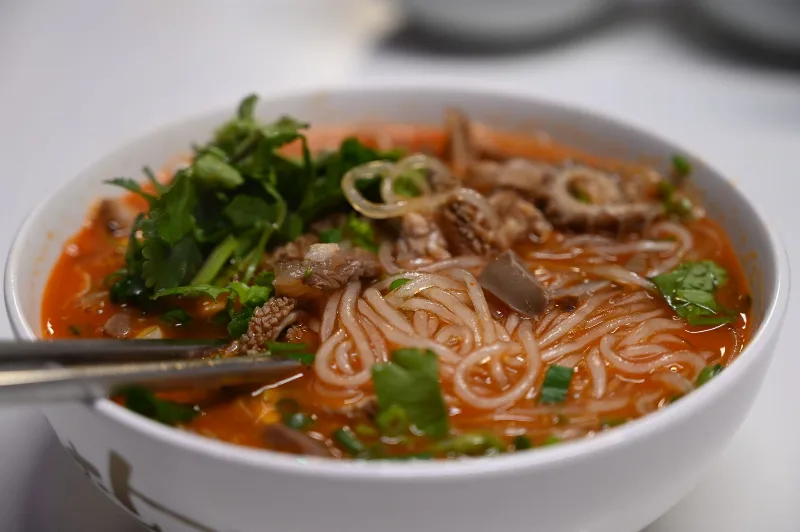
İşkembe Çorbası
İşkembe Çorbası is a traditional Turkish tripe soup flavored with garlic, vinegar, and red pepper. Often consumed late at night as a hangover cure, it is a staple of Turkish street food culture.
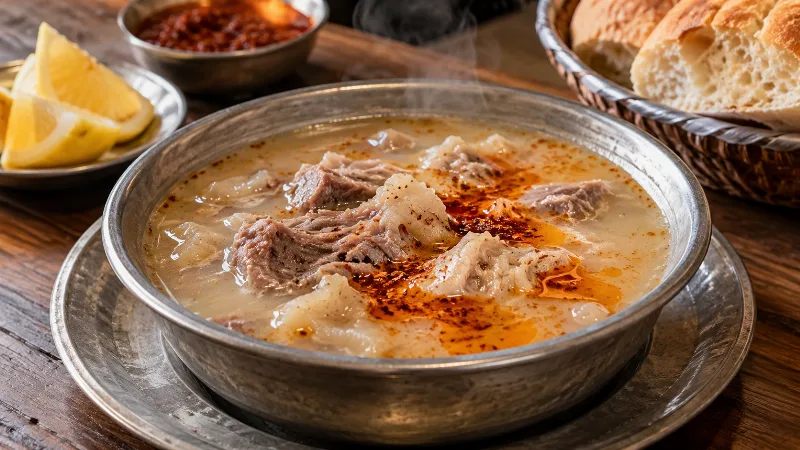
Kelle Paça Çorbası
Kelle Paça Çorbası is a traditional Turkish soup made from sheep's head and feet, known for its thick, gelatinous texture and restorative qualities. It is especially popular in Eastern and Southeastern Anatolia and is commonly eaten for breakfast or as a late-night meal.
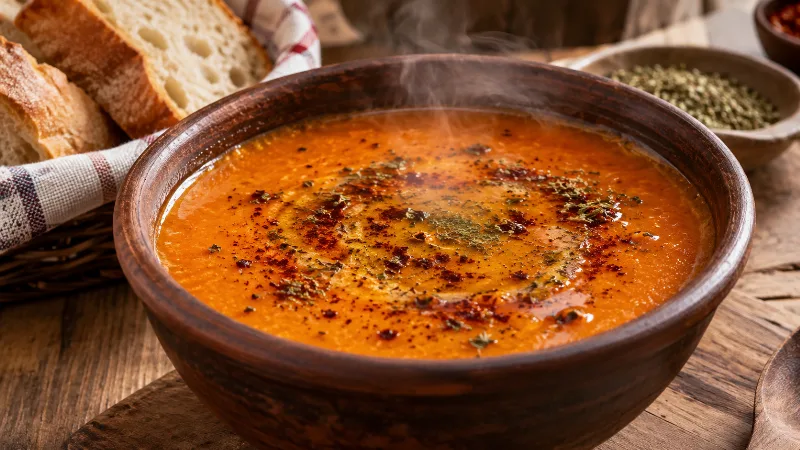
Tarhana Çorbası
Tarhana Çorbası is a traditional Anatolian soup made from a sun-dried, fermented mixture of wheat, yogurt and vegetables, cooked into a warm, tangy broth.
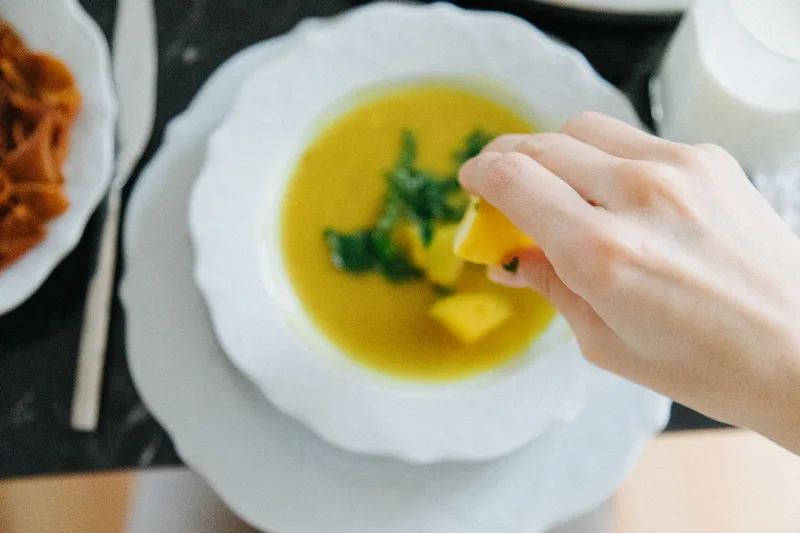
Ezogelin Çorbası
A thick Turkish lentil soup of red lentils, bulgur and rice, flavoured with dried mint and tomato paste and named after the folk figure Ezo Gelin.

Gito
Gito Yaylası is a seasonal highland settlement in the Çamlıhemşin district of Rize, set in the Kaçkar Mountains above the Black Sea valleys and known for its wooden yayla houses, open meadows and summer pasture life.