
The Tea Gardens of the Black Sea Region
STORIES FROM TÜRKİYE
The Black Sea region of Türkiye is known for its lush green landscapes, high rainfall, and misty mountains. Among these hills, particularly around the city of Rize, lie extensive tea gardens that produce the country's much-loved black tea. These gardens are not just agricultural spaces; they are part of the region's identity and offer visitors a window into local tea culture.
Where Tea Grows in the Black Sea Region
Tea cultivation in Türkiye is concentrated along the eastern Black Sea coast, from the province of Rize to parts of Trabzon and Artvin. The humid, mild climate and frequent rain create ideal conditions for the tea plant, Camellia sinensis. The steep slopes and terraced fields are covered with bright green tea bushes, creating a distinctive landscape that changes with the seasons.
The town of Çayeli, whose name is associated with tea, is one of many settlements where tea farming is a way of life. Other areas like Of, İkizdere, and Ardeşen also have significant tea gardens. The proximity to the sea and the protection of the Kaçkar Mountains influence the local microclimate, allowing tea to thrive where other crops might struggle.
A Landscape Shaped by Tea
Tea bushes are planted in neat rows along the hillsides, often on terraces that follow the contours of the land. In spring, the first flush of new leaves appears, and the gardens are dotted with the bright green of fresh growth. Harvesting typically begins in May and continues through the summer, with pickers moving through the fields to collect the top two leaves and a bud. The harvest may occur several times during the season, with each picking yielding leaves with slightly different characteristics.
The tea gardens are interspersed with other vegetation, including hazelnut trees and native shrubs. The interplay of tea and forest creates a patchwork of green that is especially vivid after rain. The region's high humidity often leaves a soft mist over the gardens, adding to the serene atmosphere.
From Leaf to Glass
After harvesting, tea leaves are transported to processing facilities where they undergo withering, rolling, oxidation, and drying. These steps transform the fresh green leaves into the dark, aromatic black tea that is familiar across Türkiye. The process is carefully monitored to ensure the distinctive flavor and color that Turkish tea is known for. The resulting tea is robust and is often served strong, in small glasses, as a sign of welcome.
The final product is usually sold as loose tea, which is then brewed using a double teapot called a çaydanlık. The upper pot holds the strong tea concentrate, while the lower pot holds hot water. This method allows each person to adjust the strength of their tea by blending the concentrate with water.
Tea Culture and Local Life
Tea is central to social life in Türkiye, and the Black Sea region is no exception. Offering a glass of tea is a common gesture of hospitality, whether in a home, a workplace, or a village gathering. The tea is served in small, tulip-shaped glasses that show off the rich amber color of the brew.
In Rize and surrounding areas, tea is often accompanied by conversation and local sweets. The rhythm of daily life in many villages revolves around the tea harvest, and generations of families have worked the same gardens. Tea also features in local festivals and celebrations, reinforcing its cultural importance.
Experiencing the Tea Gardens
Visitors to the Black Sea region can observe tea gardens throughout the countryside. Many roads wind through the hills, offering views of the terraced fields and the chance to see tea picking in progress during the harvest season. The contrast between the vivid green tea bushes and the deep blue of the Black Sea creates memorable scenery. The gardens are particularly vibrant from late spring to early autumn, when the bushes are dense and green.
Some tea gardens are located near historic sites, such as the Zilkale Castle in Çamlıhemşin or the Ayder Plateau, where the cool mountain air provides a different perspective on the region. Walking along the quiet paths between the tea bushes allows visitors to appreciate the care that goes into cultivating this crop. The mild climate means that the gardens remain green for much of the year, even when other crops have been harvested.
The tea gardens of the Black Sea region are a living part of Türkiye's agricultural heritage. They reflect the connection between people, land, and tradition, and they invite travelers to slow down and enjoy a simple glass of tea amid the greenery. For anyone interested in agriculture or local traditions, the tea gardens offer a quiet and authentic experience.
Historic places
Explore history →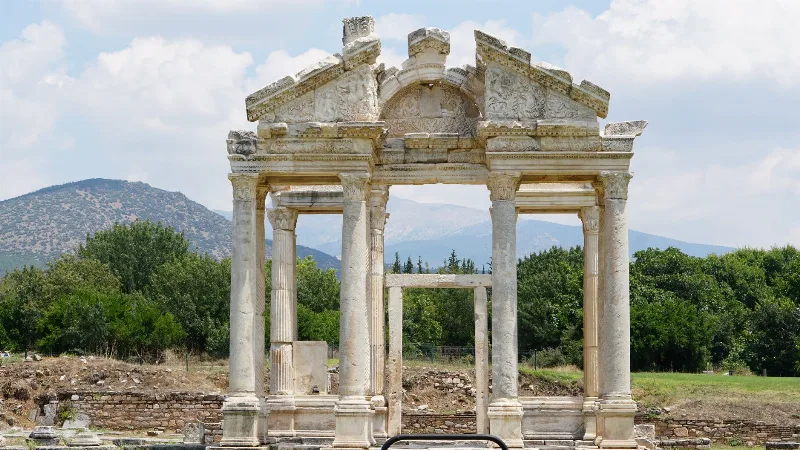
Aphrodisias
Aphrodisias is an ancient city in Aydın Province, Türkiye, built around a sanctuary of Aphrodite and celebrated for its marble sculpture and remarkably intact public buildings. It has been a UNESCO World Heritage Site since 2017.
Explore →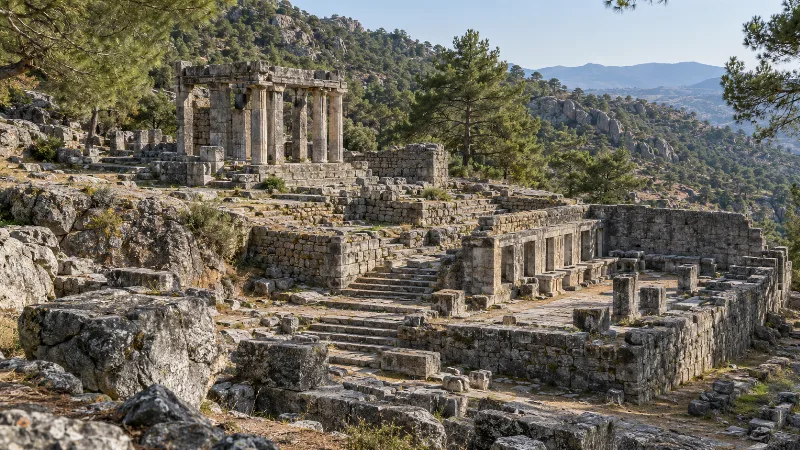
Labranda: The Ancient Carian Sanctuary of Zeus Labraundos
Labranda is an ancient Carian sanctuary of Zeus Labraundos in the hills north-east of Milas, Muğla Province, whose temples, banqueting halls and processional way were largely built in the 4th century BC under the Hekatomnid dynasty.
Explore →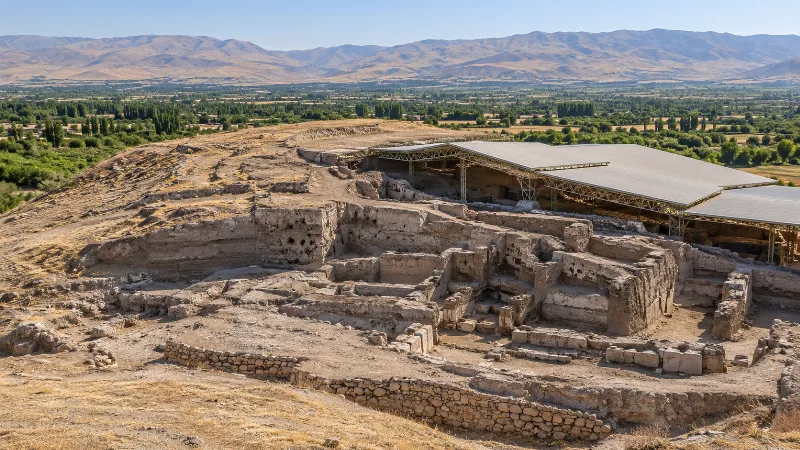
Arslantepe
Arslantepe is a deep archaeological mound on the Malatya plain in eastern Türkiye, where a Late Chalcolithic palace documents the rise of a centralised state and later Neo-Hittite rulers carved lions for its gates. It became a UNESCO World Heritage Site in 2021.
Explore →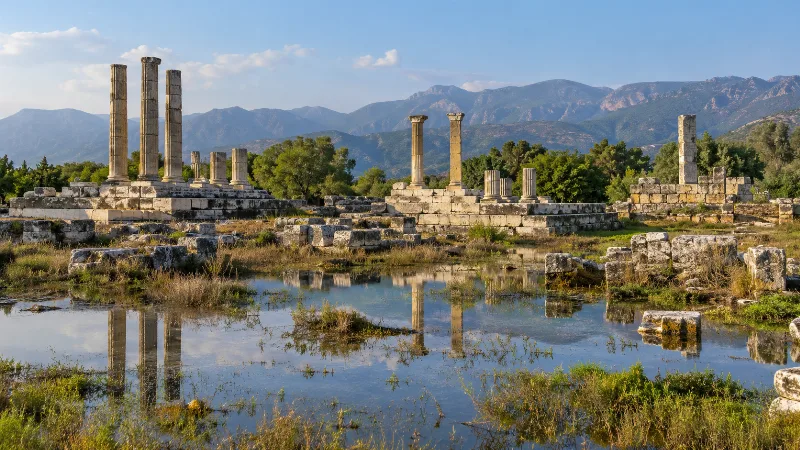
Letoon
Letoon is the ancient Lycian sanctuary of Leto near Xanthos in Muğla Province, home to three temples and the trilingual inscription that helped decipher the Lycian language.
Explore →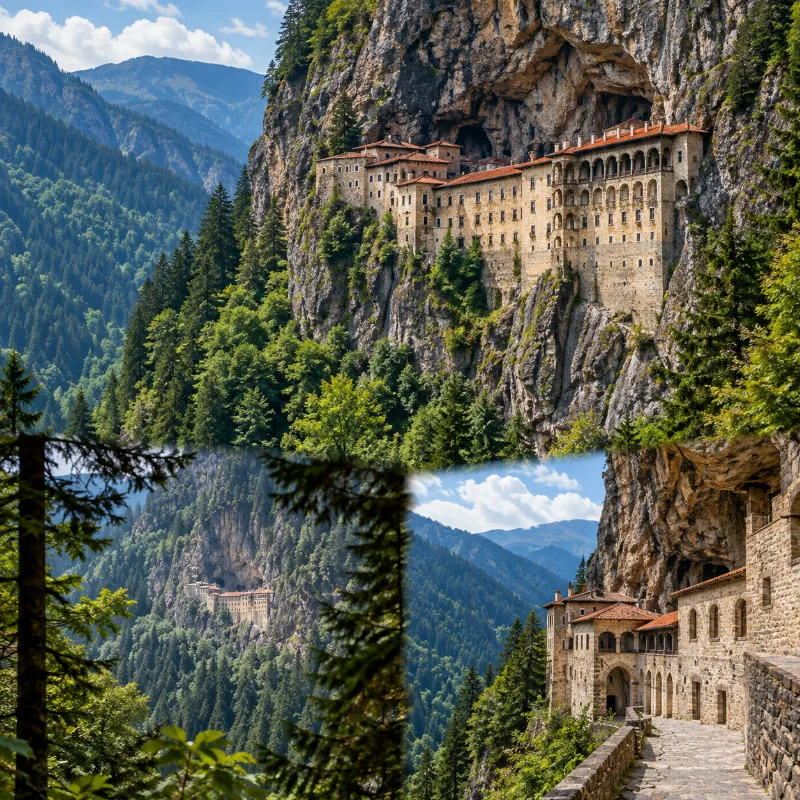
Sümela Monastery
A historic monastery built against a steep cliff in the forested mountains of Trabzon Province.
Explore →Related content
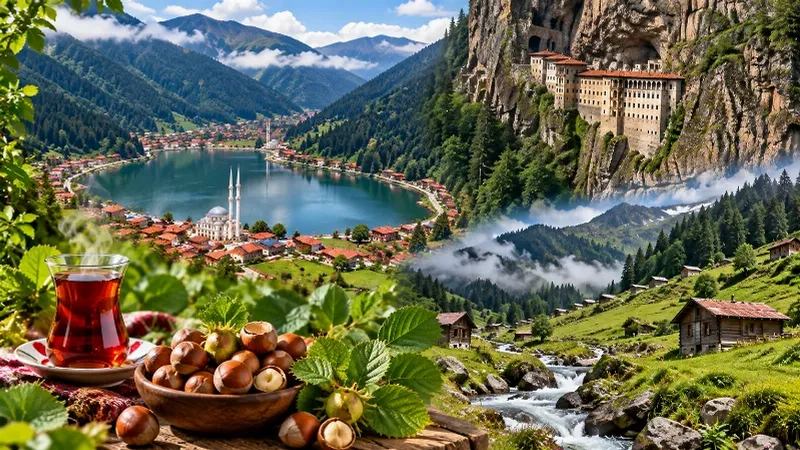
Black Sea Region
The Black Sea Region of Türkiye is known for its lush green mountains, misty highlands, dense forests and traditional villages. Stretching along the country's northern coast, the region combines spectacular natural scenery with historic towns, tea-growing landscapes and distinctive local traditions.
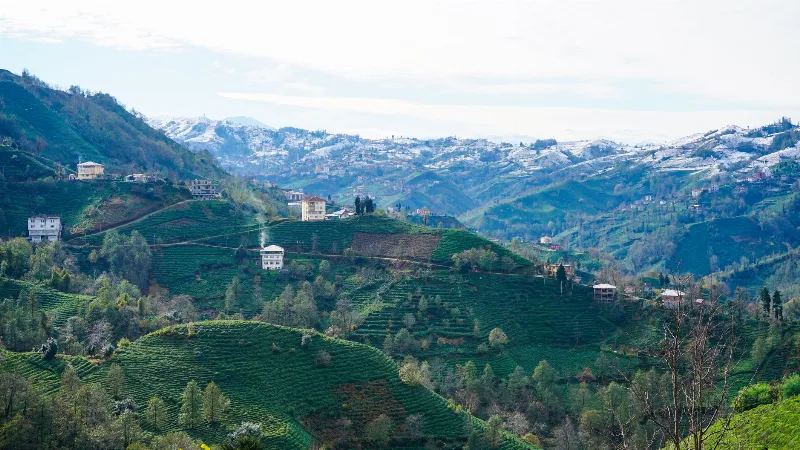
Rize
Rize is the capital of Rize Province on Türkiye's northeastern Black Sea coast, a city shaped by tea plantations, steep forested slopes and the high plateaus of the Kaçkar Mountains further inland.
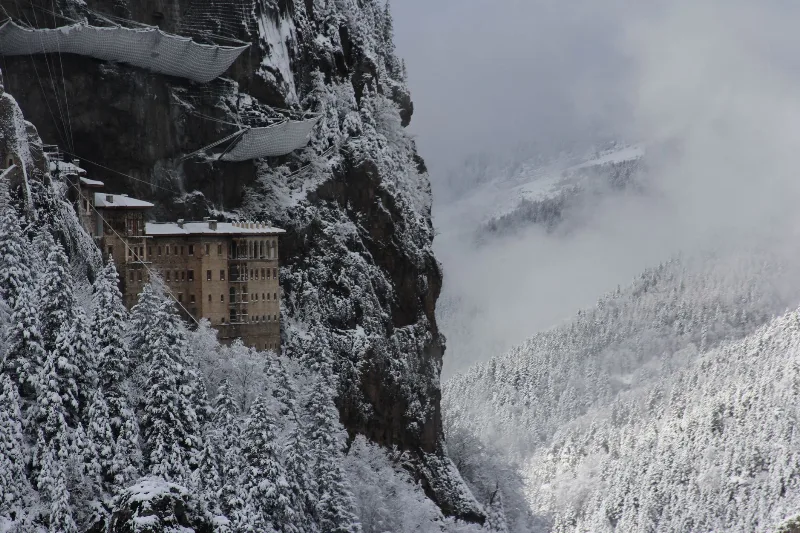
Trabzon
Trabzon is a rain-washed port city on Türkiye's eastern Black Sea coast, framed by the cliffside Sumela Monastery and slopes of tea. Byzantine and Ottoman layers sit close to highland valleys just inland.
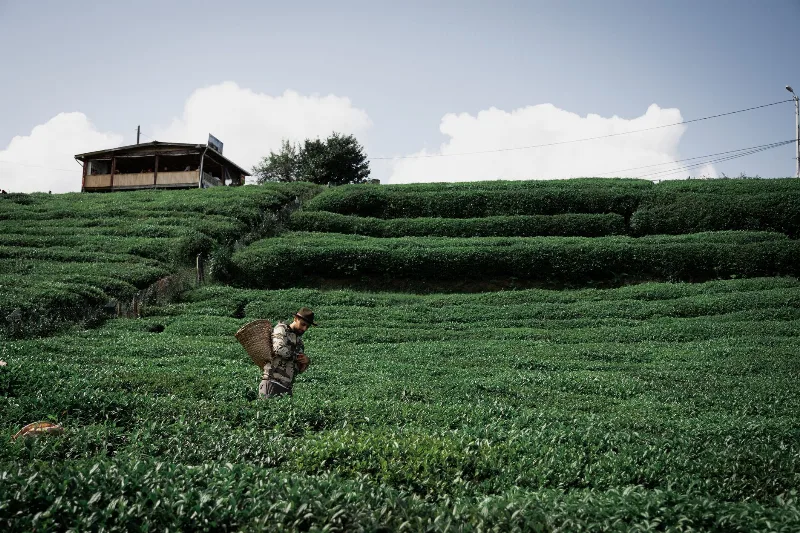
Rize Tea
Rize tea is the black tea grown in Türkiye's northeastern Black Sea province of Rize, where heavy rainfall, persistent humidity and acidic soils create one of the few places in the country where Camellia sinensis thrives.
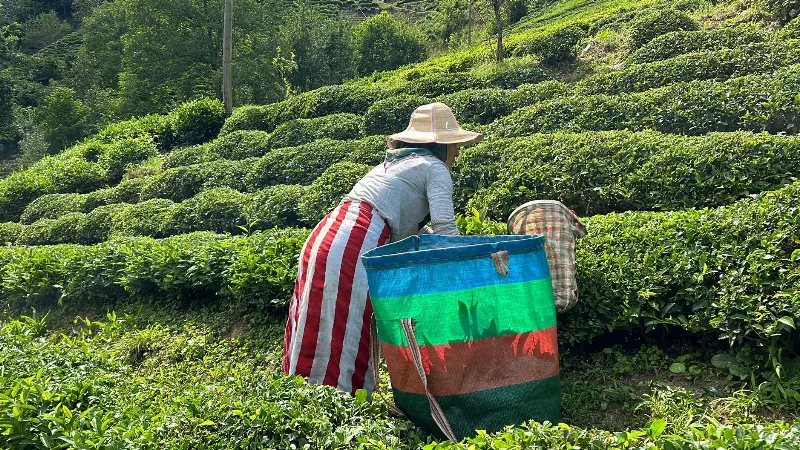
Tea Harvest in Rize
Tea in Rize is picked from roughly May to September across terraced hillsides above the Black Sea coast, with the tender first flush of May considered the most valuable. The timing of each harvest depends heavily on rainfall, temperature and how fast the new shoots grow.
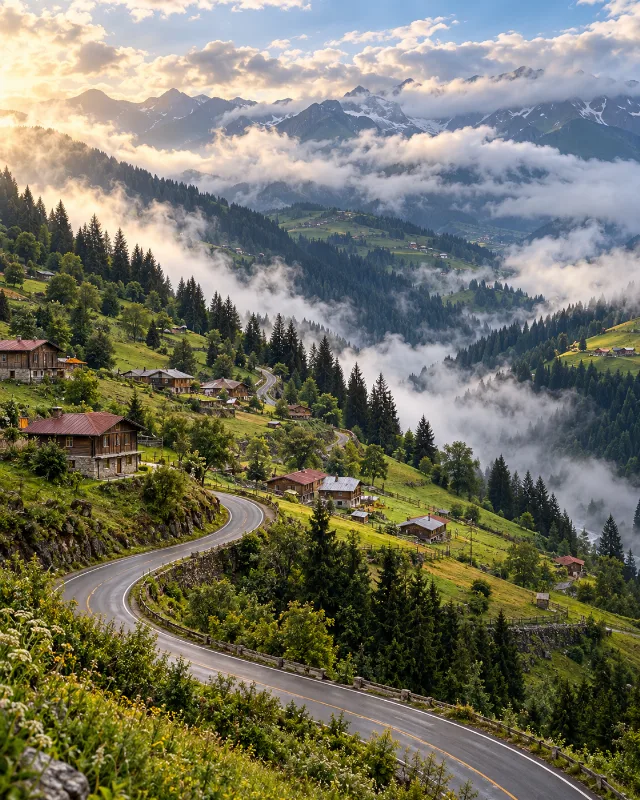
5-Day Eastern Black Sea Route
A five-day journey from Trabzon through Uzungöl, Rize, Çamlıhemşin, Ayder, Borçka and Şavşat, combining Black Sea culture with forests, lakes and highlands.