
Rize
Rize is the capital of Rize Province on Türkiye's northeastern Black Sea coast, a city shaped by tea plantations, steep forested slopes and the high plateaus of the Kaçkar Mountains further inland.
Rize is the capital of Rize Province and a coastal city on the Black Sea in northeastern Türkiye. It sits on a narrow strip of land squeezed between the sea and the steep, rain-fed slopes of the Eastern Black Sea Mountains, and it is best known as the heartland of Turkish tea production. The province stretches east along the coast toward Artvin and west toward Trabzon, while its southern districts climb into the high ranges of the Kaçkar Mountains. This combination of a working coastal city, tea-covered hills and nearby alpine plateaus gives Rize a character that is quite different from the resort towns of the Aegean and Mediterranean.
Location and Setting on the Black Sea
The city occupies a small area of flat and gently rising ground right at the water's edge, with the sea on its northern side and mountains rising almost immediately to the south. Because the coastal plain is so narrow here, the settlement has developed in a linear fashion, following the shoreline and the main coastal route that links the region's towns. Trabzon lies to the west and Artvin to the east, making Rize part of a continuous string of Black Sea settlements. The provincial territory extends well beyond the city itself, covering a series of coastal districts and a set of inland valleys that lead up into the mountains.
Geography and Climate
The defining geographical feature of Rize Province is the sharp transition from sea level to high mountain terrain over a short distance. The Eastern Black Sea Mountains rise steeply behind the coast, and the Kaçkar range forms the highest section further inland. This landscape is fed by very heavy rainfall, which is among the highest in Türkiye, and the constant moisture produces the deep, dense greenery for which the region is known. Summers are warm and humid, winters are mild along the coast, and snow persists on the higher elevations well into spring. The abundant rain is the reason the slopes are covered in forest and why tea thrives here rather than in most other parts of the country.
Tea and the Rize Landscape
Tea is central to the identity of Rize. From the early twentieth century onward, tea cultivation expanded across the province's hillsides, and today the terraced tea gardens are the most recognisable element of the local scenery. The crop covers slopes around the city and throughout the surrounding districts, and the industry supports much of the local economy, from farming families to processing facilities. The green, closely planted rows of tea bushes give the hills a distinctive texture that changes with the seasons, remaining green through much of the year in keeping with the region's mild and wet climate.
The City of Rize
As an urban centre, Rize is a compact and busy coastal city rather than a large metropolis. Its streets follow the curve of the shore, and the waterfront and central commercial areas form the social and economic core. The city functions as an administrative, trading and transport hub for the province, connecting the coastal districts with the mountain valleys behind them. Above the city stands Rize Castle, a historic fortress that overlooks the settlement and the sea, and which reflects the long strategic importance of this stretch of coast. The city's atmosphere is practical and regional, shaped more by agriculture, trade and everyday life than by mass tourism.
Çamlıhemşin and the Ayder Plateau
Inland from the coast, the district of Çamlıhemşin is one of the best-known parts of the province because of the Ayder Plateau. Ayder lies high in the mountains and is associated with alpine meadows, hot springs and traditional wooden plateau houses, set against the backdrop of the Kaçkar range. The plateau is a summer destination for visitors seeking cooler air and mountain scenery, and it forms part of a wider network of highland settlements across the province. The Kaçkar Mountains National Park, which protects a large area of high-altitude terrain, is closely linked to this district and to the valleys that lead toward it.
The Fırtına Valley
The Fırtına Valley, also within Çamlıhemşin, is another defining landscape of Rize. A fast-flowing river runs through the valley, crossed by old stone arch bridges that are characteristic of the region's rural architecture. The valley floor and its slopes are heavily forested, and small settlements are scattered along the route. Together with the plateaus, this valley illustrates how the province is organised: a coastal strip of towns and tea gardens, connected by steep river valleys to high mountain communities.
Districts Along the Coast
Rize Province is made up of a series of coastal and inland districts, each with its own small centre. Along the shore, districts such as Çayeli, Pazar, Ardeşen and Fındıklı continue the pattern of settlement established by the provincial capital, with tea, fishing and trade playing a role in local life. Other districts, including İkizdere, Güneysu, Kalkandere, Derepazarı, İyidere and Hemşin, extend the province inland or along the coast and give the region its varied mix of lowland towns and mountain communities. These places share the same wet, green environment and the same reliance on tea and forest resources, while each has its own local identity.
When Conditions Are Generally Best
Because rainfall is frequent throughout the year, the region is green in every season, but the most comfortable conditions for exploring the coast and the high plateaus generally fall in the warmer months. Late spring and summer allow access to the higher ground around Ayder and the Kaçkar area, when the mountain roads and meadows are open. Autumn remains mild and still green, while winter brings cooler, wetter weather to the coast and snow to the mountains. Visitors should expect rain at almost any time, which is part of what makes the landscape so lush.
Reaching Rize and Its Regional Connections
Rize is reached mainly along the Black Sea coastal route that runs through the region, connecting it with Trabzon to the west and with the towns toward Artvin in the east. The province is also served by its own airport near the coastal district of Pazar, which links the area with other parts of Türkiye. Within the province, roads branch off from the coast into the valleys toward Çamlıhemşin and the mountain districts. Rize is often visited as part of a wider Black Sea itinerary, alongside Trabzon and the historic and natural sites of the eastern Black Sea region, and it serves as a practical base for anyone interested in tea country, mountain plateaus and the distinctive green landscape of northeastern Türkiye.
How the Province Fits Together
Understanding Rize means seeing it as two connected worlds. One is the coastal belt of the city and its neighbouring districts, oriented toward the sea, tea processing and regional trade. The other is the mountain interior, reached through steep valleys and leading to plateaus such as Ayder and the high terrain of the Kaçkar range. The two are linked by rivers, roads and a shared culture rooted in the wet, forested environment. This structure explains why Rize is both a functioning provincial capital and a gateway to some of the most dramatic mountain scenery on Türkiye's northern coast.
Discover Food in Türkiye
All food →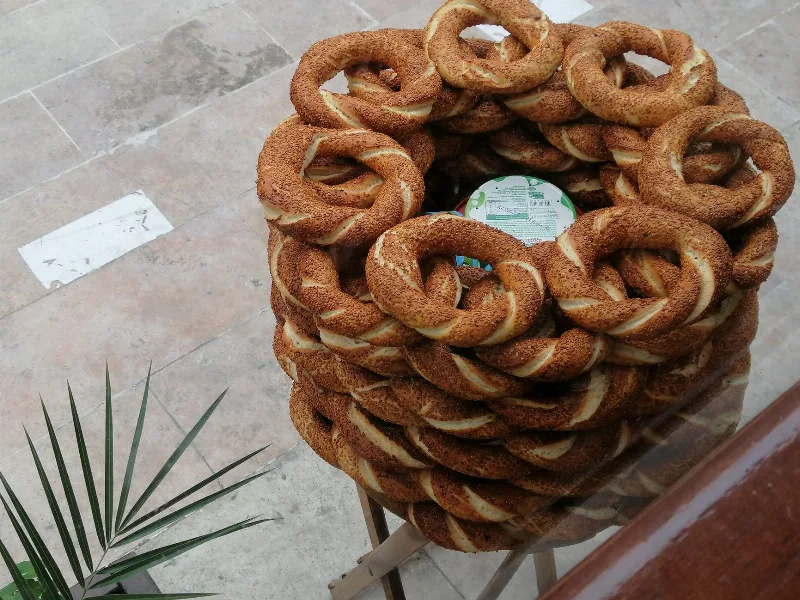
Simit
Simit is a ring-shaped Turkish bread covered in sesame seeds, strongly associated with Istanbul and sold as everyday street food. It is eaten fresh, most often with tea, and has a crisp crust around a chewy crumb.
Explore →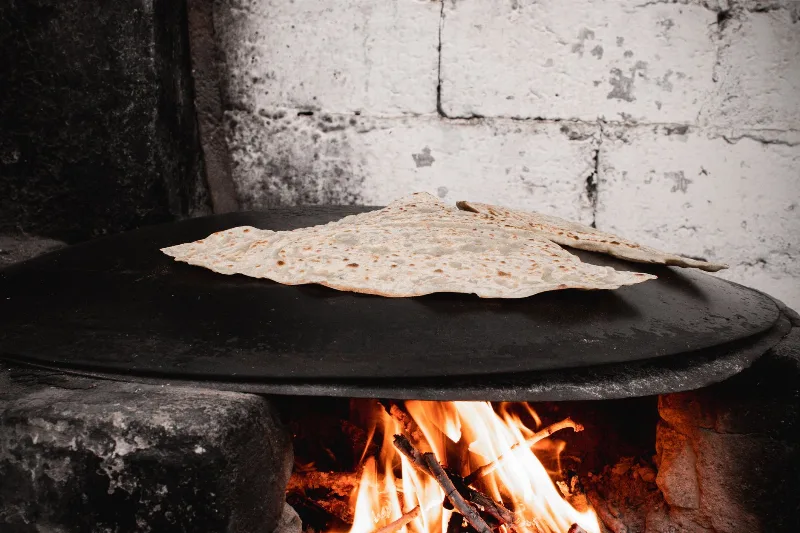
Bazlama
Bazlama is a soft, thick Turkish flatbread made from a leavened dough and cooked on a hot griddle. It is a staple of village baking across Anatolia, eaten warm with butter or used to wrap other foods.
Explore →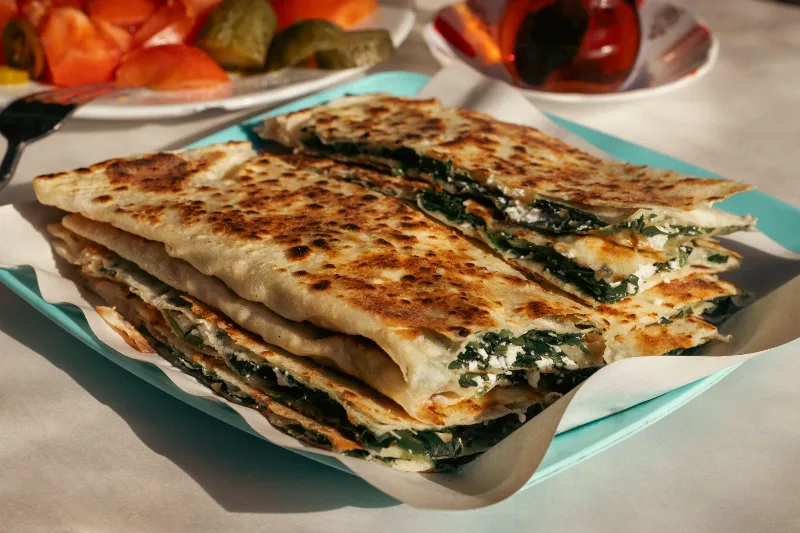
Gözleme
Gözleme is a thin, hand-rolled Anatolian flatbread folded around savory fillings such as cheese, spinach, or minced meat and cooked on a sac griddle. The article covers its regional variations, cooking method, texture, and traditional serving style.
Explore →Related content
Kaçkar Mountains
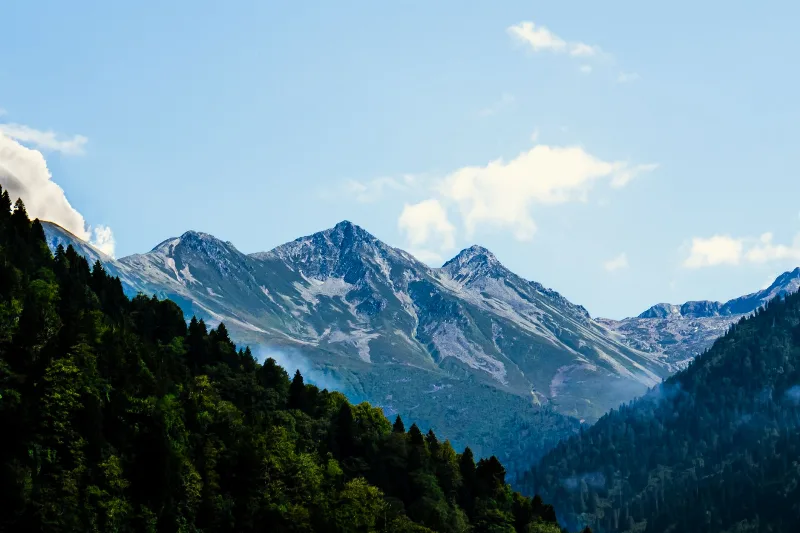
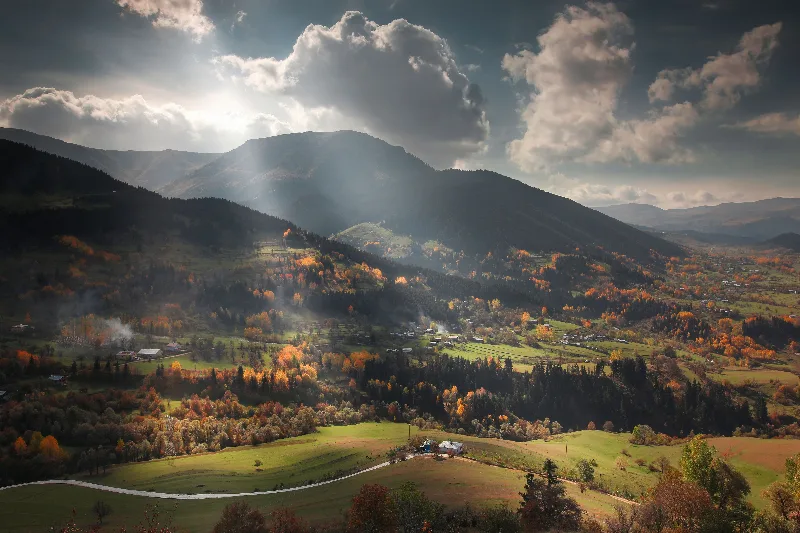
The Kaçkar Mountains form the highest section of Turkey's Black Sea ranges, a glacially sculpted landscape of sharp summits, cirque lakes and high summer pastures.
Artvin
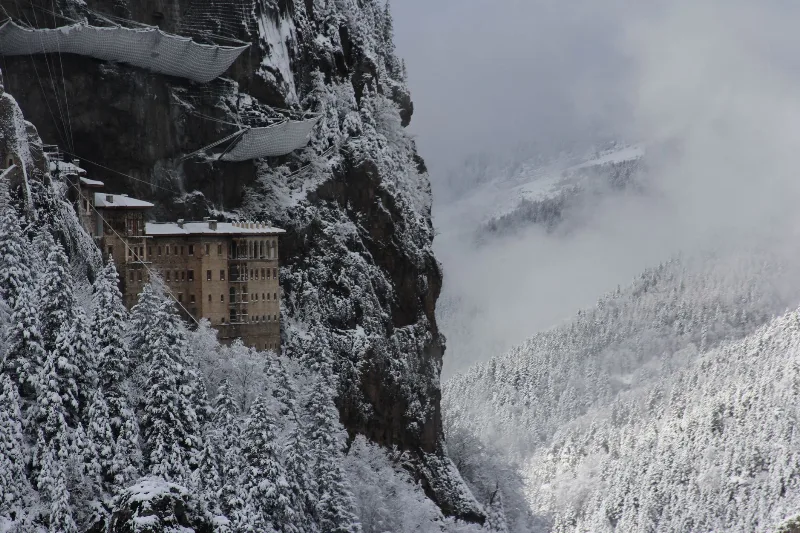
Explore Artvin, the northeastern Black Sea region: history, standout sights, landscapes, local food and practical travel advice for an unforgettable journey in Türkiye.
Trabzon
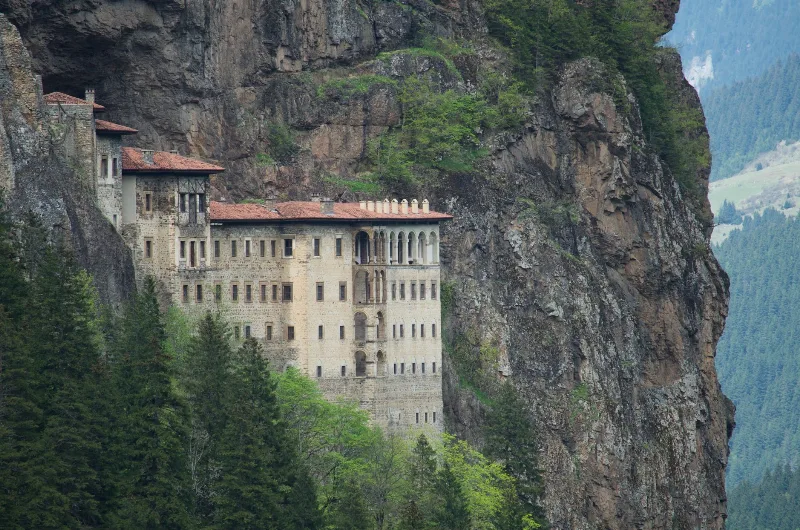
Trabzon is a rain-washed port city on Türkiye's eastern Black Sea coast, framed by the cliffside Sumela Monastery and slopes of tea. Byzantine and Ottoman layers sit close to highland valleys just inland.
7-Day Eastern Black Sea Highlands Route: Trabzon to Artvin
A seven-day driving route through the Eastern Black Sea highlands, from Trabzon and Sumela to Uzungöl, Ayder, the Kaçkar Mountains and the forests of Şavşat, ending at Artvin.
Nature Reserves of the Black Sea Region
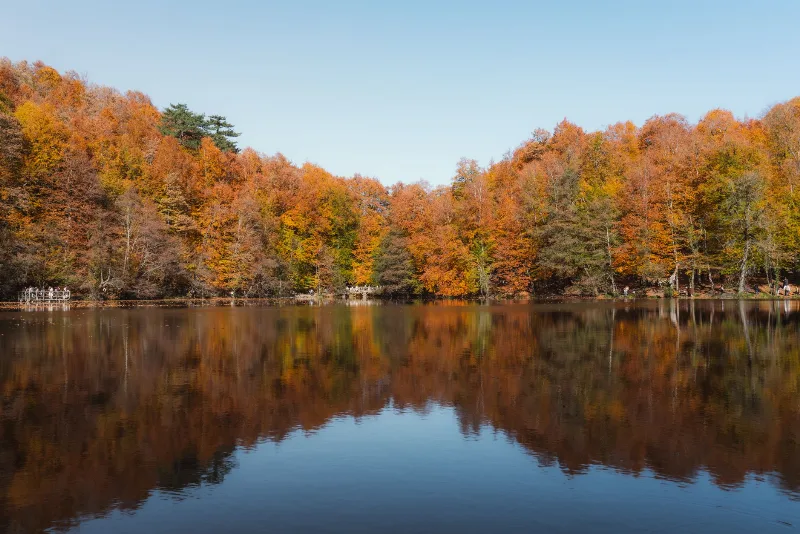
Türkiye's Black Sea coast hides a chain of protected landscapes, from glacial lakes in the Kaçkar Mountains to canyons and old-growth forests in Kastamonu and Bartın.
Kaçkar Mountains: Turkey's Eastern Black Sea Alpine Range
The Kaçkar Mountains form the highest and most glaciated section of Turkey's Pontic range, rising above the eastern Black Sea coast. They combine small glaciers, glacial lakes, high summer pastures and long-distance trekking routes across Rize, Artvin, Erzurum and Bayburt.