
7-Day Eastern Black Sea Highlands Route: Trabzon to Artvin
A seven-day driving route through the Eastern Black Sea highlands, from Trabzon and Sumela to Uzungöl, Ayder, the Kaçkar Mountains and the forests of Şavşat, ending at Artvin.
The Eastern Black Sea highlands route covers seven days from Trabzon in the west to Artvin in the east, combining the Black Sea coast with repeated climbs into the mountains behind it. Along the way it takes in Uzungöl, the Çamlıhemşin valleys above Rize, the Ayder plateau and the Kaçkar Mountains, then continues east through Borçka and Şavşat. The journey is linear rather than circular, so travellers begin at Trabzon and finish at Artvin without retracing their steps. It suits people who want coastal towns, historic monuments, mountain lakes and yayla scenery in one trip, and who are prepared for long, winding drives.
How the Route Works
This is primarily a driving route, with short walks at most stops and longer hiking options around Ayder and in the Kaçkar foothills. The geography shapes the itinerary in a particular way: the coast runs east–west along a narrow strip, while almost every destination worth seeing lies inland and uphill, reached by valley roads that climb steeply from the shore. The days therefore alternate between coastal driving and mountain driving, and the character of the landscape changes sharply each time the road turns south.
Late spring to early autumn is the most reliable window. The high pastures around Ayder and the plateaus above it are only fully usable once the snow has cleared, and the upper mountain roads can be difficult or closed in winter. The coast is mild and often wet at any time of year, while the mountains are noticeably cooler and can change quickly. Facilities in the highest villages are seasonal, so anyone travelling outside summer should expect a quieter and more limited experience.
Day 1: Trabzon, the Coast and Sumela
The route begins in Trabzon, the largest city on this stretch of the Black Sea and the natural arrival point for travellers flying in. The first day works best if it is split between the city itself and the mountain monastery in the Altındere valley to the south.
Trabzon's compact centre is easy to explore on foot. The Byzantine church of Hagia Sophia of Trabzon stands on a headland west of the centre, Atatürk Köşkü occupies a wooded hill above the city, and Boztepe gives the classic panorama over the harbour and the coastline. Together these give a sense of how long the city has functioned as a port and crossing point between the sea and the mountains. As a group of monuments and urban districts, they sit comfortably in the Historic Places and Cities & Districts sections.
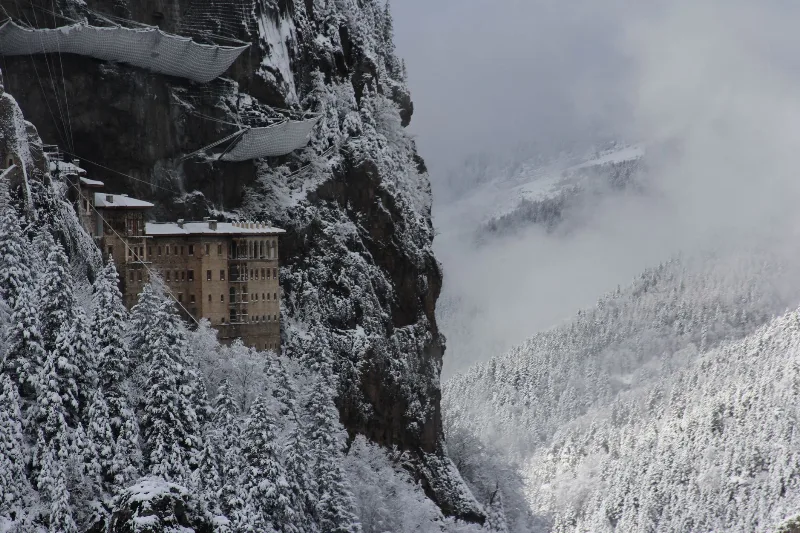
In the afternoon, head south into the Maçka district to Sumela Monastery, set into a sheer rock ledge above a forested valley. The approach involves a walk or a shuttle and the arrangements have changed over the years, so it is worth checking the current situation locally before setting out. Returning to Trabzon for the evening keeps the first day simple and positions you for the move inland the following morning.
Day 2: Trabzon to Uzungöl Through the Solaklı Valley
The second day leaves the coast behind. Follow the shoreline east from Trabzon towards Of, then turn south and climb into the Solaklı valley, passing through Dernekpazarı on the way up. The road gains height steadily, and the scenery shifts from hazelnut groves and tea gardens to spruce forest and rushing streams.
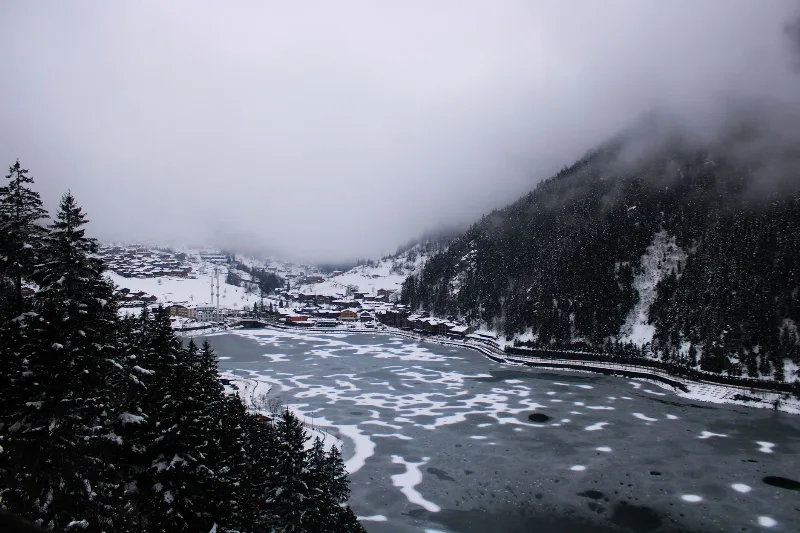
Uzungöl is the day's main destination: a lake sitting in a bowl of forested slopes, with a small settlement along its shore and a walking path that follows the water. It is one of the most visited places in the region and belongs to the Nature section, but its location makes it a logical overnight stop rather than a quick detour, because the valley road ends here and the next stage involves coming back down.
If time and conditions allow, the higher ground above the lake — the old village area known as Şerah and the upland meadows beyond — gives a much quieter picture of village life in the mountains, with wooden houses and pasture that fit the Villages & Small Towns theme. The evening here is cool even in summer, a first taste of what the following days in the highlands will feel like.
Day 3: Uzungöl to Rize and Up to Çamlıhemşin
Day three descends from Uzungöl back towards the coast near Of, then turns east and follows the Black Sea shore to Rize. Rize is the centre of Turkish tea production, and the slopes around the city are covered with terraced tea gardens that are part of the Regional Produce character of the area. A short stop in the city is enough to see how the tea economy shapes the landscape before the route turns inland again.
From the coastal strip around Ardeşen or Pazar, a valley road climbs south into the Fırtına valley towards Çamlıhemşin. This is one of the great mountain transitions of the whole route: within a short distance the road leaves the humid coastline and enters a deep green gorge of stone bridges, rushing water and steep wooded walls. Çamlıhemşin is the gateway to the Ayder plateau, and the night can be spent in the town or higher up at Ayder itself.
Day 4: Ayder and the Fırtına Valley
The fourth day stays in the mountains and is the most rewarding for walkers. Ayder is a high plateau settlement of wooden houses, meadows and streams, cool and misty even in midsummer, and it forms the main base for the Kaçkar Mountains. The Gelintülü waterfall and the hot springs near the village are short walks from the centre, while longer trails lead towards the upper pastures and the national park beyond.
The Fırtına valley below is just as important to the route. Its old stone bridges cross the river at several points, and villages such as Şenyuva and settlements further up towards Çat preserve the traditional timber and stone architecture of the Hemşin valleys. Zilkale, a medieval castle perched above a forested gorge, sits at the head of the valley and is a natural complement to the historic sites already seen in Trabzon.
This is the day to decide how far into the high country to go. The trails towards the higher yaylas are genuinely mountainous and require proper footwear and reasonable weather, and the upper sections are only accessible for part of the year.
Day 5: Along the Black Sea Coast to Artvin
Day five returns to the coast and turns firmly east. From the Fırtına valley the road drops back down to Ardeşen, then follows the shoreline through Pazar, Arhavi and Hopa. The coastal strip here becomes increasingly lush, with tea, hazelnuts and citrus, and the presence of the Georgian border adds a distinct cultural flavour to the towns along the way.
From the coast near Hopa, the route turns inland again towards Borçka and Artvin, climbing from the sea into the valley of the Çoruh river. Artvin itself is built on steep slopes above the river, surrounded by forested ridges, and is the logical overnight stop before the final mountain stage. The Borçka area also opens the possibility of a detour towards the remote villages of the Macahel valleys, though that requires extra time and should not be squeezed into the same day.
Day 6: Artvin to Şavşat and Karagöl Sahara
The sixth day heads north and east from Artvin into the wooded mountains of Şavşat. The road climbs through forest and pasture, crossing high ground where the landscape opens into meadows and scattered villages. This is a different kind of Black Sea highland from the Rize side: less crowded, quieter and more heavily forested.
Şavşat's best-known natural feature is Karagöl Sahara, a mountain lake surrounded by forest and meadow, which fits the Nature section and makes an easy half-day outing from the town. The surrounding countryside of traditional villages, wooden houses and grazing pastures belongs to the Villages & Small Towns theme and rewards slow travel rather than a rushed drive-through.
Day 7: Şavşat Highlands and Return to Artvin
The final day uses Şavşat as a base for the surrounding highlands before the route closes at Artvin. The meadows and village roads around the district, including the higher pasture areas towards Arsiyan and the scattered settlements nearby, offer one last stretch of genuine mountain scenery and a chance to walk at altitude before the journey ends.
From Şavşat, the return to Artvin completes the seven-day route. The trip is deliberately linear: it moves steadily eastward from the Trabzon coast to the Artvin mountains, stacking each stage on the one before it, and it finishes where the highlands of the Eastern Black Sea give way to the forests of the Georgian border country.
Remarkable Places
See all places →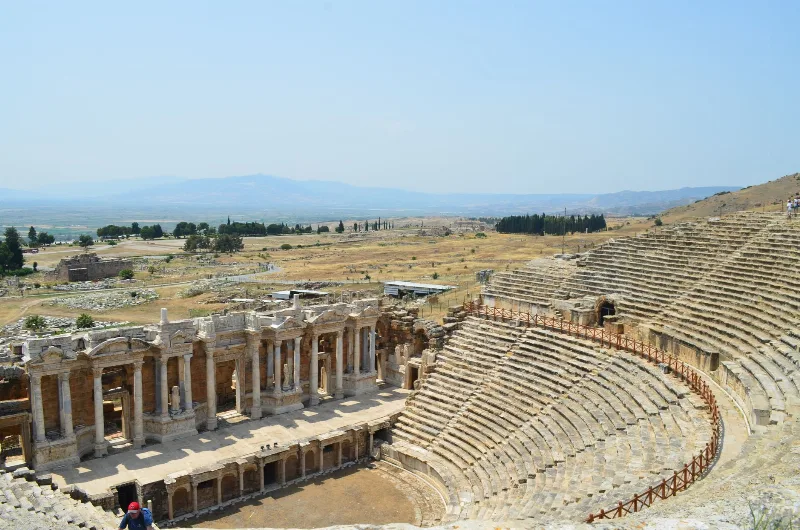
Letoon
Letoon is a Lycian sanctuary near Xanthos in Muğla Province, dedicated to Leto, Artemis and Apollo. Its three temples, theatre and trilingual inscription make it one of southwestern Turkey’s most significant archaeological sites.
Explore →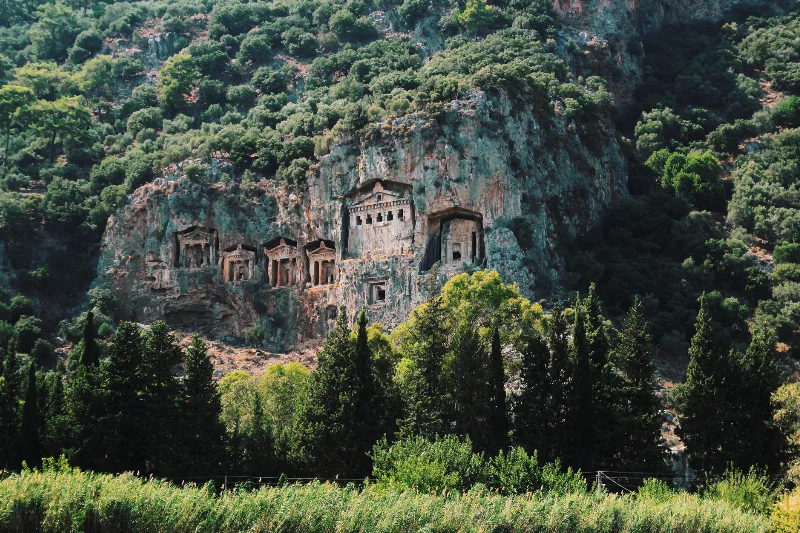
Kaunos
Kaunos is an ancient Carian city on the Dalyan River in Muğla Province, known for its temple-style rock-cut tombs and the extensive ruins of a harbour that silted up centuries ago.
Explore →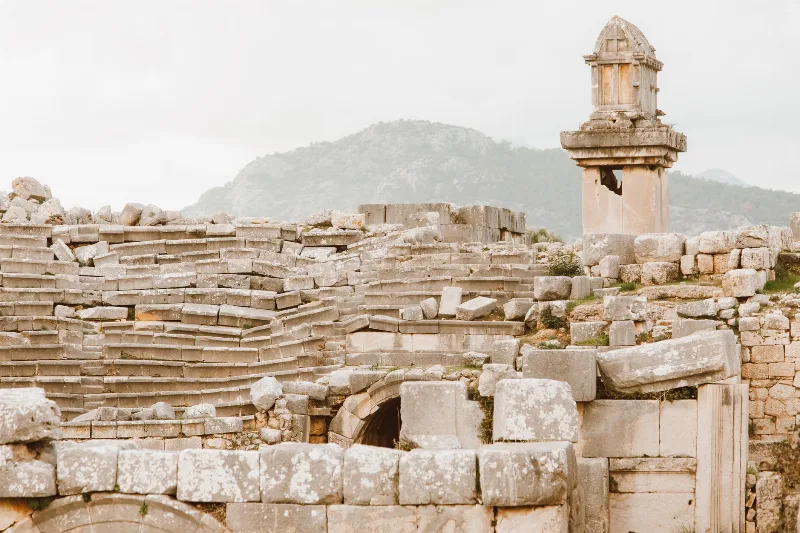
Xanthos
Xanthos is an ancient Lycian city in Antalya Province and a UNESCO World Heritage Site, known for its Lycian tombs, Roman theatre and role as a leading city of Lycia.
Explore →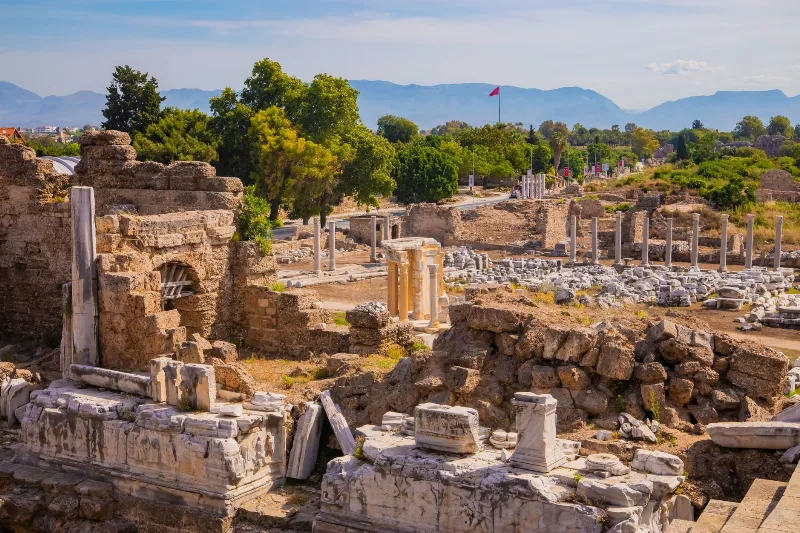
Phaselis
Phaselis is a Rhodian-founded port city on the eastern Lycian coast, where paved streets, agoras, baths and a small theatre stand among pines between three sheltered bays.
Explore →Related content
Trabzon
Trabzon is a rain-washed port city on Türkiye's eastern Black Sea coast, framed by the cliffside Sumela Monastery and slopes of tea. Byzantine and Ottoman layers sit close to highland valleys just inland.
Artvin
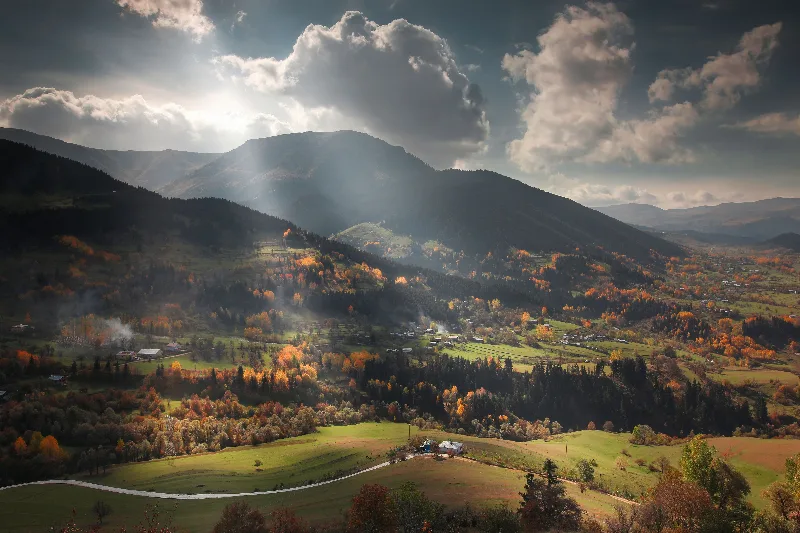
Explore Artvin, the northeastern Black Sea region: history, standout sights, landscapes, local food and practical travel advice for an unforgettable journey in Türkiye.
Uzungöl
Uzungöl is a highland village in Trabzon's Çaykara district, wrapped around a dark mountain lake held back by a landslide dam and surrounded by dense Black Sea forest.
5-Day Eastern Black Sea Route
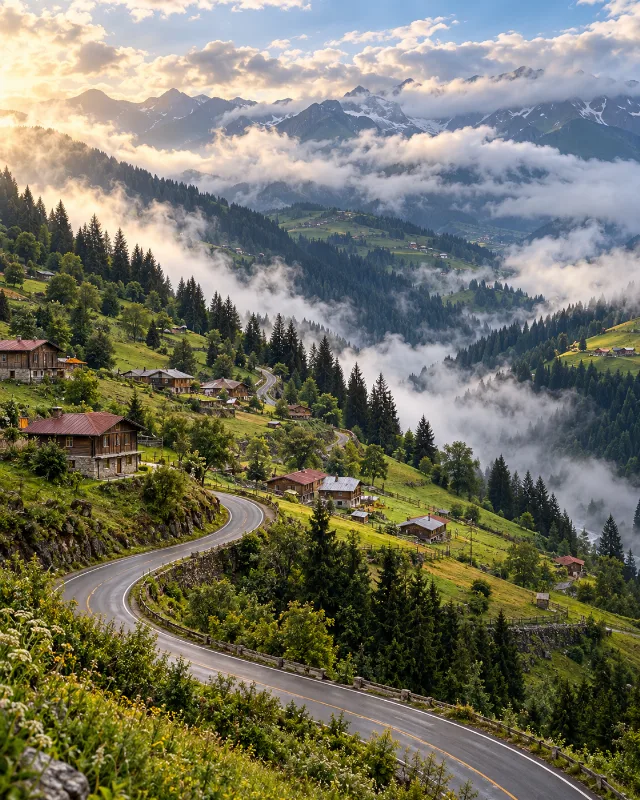
A five-day journey from Trabzon through Uzungöl, Rize, Çamlıhemşin, Ayder, Borçka and Şavşat, combining Black Sea culture with forests, lakes and highlands.

Kuymak
Kuymak is a hot Black Sea dish of cornmeal cooked in butter and blended with a melting local cheese. It is eaten mainly as a breakfast food across Trabzon, Rize, Giresun and the surrounding provinces.
6-Day Central Black Sea Route
A six-day journey along Turkey's Central Black Sea coast from Samsun to Trabzon, visiting Ordu and Giresun with highland and beach stops.