
Artvin
Explore Artvin, the northeastern Black Sea region: history, standout sights, landscapes, local food and practical travel advice for an unforgettable journey in Türkiye.
Artvin is a destination in the northeastern Black Sea region, a mountain province of deep valleys, forested slopes and distinctive highland communities. Its wider province offers places to explore beyond the provincial centre, and a visit works best when planned around the geography rather than just the best-known photograph. For a first visit, the city centre and one carefully chosen excursion often reveal more than a rushed sequence of distant stops. Allow time for markets, local food and the ordinary streets connecting the headline sights.
Understanding Artvin
Artvin is not a conventional seaside Black Sea city. Its provincial centre is set among steep mountains above the Çoruh valley, while the wider province extends to the coast and the highlands near the Georgian border. The landscape shapes almost every journey: roads climb, descend and follow rivers through sharply changing scenery. Visitors are drawn by nature, traditional settlements and a strong sense of regional diversity.
History and cultural heritage
Artvin’s location between the Black Sea, Caucasus and Anatolian interior produced a varied historical inheritance. Medieval Georgian churches and monasteries are among the region’s distinctive monuments, although their condition and accessibility vary. The province also contains Ottoman-period buildings and traces of older communities. Understanding Artvin requires attention to geography: isolated valleys often developed their own architecture, crafts, food traditions and cultural practices.
Places to see
Borçka Karagöl is a celebrated forest lake where tree-lined slopes reflect in still water on calm days. Şavşat Karagöl offers another mountain-lake experience in a different part of the province. The historic churches around Yusufeli and the area of the former Georgian cultural sphere provide architectural interest. Mençuna Waterfall near Arhavi is another popular excursion. Reaching many of these places involves winding roads and sometimes walking on uneven paths.
Landscape and outdoor experiences
Dense forests, high pastures, steep valleys and fast-flowing rivers make Artvin one of Türkiye’s most varied landscapes. The Çoruh River is central to the region’s geography, although dams have significantly changed sections of its valley. Rain is common in the coastal and forested areas, while highland conditions can turn cold quickly. Visitors should avoid treating all of Artvin as one climatic zone: a sunny coastal morning can differ greatly from the mountains inland.
Local food and everyday culture
Artvin’s food reflects Black Sea and highland influences, with maize, dairy, beans, cabbage and regional breads appearing in different districts. Traditional dishes vary from coast to interior. Honey and products from highland livestock are strongly associated with the area. A meal in a small family-operated restaurant can be a useful introduction to local ingredients. Ask about regional specialities rather than assuming that food found in one valley represents the whole province.
Districts and nearby destinations
Borçka is a base for Borçka Karagöl, while Şavşat attracts visitors to wooden village architecture and upland scenery. Arhavi and Hopa connect the province with the Black Sea coast, and Yusufeli is associated with dramatic mountains and a landscape transformed by major infrastructure projects. Each district has its own travel rhythm. Select a cluster of nearby sights instead of trying to cross the entire province in a day.
Planning your visit
A car can make exploring remote valleys easier, but roads are often narrow and slow. Weather forecasts and road updates are important throughout the year. Late spring through early autumn is useful for many nature trips, although rain and fog remain possible. Some areas have protected-status rules and visitor restrictions. Bring waterproof clothing, appropriate footwear and enough time for unplanned stops along scenic roads.
Suggested route and deeper experiences
Artvin benefits from a deliberately narrow itinerary because travelling distances can be deceptive. A lake-focused visit around Borçka is very different from a coastal day in Arhavi or Hopa, while a trip into Şavşat brings higher mountain scenery. Choose one area per day where possible. Fog can transform the appearance of a forest lake within minutes, and rainfall can make unpaved paths slippery. At waterfalls and woodland sites, remain on marked routes and follow protected-area guidance. If you are drawn to medieval architecture, read about the area’s Georgian heritage before visiting: the ruins make much more sense when placed in their regional historical context.
How to make the most of your time
Begin with the parts of Artvin that interest you most, then build a realistic route around them. Check up-to-date opening hours, transport options and weather before leaving, especially for remote cultural sites and mountain roads. If you have only one day, prioritise one substantial excursion and leave enough time for meals and unplanned stops. With more time, explore another district for a fuller understanding of the province. Respect protected landscapes, religious sites and the everyday life of local communities.
Travel style and useful considerations
A visit to Artvin can be organised as a short cultural stop, a longer regional journey or part of a route through neighbouring provinces. The most appropriate choice depends on the season, access to a vehicle and how much walking you enjoy. In smaller settlements, services may be less frequent than in major tourism centres. Keep a flexible schedule, confirm return transport where relevant and ask permission before photographing people or private property. These small preparations help keep the experience rewarding for visitors and considerate toward local residents.
Discover Food in Türkiye
All food →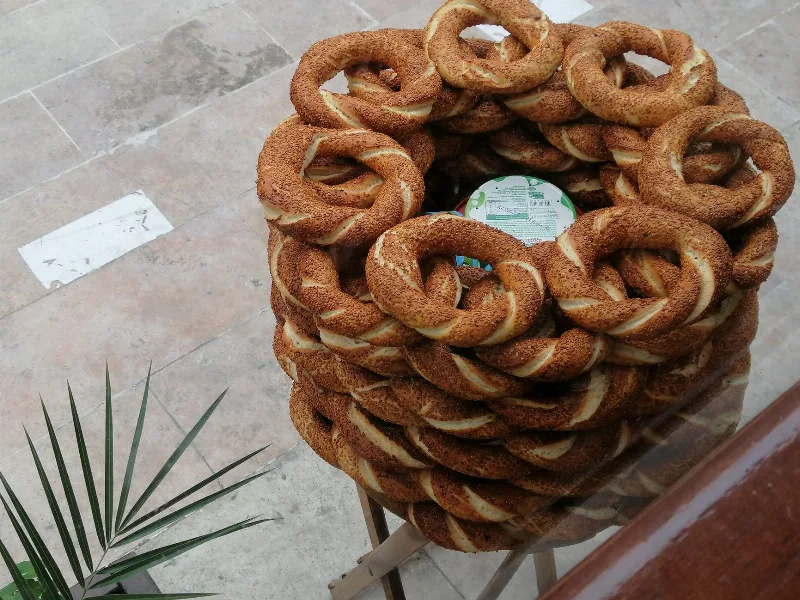
Simit
Simit is a ring-shaped Turkish bread covered in sesame seeds, strongly associated with Istanbul and sold as everyday street food. It is eaten fresh, most often with tea, and has a crisp crust around a chewy crumb.
Explore →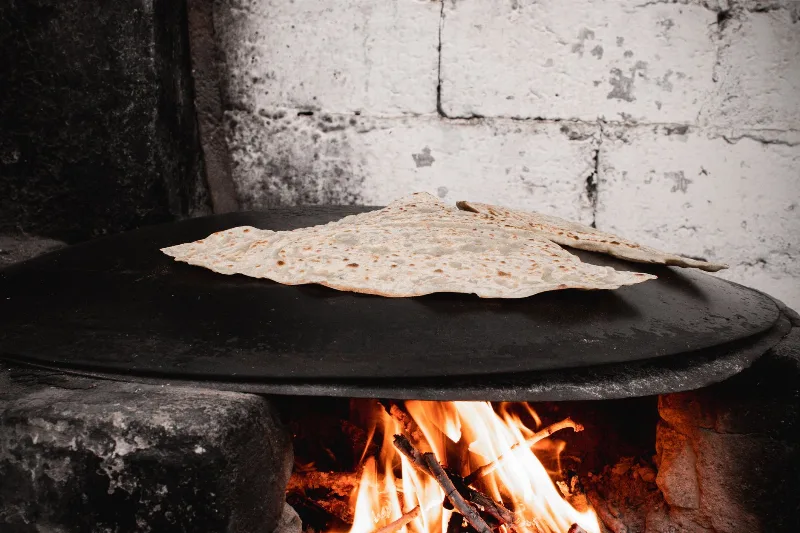
Bazlama
Bazlama is a soft, thick Turkish flatbread made from a leavened dough and cooked on a hot griddle. It is a staple of village baking across Anatolia, eaten warm with butter or used to wrap other foods.
Explore →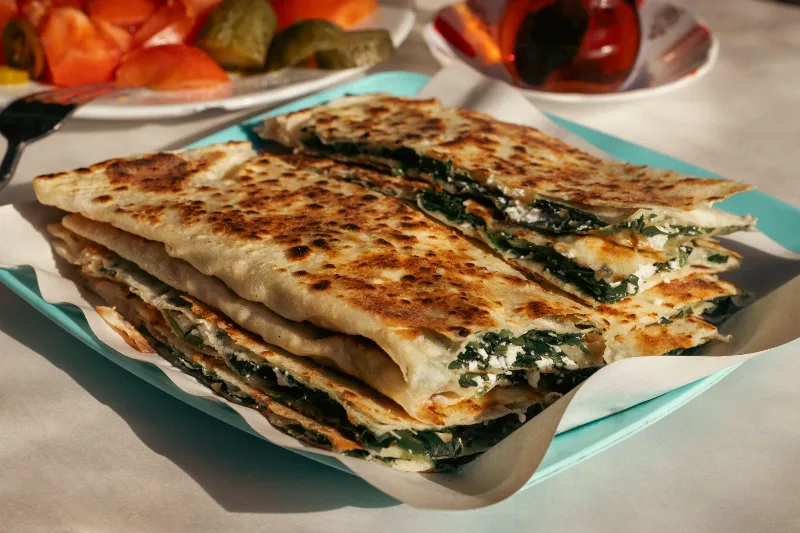
Gözleme
Gözleme is a thin, hand-rolled Anatolian flatbread folded around savory fillings such as cheese, spinach, or minced meat and cooked on a sac griddle. The article covers its regional variations, cooking method, texture, and traditional serving style.
Explore →Related content
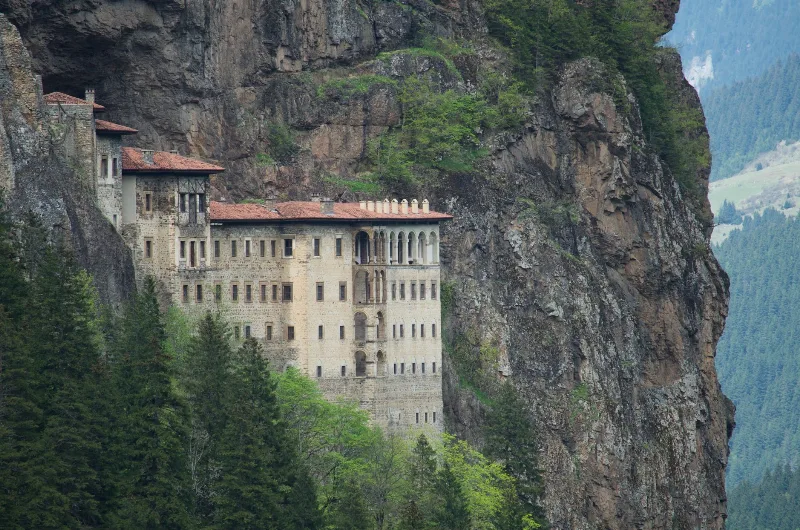
7-Day Eastern Black Sea Highlands Route: Trabzon to Artvin
A seven-day driving route through the Eastern Black Sea highlands, from Trabzon and Sumela to Uzungöl, Ayder, the Kaçkar Mountains and the forests of Şavşat, ending at Artvin.
Karagöl Sahara National Park Alpine Lakes in Artvin
Hidden in the forested mountains of Şavşat, Karagöl Sahara National Park in Artvin pairs a small glacial lake with a high summer pasture, offering a quiet glimpse of Turkey's north-eastern highlands.
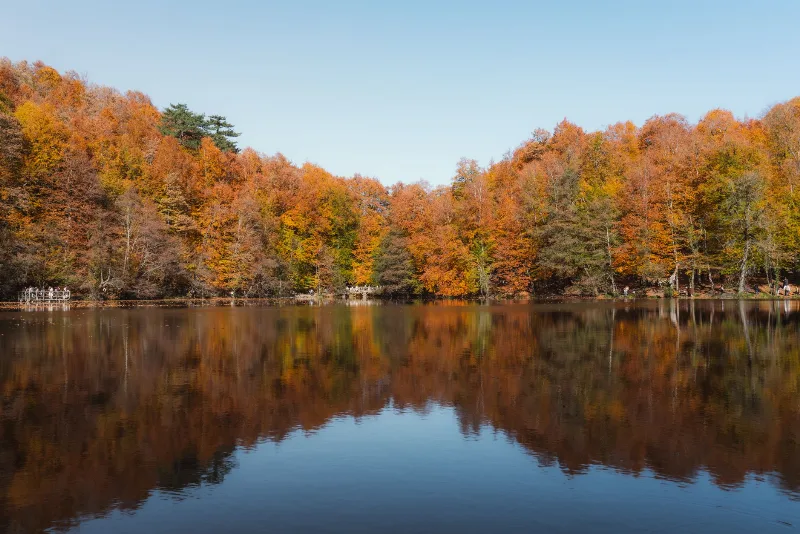
Nature Reserves of the Black Sea Region
Türkiye's Black Sea coast hides a chain of protected landscapes, from glacial lakes in the Kaçkar Mountains to canyons and old-growth forests in Kastamonu and Bartın.
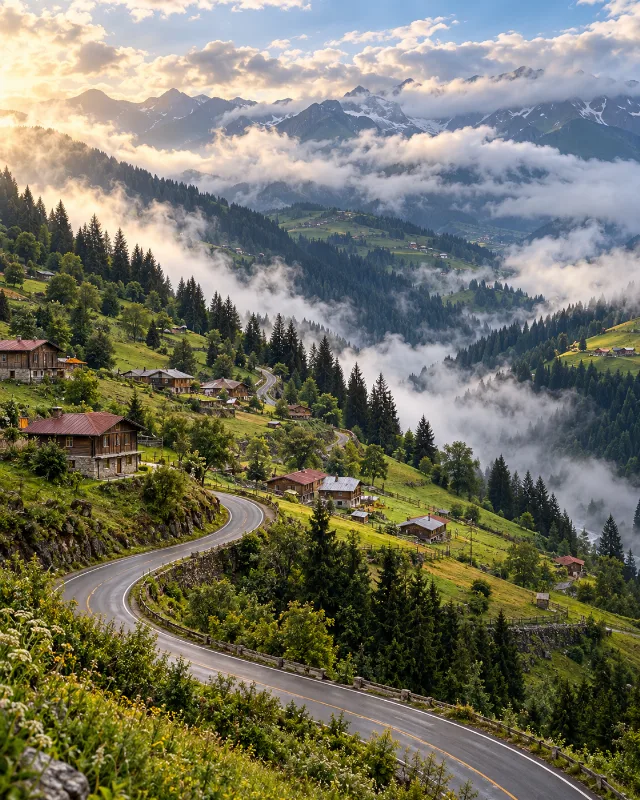
5-Day Eastern Black Sea Route
A five-day journey from Trabzon through Uzungöl, Rize, Çamlıhemşin, Ayder, Borçka and Şavşat, combining Black Sea culture with forests, lakes and highlands.
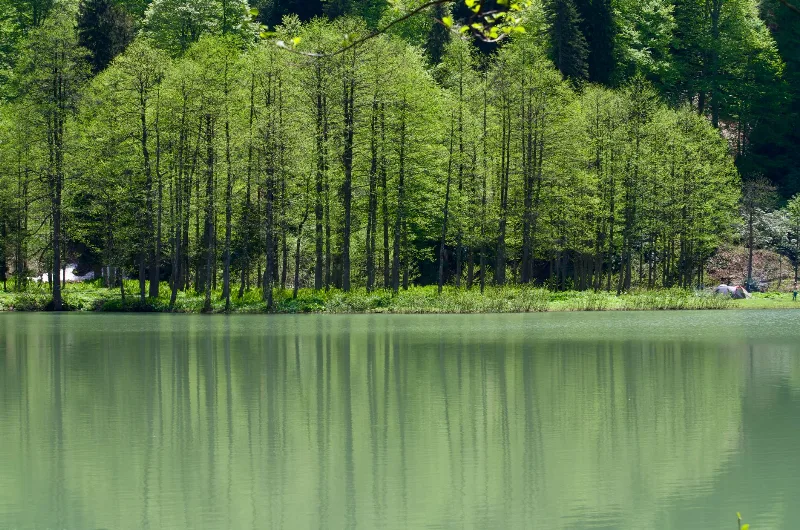
Lake Karagöl
Lake Karagöl is a small glacial lake in Artvin Province, held in an ice-carved basin in the Karçal Mountains. Its forested slopes, alpine meadows and long snow season give it a character quite different from Türkiye's larger Anatolian lakes.
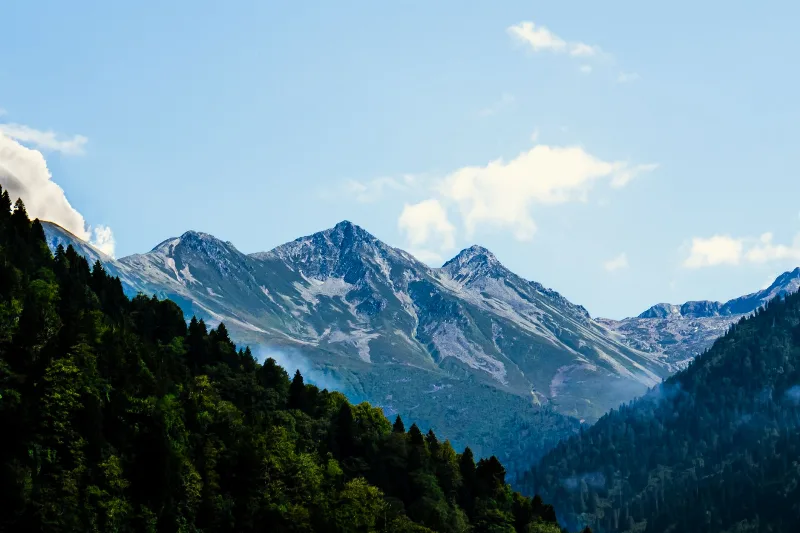
Kaçkar Mountains
The Kaçkar Mountains form the highest section of Turkey's Black Sea ranges, a glacially sculpted landscape of sharp summits, cirque lakes and high summer pastures.