
The Traditional Turkish Coffee Culture
STORIES FROM TÜRKİYE
Turkish coffee is a small cup with a large cultural footprint. Across Türkiye, the beverage is prepared slowly, served with care and often shared during conversations that last well beyond the final sip. Its aroma, foam and lingering grounds are part of a tradition that links households, neighborhoods and generations.
A Brew with Deep Roots
Coffee reached the Ottoman world in the sixteenth century and soon found a place in Istanbul's daily life. Beans arrived through trade routes from Yemen, and local cooks developed a method of roasting and grinding that produced a distinctive, intense brew. By the mid-sixteenth century, coffeehouses had begun to appear in the city, creating new spaces for conversation and exchange.
The drink became embedded in ceremonies, hospitality and family life over the following centuries. In 2013, Turkish coffee culture was inscribed on UNESCO's Representative List of the Intangible Cultural Heritage of Humanity. This recognition highlights not only the beverage itself but also the knowledge and social practices that surround it.
Preparation and Equipment
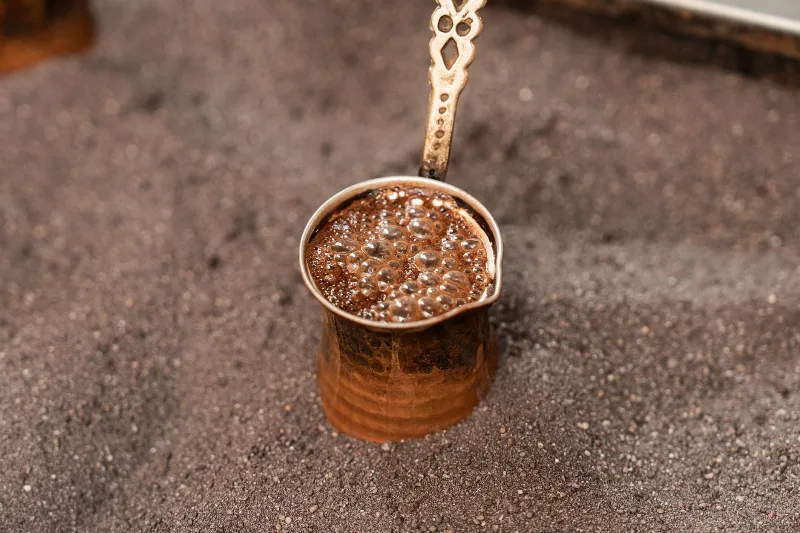
Traditional Turkish coffee is made in a cezve, a small long-handled pot, using very finely ground coffee. Water, coffee and sugar—if desired—are combined cold and heated gently so that a thick foam forms on the surface. The brew is poured slowly into small fincan, often with the foam shared among the cups. The grounds settle at the bottom and are not drunk.
The grind is finer than for most other coffee styles, almost like powder, which allows the coffee to release its flavor without filtering. A slow, low heat helps create the foam known as köpük, a feature that many consider a sign of careful preparation. The cezve itself comes in different sizes, from single servings to larger pots for guests.
Coffee in Social Life
Coffeehouses, known as kahvehane, have long served as informal gathering places where people discuss news, play games and enjoy a cup together. Historically, these spaces gave men from different backgrounds a shared setting for conversation and entertainment. Today, coffeehouses continue to adapt, while the home remains another important stage for the ritual.
In homes, offering coffee is a gesture of hospitality that can mark the beginning of a visit or a quiet moment after a meal. The drink also features in celebrations and condolences, showing how it adapts to different social occasions. A cup is rarely rushed; the pause it creates is part of its purpose.
Serving Traditions and Symbolism
Turkish coffee is usually served with a glass of water and sometimes with lokum, a sweet confection that balances the strong flavor. The foam is considered a sign of skillful preparation, and the manner of serving reflects care for the guest. Small cups are held by the rim, and the coffee is sipped slowly while it is still warm.
After drinking, some people turn the cup over and read the grounds, a practice known as fal. The shapes left by the grounds are interpreted in a playful or reflective way, adding a social and symbolic layer to the experience. Whether or not the cup is read, the grounds remain a visible reminder of the method.
Regional and Seasonal Context
While the basic method remains consistent, local habits vary across Türkiye. In some areas, coffee is brewed with a little more sugar or served alongside different sweets; in others, the focus stays on the plain, intense taste of the grounds. Some families prefer unsweetened coffee, while others add sugar during brewing rather than after.
Cooler months often bring more frequent coffee breaks indoors, while warmer weather can move gatherings to courtyards and shaded gardens. In southeastern Türkiye, coffee may accompany local sweets, and in coastal areas it can provide a pause from the heat. These small differences show how a simple drink can reflect the rhythm of daily life.
Historic places
Explore history →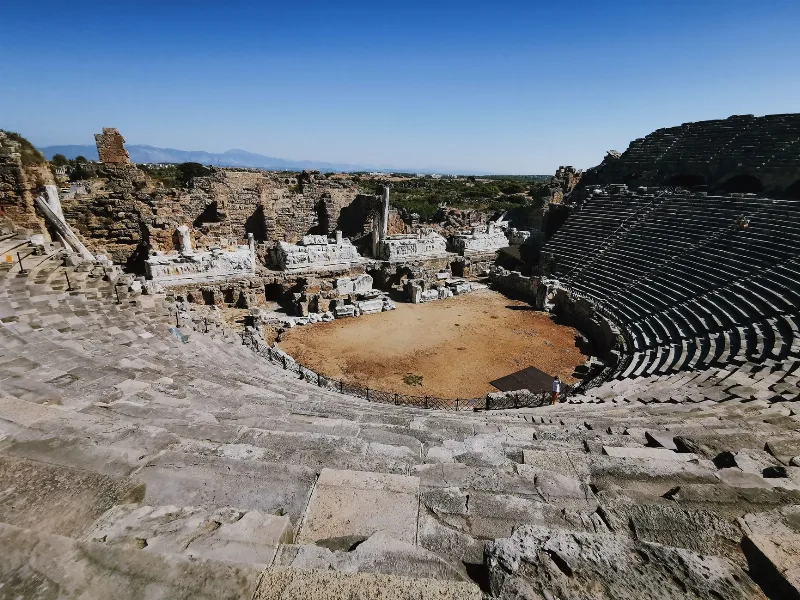
Side
Side is an ancient Pamphylian port city on a peninsula in Antalya Province, Türkiye, known for its well-preserved Roman theatre, the temples of Apollo and Athena, and a museum housed in Roman baths. It flourished under Hellenistic and Roman rule and was abandoned by the 10th century, leaving extensive ruins that visitors can explore today.
Explore →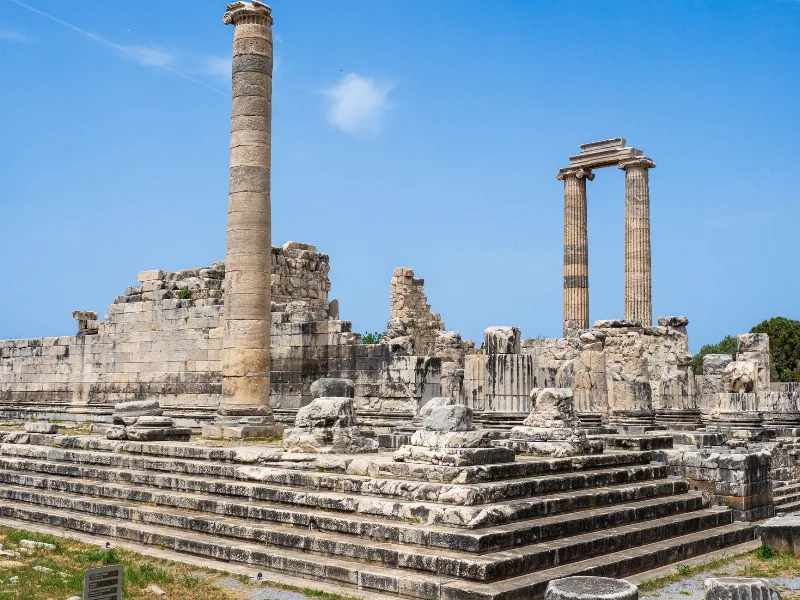
Didyma
Didyma is an ancient Greek sanctuary and oracle of Apollo in Aydın Province, Türkiye, whose vast Temple of Apollo is one of the largest ever built in the Greek world. Its surviving platform, columns, reliefs and Sacred Way make it a major archaeological site on the coast near Miletus.
Explore →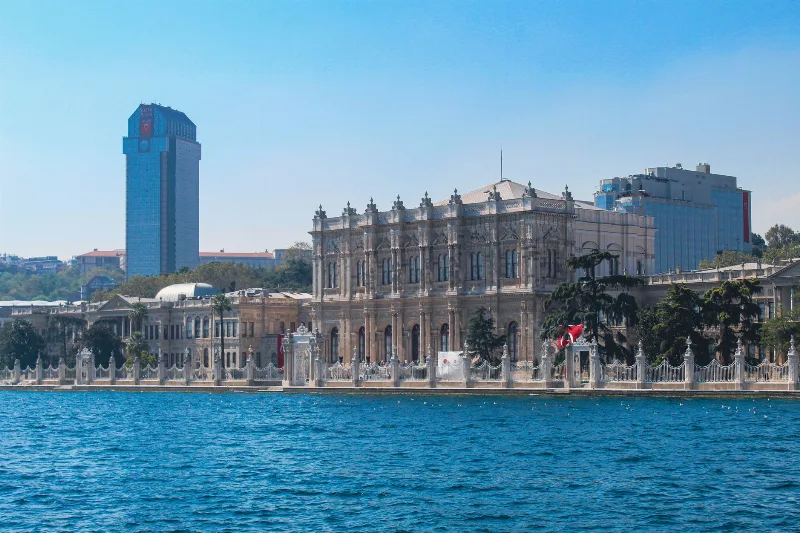
Dolmabahçe Palace
Dolmabahçe Palace is the 19th-century Ottoman palace on the European shore of the Bosphorus in Istanbul, built under Sultan Abdülmecid I as the empire's main administrative centre. It was the sultans' residence in the empire's final decades and the place where Mustafa Kemal Atatürk died in 1938.
Explore →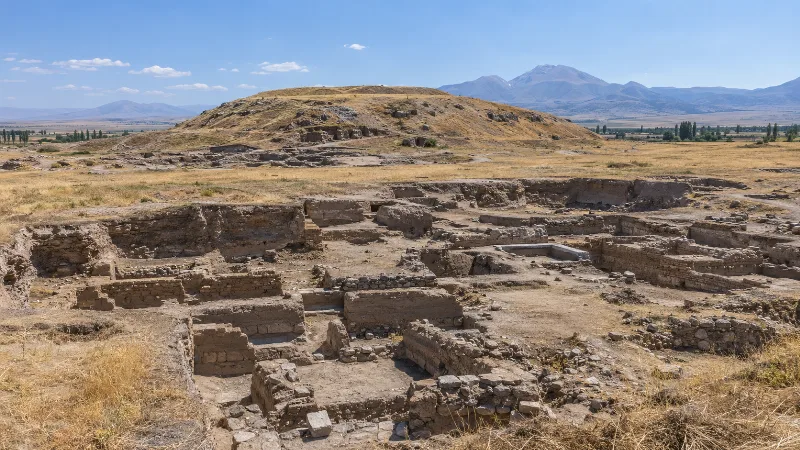
Kültepe
Kültepe, the ancient city of Kanesh, is a Bronze Age mound and lower-city site northeast of Kayseri in central Türkiye. Its Assyrian merchants left behind thousands of cuneiform tablets, the earliest written records discovered in Anatolia.
Explore →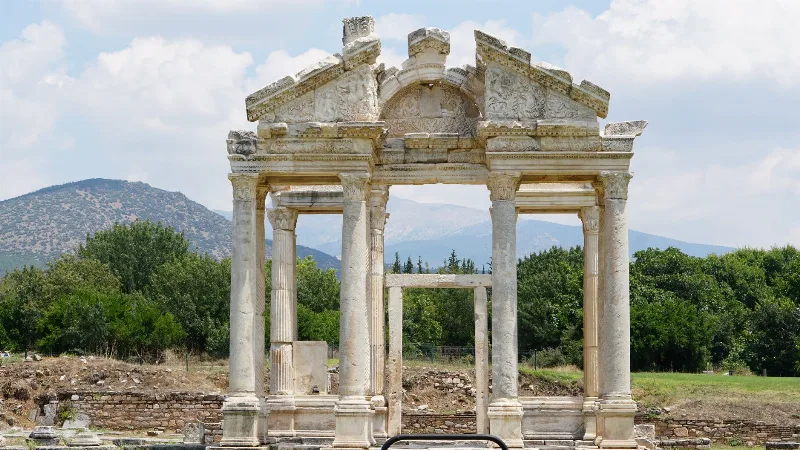
Aphrodisias
Aphrodisias is an ancient city in Aydın Province, Türkiye, built around a sanctuary of Aphrodite and celebrated for its marble sculpture and remarkably intact public buildings. It has been a UNESCO World Heritage Site since 2017.
Explore →Related content
Istanbul
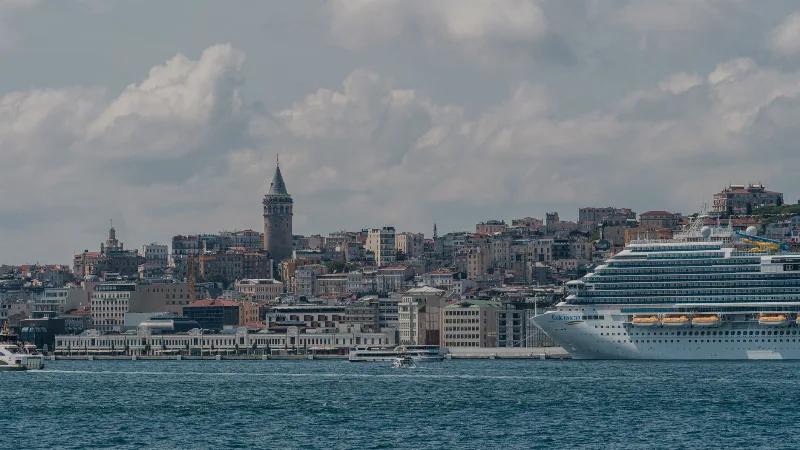
Istanbul is Türkiye's largest city and the country's only metropolis that spans two continents, divided by the Bosphorus strait into a European and an Asian half. Its long run as an imperial capital left a historic core of palaces, mosques and bazaars that still shapes the city's identity.
Turkish Coffee Culture in Türkiye
Discover the rich history and social significance of Turkish coffee, a cherished tradition in Türkiye. Learn about its preparation, cultural rituals, and enduring appeal.
Traditional Crafts of a Turkish Bazaar
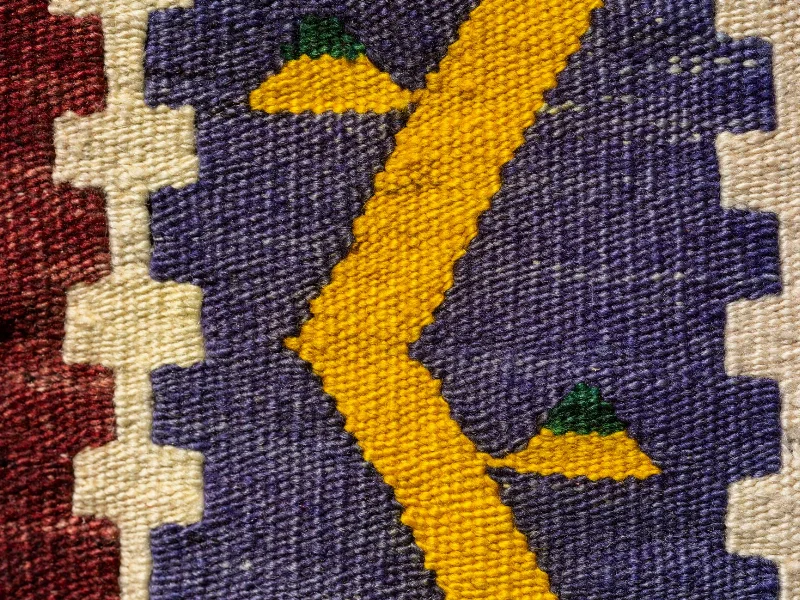
Türkiye's bazaars are living archives of craft, where copper, çini ceramics, kilims and ebru marbling are still shaped by hand. This page explores the trades, materials and traditions behind them.
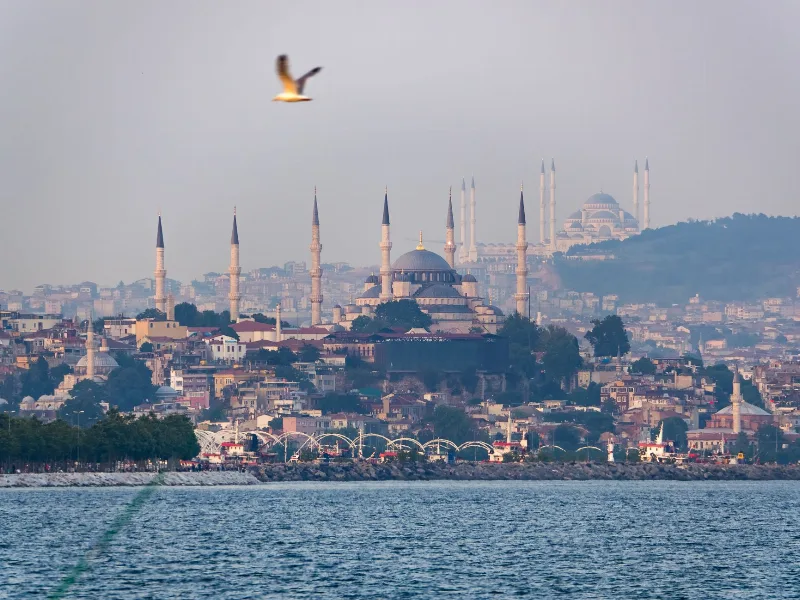
Istanbul's Historic Sultanahmet
Sultanahmet is Istanbul's historic core, a walkable peninsula of Byzantine and Ottoman monuments facing the Bosphorus and the Sea of Marmara.
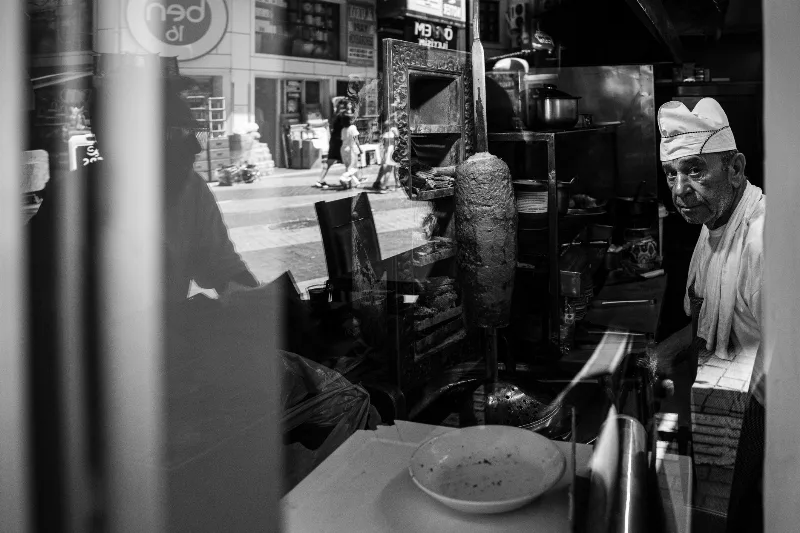
Traditional Food in Türkiye
Explore Türkiye's rich culinary landscape, featuring iconic dishes like kebabs and baklava that reflect its diverse cultural heritage.
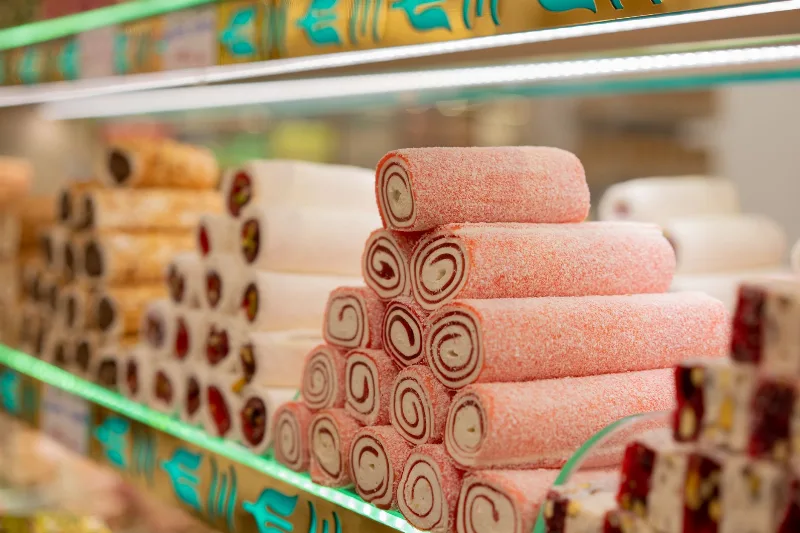
Turkish Delight and Sweets
Turkish delight sits at the heart of a layered confectionery culture that runs from Ottoman court kitchens to family tables across Türkiye. The sweets range from chewy lokum and syrup-soaked pastries to milk puddings and sesame helva.