
Turkish Delight and Traditional Sweets of Türkiye
Turkish delight sits at the heart of a layered confectionery culture that runs from Ottoman court kitchens to family tables across Türkiye. The sweets range from chewy lokum and syrup-soaked pastries to milk puddings and sesame helva.
Türkiye has a deep and varied sweet tradition, and Turkish delight — known in the country as lokum — is its best-known ambassador. Soft cubes of starch and sugar, scented with rosewater or mastic and often filled with nuts, sit within a much broader confectionery culture that ranges from Ottoman palace kitchens to family tables in cities and villages alike. A handful of these sweets opens an easy window onto Turkish hospitality, regional identity and the celebrations that mark the year.
A Confectionery Tradition Shaped by Court and City
Sweet-making in Anatolia developed alongside the Ottoman court, where specialist confectioners worked with sugar, honey, starch, rosewater and dried fruits. Sugar was a costly ingredient for centuries, so sweets carried a sense of occasion and were prepared for festivals, weddings and important visits. Over time, techniques moved from palace kitchens into town workshops and households, and sugar became part of daily life. Today the same building blocks — sugar, starch, butter, nuts, milk and fragrant waters — still define the country's confectionery.
Lokum: Starch, Sugar and Fragrance
Turkish delight is essentially a gel of sugar and starch, cooked slowly until thick, then left to set and cut into cubes. Flavourings give each type its character: rosewater for a delicate floral version, mastic — the resin known as sakız — for a subtle pine-like note, and lemon for brightness. Nuts and dried fruits add texture, from walnuts and hazelnuts to pistachios and apricots. Styles vary as well. Some lokum is soft and yielding, while çifte kavrulmuş lokum is double-roasted for a firmer, drier bite, often paired with pistachio. A small piece served beside Turkish coffee is a familiar combination.
Pastry, Syrup and Milk: A Wider Family
Beyond lokum, the country's sweets fall loosely into a few families. Syrup-soaked pastries include baklava, made from very thin layers of filo with butter and nuts; kadayıf, built from fine shreds of pastry; and semolina cakes such as revani and şekerpare. Hatay's künefe combines kadayıf shreds with cheese and a light syrup, and is served warm. Milk-based desserts form a separate group: sütlaç, a baked rice pudding; kazandibi; keşkül; and tavukgöğsü, a pale pudding with a long history in Ottoman cooking. Güllaç, made from thin wafers softened in milk and rosewater, is strongly linked to Ramadan.
Helva, Pişmaniye and Everyday Sweets
Helva appears in several forms — tahin helvası made from sesame paste, and home-made un helvası or irmik helvası prepared for gatherings and commemorations. Pişmaniye, a light fibrous sweet associated with İzmit in Kocaeli, is pulled and stretched until it resembles fine threads. In Mersin, cezerye is made from carrot, sugar and nuts. Akide şekeri, hard boiled sweets in bright colours, and fruit pastes known as macun belong to the older confectionery repertoire and are still made in some towns.
Sweets, Hospitality and Celebration
Offering something sweet is a standard gesture of welcome in Türkiye. Ramadan Bayramı is widely called Şeker Bayramı, and visitors are offered sweets and chocolate alongside coffee. Sweets also mark births, weddings, school successes and religious festivals, while helva is prepared after a death as a shared, quiet offering. These habits show how closely confectionery is tied to social life rather than to dessert alone.
Regional Notes for Curious Travellers
Local ingredients shape local sweets. Gaziantep is known for pistachio work and fine baklava, Kahramanmaraş for its distinctive ice cream and nut-based sweets, Antakya for künefe, and Afyonkarahisar for thick kaymak, a clotted cream often served with honey or with sweets. Kocaeli is associated with pişmaniye, and Mersin with cezerye. Noticing these differences gives a simple, edible map of the country and a pleasant way to follow its regional character.
Related content
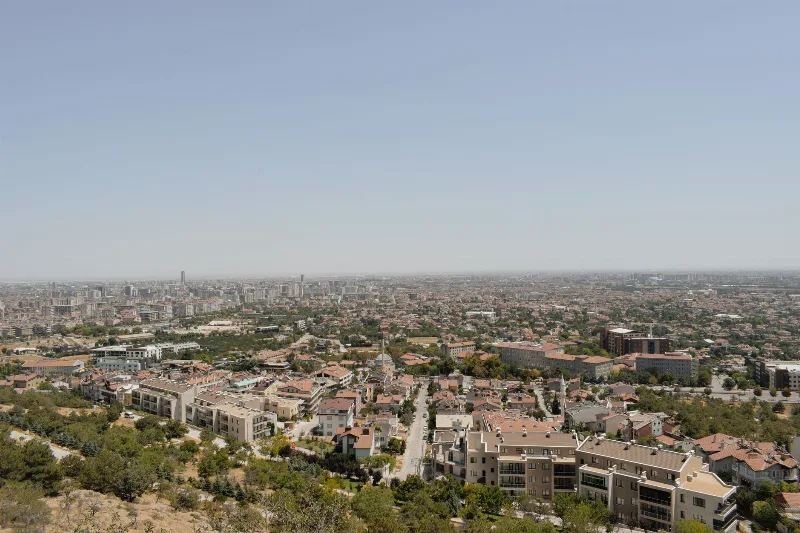
Gaziantep
Gaziantep is a major city in southeastern Türkiye and the administrative centre of its province, widely recognised as the country's gastronomic capital and known for its citadel, bazaars and the Zeugma Mosaic Museum.
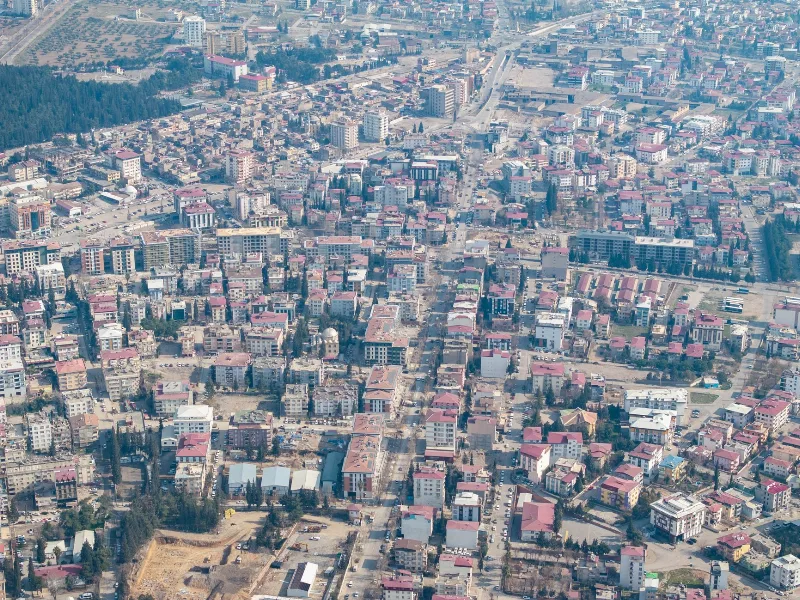
Kahramanmaraş
Kahramanmaraş is an inland city in southern Türkiye, set on a plain below the Taurus Mountains, known worldwide for its elastic salep-based dondurma and for a textile industry built on denim.
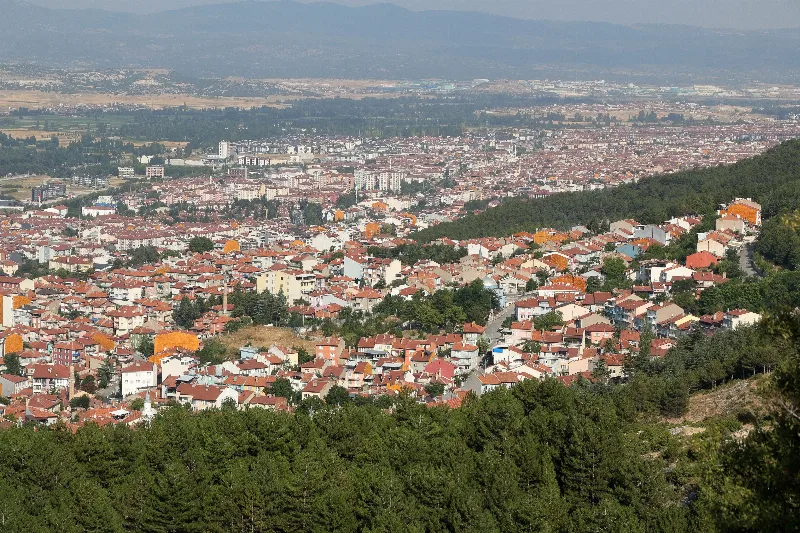
Afyonkarahisar
Explore Afyonkarahisar, western Central Anatolia: history, standout sights, landscapes, local food and practical travel advice for an unforgettable journey in Türkiye.
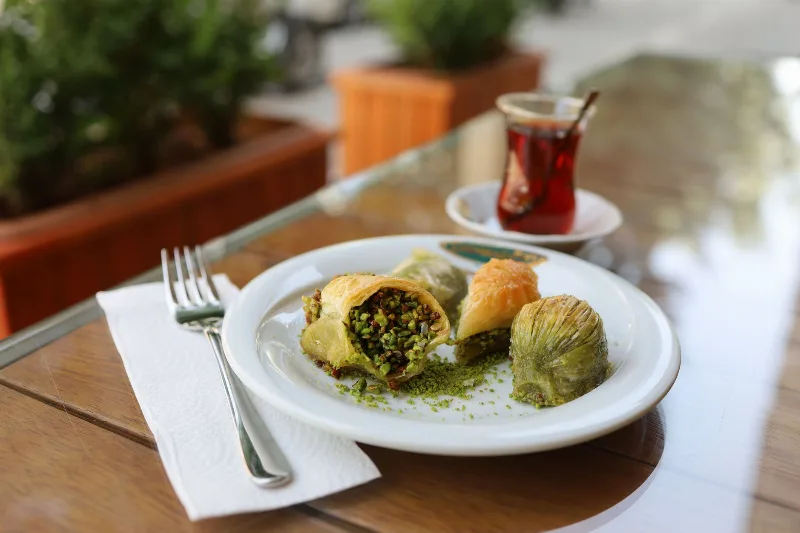
Culinary Delights of Gaziantep
Gaziantep in southeastern Türkiye is known for a regional cuisine built on pistachios, pepper paste, bulgur and slow-cooked dishes that reflect centuries of trade and local tradition.
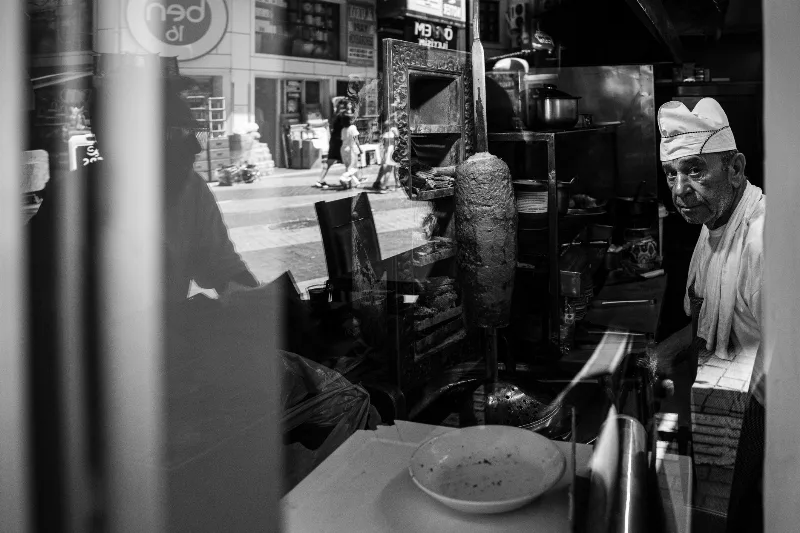
Traditional Food in Türkiye
Explore Türkiye's rich culinary landscape, featuring iconic dishes like kebabs and baklava that reflect its diverse cultural heritage.
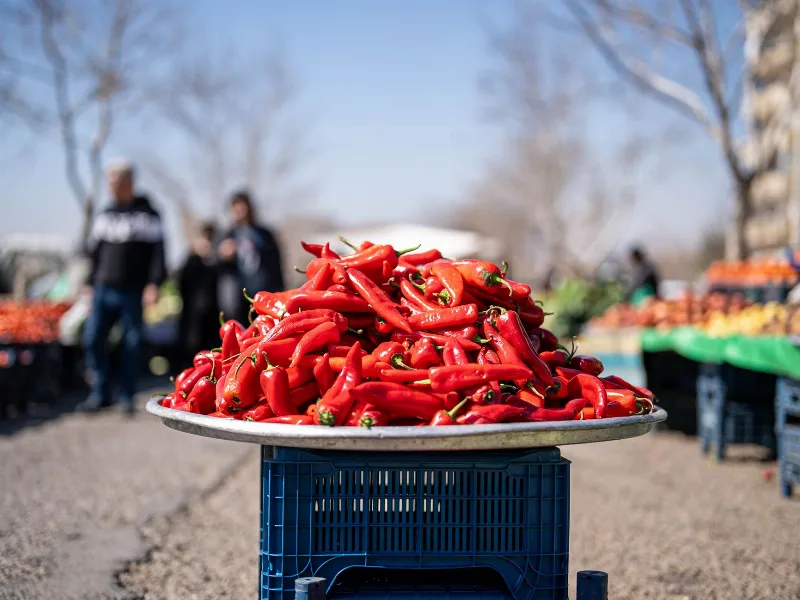
Kahramanmaraş Peppers
Kahramanmaraş peppers are the red peppers grown on the inland plains of southern Türkiye, where hot, dry summers and fertile soils give the crop its deep colour, moderate heat and smoky aroma.
Afyonkarahisar Marble Quarries and Stonework Tradition
Afyonkarahisar's marble quarries have shaped the province's buildings, crafts and working life for centuries. The region's pale stone travels from hillside pits to workshops where carvers keep a long stoneworking tradition alive.
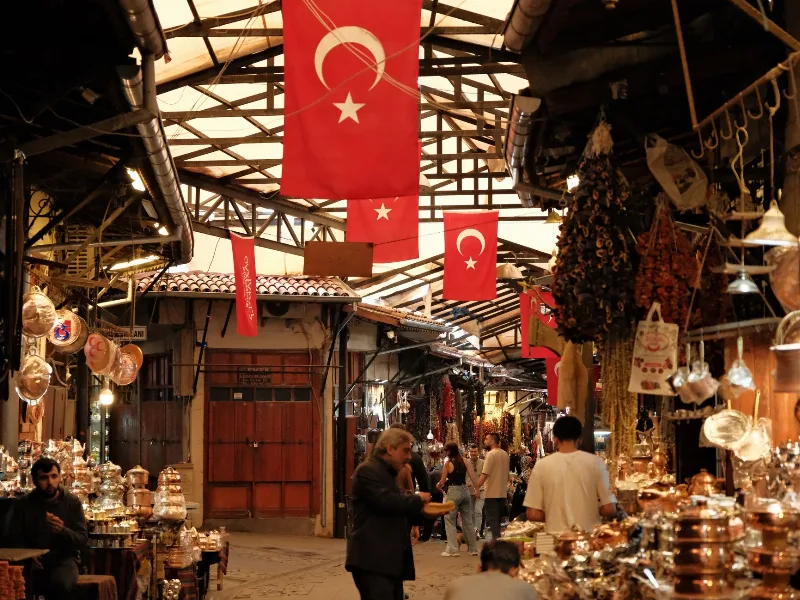
Savoring the Flavors of Gaziantep's Cuisine
Discover the rich culinary traditions of Gaziantep, a city known for its diverse and flavorful dishes that showcase the gastronomic richness of Türkiye.