
Traditional Crafts of a Turkish Bazaar
Türkiye's bazaars are living archives of craft, where copper, çini ceramics, kilims and ebru marbling are still shaped by hand. This page explores the trades, materials and traditions behind them.
From the vaulted lanes of Istanbul’s Kapalıçarşı to the open-air markets of Anatolian towns, the Turkish bazaar is more than a place to buy and sell. It is a living archive of Turkish Crafts, where local handicrafts have been shaped, taught and exchanged for centuries. Walking through a bazaar is a direct way to meet the materials, tools and techniques behind Bazaar Culture.
How a Turkish Bazaar Is Organized
Most historic bazaars follow a simple logic: trades are grouped by street. In Istanbul’s Grand Bazaar, covered passages lead from one craft quarter to another, while the bedesten, the vaulted core of the complex, once held the most valuable goods. Hans, the courtyards built around caravanserais, offered travelling merchants lodging, storage and stables. In cities such as Gaziantep, İzmir and Şanlıurfa this pattern survives in names that still describe the work done there, such as Bakırcılar Çarşısı, the coppersmiths’ market. The old guild system, the lonca, once set training and standards, and its legacy lives on in the master–apprentice relationship that keeps skills moving between generations.
Carpets, Kilims and Silk
Textiles are among the most recognisable of Turkish crafts. Hand-knotted carpets and flat-woven kilims come from weaving traditions across Anatolia, including Kula, Milas, Bergama and Yuntdağ, each with its own motifs and dye palette. Wool from highland sheep, cotton from the Çukurova plain and silk from Bursa are classic materials. Bursa’s Koza Han was built around the silkworm cocoon trade, and silk still links the city to a craft history that stretches along the old caravan routes. Needle lace known as oya, felt made by rolling and pressing wool, and finely woven shawls also appear in bazaar stalls, often made in the villages that supply them.
Copper, Silver and Meerschaum
Metalwork has its own corner in almost every bazaar. Gaziantep is known for hand-hammered copper trays, bowls and cezve coffee pots, worked over anvil and form until the surface catches the light. In Mardin and Midyat, silversmiths practise telkari, a filigree technique of twisting fine wire into lace-like patterns. Eskişehir is associated with lületaşı, meerschaum, a soft white mineral carved into pipes and small ornaments before being polished. Brass and tinned vessels round out a trade that depends on fire, patience and a good ear for the sound of the hammer.
Çini, Glass Beads and Ebru
Ceramic tiles and vessels, known as çini, are made in İznik and Kütahya, where workshops still paint tulips, carnations and vine scrolls in cobalt, turquoise and tomato red on a white ground. Glasswork includes the small blue nazar boncuğu beads produced around Görece near İzmir, shaped from molten glass in a simple furnace. Paper has its own craft in ebru, the art of marbling, in which pigments floating on thickened water are combed into patterns and lifted onto a sheet. These techniques are taught in workshops attached to bazaars and cultural centres, keeping them visible to visitors and students alike.
Markets Beyond the Grand Bazaar
Bazaar Culture is not limited to Istanbul. İzmir’s Kemeraltı stretches for streets around the Hisar Mosque quarter, mixing textiles, spices and small workshops. In Şanlıurfa, Gümrük Hanı and the surrounding lanes shelter crafts and tea gardens in equal measure. Safranbolu’s arasta sits beneath the old mosque, and Konya has a long association with yemeni, the light leather shoes once stitched by hand. In many towns a weekly pazar brings farmers, weavers and basket makers together on the same day.
Craft That Still Belongs to Daily Life
What makes these crafts durable is their place in everyday use. A copper pot, a kilim, a beaded bracelet or a tiled panel is made to be used as much as admired, and the bazaar gives each object a context: the street it comes from, the material it is made of, the hands that shaped it. For travellers, this makes the bazaar a place of observation rather than simple shopping, a chance to watch a technique and understand how local handicrafts in Türkiye continue to adapt while holding on to older forms.
Related content
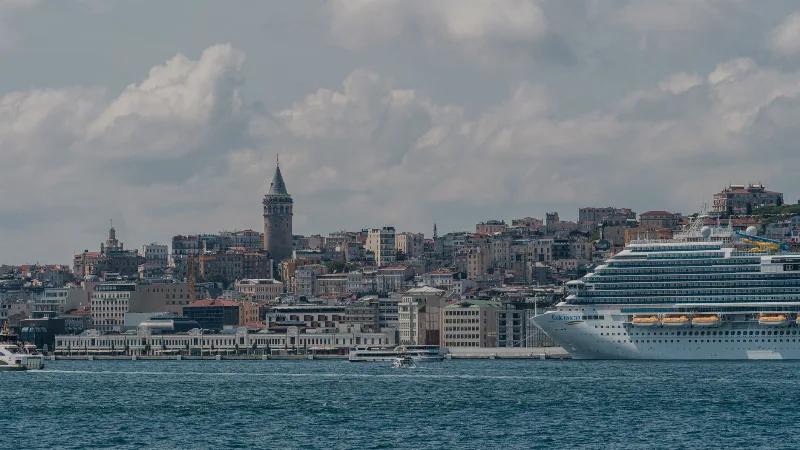
Istanbul
Istanbul is Türkiye's largest city and the country's only metropolis that spans two continents, divided by the Bosphorus strait into a European and an Asian half. Its long run as an imperial capital left a historic core of palaces, mosques and bazaars that still shapes the city's identity.
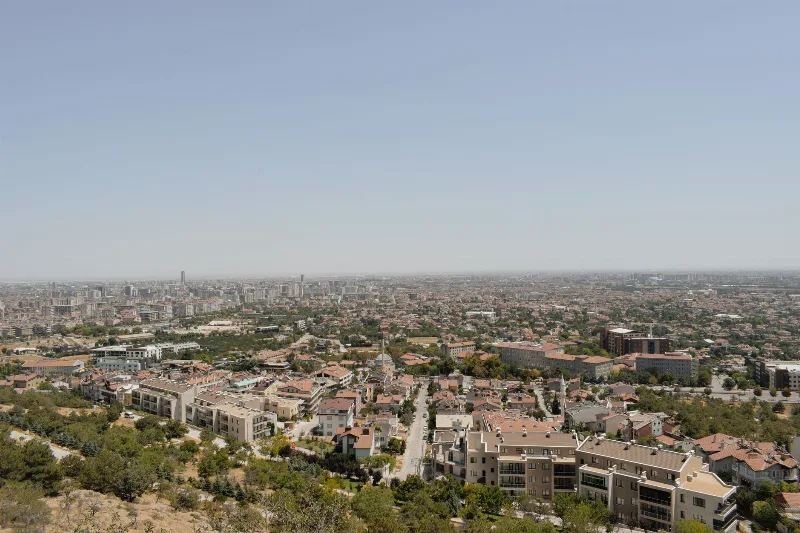
Gaziantep
Gaziantep is a major city in southeastern Türkiye and the administrative centre of its province, widely recognised as the country's gastronomic capital and known for its citadel, bazaars and the Zeugma Mosaic Museum.
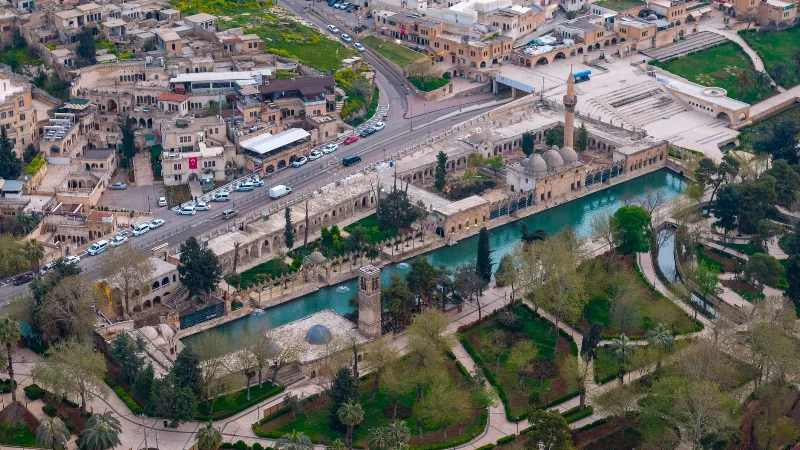
Şanlıurfa
Şanlıurfa, commonly called Urfa, is a large city in southeastern Türkiye and the capital of its province. It is known both as a place tied to the tradition of the Prophet Abraham and as the gateway to Göbekli Tepe, one of the oldest monumental sites ever found.
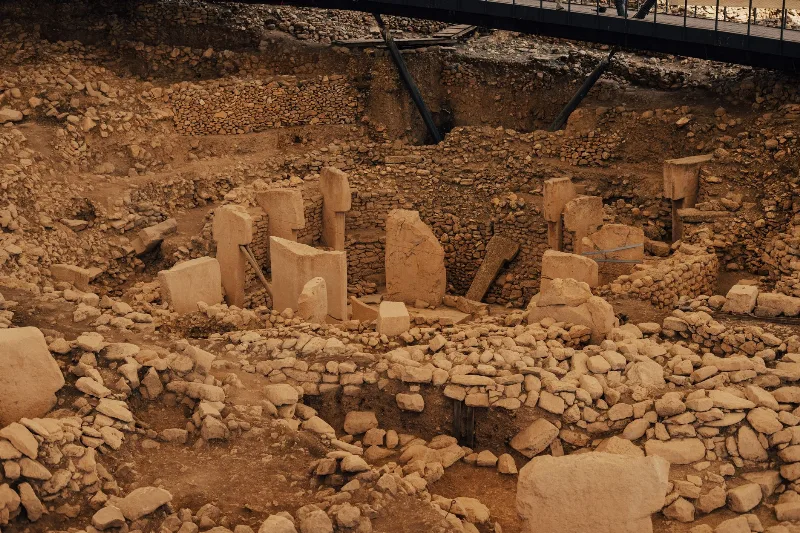
4-Day Southeastern Anatolia Route: Gaziantep to Mardin via Şanlıurfa
A four-day linear route across Southeastern Anatolia, linking the historic cities of Gaziantep, Şanlıurfa and Mardin by road, with the Neolithic site of Göbeklitepe and the ancient settlement of Harran fitted into the middle of the journey.
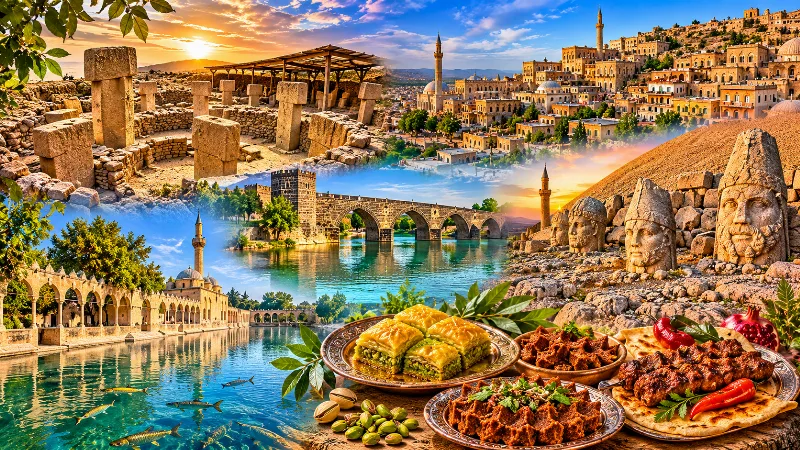
Southeastern Anatolia Region
Southeastern Anatolia is known for its ancient cities, extraordinary archaeological heritage, traditional stone architecture and rich culinary culture. From the historic streets of Mardin to the monumental landscapes of Şanlıurfa and the Euphrates River, the region reflects thousands of years of civilization.
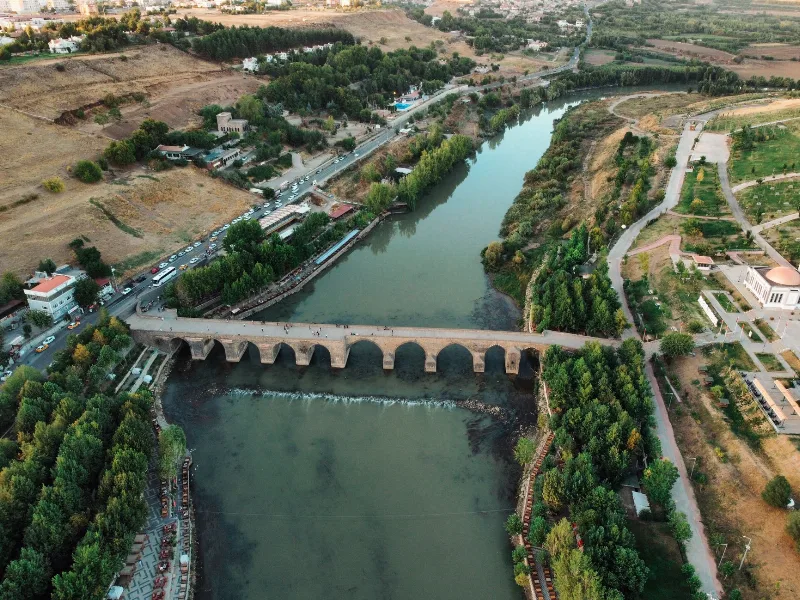
5-Day Tigris and Euphrates Route
A five-day, east-to-west journey across Southeastern Anatolia from Diyarbakır to Gaziantep, following the Tigris and Euphrates through Mardin, Şanlıurfa, Göbeklitepe and Harran.
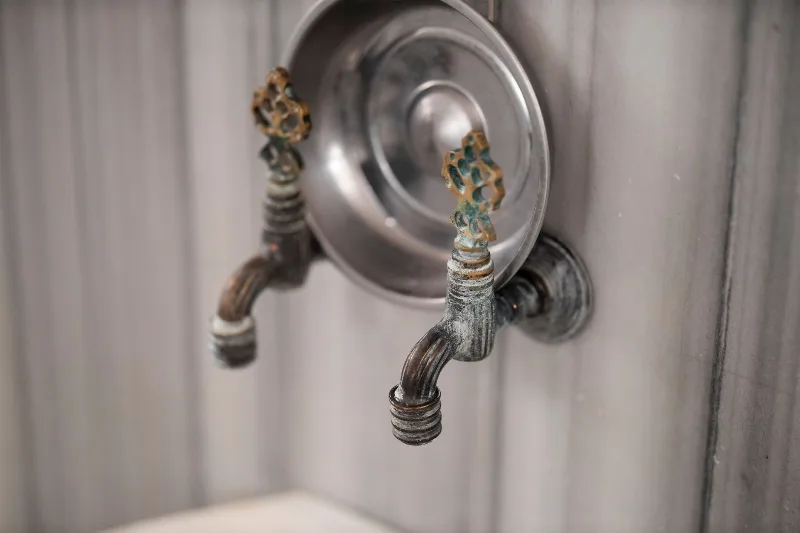
Traditional Turkish Baths
A traditional Turkish bath, or hamam, blends marble architecture, warm water and centuries of social ritual. Discover how hammam culture shapes daily life across Türkiye.
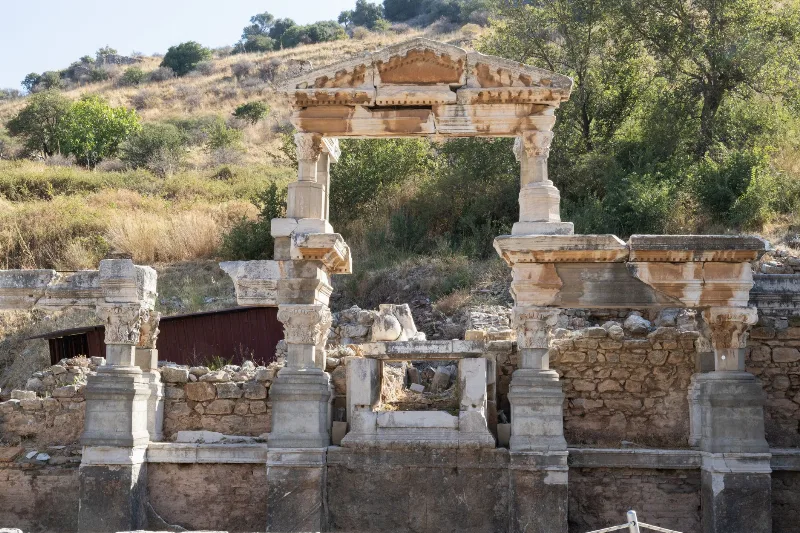
Cultural Heritage of Anatolia
Anatolia's cultural heritage spans millennia, blending ancient civilizations, architectural marvels, and living traditions across Türkiye.