
Traditional Turkish Baths: Hammam Culture in Türkiye
A traditional Turkish bath, or hamam, blends marble architecture, warm water and centuries of social ritual. Discover how hammam culture shapes daily life across Türkiye.
A traditional Turkish bath, known locally as a hamam, is far more than a place to wash. It is a cultural institution where architecture, water and hospitality come together, and where generations of people in Türkiye have gathered to rest, talk and restore themselves. For visitors curious about everyday Turkish culture, a historic bathhouse offers a calm and thoroughly local experience.
A Heritage Built on Water and Warmth
Anatolia has a long bathing tradition that reaches back to Roman and Byzantine times, when cities such as Hierapolis and Sardis were known for their thermal complexes. After the arrival of Turkic peoples and the spread of Islam, the bathhouse developed into a distinct form of public architecture. Seljuk builders established the first examples, and Ottoman architects refined the design over several centuries, adding domes, marble halls and ingenious heating systems. The classic hamam is heated from below: hot air circulates under the floor and rises through clay pipes inside the walls, warming the whole building evenly.
Inside the Building: Layout and Architecture
A hamam is usually organised in a sequence of rooms that step gradually from cool to hot. The entrance leads into a camekân, a spacious changing hall often crowned by a wooden gallery and a high dome. From there, bathers pass through the cool room and the warm room before reaching the hot room, or hararet. At its centre stands the göbek taşı, a raised marble platform where people lie down to rest and let the warmth do its work. Around the walls, small alcoves called halvet contain stone basins, or kurna, fed by brass taps. Light enters through star-shaped glass openings in the dome, scattering small bright patterns across the marble. Many historic complexes were built as çifte hamam, twin bathhouses for women and men, and some were attached to mosques, fountains and markets as part of a wider charitable foundation.
The Ritual of the Bath
Bathing follows a rhythm that is both practical and social. Guests wrap themselves in a thin striped cloth called a peştemal and often wear wooden clogs, or nalın, to protect their feet on the heated floor. In the hot room, water is poured from a bowl, the skin is gently scrubbed with a rough mitt known as a kese, and a rich foam of olive oil soap is worked into a soft lather. Between stages comes time on the warm marble, a pause that many describe as the most restful part of the visit. Afterwards, in the cooler hall, it is customary to drink tea or a fruit sherbet and to talk quietly with friends, a ritual that can last far longer than the bathing itself.
The Hamam in Social Life
The bathhouse has long been woven into Turkish social life. It has served as a meeting place for neighbours, a setting for celebrations before weddings and a place where news travels quickly. In many towns, particular days or hours have traditionally been set aside for women, while men bathe at other times. Preparations for a bride's bath, with music, sweets and henna, remain a fondly remembered custom in some regions. Even today, the hamam retains its role as a neighbourhood space rather than only a place of cleanliness.
Bathhouses Across Türkiye
Almost every historic city preserves at least one bathhouse, and many are still in use. Istanbul shelters a remarkable concentration of Ottoman examples, including structures attributed to the architect Mimar Sinan in the historic peninsula. Bursa, Edirne, Konya, Gaziantep, Tokat and Şanlıurfa all hold old hamams tied to their bazaars, mosques and trade routes. In smaller Anatolian towns, village baths and restored stone buildings keep the same sequence of cool, warm and hot rooms, often with simpler decoration and the same generous domed ceilings.
What to Expect on a Visit
Traditional baths usually keep separate sections or separate hours for women and men, and quiet, unhurried behaviour is appreciated. Experienced attendants guide the scrubbing and soaping, while first-time visitors are free to simply wash, rest and enjoy the calm. Bring a towel or cloth, and expect a warm, humid interior that is pleasant in winter and refreshing in summer. The experience is gentle, affordable and open to anyone interested in understanding how water, stone and shared time have shaped the culture of Türkiye.
Related content
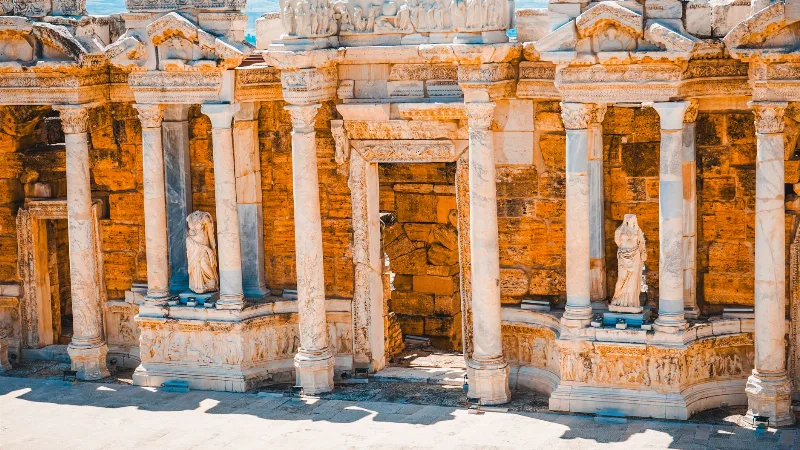
Hierapolis
Hierapolis is an ancient city in Denizli Province, Türkiye, built beside the hot springs and travertine terraces of Pamukkale. Its Roman theatre, vast necropolis, baths and the sanctuary of Apollo make it one of the most extensively preserved Greco-Roman cities in Anatolia and a UNESCO World Heritage Site.
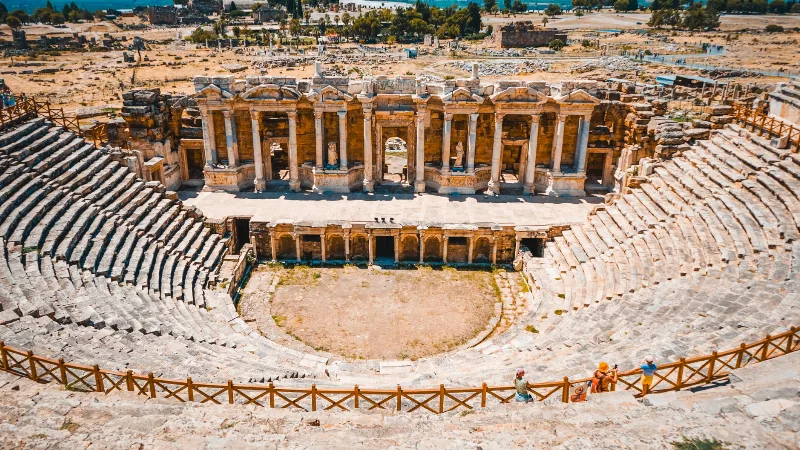
Hierapolis
Hierapolis is an ancient Graeco-Roman city built directly on the plateau above the travertine terraces of Pamukkale in southwestern Türkiye. Its thermal springs, the Plutonium, the necropolis and the martyrion of Philip made it one of the most distinctive sanctuaries of the ancient world.
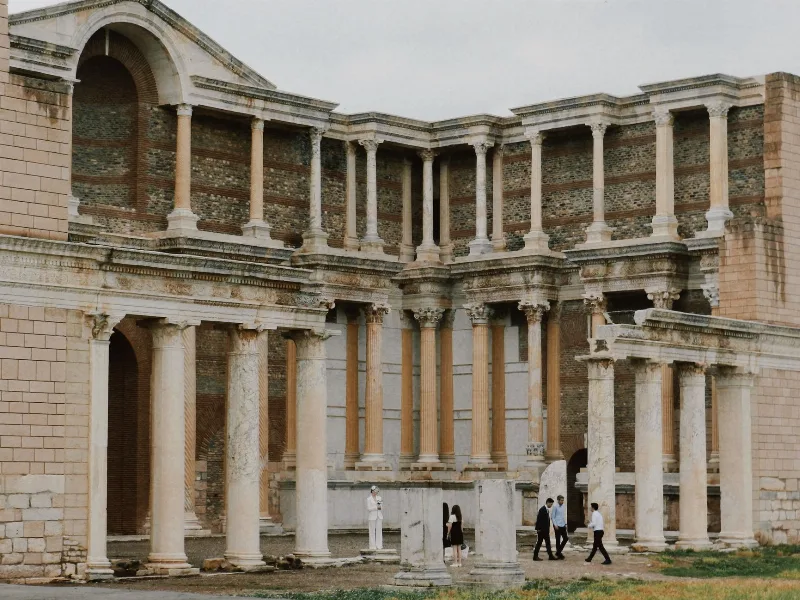
Sardis
Sardis was the Iron Age capital of the Lydian Kingdom in western Anatolia and later a major Roman and Byzantine city. Its surviving monuments include the Temple of Artemis, a vast bath-gymnasium complex and one of the largest ancient synagogues ever found.
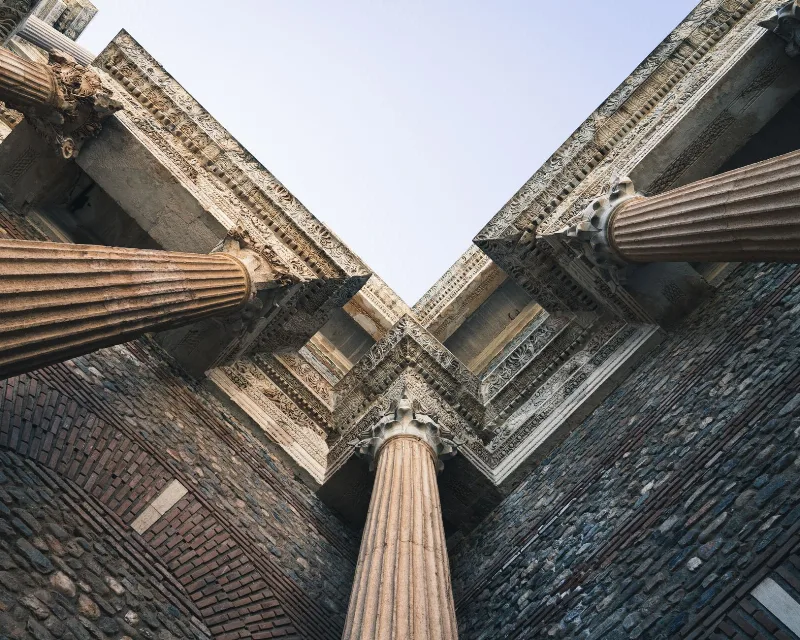
Sardis: The Lydian Capital of Croesus and the First Coins
Sardis was the capital of the Lydian kingdom and the place where coined money first appeared in the Western world. Its ruins in Manisa Province include a colossal Temple of Artemis, an ancient synagogue and the royal burial mounds of Bin Tepe.
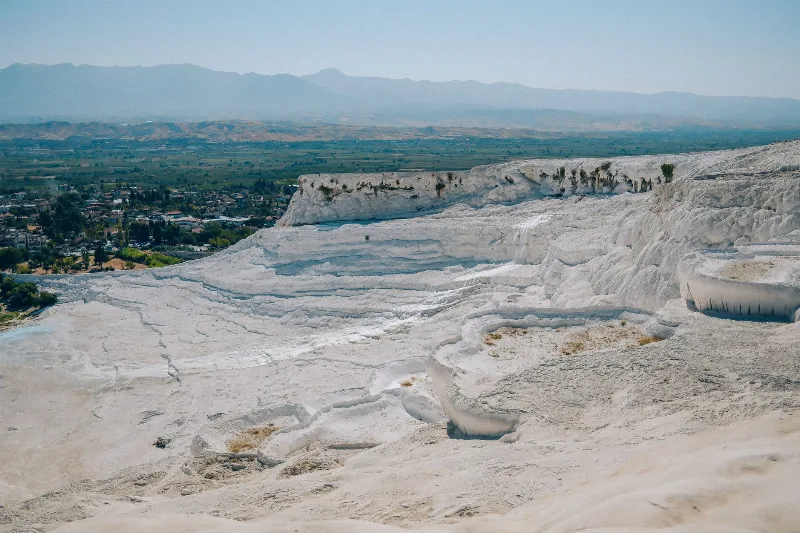
Hierapolis Ancient City and Thermal Pools
Hierapolis is an ancient city in Türkiye whose Greco-Roman ruins sit on a plateau above the white travertine terraces and warm mineral springs of Pamukkale.
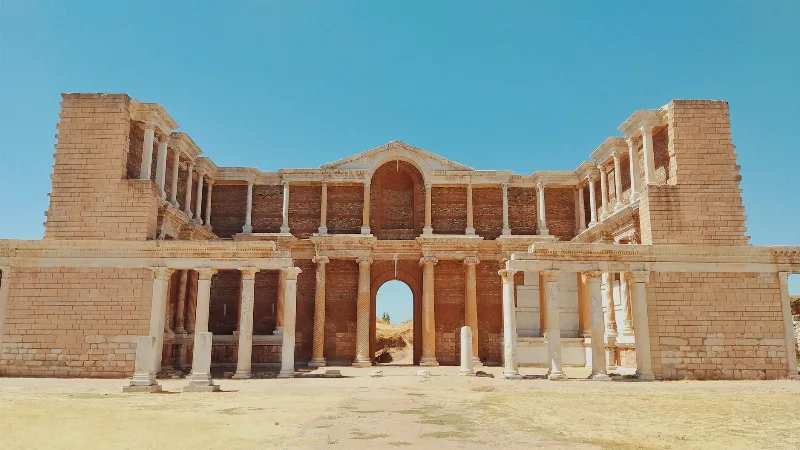
The Ancient City of Sardis in Lydia
Sardis, the ancient capital of Lydia in western Türkiye, preserves a monumental synagogue, a Roman gymnasium and the gold-bearing Pactolus river.
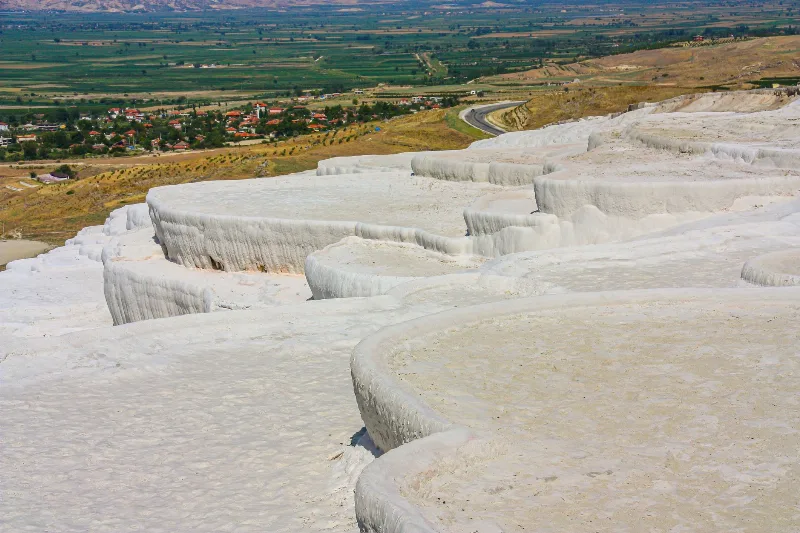
The Natural Wonders of Pamukkale
Pamukkale in Denizli, Türkiye, is a hillside of white travertine terraces and warm mineral springs that has been shaped by geology for millennia.
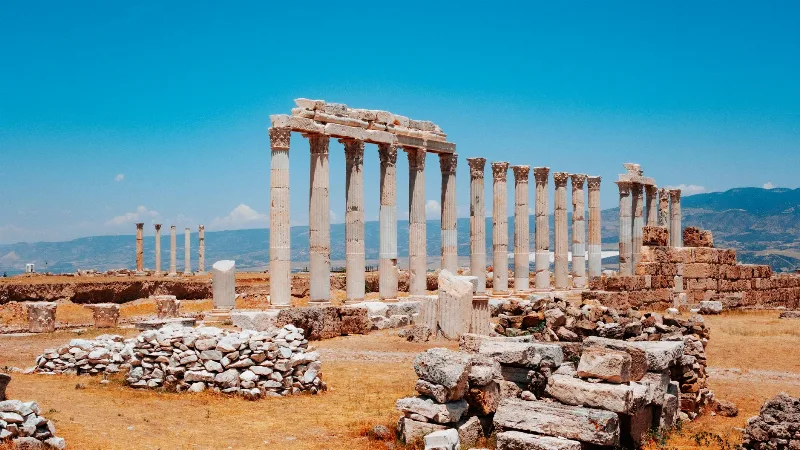
Laodicea
Laodicea is a Hellenistic and Roman city near Denizli in Türkiye, known for its theatre, stadium and early Christian remains. It was a wealthy commercial centre and one of the Seven Churches of Asia.