
The Cultural Riches of Konya and the Whirling Dervishes
STORIES FROM TÜRKİYE
Konya, located in the heart of Türkiye, is a city that resonates with spiritual and cultural significance. It is renowned as the home of the Whirling Dervishes, a mystical tradition that has captivated people for centuries. This city offers a unique glimpse into a spiritual journey that combines history, culture, and spirituality.
The Spiritual Significance of the Whirling Dervishes
The Whirling Dervishes, also known as the Mevlevi Order, are followers of the teachings of Mevlana Jalaluddin Rumi, a 13th-century Persian poet and Sufi mystic. Their spiritual practice involves a unique form of dance called 'sema,' which symbolizes the soul's ascent towards the divine. This mesmerizing performance is both a spiritual ceremony and a cultural tradition, drawing visitors from around the world to witness its beauty in Konya.
Historical Landmarks in Konya
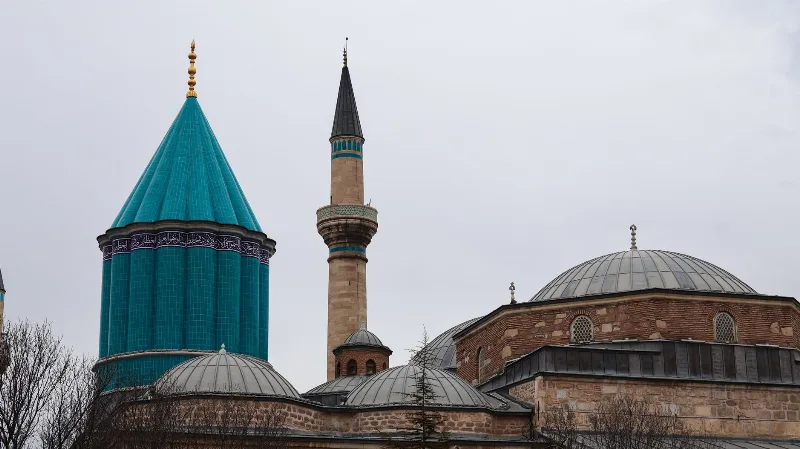
Konya is steeped in history, with numerous landmarks that tell the story of its rich past. One of the most significant sites is the Mevlana Museum, which houses the tomb of Rumi. The museum is a pilgrimage site for those seeking inspiration from Rumi's teachings. Another notable landmark is the Alaeddin Mosque, a stunning example of Seljuk architecture that dates back to the 12th century.
Exploring Konya's Architectural Heritage
Beyond its spiritual and historical significance, Konya boasts a remarkable architectural heritage. The city is adorned with beautiful examples of Seljuk and Ottoman architecture, from grand mosques to intricate carvings. The Karatay Madrasa, now a museum, showcases exquisite tile work and provides insights into the region's educational history.
Experiencing Konya's Local Culture
Konya's cultural traditions extend beyond the spiritual and historical. The city is also known for its regional cuisine, offering dishes that reflect the flavors of central Anatolia. Visitors can enjoy local specialties such as etli ekmek, a type of flatbread topped with meat, or the sweet treat, sekerpare. These culinary experiences provide a taste of Konya's rich cultural tapestry.
Historic places
Explore history →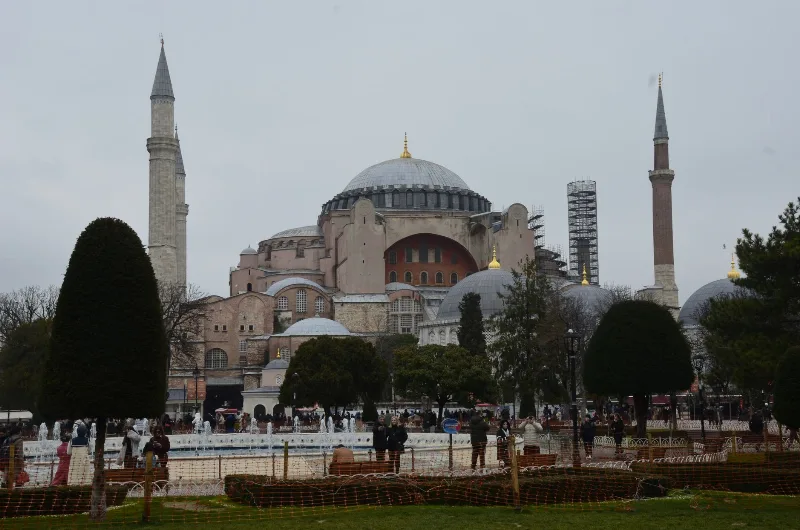
Hagia Sophia
Hagia Sophia in Istanbul is a monumental religious building begun under the Byzantine emperor Justinian I in 537 CE, later converted into an Ottoman mosque and today serving again as a mosque and UNESCO-listed monument.
Explore →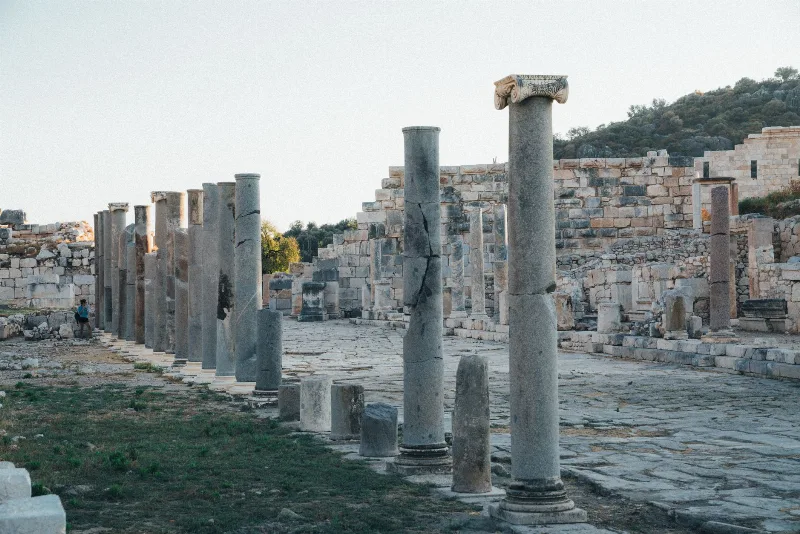
Patara
Patara is an ancient Lycian city in Antalya Province, Türkiye, that served as the meeting place of the Lycian League and preserves a Roman theatre, triumphal arch, bath complexes and an assembly hall beside a long sandy beach.
Explore →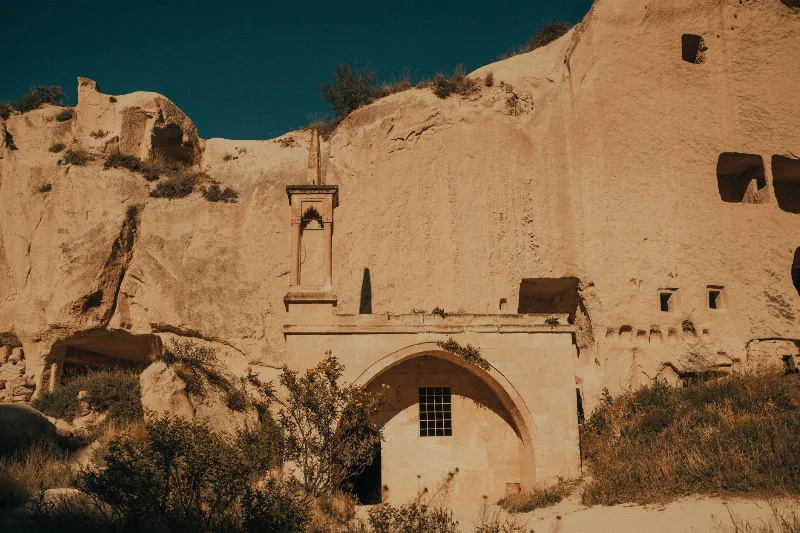
Göreme Open Air Museum
Göreme Open Air Museum is a rock-cut Byzantine monastic complex in the Göreme valley of Cappadocia, Nevşehir Province, whose churches preserve fresco cycles painted between the 10th and 13th centuries. It forms part of the UNESCO World Heritage Site of Göreme National Park and the Rock Sites of Cappadocia.
Explore →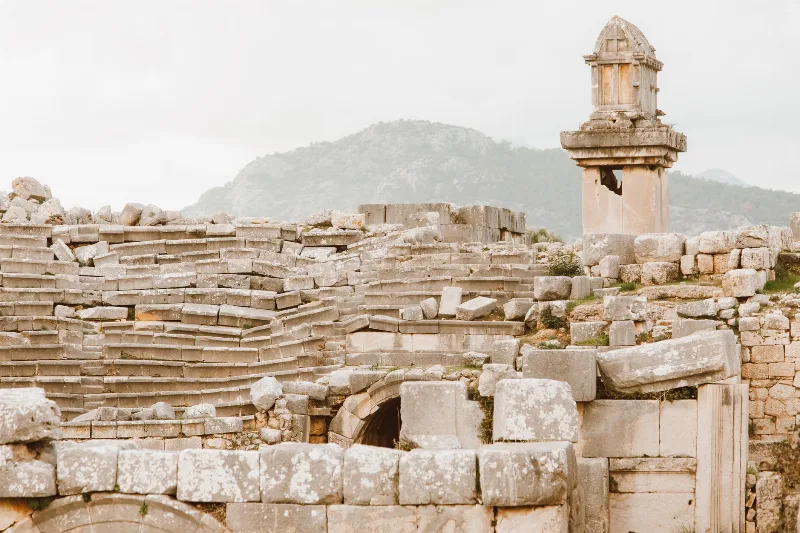
Xanthos
Xanthos was a leading city of Lycia and the seat of the Lycian League, on the frontier between the Antalya and Muğla provinces of Türkiye. Its surviving theatre, agora and tomb monuments, together with the nearby sanctuary of Letoon, form a UNESCO World Heritage Site.
Explore →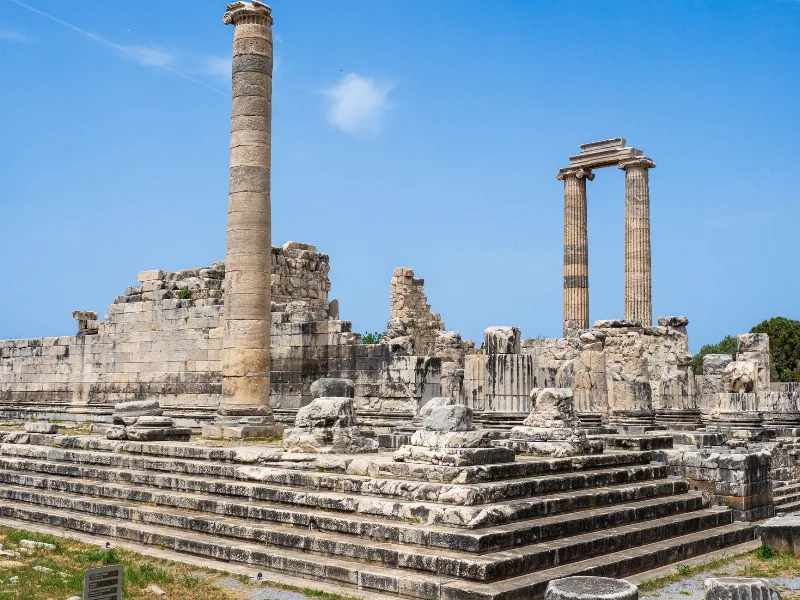
Didyma
Didyma is an ancient Greek sanctuary and oracle of Apollo in Aydın Province, Türkiye, whose vast Temple of Apollo is one of the largest ever built in the Greek world. Its surviving platform, columns, reliefs and Sacred Way make it a major archaeological site on the coast near Miletus.
Explore →Related content
Konya
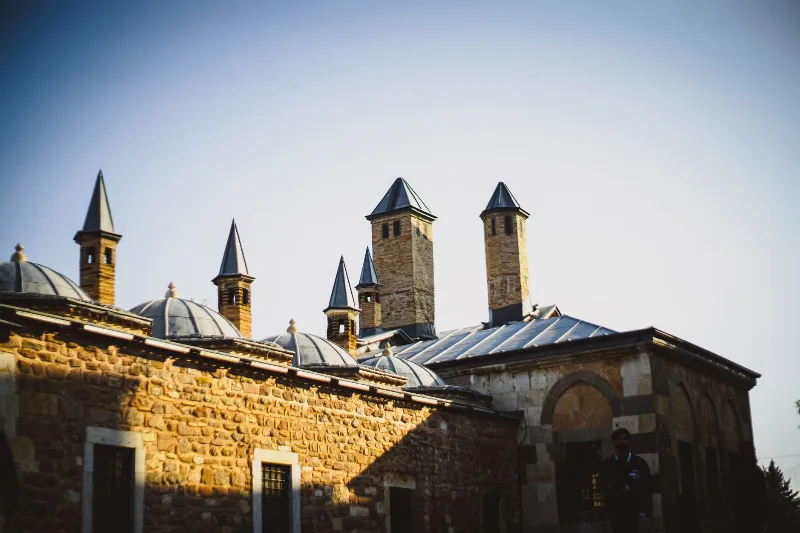
Konya is a city known for its spiritual essence and cultural heritage, home to the Mevlana Museum and the whirling dervishes.
Traditions of Whirling Dervishes
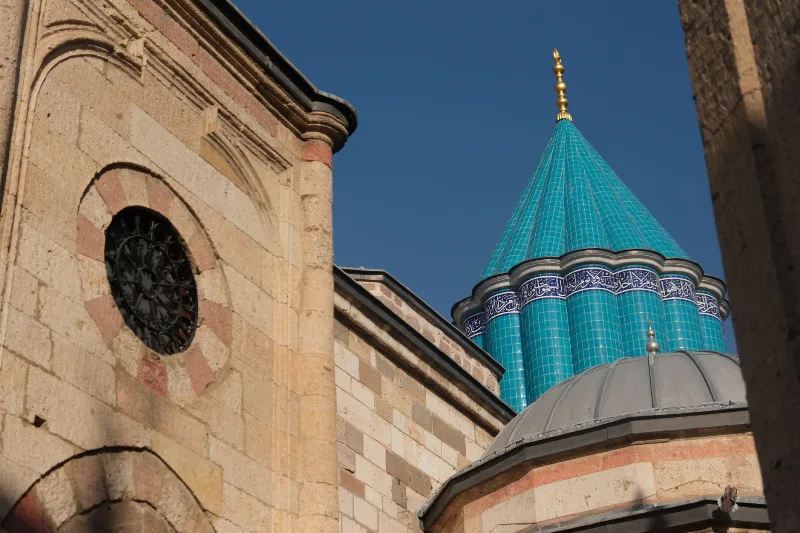
The Whirling Dervishes of the Mevlevi order turn in a meditative ritual known as the sema, a living cultural tradition centred on Konya and recognised by UNESCO.
Whirling Dervishes Tradition
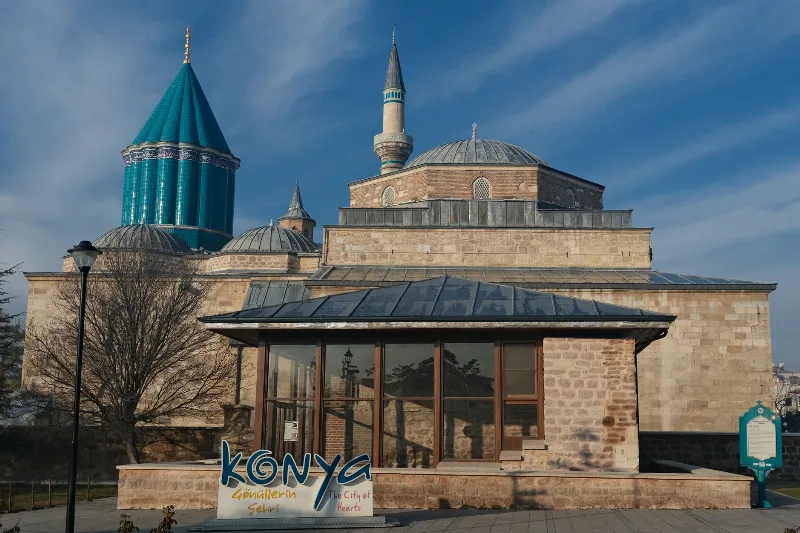
The Whirling Dervishes tradition of Türkiye blends music, movement and contemplation. Discover the Mevlevi heritage, the Sema ceremony's symbolism and the places where it endures.
Konya and the Legacy of Rumi
Konya, a high-plateau city in central Türkiye, is closely tied to the life and writings of Rumi, the thirteenth-century poet and mystic. Its Seljuk architecture, Mevlevi traditions and local cuisine give the city a distinct cultural character.
Cultural Festivals in Türkiye
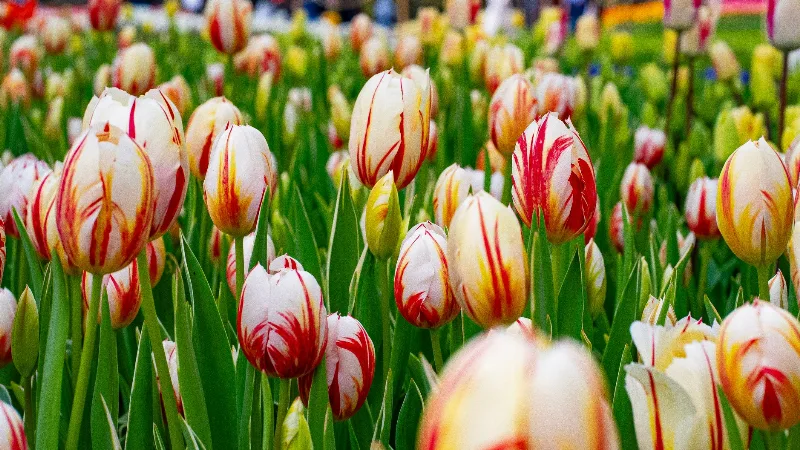
Türkiye's year is marked by festivals that celebrate spring, faith, harvest and history, from Hıdırellez bonfires to the whirling ceremonies of Konya.
Sille Village Rock Houses and Ancient Churches in Konya
Sille is an old village on the western edge of Konya, where dwellings cut into soft rock, historic churches and stone houses line a green valley. Its layered past reflects centuries of Anatolian village life.