
Exploring the Rugged Beauty of the Taurus Mountains
STORIES FROM TÜRKİYE
The Taurus Mountains, known in Turkish as Toros Dağları, form a majestic range that stretches across southern Türkiye. This rugged terrain draws nature enthusiasts and adventure seekers with its dramatic peaks, deep valleys, and pristine landscapes. From coastal foothills to snow-capped summits, the Taurus Mountains offer a wealth of opportunities for hiking, exploration, and cultural discovery.
A Vast and Diverse Range
The Taurus Mountains extend in a great arc from the Mediterranean coast of Antalya and Muğla provinces eastward to the upper reaches of the Euphrates and Tigris rivers. The range is divided into several sections, including the Western Taurus (Batı Toroslar), Central Taurus (Orta Toroslar), and Southeastern Taurus (Güneydoğu Toroslar). Notable peaks such as Demirkazık in the Aladağlar massif rise above 3,700 meters, while other summits like Kızılkaya and Kaldı offer challenging climbs. The mountains are characterized by karstic formations, including limestone pavements, sinkholes, and underground rivers, which add to the region's geological intrigue. Major rivers like the Seyhan, Ceyhan, and Göksu originate in these highlands, shaping the landscape as they flow toward the Mediterranean.
Hiking Trails and Terrain
Hiking in the Taurus Mountains offers a range of trails for different experience levels. The Aladağlar National Park features marked routes that wind through alpine meadows, rocky gorges, and past glacial lakes. The Lycian Way, a long-distance trail that skirts the western Taurus, provides coastal views and encounters with ancient ruins. The St. Paul Trail, another long-distance route, crosses the Taurus from Perge to Yalvaç, following Roman roads and passing through traditional villages. For those seeking solitude, the central Taurus offers remote paths where encounters with nomadic shepherds are common. Spring and autumn are favorable for hiking, as temperatures are mild and wildflowers bloom in abundance. Summer can be hot in lower elevations, while winter brings snow to higher altitudes, requiring proper gear and experience.
Flora and Fauna
The Taurus Mountains support a rich biodiversity, thanks to their varied altitude and climate. Lower slopes are covered with maquis shrubland and pine forests, including Turkish pine (Pinus brutia) and black pine (Pinus nigra). Higher elevations give way to fir and cedar trees, such as the Taurus fir (Abies cilicica) and cedar of Lebanon (Cedrus libani). Above the tree line, alpine grasses and endemic wildflowers thrive; many plant species are unique to the range. The mountains are home to wildlife such as wild goats (yaban keçisi), brown bears, wolves, and lynx. Birdwatchers may spot species like the Egyptian vulture and the golden eagle soaring above the peaks.
Cultural Encounters in the Mountains
The Taurus Mountains have been inhabited for millennia, leaving a legacy of ancient cities and traditional villages. The ancient city of Termessos, perched on a plateau in the western Taurus, is a striking example of a well-preserved Pisidian settlement. Further east, the ruins of Sagalassos blend seamlessly into the landscape, while Selge and Ariassos offer further glimpses into the region's past. Yörük nomads still migrate with their flocks between summer pastures (yayla) and winter quarters, preserving a centuries-old way of life. In mountain villages, local traditions such as carpet weaving and cheese making continue to thrive.
Seasonal Rhythms and Experiences
Each season in the Taurus Mountains brings a different character. Spring carpets the lower slopes with colorful blooms, while summer invites hikers to explore high-altitude trails. Autumn paints the forests in shades of gold and red, and winter transforms the peaks into a snowy wonderland, attracting mountaineers. The region's seasonal rhythm also influences local agriculture, with terraced fields producing olives, grapes, and honey. Winter sports take place on peaks like Davraz, adding to the range's year-round appeal. The Taurus Mountains provide opportunities to experience nature and culture throughout the year.
Historic places
Explore history →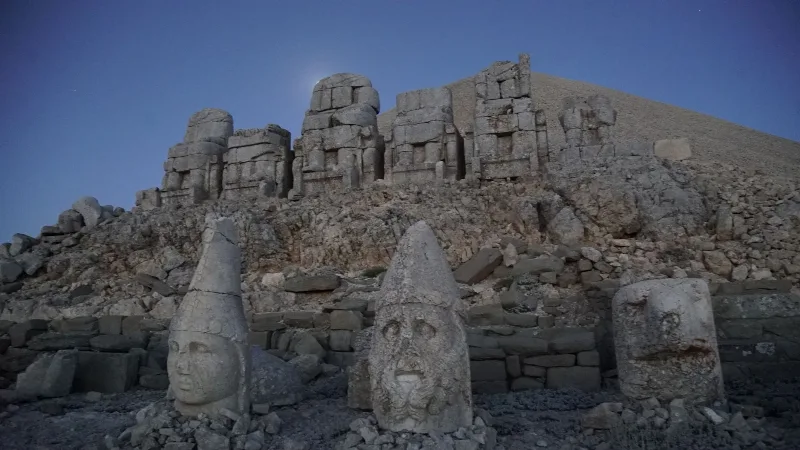
Mount Nemrut
Mount Nemrut in Adıyaman Province is the summit hierothesion of King Antiochus I of Commagene, where colossal statues of gods and a royal ruler stand on terraces above an artificial stone tumulus. The site is a UNESCO World Heritage property whose Greek inscriptions and reliefs record a Hellenistic kingdom of the first century BC.
Explore →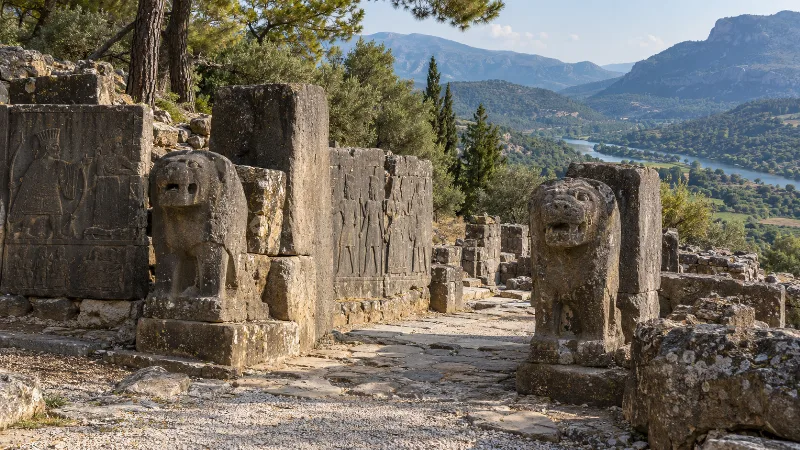
Karatepe
Karatepe is an 8th-century BC Hittite fortress above the Ceyhan River in Osmaniye Province, whose Phoenician–Luwian bilingual inscriptions unlocked the reading of Anatolian hieroglyphs.
Explore →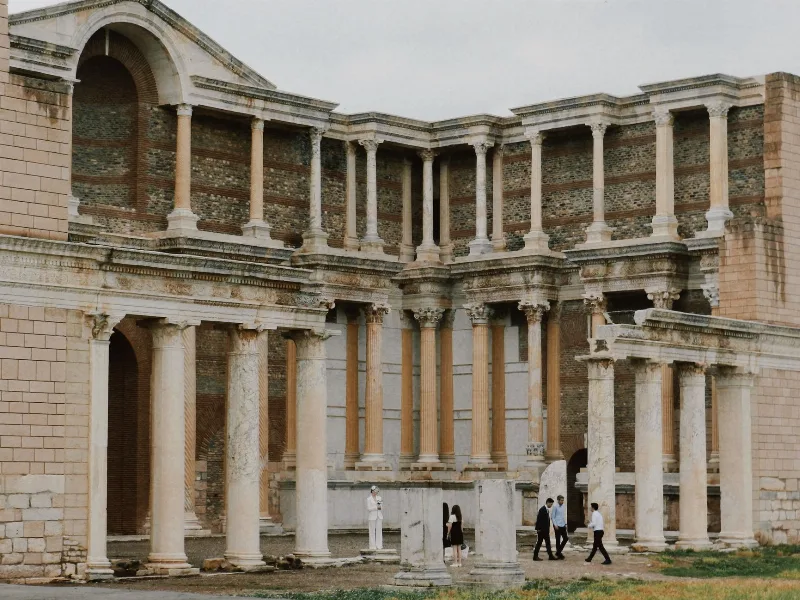
Sardis
Sardis was the Iron Age capital of the Lydian Kingdom in western Anatolia and later a major Roman and Byzantine city. Its surviving monuments include the Temple of Artemis, a vast bath-gymnasium complex and one of the largest ancient synagogues ever found.
Explore →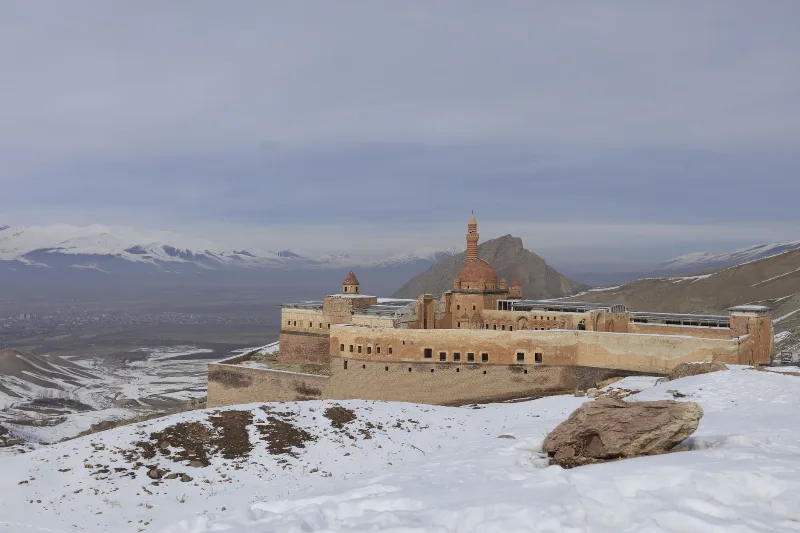
Ishak Pasha Palace
Ishak Pasha Palace is a late Ottoman palace complex in Doğubayazıt, Ağrı Province, eastern Turkey. Built between the late 17th and late 18th centuries, it is known for its stone architecture, which combines Ottoman, Seljuk, and Persian elements.
Explore →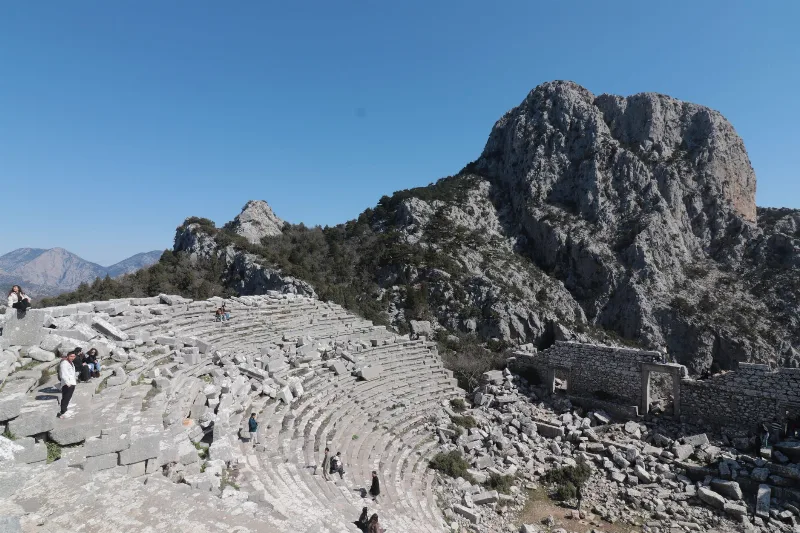
Termessos: The Pisidian Mountain City of Antalya
Termessos is an ancient Pisidian city set high in the Taurus Mountains of Antalya Province, Türkiye. Its abandoned ruins, including a theatre, gymnasium, cisterns and a sprawling necropolis, form one of the most complete archaeological landscapes of the Pisidian region.
Explore →Related content
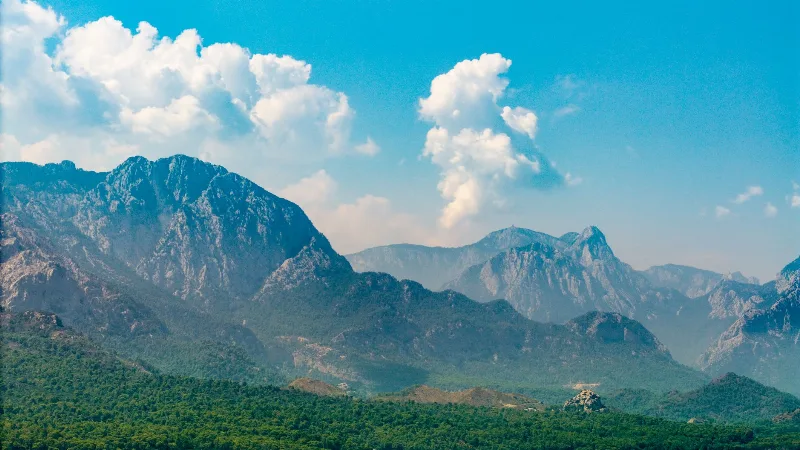
Antalya
Antalya offers a unique blend of vibrant history and stunning natural beauty, making it a must-visit destination in Türkiye.
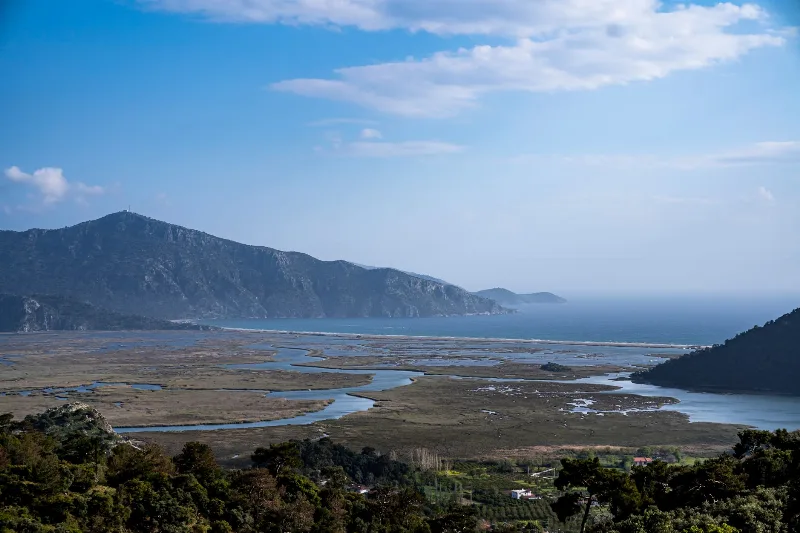
Muğla
Muğla is a captivating province in southwestern Türkiye, renowned for its stunning Aegean coastline and rich cultural heritage.
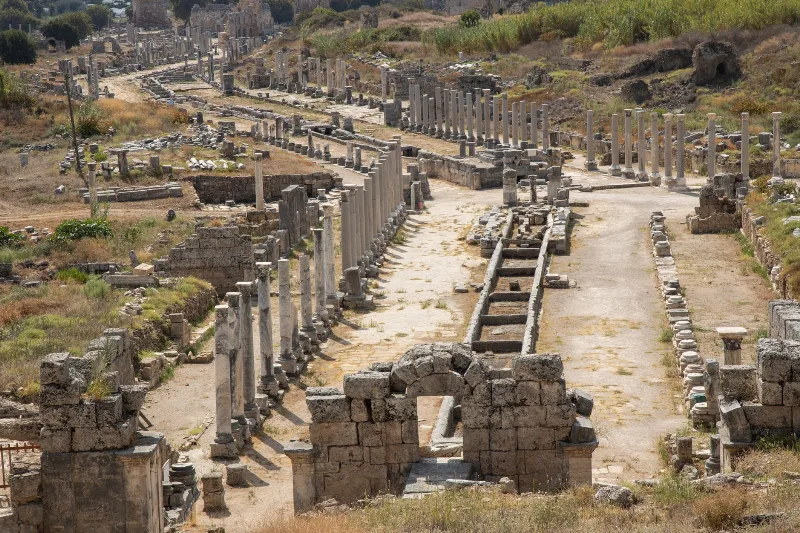
Perge
Perge is a Graeco-Roman city in the Pamphylian plain east of Antalya, Türkiye, whose surviving urban plan includes two colonnaded streets with central water channels, a hillside Roman theatre and one of Anatolia's best-preserved stadiums.
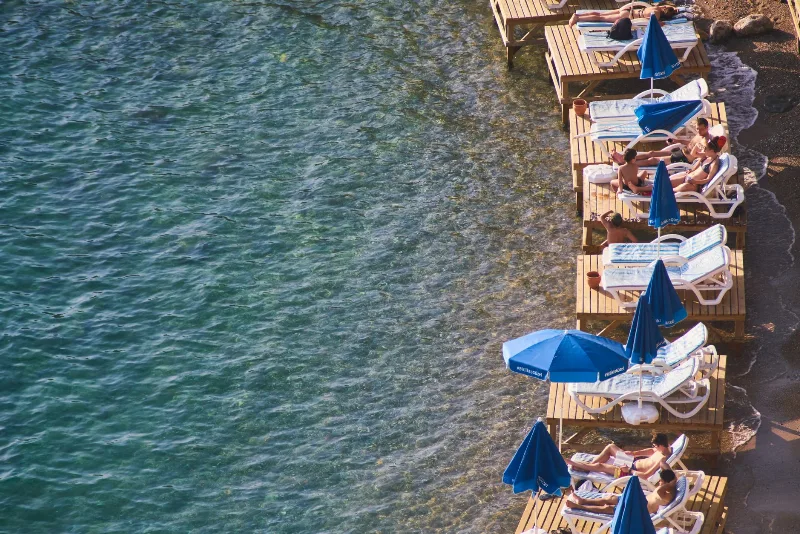
Antalya's Mediterranean Coast
Antalya's Mediterranean coast, located in Türkiye, offers stunning beaches and rich historical sites, making it a captivating destination.
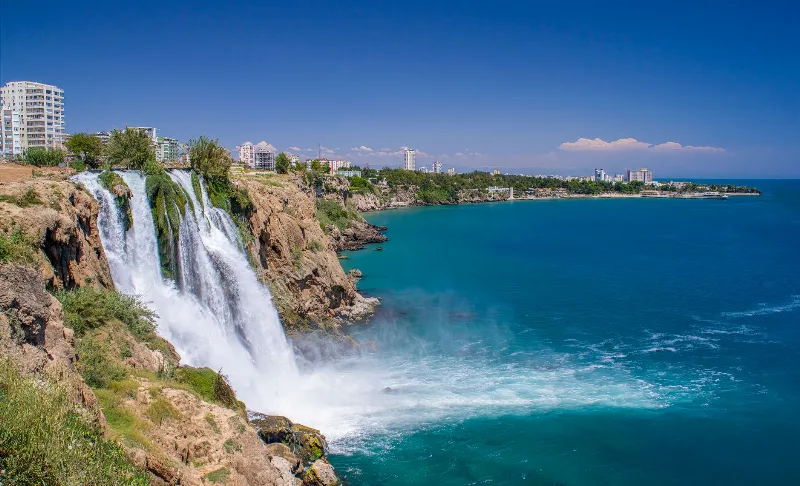
2-Day Antalya Waterfalls and Ancient Cities Route
A circular two-day route based in Antalya that pairs the Düden and Kurşunlu waterfalls with the ancient cities of Perge, Aspendos and Termessos, following the eastern coastal plain on the first day and the Taurus foothills on the second.
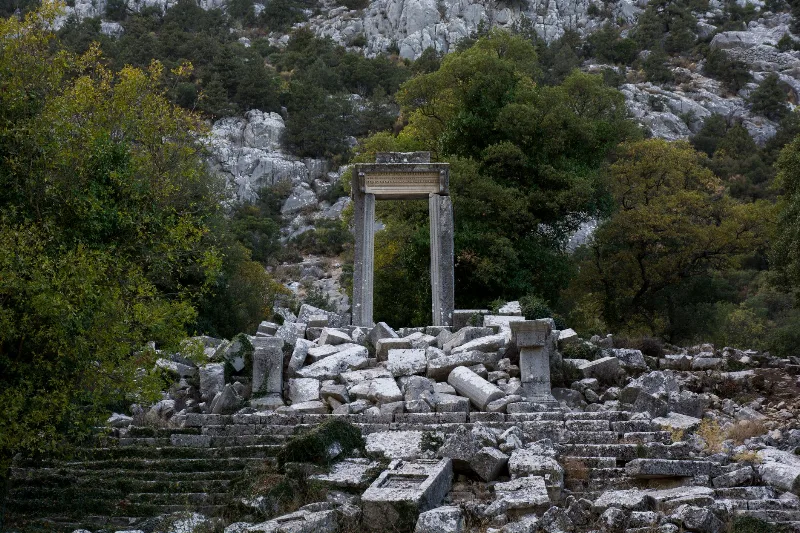
Antalya's Ancient Ruins
Antalya's ancient ruins trace Lycian, Pamphylian, Roman and Byzantine life across the Mediterranean coast and the Taurus foothills. Scattered theatres, colonnaded streets and rock-cut tombs reveal how successive peoples shaped this landscape.