
Yedigöller National Park and the Seven Lakes of Bolu
STORIES FROM TÜRKİYE
Yedigöller National Park lies in the forested highlands of Bolu Province, in the Western Black Sea region of Türkiye. The name means “Seven Lakes”, and the park takes it from a cluster of small lakes set in a wooded valley where streams, slopes and old-growth trees meet. It became a protected national park in 1965, and today it is one of the country’s quieter nature reserves, shaped by rainfall, altitude and dense forest cover.
Seven Lakes in a Wooded Valley
The lakes occupy a basin roughly between 900 and 1,500 metres above sea level. Each has its own character: Büyükgöl is the largest, Seringöl sits in a calm, shaded hollow, Deringöl is the deepest, and Nazlıgöl, Küçükgöl, İncegöl and Sazlıgöl complete the group. Several of them are linked by small streams, so water moves slowly through the valley rather than sitting still.
Because the lakes are close together and surrounded by trees, the surface often reflects beech, hornbeam and pine. Early morning mist is common in spring and autumn, when the water holds a grey-green light and the forest above it disappears into cloud.
Shaped by Ice, Water and Forest
The hollows that hold the lakes were formed by natural processes over a long period, with depressions created behind barriers of earth and rock and later filled by rainfall and snowmelt. Streams flowing between the basins have carved small channels, and in places the water drops over ledges to form modest waterfalls.
The woodland around the lakes is mixed and varied. Beech and hornbeam dominate many slopes, joined by oak, Scots pine, black pine and fir at higher elevations. Hazel, alder and yew grow along the edges of the water, and moss, ferns and wildflowers cover the forest floor. The variety of trees is one reason the park changes character so noticeably through the seasons.
Wildlife of the Forest
Yedigöller is home to roe deer, red deer and wild boar, along with foxes and smaller mammals such as squirrels and martens. Brown bears and wolves also live in the wider forest, though they stay far from the paths and are rarely seen. The streams and lakes support trout, which is one reason the area was carefully protected for so long.
Birdlife is equally varied. Woodpeckers work the older trunks, while birds of prey circle above clearings. In spring, the forest fills with songbirds, and the quieter months bring species that prefer the cover of dense trees.
Autumn Colours and the Rhythm of the Seasons
Autumn is when Yedigöller is at its most photogenic. Beech and oak turn gold, copper and rust, and the reflection of those colours on the lakes creates a layered landscape of water, foliage and sky. The park is well known within Türkiye for this seasonal display, and visitors often plan their walks around it.
Spring brings fresh green growth, running water and wildflowers. Summer offers shade and cooler air than the coast, while winter covers the valley in snow, when access can be limited and the lakes freeze at the edges. Each season gives the same landscape a different mood.
Streams, Wooden Bridges and Walking
Paths wind between the lakes, crossing streams on small wooden bridges and passing picnic clearings used by Turkish families for generations. Sharing food outdoors, brewing tea over a small stove and spending a long afternoon among the trees is a well-established tradition in this part of Anatolia.
The walking is generally gentle rather than technical, following forest tracks and the edges of the water. Because the park sits in a highland basin, weather can shift quickly, and the trails become slippery after rain.
Bolu, Mengen and Local Flavours
Bolu Province surrounds the park with highland pastures, known in Turkish as yayla, where pastoral life continues in summer. The nearby town of Mengen has a long culinary reputation, particularly for rice dishes and for the training of cooks, a tradition that reaches back through Ottoman kitchens.
Local produce reflects the wet, forested landscape: chestnuts, walnuts, honey and dairy from highland villages. The region’s food is hearty and seasonal, built around grains, vegetables and slow-cooked dishes suited to cool mountain weather. Encountering these flavours in Bolu or in the villages along the route adds a cultural layer to a visit focused on nature.
Yedigöller rewards slow travel. Its appeal lies in the combination of still water, dense forest, wildlife and the quiet rhythm of a highland valley that changes colour from one month to the next.
Historic places
Explore history →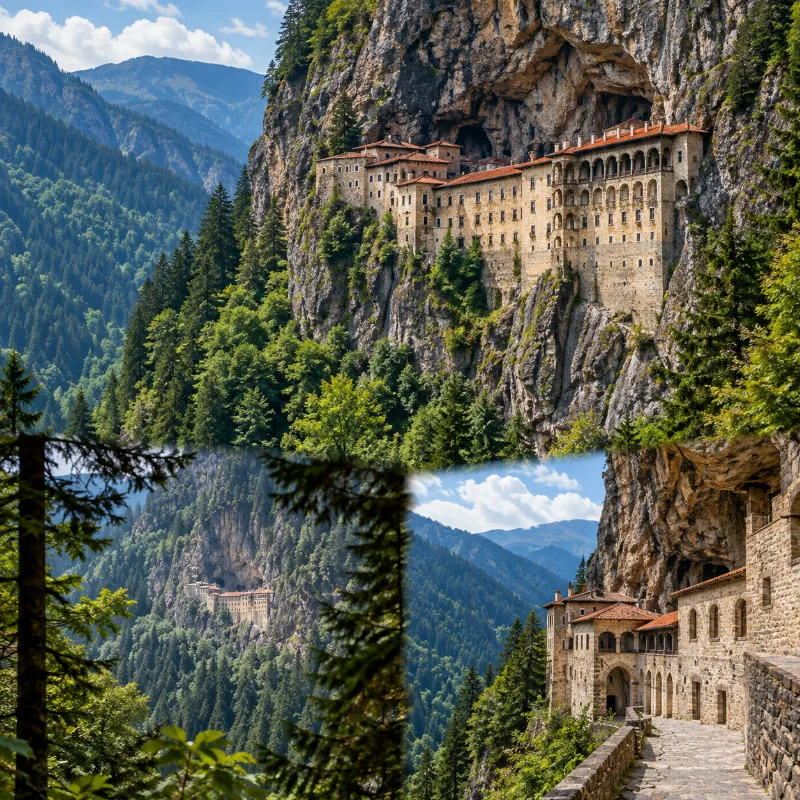
Sümela Monastery
A historic monastery built against a steep cliff in the forested mountains of Trabzon Province.
Explore →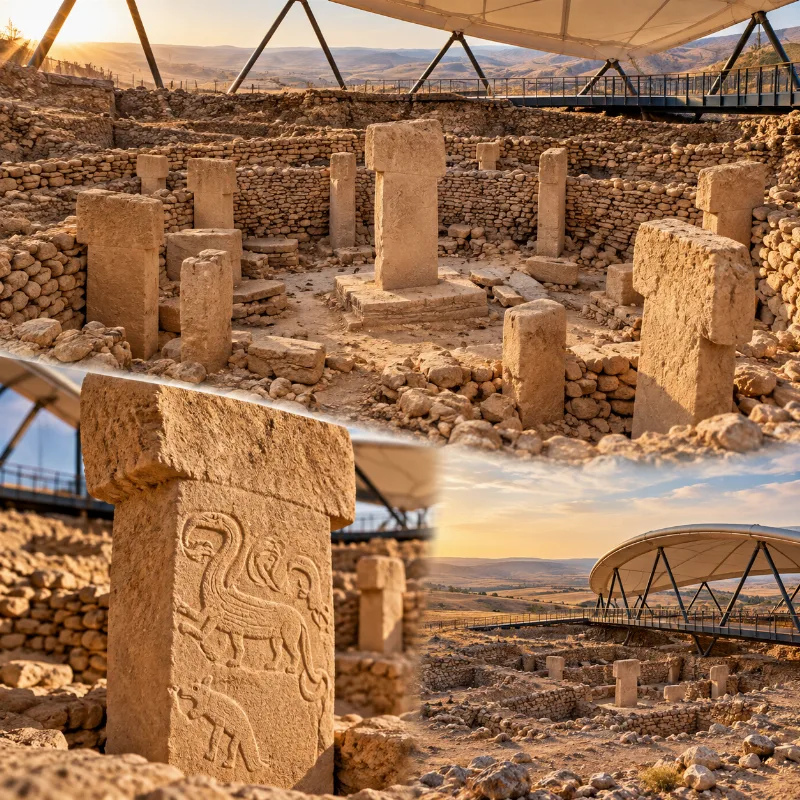
Göbeklitepe
A major Neolithic archaeological site near Şanlıurfa, known for its monumental stone enclosures and carved T-shaped pillars.
Explore →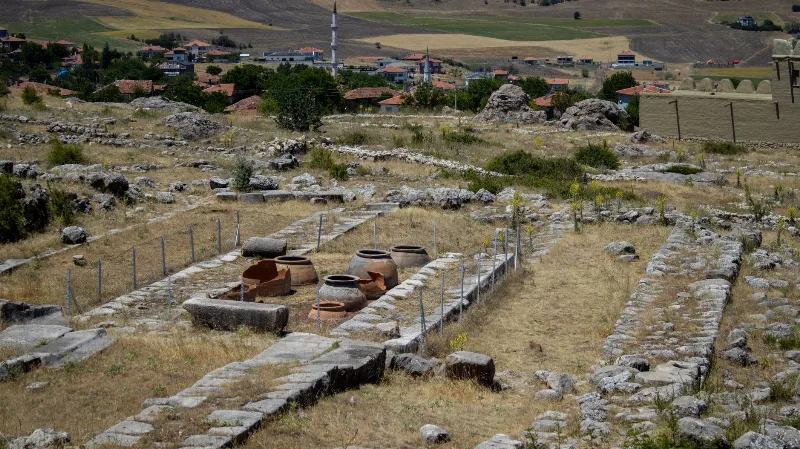
Alacahöyük
In Çorum Province, Alacahöyük preserves a long settlement sequence, elite Early Bronze Age burials and a monumental Hittite gate with carved reliefs.
Explore →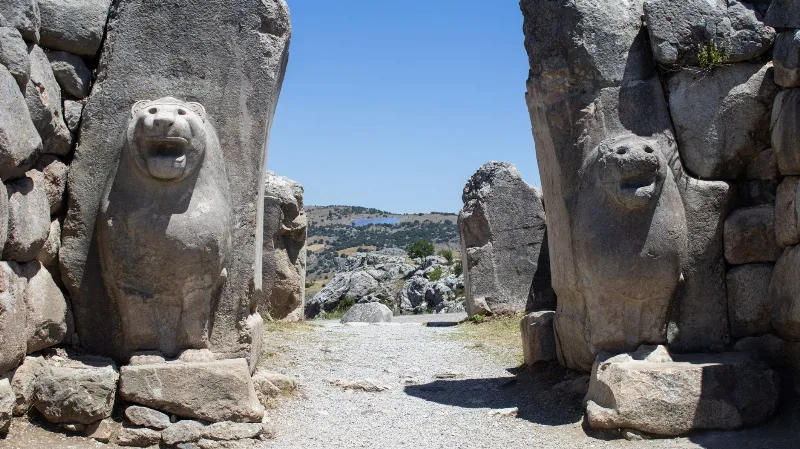
Hattusa
Hattusa was the capital of the Hittite Empire, located near Boğazkale in Çorum Province. Its surviving walls, gates, temples and cuneiform archives make it one of the most important Bronze Age archaeological sites in Anatolia.
Explore →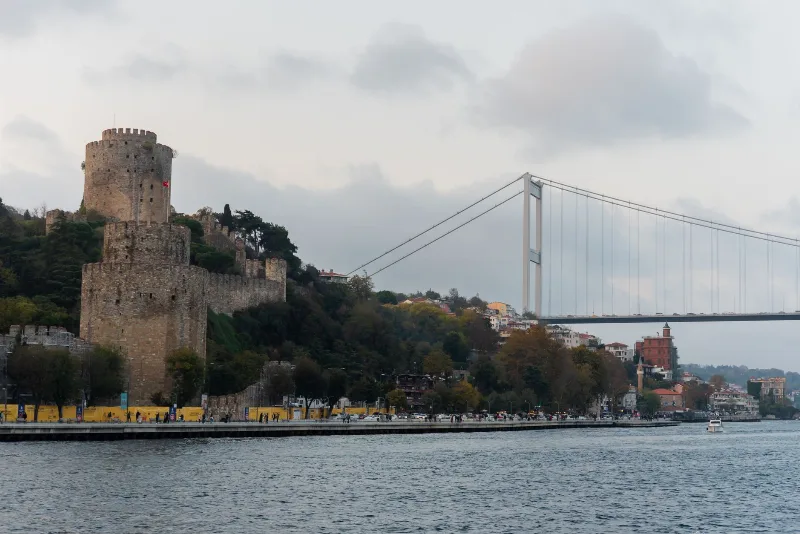
Rumeli Hisarı
Rumeli Hisarı is a 15th-century Ottoman fortress on the European shore of the Bosphorus in Istanbul, built by Sultan Mehmed II in 1452 to control the strait before the conquest of Constantinople. It survives today as a monumental open-air museum.
Explore →Related content
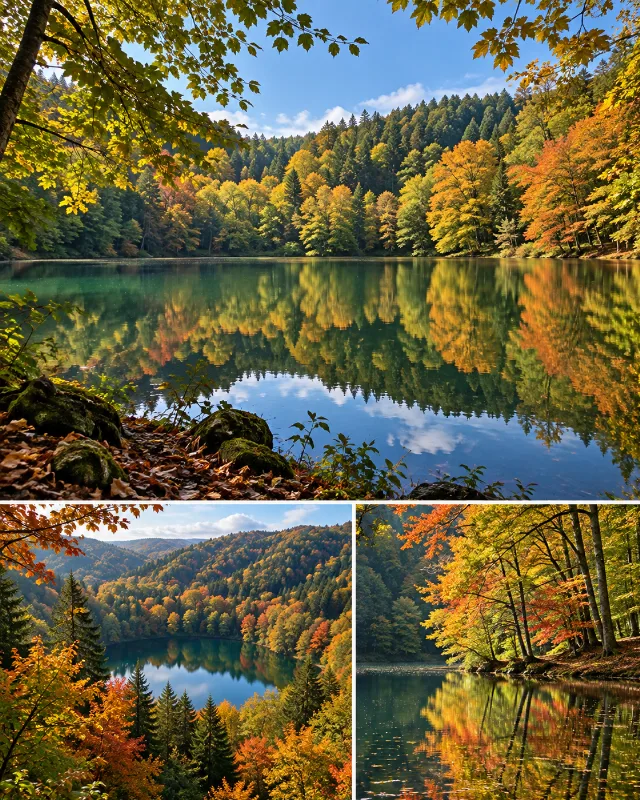
Yedigöller National Park
Yedigöller National Park in Bolu, Turkey, is a protected area centered on seven small lakes formed by landslides. The park is known for its dense forests, seasonal color changes, and tranquil walking paths.
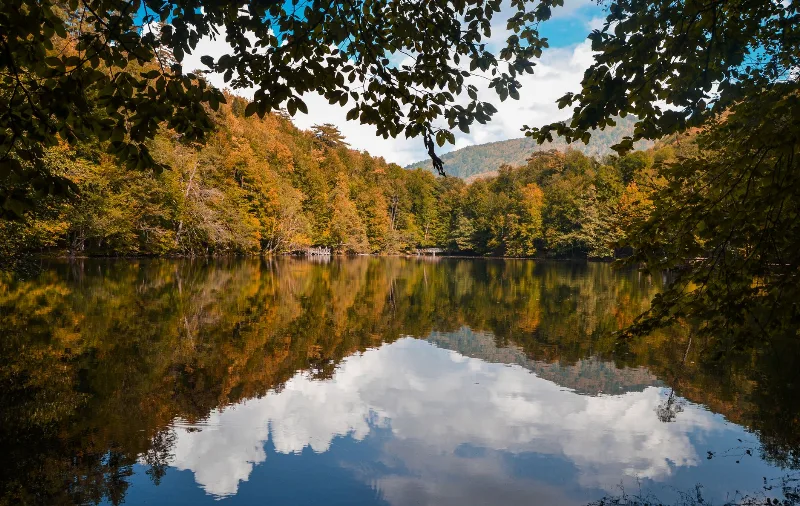
Autumn in Yedigöller, Bolu
Each year, the forests around Yedigöller's seven lakes turn brilliant shades of red, yellow, and orange, with the peak display usually occurring between mid-October and mid-November. This seasonal transformation is one of Turkey's most reliable autumn spectacles.
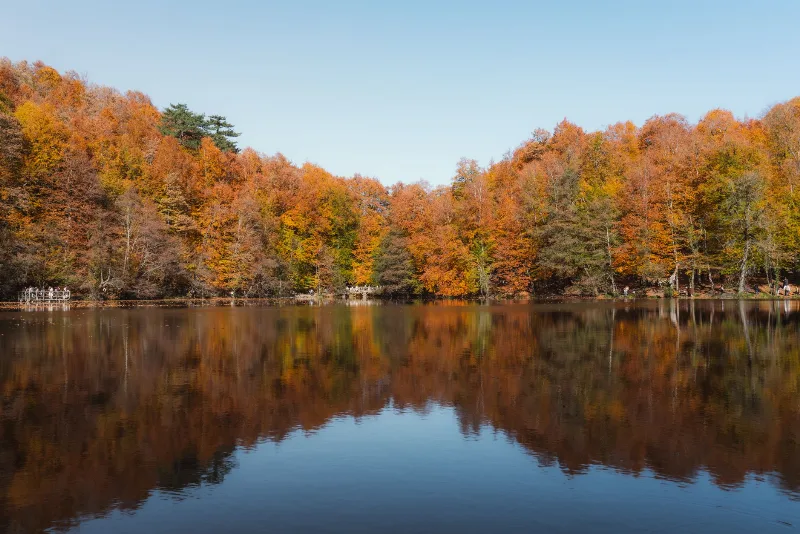
Nature Reserves of the Black Sea Region
Türkiye's Black Sea coast hides a chain of protected landscapes, from glacial lakes in the Kaçkar Mountains to canyons and old-growth forests in Kastamonu and Bartın.
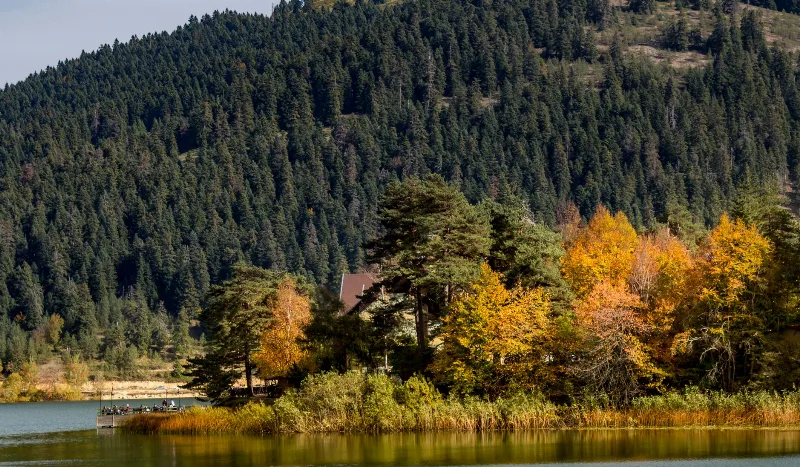
Autumn in Lake Abant, Bolu
From about October into November, the broadleaf woodland around Lake Abant in Bolu turns yellow, orange and red while the fir and pine stands around the shoreline stay dark green. The colour period lasts only a few weeks and shifts each year with temperature, rainfall and wind.
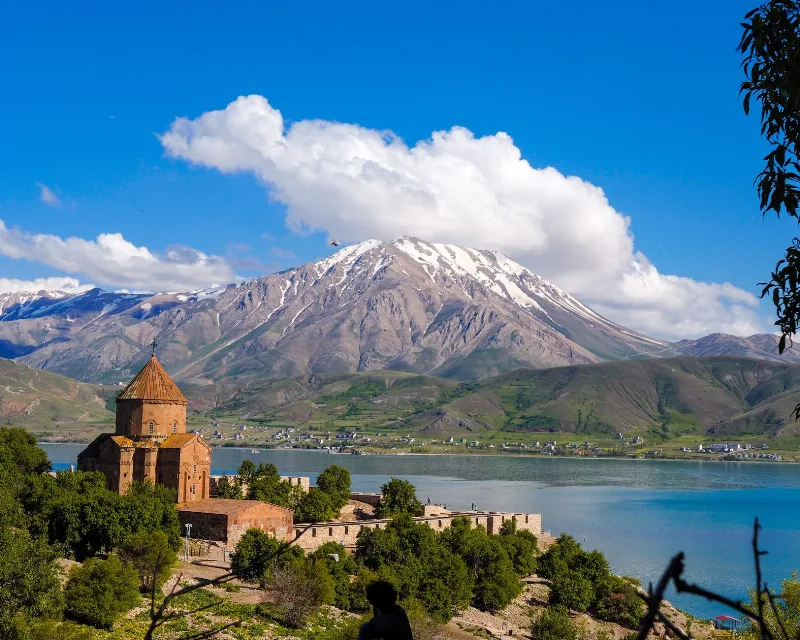
Lakes and Natural Beauty in Türkiye
A journey through the lakes of Türkiye, from the wide soda waters of Lake Van to forest pools in Bolu, salt flats on the Central Anatolian plateau and reed beds full of birds.
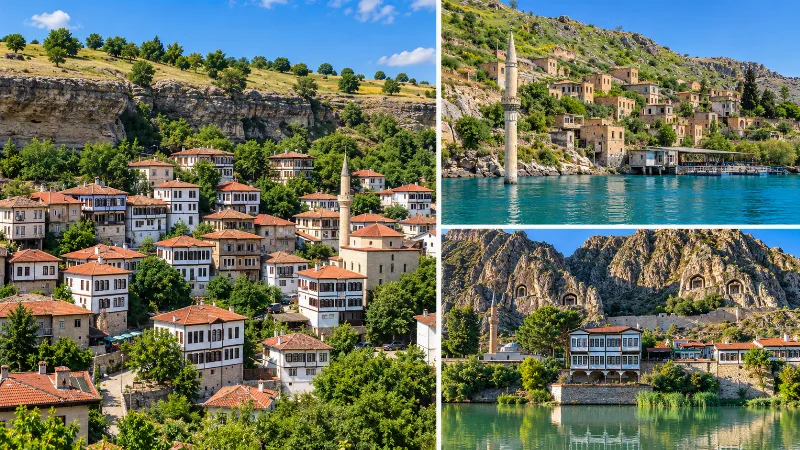
Exploring Turkey Beyond the Best-Known Destinations
A look beyond Turkey’s most famous destinations to smaller towns, villages, coastlines, highlands and historic landscapes across the country.