
Autumn in Yedigöller, Bolu
Each year, the forests around Yedigöller's seven lakes turn brilliant shades of red, yellow, and orange, with the peak display usually occurring between mid-October and mid-November. This seasonal transformation is one of Turkey's most reliable autumn spectacles.
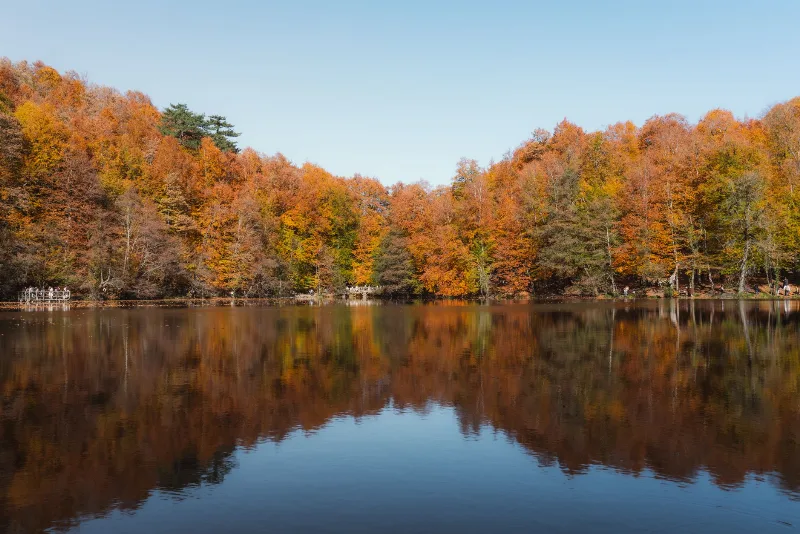
Each autumn, Yedigöller National Park in Bolu Province, Turkey, transforms into a showcase of seasonal color. The park's seven small lakes, set in a forested valley, become reflective surfaces for the surrounding trees, which turn vivid shades of red, yellow, and orange. This foliage display typically reaches its peak between mid-October and mid-November, though the exact timing varies with weather conditions. The combination of the lakes and the colorful leaves makes this period distinctive and draws many visitors to the area.
Where the Autumn Display Happens
Yedigöller National Park is located in the Western Black Sea region of Turkey, approximately 42 kilometers north of Bolu city. The park covers an area of about 1,620 hectares and is characterized by a series of seven landslide-dammed lakes nestled in a narrow valley. The surrounding forests are composed mainly of beech, oak, hornbeam, and pine trees, along with some fir and other species. This diverse mix of trees is what produces the varied autumn colors. The park's elevation ranges from about 400 to 1,000 meters, which influences both the timing and intensity of the foliage season. The lakes themselves—Büyük Göl, Deringöl, Nazlıgöl, Küçükgöl, İncegöl, Sazlıgöl, and Yıldızgöl—are relatively small but provide still surfaces that reflect the surrounding landscape, especially on calm days.
What Causes the Seasonal Change
The autumn transformation in Yedigöller is driven by the same biological processes that occur in deciduous forests worldwide. As days shorten and temperatures drop, trees stop producing chlorophyll, the pigment responsible for green leaves. As chlorophyll breaks down, other pigments that were always present—carotenoids (yellow and orange) and anthocyanins (red and purple)—become visible. The specific colors depend on the tree species: beech trees often turn golden yellow, oaks may produce deep reds and browns, and hornbeams add touches of yellow. The evergreen pines and firs provide a dark green backdrop that enhances the contrast. The cool, humid climate of the Black Sea region supports lush forests and contributes to the intensity of the display.
Timing the Peak Foliage
The autumn foliage season in Yedigöller generally begins in late September, when the first leaves start to change, and extends into early December, by which time most leaves have fallen. The most vibrant colors, however, are typically observed from mid-October to mid-November. This peak window can shift by a week or two from year to year, depending on temperature and rainfall patterns. A warm, dry autumn may delay the color change, while an early frost can accelerate it. Because the park spans a range of elevations, the foliage may peak at different times in different parts of the valley. Visitors planning a trip should aim for late October, but should also check local reports or contact the park administration for current conditions, as the exact timing is never guaranteed.
What the Landscape Looks Like in Autumn
During the peak foliage period, the Yedigöller valley is a patchwork of color. The slopes surrounding the lakes are covered in a mosaic of gold, orange, red, and green. The still surfaces of the lakes mirror these colors, creating a double image that is especially striking on sunny days. Mist and fog are common in the mornings, adding a soft, ethereal quality to the scene. The forest floor becomes carpeted with fallen leaves, and the air is crisp and cool. The seven lakes, each with its own character, reflect different sections of the forest, so the views change as you walk along the trails. The terrain is hilly, with paths that wind through the trees and along the water's edge, offering varied perspectives.
What Visitors Can Realistically See and Do
The main activity in Yedigöller during autumn is hiking and nature observation. The park has a network of walking trails that range from easy strolls to more challenging hikes. Along these trails, visitors can see the colorful foliage up close, watch reflections on the lakes, and observe wildlife such as squirrels, woodpeckers, and other birds. Photography is popular, especially at viewpoints overlooking the lakes. The park also has picnic areas, but visitors should note that facilities are limited. Because the park is a national park, there is an entrance fee, and it can get busy on weekends during the peak season. The weather can be cool and damp, so appropriate clothing and footwear are essential. The lakes are not used for swimming or boating, as they are protected and the water is cold.
Weather Conditions During the Season
Autumn in Yedigöller is generally cool and wet. Daytime temperatures in October and November typically range from 10°C to 15°C (50°F to 59°F), while nighttime temperatures often drop to 5°C (41°F) or lower. Rainfall is common, and the region receives a significant amount of precipitation during these months. Fog is frequent, especially in the early morning, and can linger in the valley. By late November, there is a chance of light snow, though heavy snow usually arrives later. The trails can be muddy and slippery after rain, so waterproof footwear and warm layers are recommended. Visitors should also be prepared for sudden changes in weather.
Why Timing Varies from Year to Year
The exact timing of the autumn foliage peak in Yedigöller is influenced by annual weather patterns. Temperature and precipitation in the preceding weeks and months play a crucial role. A warm September and October can delay the onset of color change, while a sudden cold snap can cause leaves to turn quickly and fall earlier. Drought conditions can also affect the intensity of the colors, sometimes making them less vibrant. Because of these variables, it is impossible to predict the peak with absolute certainty. Visitors who are flexible with their travel dates have a better chance of catching the best display. Local tourism offices and park authorities often provide updates on foliage conditions during the season.
Nearby Places with Similar Seasonal Interest
While Yedigöller is the most famous autumn destination in Bolu Province, other nearby natural areas also experience seasonal color changes. Abant Lake, about 50 kilometers to the south, is another popular spot for autumn walks, with similar tree species and lakeside views. The Bolu Mountains and surrounding forests also offer opportunities to see fall foliage, though they may not have the same concentration of lakes. However, Yedigöller remains unique because of its seven lakes and the way they reflect the surrounding colors. Visitors to the region might consider combining a trip to Yedigöller with other natural attractions, but should be aware that timing may differ slightly from place to place.
Practical Considerations for Visiting
Yedigöller National Park is accessible by car from Bolu, and the drive takes about an hour. The roads can be winding and may be foggy, so driving with caution is advised. There is no public transportation directly to the park, so a car or a taxi is necessary. The park is open year-round, but autumn is the busiest season. Facilities include picnic tables, toilets, and a small visitor center, but no overnight accommodation within the park. The nearest town with services is Bolu, but visitors should plan to bring their own food and water, as options inside the park are limited. It is also important to respect the natural environment: stay on marked trails, do not litter, and avoid disturbing wildlife. A map of the trails is available at the entrance.
EXPLORE BY THEME
All themes →
Related content
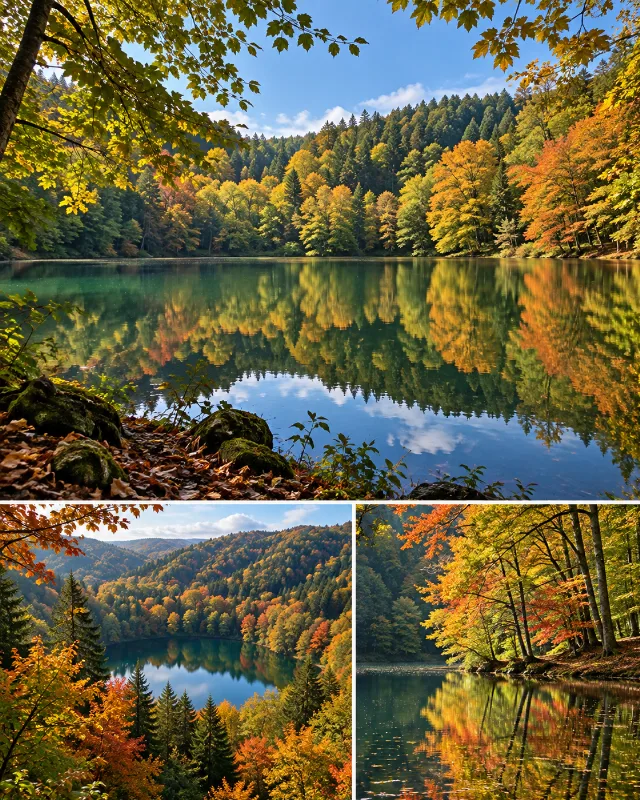
Yedigöller National Park
Yedigöller National Park in Bolu, Turkey, is a protected area centered on seven small lakes formed by landslides. The park is known for its dense forests, seasonal color changes, and tranquil walking paths.
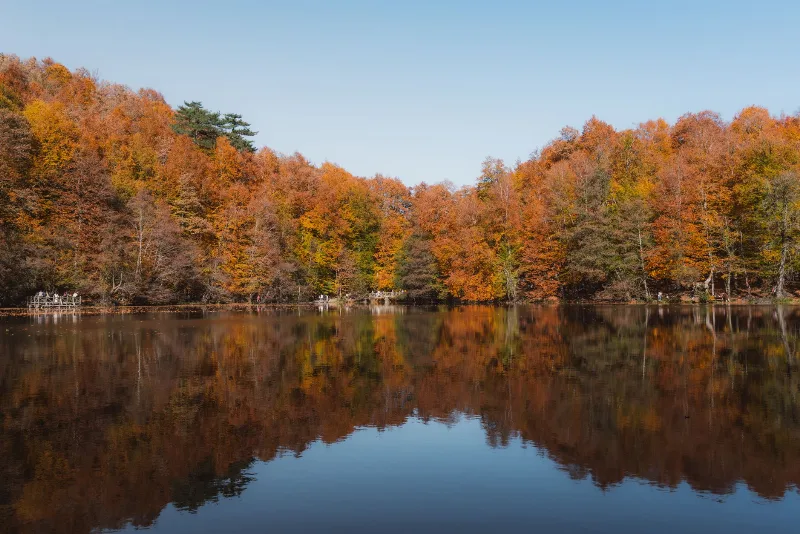
Yedigöller National Park and the Seven Lakes of Bolu
Yedigöller National Park in Bolu Province gathers seven small lakes inside dense woodland, offering quiet walking country, rich plant life and a striking autumn palette in the Western Black Sea region of Türkiye.
Nature Reserves of the Black Sea Region
Türkiye's Black Sea coast hides a chain of protected landscapes, from glacial lakes in the Kaçkar Mountains to canyons and old-growth forests in Kastamonu and Bartın.
Autumn in Lake Abant, Bolu
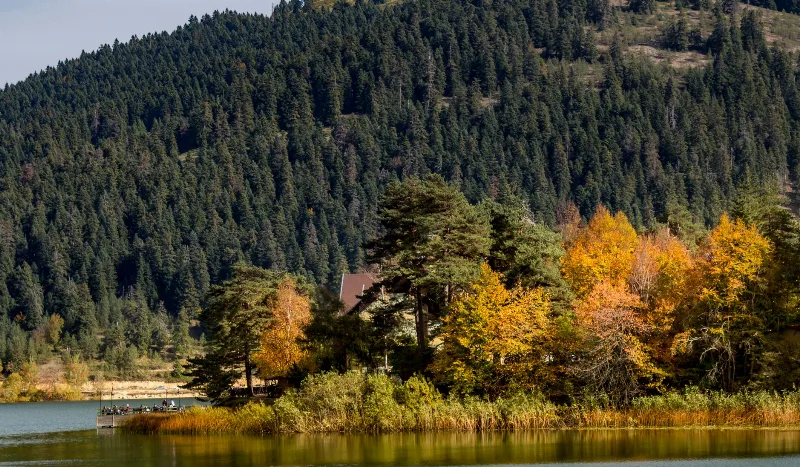
From about October into November, the broadleaf woodland around Lake Abant in Bolu turns yellow, orange and red while the fir and pine stands around the shoreline stay dark green. The colour period lasts only a few weeks and shifts each year with temperature, rainfall and wind.
Lakes and Natural Beauty in Türkiye
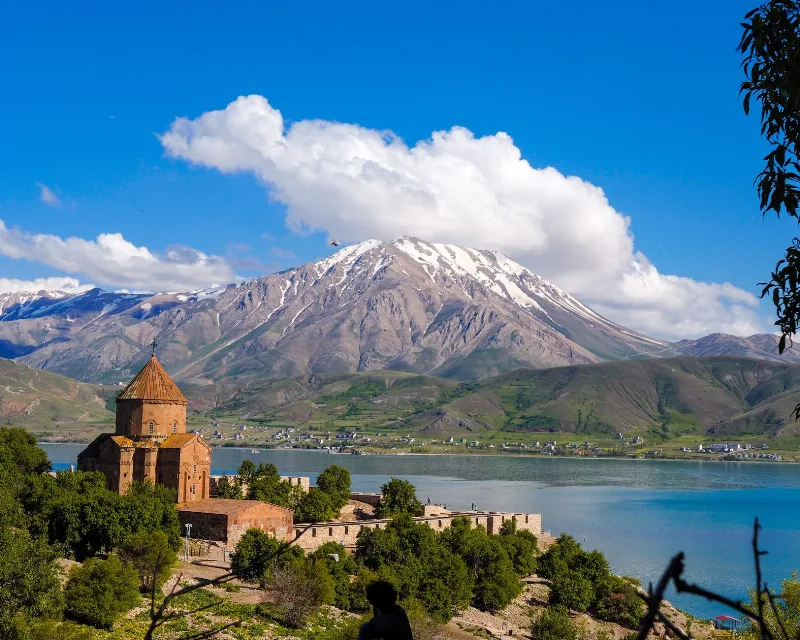
A journey through the lakes of Türkiye, from the wide soda waters of Lake Van to forest pools in Bolu, salt flats on the Central Anatolian plateau and reed beds full of birds.
Exploring Turkey Beyond the Best-Known Destinations
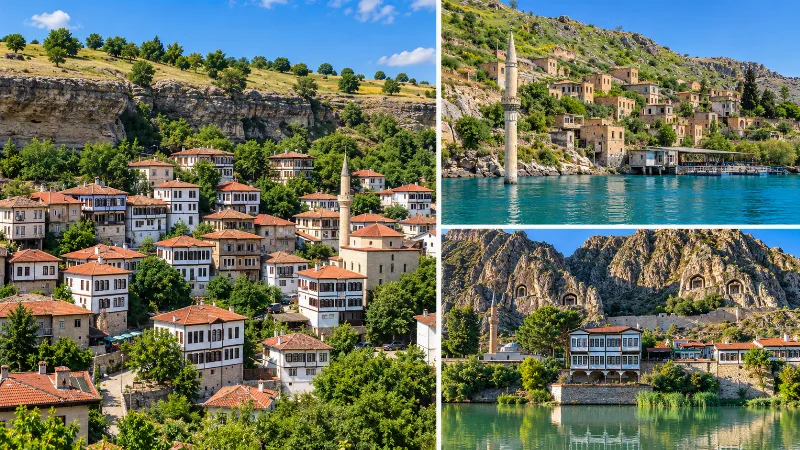
A look beyond Turkey’s most famous destinations to smaller towns, villages, coastlines, highlands and historic landscapes across the country.