
The Spring Wildflowers of the Aegean Coast
STORIES FROM TÜRKİYE
Winter rain leaves the Aegean hillsides soft and green, and by late February the first colour begins to appear among the olive terraces. Along the coast of Türkiye, spring does not arrive all at once: it moves slowly, from the sheltered plains up towards the mountain ridges, so the flowering season can stretch from February until early June.
How the Season Moves
The Aegean coast runs from the straits of Çanakkale in the north to the bays around Marmaris and Fethiye in the south. Its climate is Mediterranean, with mild, wet winters followed by long, dry summers. That rhythm suits geophytes, plants that store energy in bulbs and tubers underground and send up flowers as soon as the soil begins to warm.
Because temperature changes with altitude, the season can be followed rather than simply enjoyed. Coastal fields near Çeşme, Kuşadası or Ayvalık may be in full bloom in March, while the slopes of Bozdağ or Kaz Dağı are still waking up. A short journey inland and uphill can carry a visitor back to the beginning of spring.
Anemones, Poppies and Daisies
Anemone coronaria is often the first striking flower of the season, opening red, purple, pink and white cups in olive groves and along field edges. Traditional farming helps it, since unploughed groves and uncultivated margins give these plants room to return each year.
By April, poppies spread through the grain fields, shifting with the wind and turning whole slopes red. On sandy beaches, the yellow horned poppy grows close to the tideline, its grey-green leaves adapted to salt and wind. Crown daisies, borage and purple echium fill the spaces between, feeding early bees and butterflies.
The Orchids of the Aegean
The Aegean is one of the richest orchid regions of the Mediterranean. Bee orchids of the genus Ophrys imitate insects in shape and scent to attract pollinators, while Orchis, Anacamptis and Serapias species appear in phrygana scrub, roadside verges and old olive terraces.
Orchids are small and easy to overlook until you slow down. Many grow within a metre of the ground, and their markings vary so much between species that a hand lens becomes useful. Türkiye protects its wild orchids, and removing the plants or their tubers is restricted, since salep, a traditional warm drink, once depended on wild collection.
Tulips, Irises and Mountain Flowers
Wild tulips are the quiet surprise of an Aegean spring. The Manisa tulip, Tulipa orphanidea, flowers on the slopes of Spil Dağı above Manisa, while Tulipa undulatifolia appears on the high ground of Bozdağ near Ödemiş. Both are modest beside garden tulips, yet they carry the history of a plant that travelled from Anatolia into Europe.
Irises grow in the same landscapes. Iris albicans, the white cemetery iris, still marks old graveyards, while the winter-flowering Iris unguicularis hides in dry scrub. Higher up, cyclamen, fritillaries and muscari follow the melting snow on Kaz Dağı, Nif Dağı and the ridges above the coast.
Fragrance and Shrubland
Not every spring flower is bright. The maquis and phrygana of the Aegean are dominated by aromatic shrubs: thyme, sage, oregano, myrtle, mastic and Cistus, the rock rose whose papery pink and white petals open for only a single day.
In April, the Judas tree, known as erguvan, covers hillsides with magenta blossom before its leaves appear. Later, yellow broom lines the roads, and asphodel raises tall white spikes from stony ground. These plants hold the soil, shelter insects and give the coast much of its scent.
Walking the Season
Several protected areas make the season easy to follow, including Dilek Peninsula–Büyük Menderes Delta National Park near Kuşadası, Spil Dağı National Park and Kaz Dağı National Park. The Karaburun Peninsula and the hills behind Datça offer quieter ground with the same combination of flowers and sea views.
Early morning light is gentle, and the air is still enough to notice scent as well as colour. Staying on established paths protects fragile bulbs, and leaving flowers where they grow allows the next spring to be as generous as this one.
Historic places
Explore history →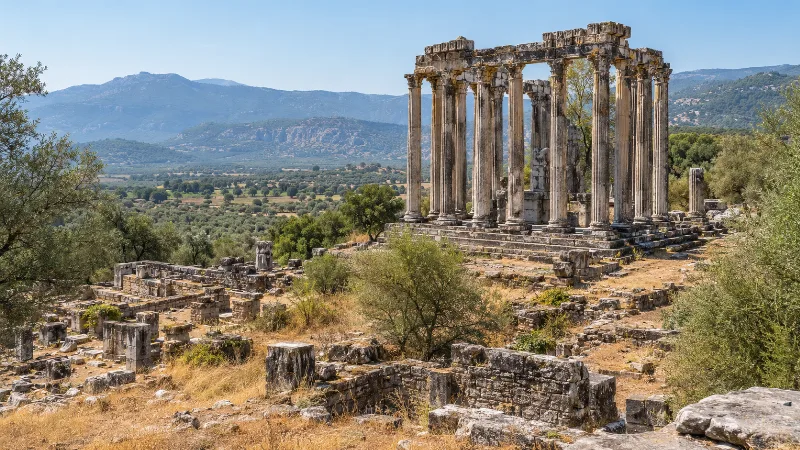
Euromos
Euromos is an ancient Carian city in Muğla Province, Türkiye, whose standing Temple of Zeus Lepsynos is among the best-preserved Roman-period temples in the country. Its theatre, agora, bath and city walls survive on a low hill above the Milas plain.
Explore →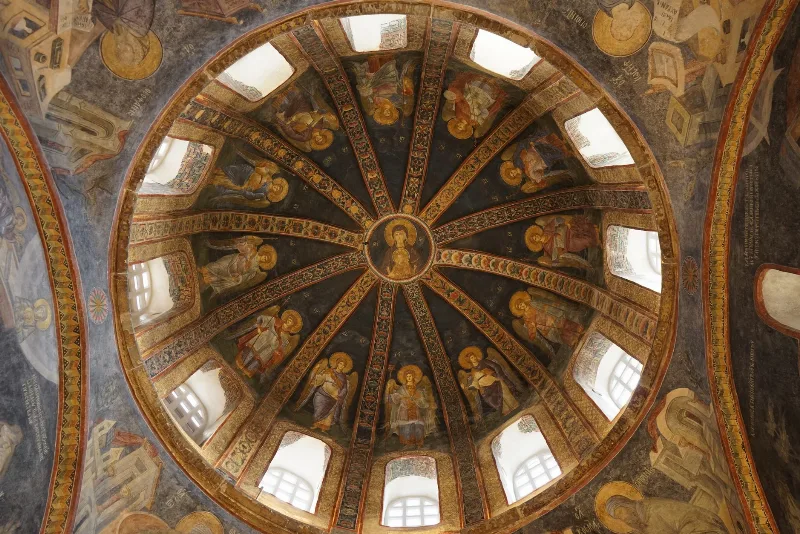
Chora Church
The Chora Church in Istanbul is a Byzantine monument whose 14th-century mosaics and frescoes are among the finest surviving examples of late Byzantine art, preserved inside a building that later served as a mosque.
Explore →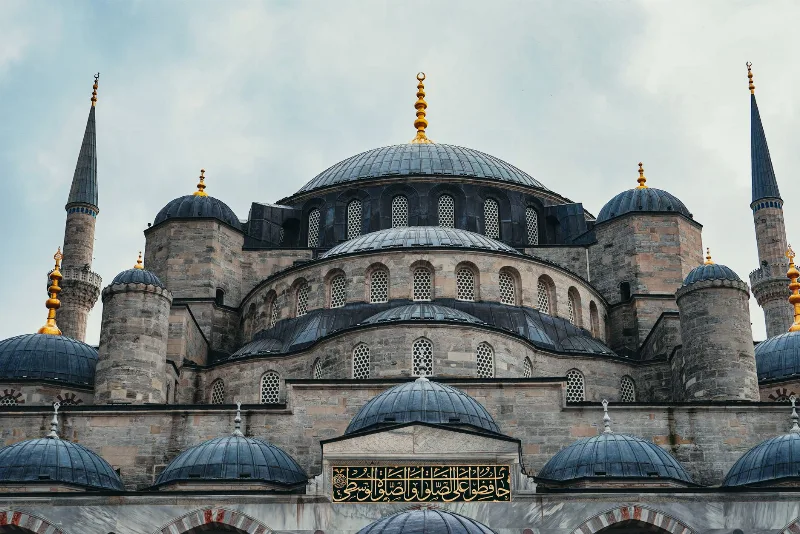
Blue Mosque
The Blue Mosque, known formally as the Sultan Ahmed Mosque, is an early 17th-century Ottoman mosque in Istanbul famous for its hand-painted blue Iznik tiles and six minarets.
Explore →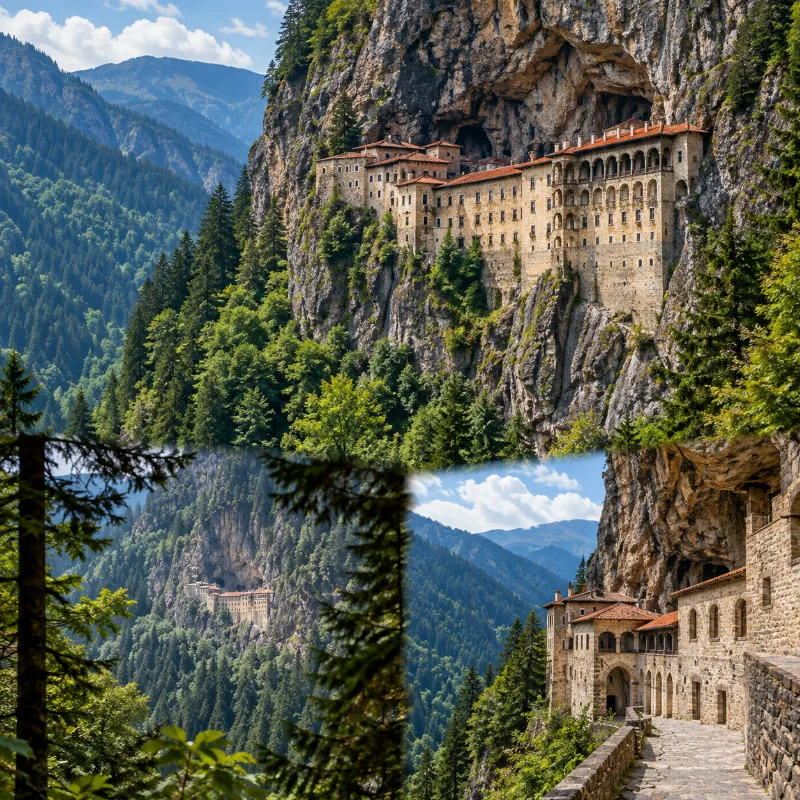
Sümela Monastery
A historic monastery built against a steep cliff in the forested mountains of Trabzon Province.
Explore →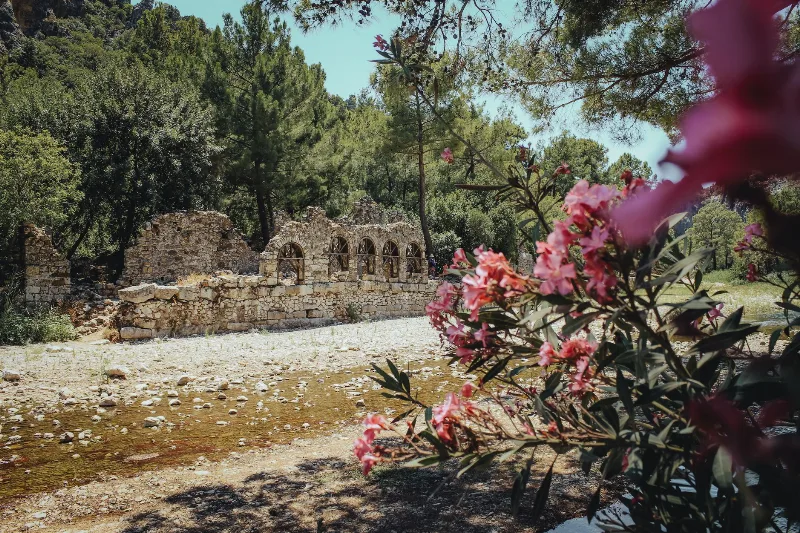
Olympos
Olympos is an ancient Lycian city in Antalya Province, Türkiye, whose ruins stand on both banks of a wooded river valley. Once a member of the Lycian League and later a Roman harbour town, it is best known for its theatre, baths and Lycian sarcophagi, and for the naturally burning Chimaera flames on the mountain above.
Explore →Related content
Çanakkale
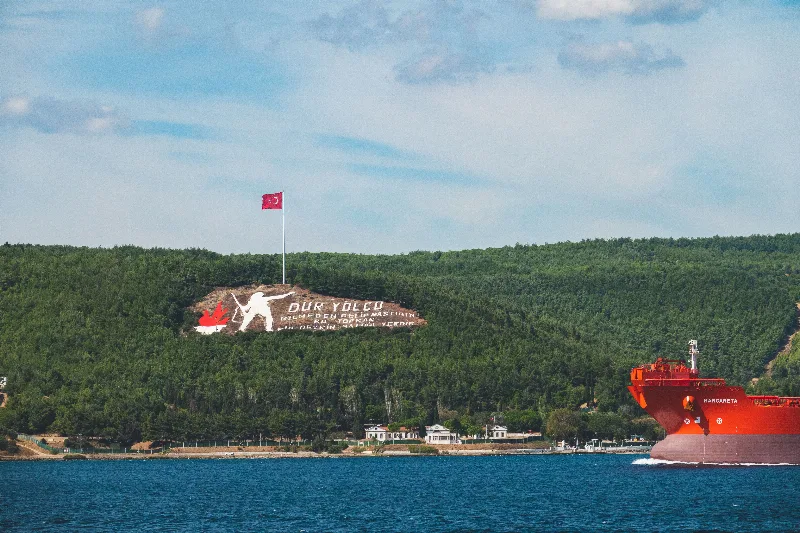
Çanakkale is a northwestern Turkish city on the Asian shore of the Dardanelles, the strait separating Europe from Asia. It is the administrative centre of a province that includes the Gallipoli battlefields and the archaeological site of Troy.
Marmaris
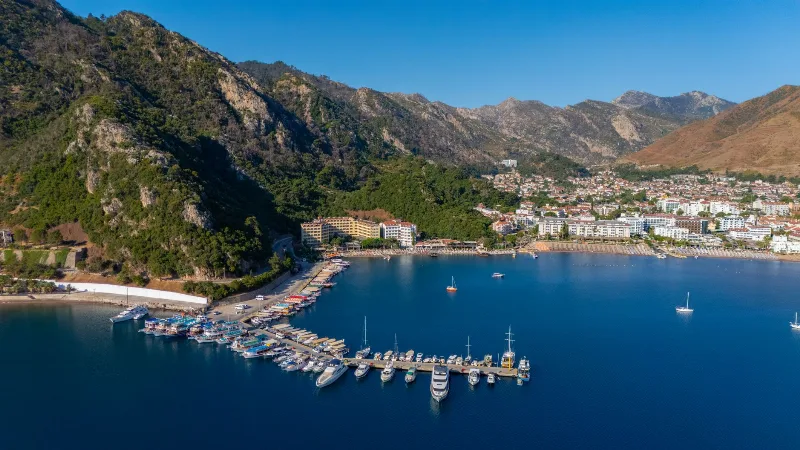
Marmaris is a dynamic port city on the Turquoise Coast, known for its vibrant marinas and lively nightlife, offering scenic harbor views.
Fethiye
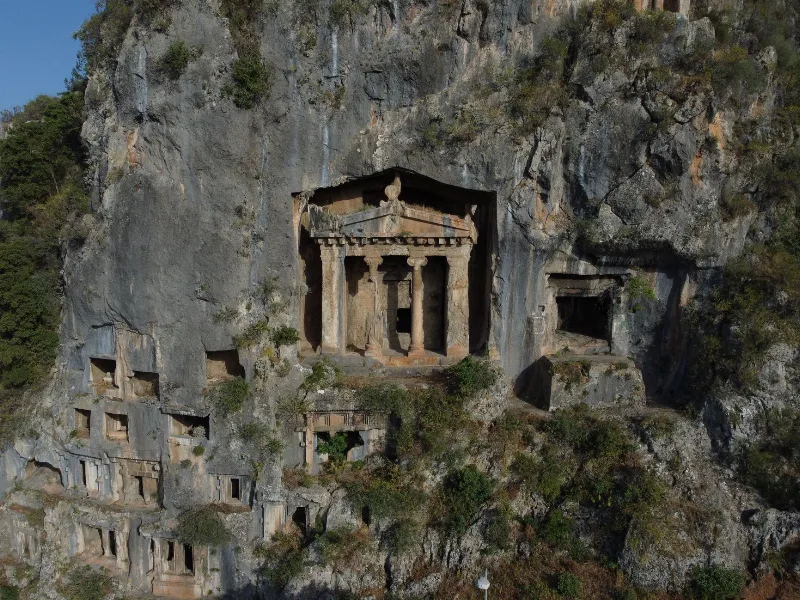
Fethiye is a captivating coastal town known for its stunning blue lagoon, thrilling paragliding experiences, and ancient rock tombs.
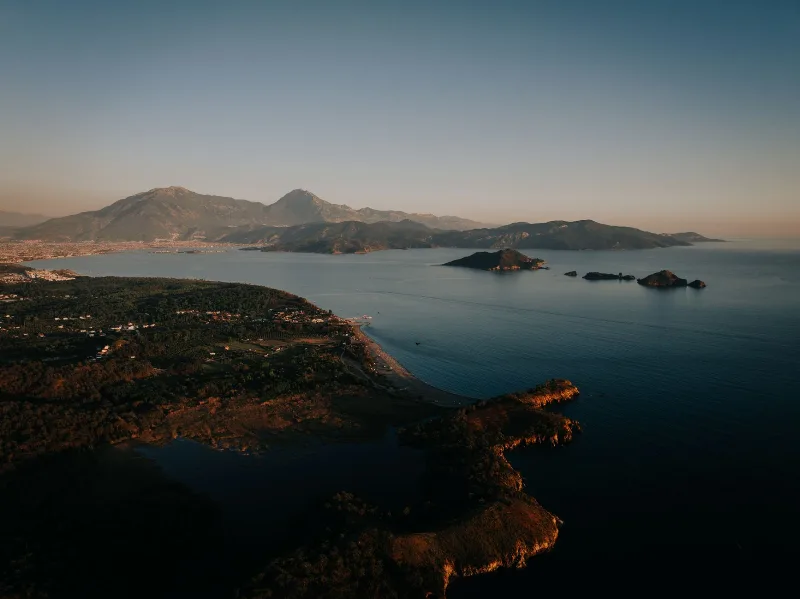
6-Day Mediterranean Coast Route: Antalya to Marmaris
A six-day linear route along Türkiye's Mediterranean coast, linking Antalya, Olympos, Demre, Kekova, Kaş, Kalkan, Patara, Fethiye and Dalyan before finishing in Marmaris. It mixes ancient cities, long beaches and small harbour towns on a continuous westward drive.
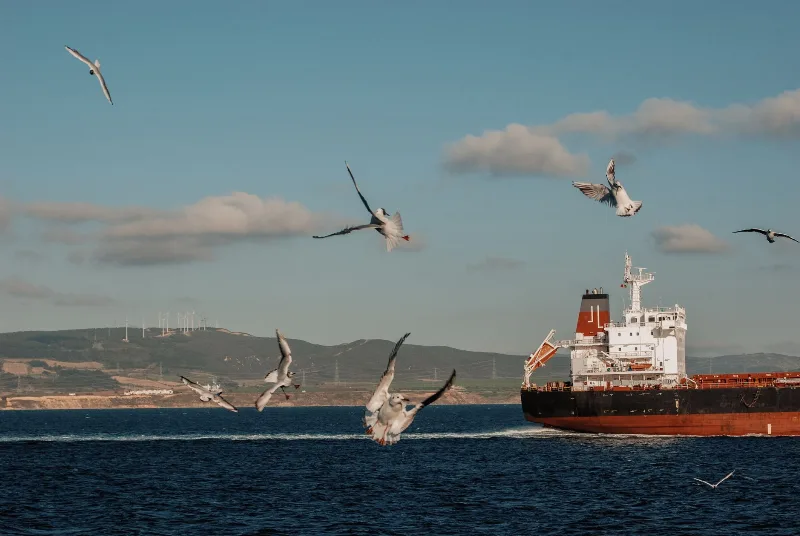
Çanakkale and the Dardanelles Strait
A short guide to Çanakkale and the Dardanelles Strait, covering the geography, ancient sites, island villages and local food of northwestern Türkiye.
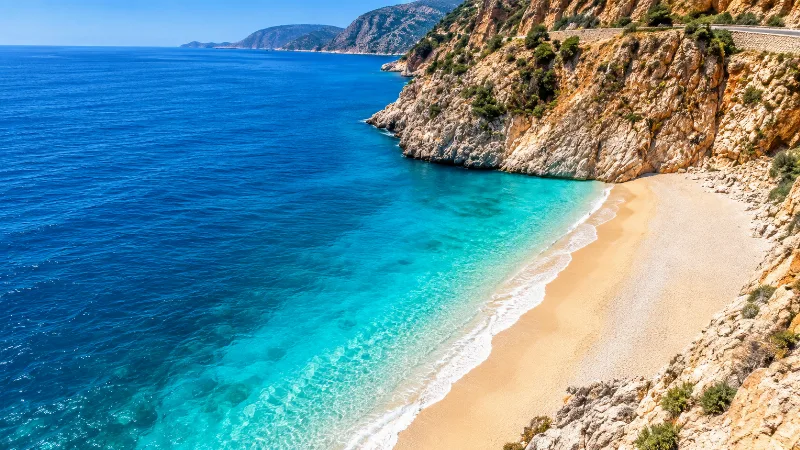
Beaches & Bays
Coasts, coves, islands and seaside places across Türkiye.