
Kayseri and the Art of Turkish Pastry Making
STORIES FROM TÜRKİYE
Kayseri lies in the middle of Anatolia, where broad plains meet the slopes of Mount Erciyes. Its long life as a trading centre has produced a layered food culture, and one of its strongest traditions is the making of pastry. In local kitchens, dough is rolled, stretched and folded into shapes that range from tiny dumplings to crisp, syrup-soaked desserts, each one tied to the seasons and to family life.
An Anatolian City Beneath Erciyes
Mount Erciyes rises to the south of the city, a volcanic peak whose melted snow feeds the fields around it. Kayseri grew up on routes that once carried caravans between the Aegean coast and Mesopotamia, so merchants, craftsmen and farmers all left their mark on the local table. The old quarters still hold Seljuk and Ottoman buildings such as the Hunat Hatun complex, the Ulu Cami and the stone tomb known as Döner Kümbet, while the Kayseri Kalesi anchors the historic centre.
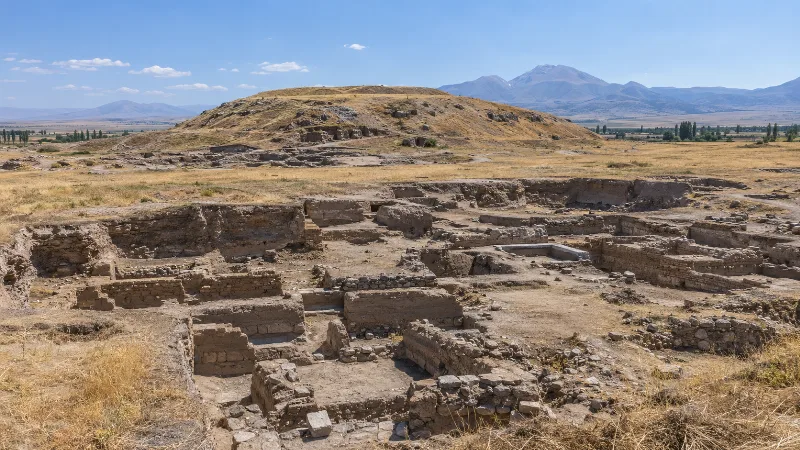
Nearby, the mound of Kültepe marks the site of ancient Kanesh, where Assyrian traders settled and worked almost four thousand years ago. Villages such as Talas and Germir preserve stone houses with wooden balconies, and the rock-cut churches of the Soğanlı valley in the province's south show how varied the region's heritage is. This mixture of history and rural life still shapes how people cook and eat here.
Ingredients from Plain and Mountain
The plains around Kayseri yield wheat, barley, sugar beet and vegetables, while orchards and kitchen gardens supply fruit and nuts. Sheep and goats graze on higher ground, and their milk becomes the yogurt, cheese and butter that appear in both savoury and sweet pastries. Irrigation from Erciyes and from underground springs gives the fields a steady rhythm across the year.
Household pantries also hold walnuts, honey, tahini and dried fruit, alongside the cured beef known as pastırma and the spiced sausage called sucuk. Long, cold winters encouraged cooks to preserve food and to bake at home, and that habit shaped the region's pastry traditions. A local fruit, gilaburu, is turned into drinks and preserves, adding a tart note to the table.
The Craft of Thin Dough
Central to Kayseri baking is yufka, a sheet of dough rolled so thin that light passes through it. Cooks work with a long, slim rolling pin, dusting the dough with flour and stretching it across a cloth-covered table before folding or layering it. Extra sheets are often dried and stored for the winter, then softened with water or steam before use.
A softer, slightly thicker dough, called açma, is shaped into rings and coils for breads and pastries. Börek takes many forms here: sheets of yufka are filled with cheese, potato, spinach or minced meat, then baked, fried or cooked on a griddle. The same basic dough reappears in sweet recipes, where thin layers are brushed with butter and baked until crisp.
Mantı, Yağlama and Savoury Pastries
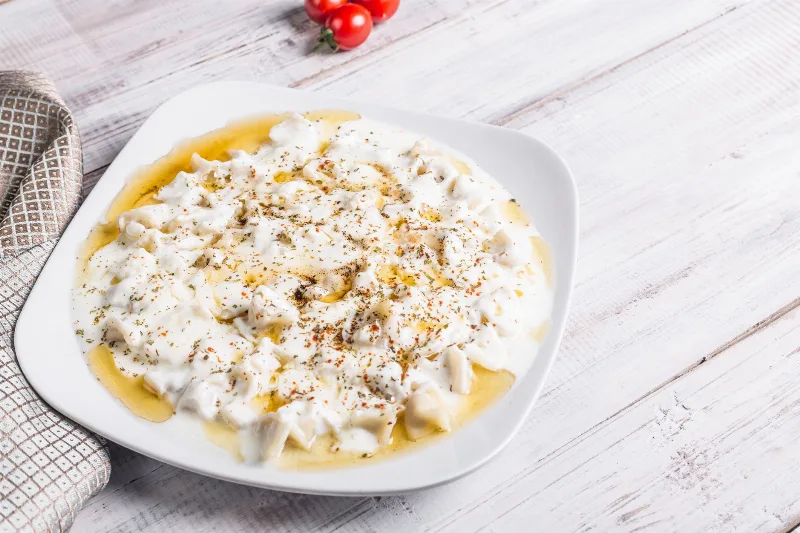
Kayseri mantısı is a small dumpling made from thin dough cut into tiny squares and filled with minced meat. The folded pieces are simmered and served with garlic yogurt and a warm butter sauce, sometimes finished with dried mint or sumac. Preparing them is usually a shared task, with several people gathered around one table to cut, fill and fold.
Yağlama uses the same principle in flat layers: yufka is stacked with a filling of minced meat, onion and tomato, then cut into portions and topped with garlic yogurt. Other savoury pastries appear at breakfast, during visits and on journeys, from simple cheese börek to coiled rolls filled with potato or spinach. Each shape has its own name and its own place on the table.
Sweet Pastries and Festive Occasions
Sweet baking is closely linked to celebrations. Kadayıf, made from fine shredded dough, and baklava, built from many thin layers with nuts between them, are prepared for holidays and family gatherings. Nevzine, a dessert based on tahini and walnuts, is another local speciality that appears on important occasions.
During Ramazan and the festivals that follow it, trays of sweets are shared with neighbours, and at weddings and engagement ceremonies pastry often takes on a ceremonial role. In many homes, recipes pass from grandparents to grandchildren without ever being written down, measured instead by hand and eye. A glass of tea usually completes the moment.
What keeps the pastry tradition of Kayseri alive is its place in ordinary life. The same dough that feeds a family on a weekday can be turned into a festive dessert, and the skills behind it continue to be practised in kitchens across the city and its villages.
Historic places
Explore history →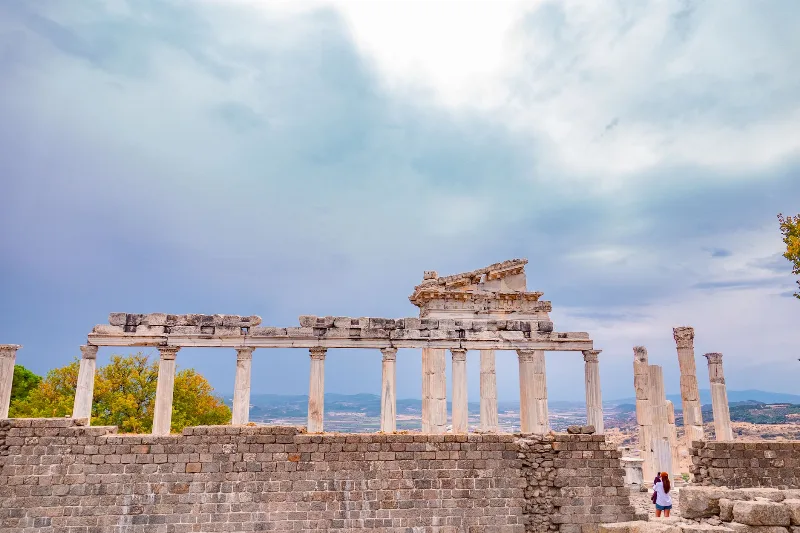
Pergamon
Pergamon was the Hellenistic capital of the Attalid dynasty in western Türkiye, built around a steep acropolis above the modern town of Bergama. Its Great Altar, theatre and Sanctuary of Asclepius make it one of the most important archaeological sites in Anatolia and a UNESCO World Heritage Site.
Explore →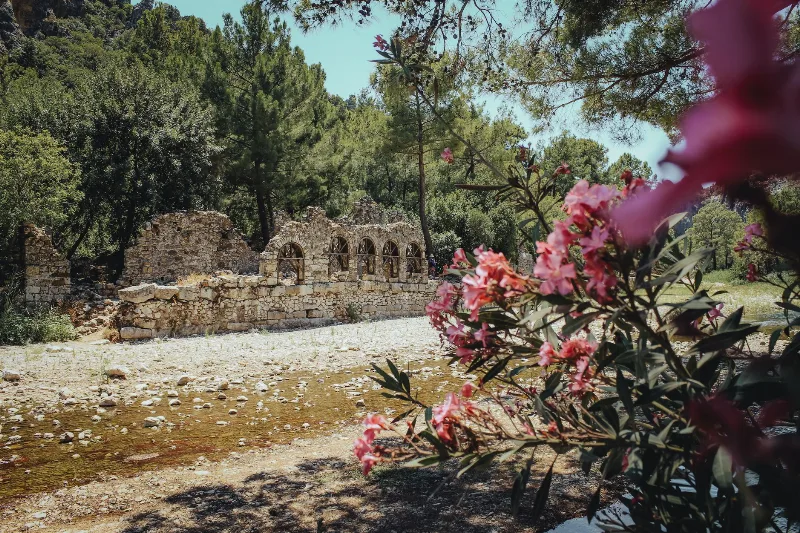
Olympos
Olympos is an ancient Lycian city in Antalya Province, Türkiye, whose ruins stand on both banks of a wooded river valley. Once a member of the Lycian League and later a Roman harbour town, it is best known for its theatre, baths and Lycian sarcophagi, and for the naturally burning Chimaera flames on the mountain above.
Explore →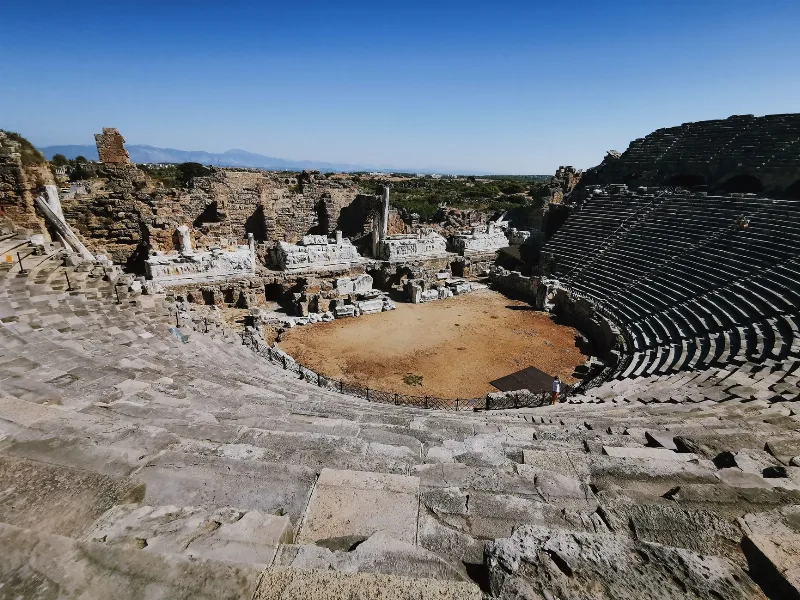
Side
Side is an ancient Pamphylian port city on a peninsula in Antalya Province, Türkiye, known for its well-preserved Roman theatre, the temples of Apollo and Athena, and a museum housed in Roman baths. It flourished under Hellenistic and Roman rule and was abandoned by the 10th century, leaving extensive ruins that visitors can explore today.
Explore →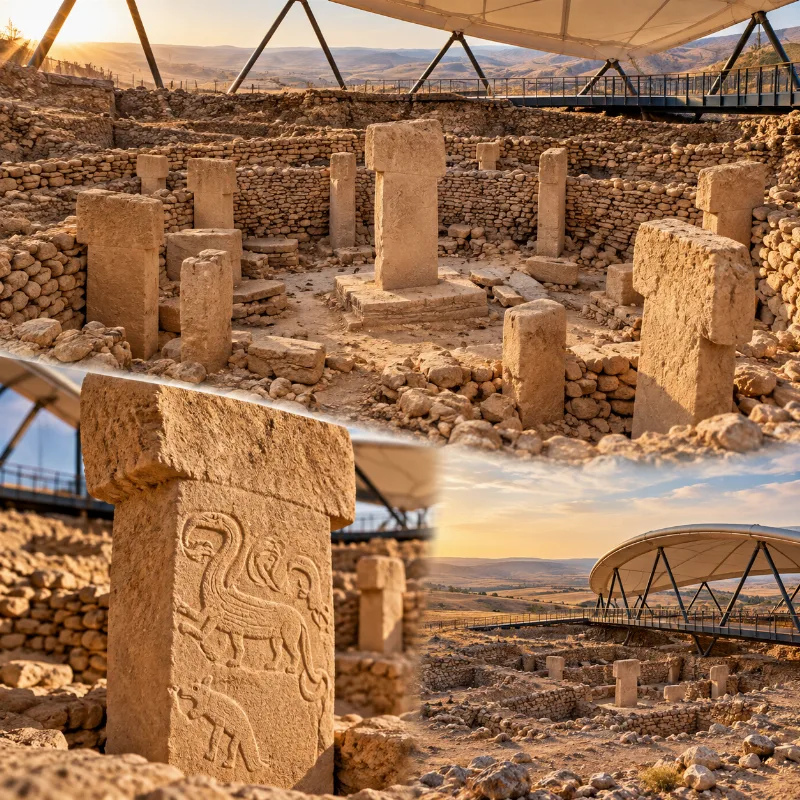
Göbeklitepe
A major Neolithic archaeological site near Şanlıurfa, known for its monumental stone enclosures and carved T-shaped pillars.
Explore →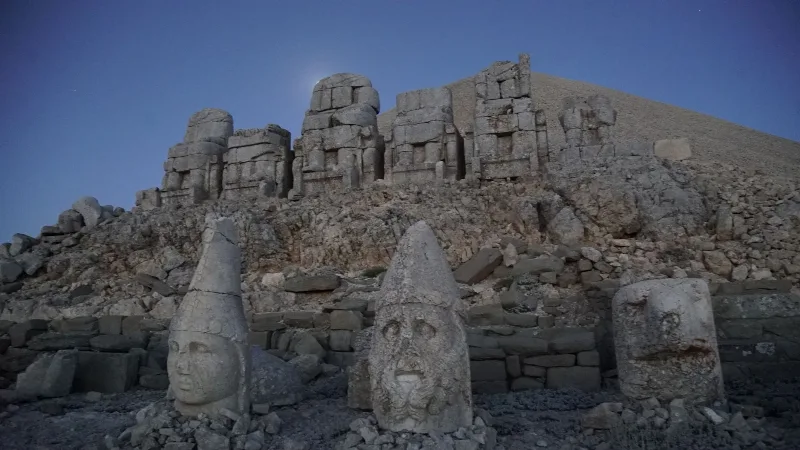
Mount Nemrut
Mount Nemrut in Adıyaman Province is the summit hierothesion of King Antiochus I of Commagene, where colossal statues of gods and a royal ruler stand on terraces above an artificial stone tumulus. The site is a UNESCO World Heritage property whose Greek inscriptions and reliefs record a Hellenistic kingdom of the first century BC.
Explore →Related content
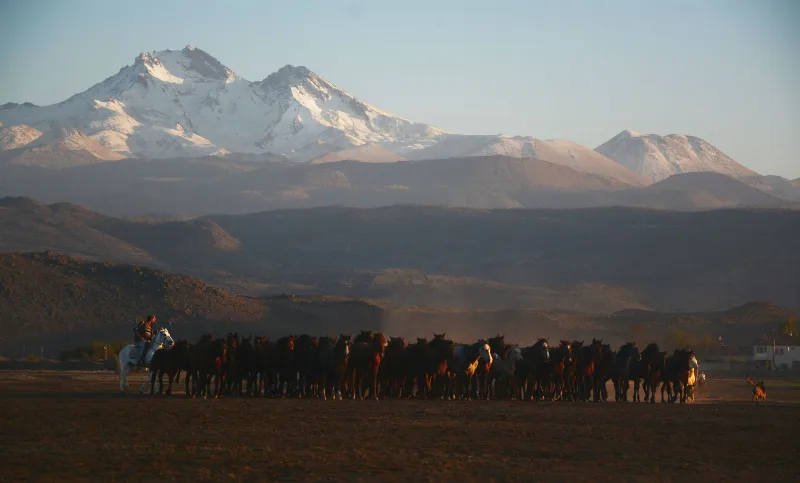
Kayseri
Kayseri is a major inland city in Central Anatolia, set on a plain at the foot of Mount Erciyes, and known for its Seljuk architecture, its manufacturing economy and a food culture built on pastırma and mantı.
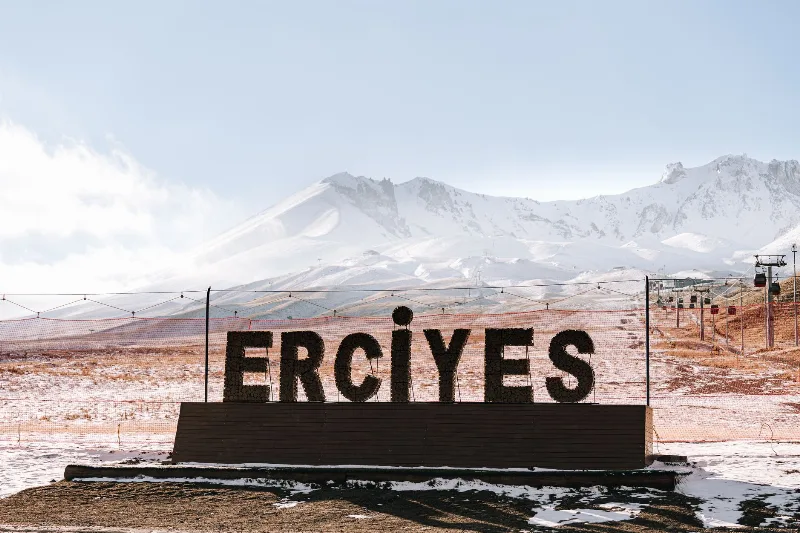
Mount Erciyes
Mount Erciyes is a dormant stratovolcano in Kayseri Province and the highest peak in Central Anatolia, rising sharply from the surrounding plain to a snow-covered summit at 3,917 metres.
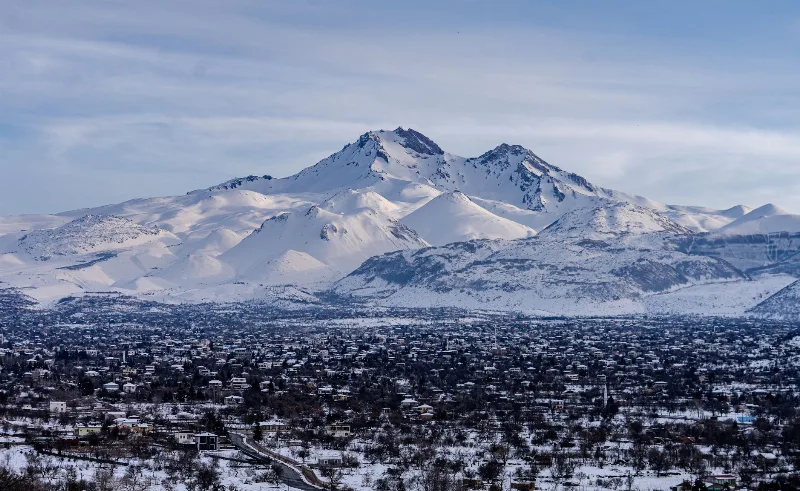
Mount Erciyes
Mount Erciyes is a dormant 3,917-metre stratovolcano rising above the Kayseri plain in Central Anatolia, known for its ski resort, summer trekking routes and its role as a landmark of Turkish volcanism.
Kültepe
Kültepe, the ancient city of Kanesh, is a Bronze Age mound and lower-city site northeast of Kayseri in central Türkiye. Its Assyrian merchants left behind thousands of cuneiform tablets, the earliest written records discovered in Anatolia.
Snow Season in Erciyes, Kayseri
Erciyes, the dormant volcano rising south of Kayseri, carries a reliable snow cover from roughly December into March, transforming its bare upper flanks into one of Central Anatolia's main winter playgrounds. The exact start and end of that cover shifts each year with snowfall and temperature.
Mantı
Mantı are small boiled Turkish dumplings filled with minced meat and onion, traditionally served with garlic yogurt and melted butter. The dish is most closely associated with Kayseri, where the dumplings are folded exceptionally small.