Göynük
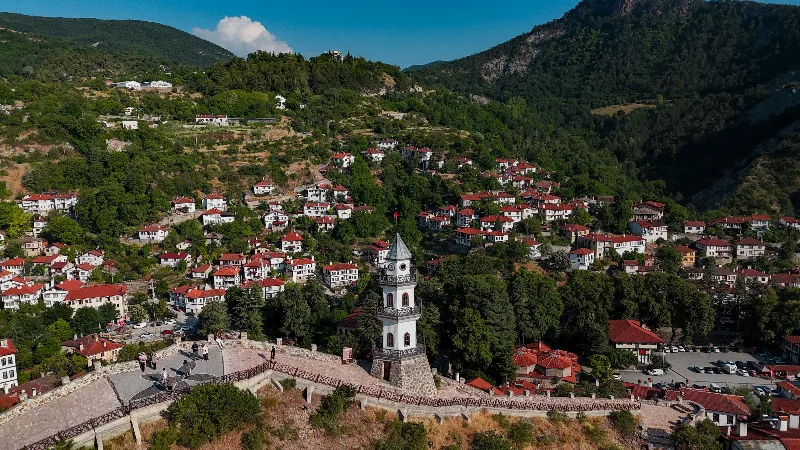
Göynük’s whitewashed traditional houses rise across a green valley beneath a landmark clock tower, creating one of Bolu’s most recognizable townscapes.
Göynük’s whitewashed traditional houses rise across a green valley beneath a landmark clock tower, creating one of Bolu’s most recognizable townscapes.
A hillside townscape
Göynük is an inland town in Bolu province, set within a landscape of valleys and wooded slopes. Its historic centre is particularly recognizable from viewpoints overlooking the town, where white façades and tiled roofs form a dense pattern. Winding streets follow the contours of the land, and the overall scene shows how residential buildings gradually filled the hillside. The town retains the proportions of a small administrative and trading centre.
Houses and street details
Traditional houses generally combine plastered surfaces with timber construction, often using projecting upper floors and broad eaves. Narrow passages, garden boundaries and changing levels create a sequence of spaces for walking. The houses are most meaningful as a group: together they reveal older approaches to privacy, street frontage and use of the uneven ground. Individual details vary, so the settlement is more interesting than a uniform architectural style might suggest.
The clock tower and landmarks
The Göynük clock tower stands above the town and is an important visual landmark. It provides an identifying feature for the historic skyline and helps visitors understand the relationship between the centre and surrounding hills. Religious and civic buildings also mark the long history of the settlement. Looking from the centre toward the tower, then returning to the smaller streets, gives two different perspectives on the same urban fabric. From an elevated position, the clock tower and the town’s rooflines are easy to read together. Closer to street level, the same composition becomes a series of individual houses and small intersections. Moving between these viewpoints reveals why Göynük is remembered both for a landmark and for the surrounding residential fabric.
Regional landscape
Göynük is surrounded by agricultural land, hills and forested areas characteristic of inland northwestern Türkiye. The changing seasons influence the town’s colours, from bright green vegetation to autumn foliage and winter landscapes. The relatively sheltered valley also creates varied light and shadow throughout the day. This natural setting is an essential part of the town’s appearance, not simply a backdrop to its historic buildings.
A walking-focused visit
Göynük is connected to other towns in the Bolu region by road. Much of the historic centre can be approached on foot, though its streets rise and fall with the terrain. Travellers who enjoy photography can look for perspectives where the tower, homes and surrounding hills appear together. Spring and autumn often provide comfortable conditions for wandering, with sufficient time to follow smaller lanes away from the main streets.
From the land
Find All →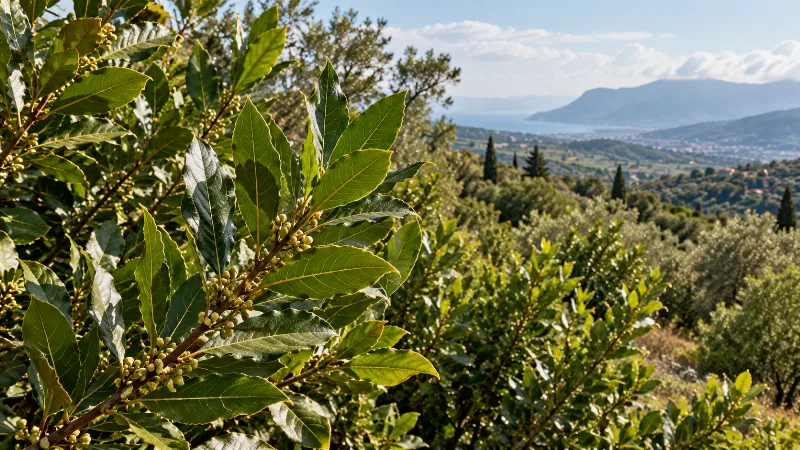
Hatay Bay Leaves
Hatay bay leaves are the aromatic leaves of the bay laurel tree, gathered across Türkiye's southernmost Mediterranean province. The region's mild, rainy winters, limestone slopes and evergreen scrub give the crop a natural home.
Explore →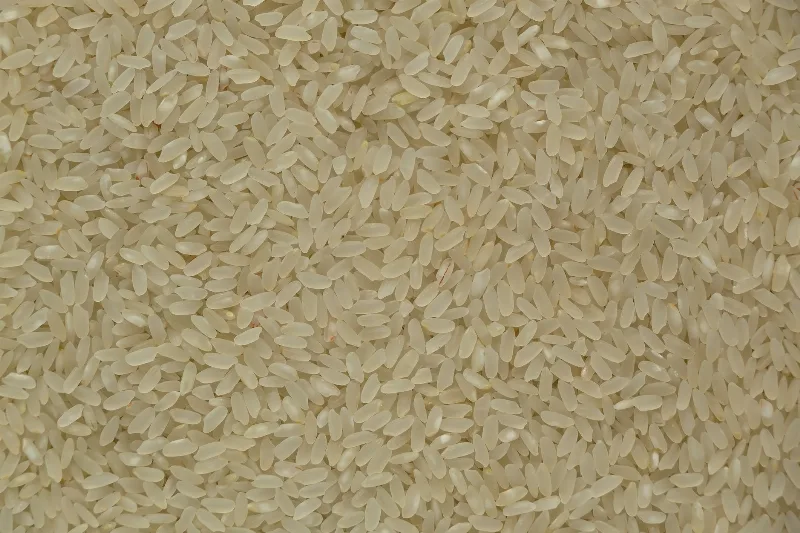
Osmancık Rice
Osmancık rice is a regional rice variety from the Osmancık district of Çorum in northern Türkiye, where the Kızılırmak River supports local paddies. It is known for its aroma and taste, especially in pilafs.
Explore →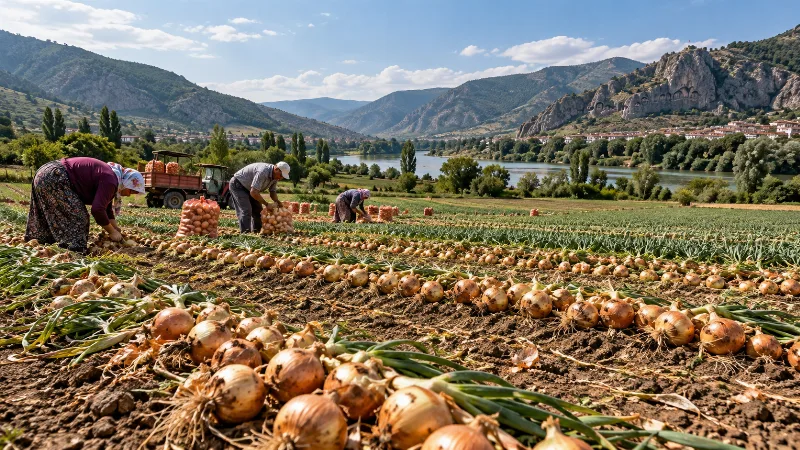
Amasya Onions
Amasya onions are a pungent, long-keeping onion variety tied to the plains and river valleys of Amasya province in northern Türkiye. The region's transitional climate and fertile alluvial soils give the crop its firm bulbs and storage quality.
Explore →Related content
Bolu
Bolu is a forested province in northwestern Türkiye, positioned between Istanbul and Ankara and widely associated with lakes, mountains and traditional rural landscapes. The provincial capital is an inland town, while many of the best-known natural attractions lie in surrounding districts. Bolu's dense woodland, mountain scenery and changing seasons give it an identity.
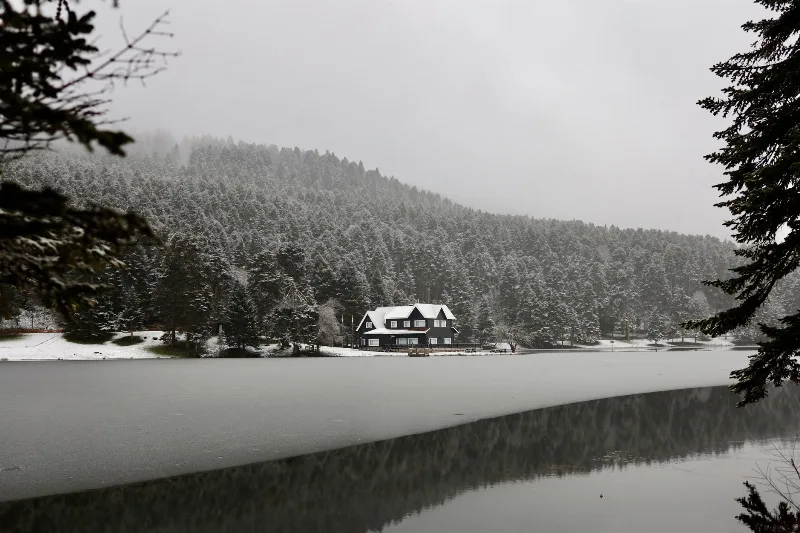
Snow Season in Kartalkaya, Bolu
Kartalkaya, the mountain ski area above Bolu in northwestern Türkiye, usually holds its snow cover from around December to March. The season is defined by cold inland winters, high elevation and pine forest slopes that stay white through the core winter months.
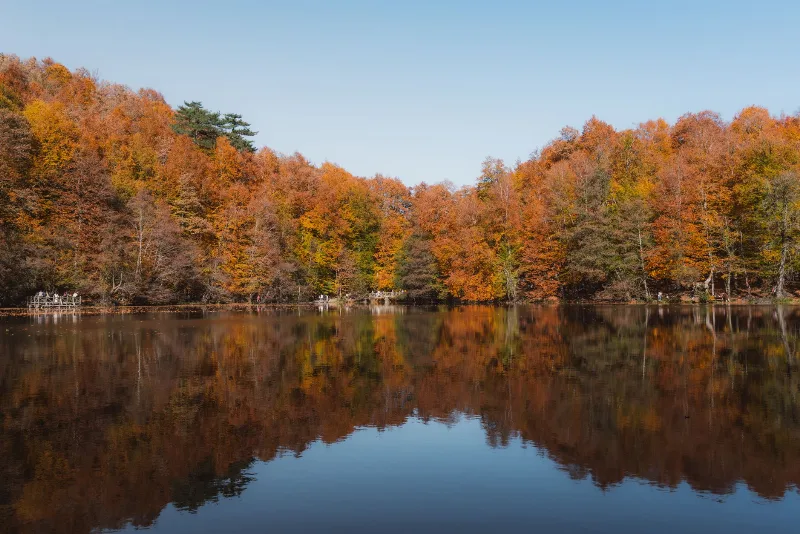
Yedigöller National Park and the Seven Lakes of Bolu
Yedigöller National Park in Bolu Province gathers seven small lakes inside dense woodland, offering quiet walking country, rich plant life and a striking autumn palette in the Western Black Sea region of Türkiye.
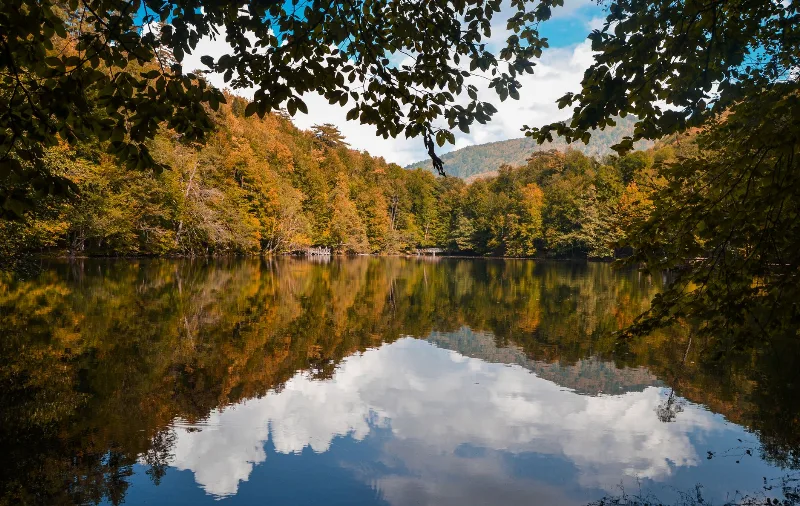
Autumn in Yedigöller, Bolu
Each year, the forests around Yedigöller's seven lakes turn brilliant shades of red, yellow, and orange, with the peak display usually occurring between mid-October and mid-November. This seasonal transformation is one of Turkey's most reliable autumn spectacles.
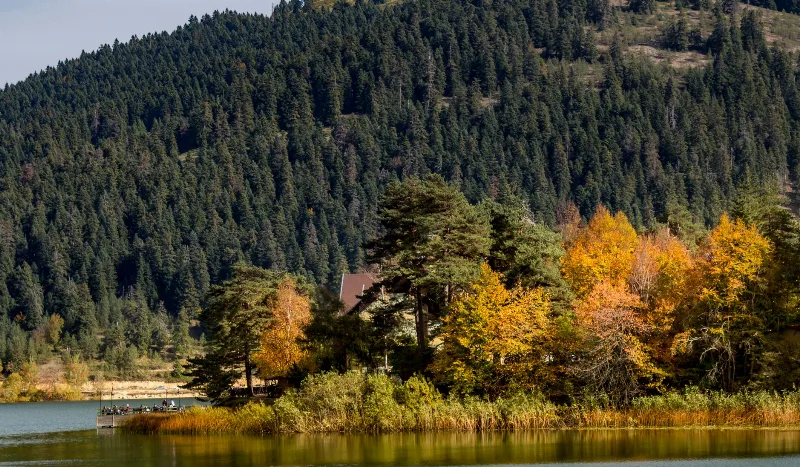
Autumn in Lake Abant, Bolu
From about October into November, the broadleaf woodland around Lake Abant in Bolu turns yellow, orange and red while the fir and pine stands around the shoreline stay dark green. The colour period lasts only a few weeks and shifts each year with temperature, rainfall and wind.
Lake Abant
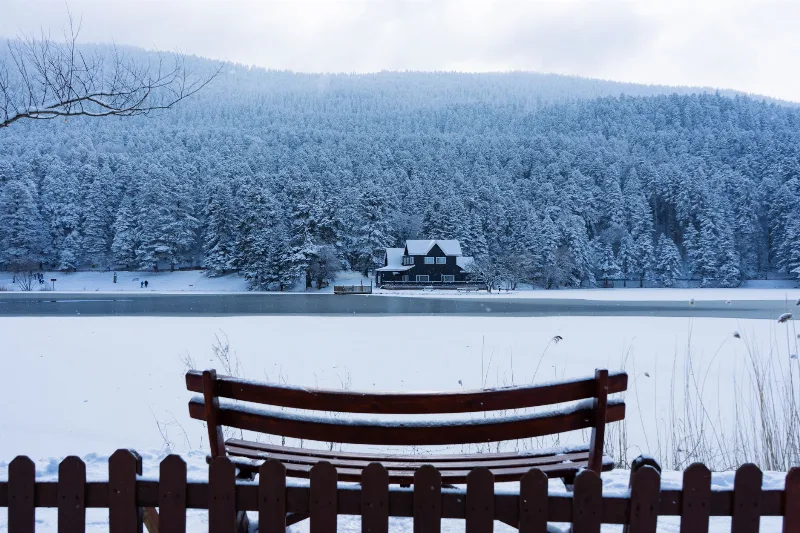
Lake Abant is a freshwater lake in Bolu Province, northwestern Türkiye, sitting at around 1,300 metres in a forested mountain basin. Its shoreline of pines, firs and beeches makes it one of the country's best-known inland lakes.