Bolu
Bolu is a forested province in northwestern Türkiye, positioned between Istanbul and Ankara and widely associated with lakes, mountains and traditional rural landscapes. The provincial capital is an inland town, while many of the best-known natural attractions lie in surrounding districts. Bolu's dense woodland, mountain scenery and changing seasons give it an identity.
Bolu is a forested province in northwestern Türkiye, positioned between Istanbul and Ankara and widely associated with lakes, mountains and traditional rural landscapes. The provincial capital is an inland town, while many of the best-known natural attractions lie in surrounding districts. Bolu's dense woodland, mountain scenery and changing seasons give it an identity distinct from the country's coastal destinations.
Geography and Landscape
The province lies among the western Black Sea mountains, with extensive forests, upland valleys and lakes. Abant Lake is set in a mountain landscape southwest of Bolu city, while Yedigöller National Park is known for its group of small lakes and deciduous woodland. The Köroğlu Mountains rise across the region, and lowland agricultural areas appear between forested ridges. Forest ecosystems range from lakeside stands to extensive mountain woods, and the land rises and falls sharply between adjoining valleys. Rural routes reveal farm settlements and pastoral clearings among the trees.
History and Heritage
Bolu has connections to the ancient region of Bithynia and later Roman, Byzantine, Seljuk and Ottoman history. Older settlements and traditional houses can be found in district towns such as Mudurnu and Göynük. Rather than being defined by a single monumental complex, the province's heritage is distributed among small historic centres, mosques, baths and local building traditions. The best-known lakes have different settings and should not be treated as interchangeable attractions. Their surrounding paths, forest structure and elevations each contribute to the character of the place.
Places to Visit
Abant Lake Nature Park and Yedigöller National Park are major places to experience Bolu's forests and waterside scenery. Gölcük Nature Park is another frequently visited lake setting near the provincial capital. Mudurnu and Göynük offer traditional architecture and a quieter historical atmosphere. Mountain roads and viewpoints introduce the landscape between destinations, with vegetation changing noticeably through the year.
Local Culture and Cuisine
Bolu is well known in Türkiye for its cooking traditions, particularly the association of the Mengen district with professional chefs. Rural food culture includes soups, pastries, grains and ingredients supplied by surrounding farms. Timber architecture and neighbourhood life remain visible in historic towns. The province's identity combines forestry, agriculture, culinary heritage and recreation within a comparatively compact mountainous region.
Climate and Seasons
Seasonality is central to Bolu's scenery. Snow is common at higher elevations in winter, while spring brings fresh forest growth and summer is usually milder in upland lake areas than in lowland cities. Autumn colours are particularly prominent in deciduous woodland. Conditions in mountain parks can change quickly, and forest roads may be affected by snow, ice or seasonal maintenance.
Getting There and Around
Bolu is reached primarily by road, with major intercity routes passing between Istanbul and Ankara. The provincial capital serves as a convenient starting point, but lakes and rural districts are outside the centre and generally require onward driving. Some sites have seasonal access arrangements. Travel across the province involves mountain roads, so the route between two attractions may be longer than their straight-line distance suggests.
Discover Food in Türkiye
All food →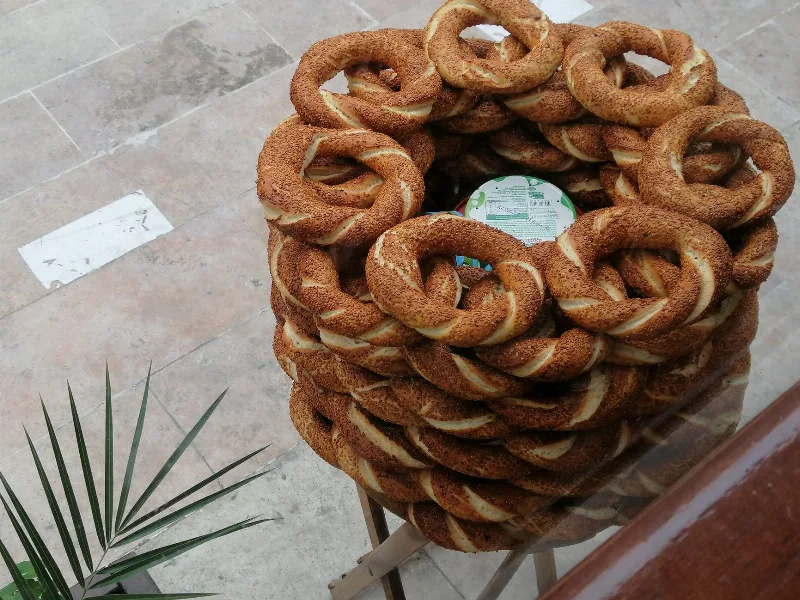
Simit
Simit is a ring-shaped Turkish bread covered in sesame seeds, strongly associated with Istanbul and sold as everyday street food. It is eaten fresh, most often with tea, and has a crisp crust around a chewy crumb.
Explore →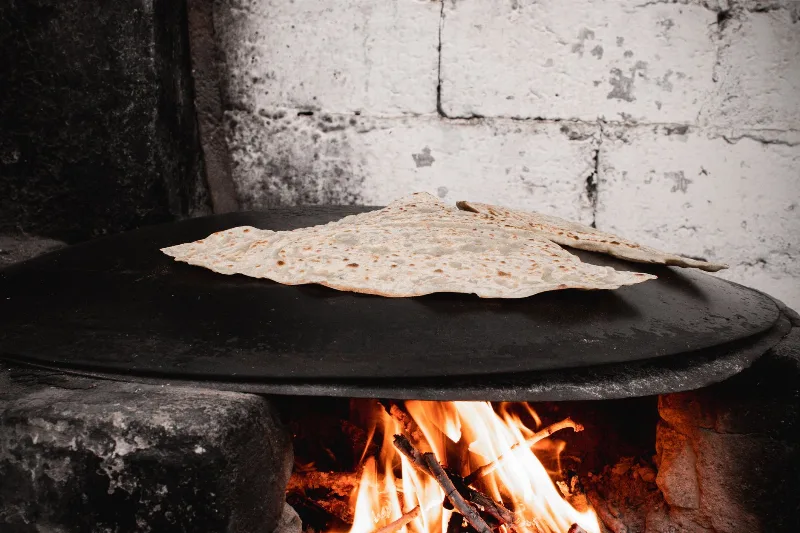
Bazlama
Bazlama is a soft, thick Turkish flatbread made from a leavened dough and cooked on a hot griddle. It is a staple of village baking across Anatolia, eaten warm with butter or used to wrap other foods.
Explore →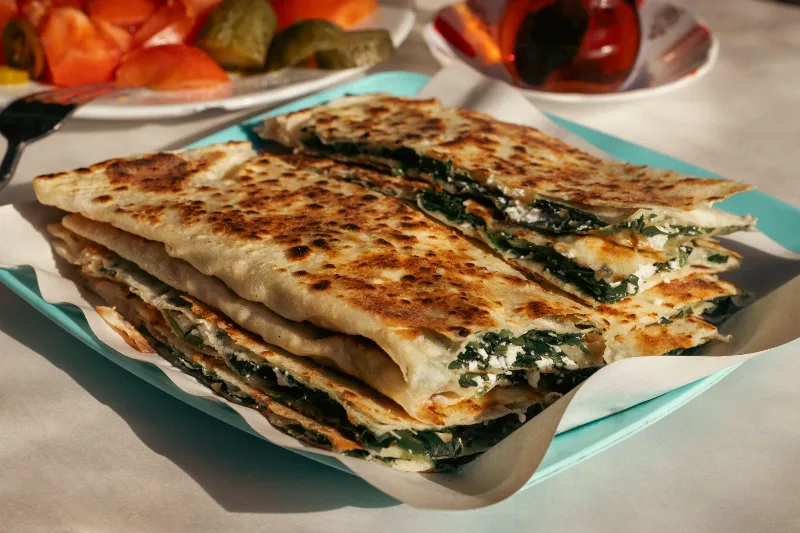
Gözleme
Gözleme is a thin, hand-rolled Anatolian flatbread folded around savory fillings such as cheese, spinach, or minced meat and cooked on a sac griddle. The article covers its regional variations, cooking method, texture, and traditional serving style.
Explore →Related content
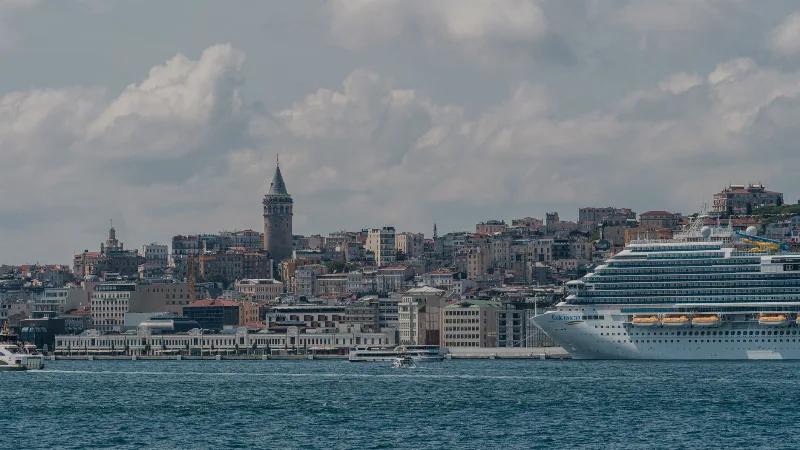
Istanbul
Istanbul is Türkiye's largest city and the country's only metropolis that spans two continents, divided by the Bosphorus strait into a European and an Asian half. Its long run as an imperial capital left a historic core of palaces, mosques and bazaars that still shapes the city's identity.
Ankara
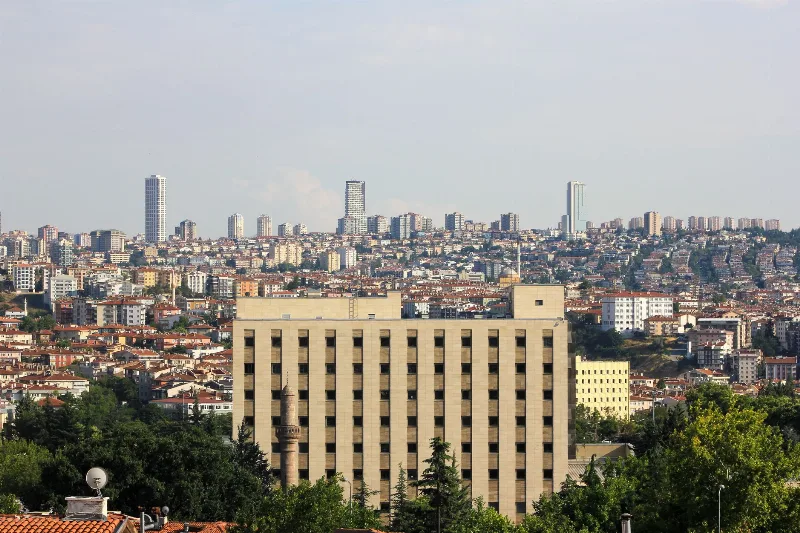
Ankara is the capital of Türkiye and the country's second-largest city, set on the high plateau of Central Anatolia and defined by its republican institutions, its long pre-Ottoman history and the mausoleum of Mustafa Kemal Atatürk.
Yedigöller National Park
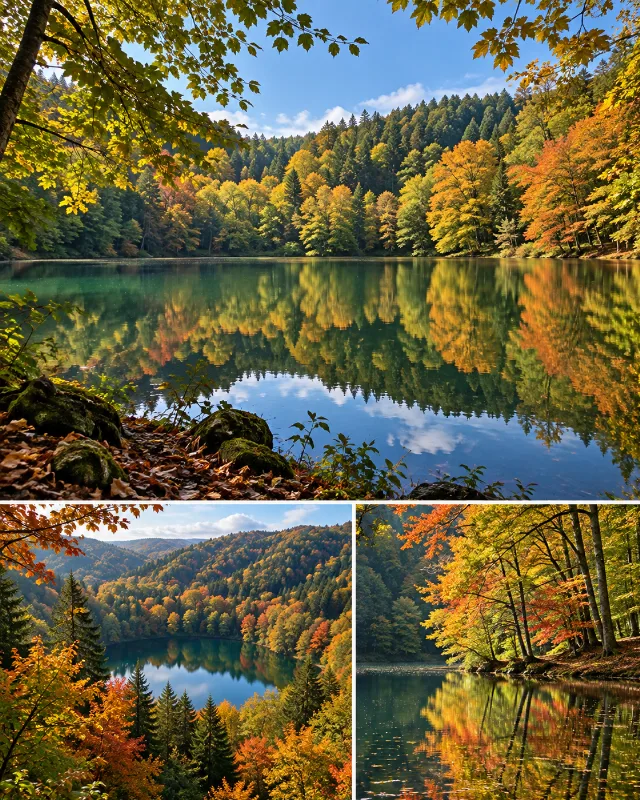
Yedigöller National Park in Bolu, Turkey, is a protected area centered on seven small lakes formed by landslides. The park is known for its dense forests, seasonal color changes, and tranquil walking paths.
Yedigöller National Park and the Seven Lakes of Bolu
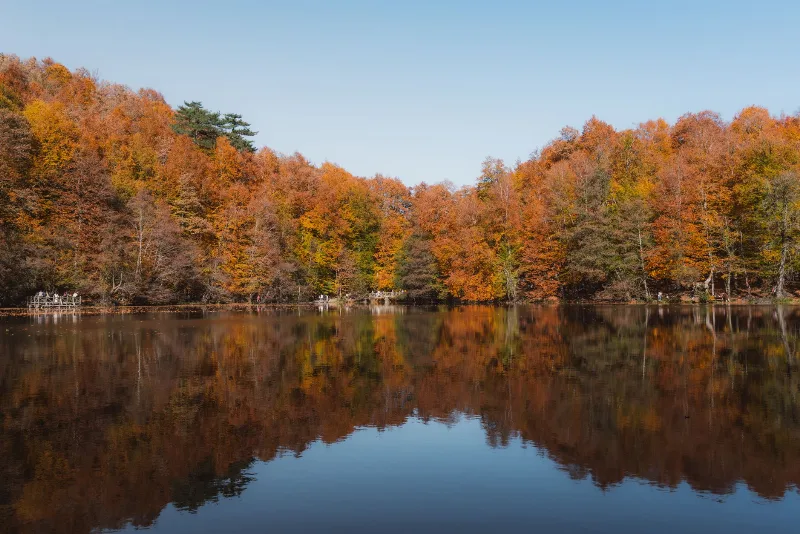
Yedigöller National Park in Bolu Province gathers seven small lakes inside dense woodland, offering quiet walking country, rich plant life and a striking autumn palette in the Western Black Sea region of Türkiye.
Autumn in Yedigöller, Bolu
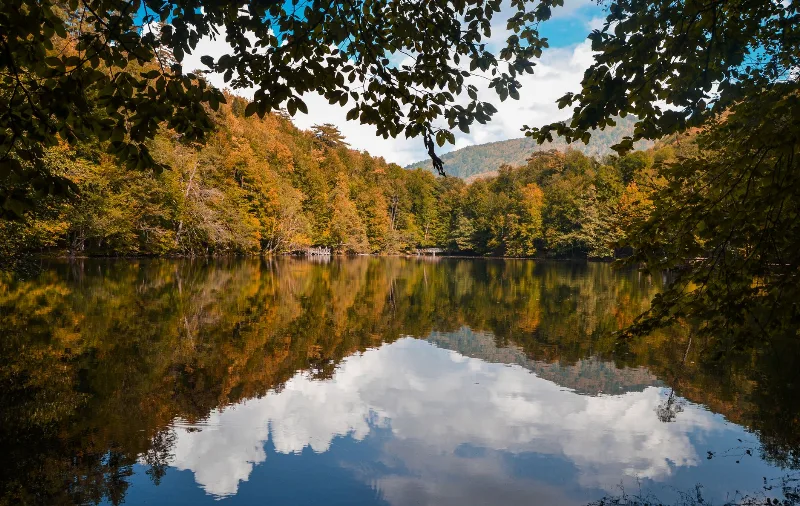
Each year, the forests around Yedigöller's seven lakes turn brilliant shades of red, yellow, and orange, with the peak display usually occurring between mid-October and mid-November. This seasonal transformation is one of Turkey's most reliable autumn spectacles.
Autumn in Lake Abant, Bolu
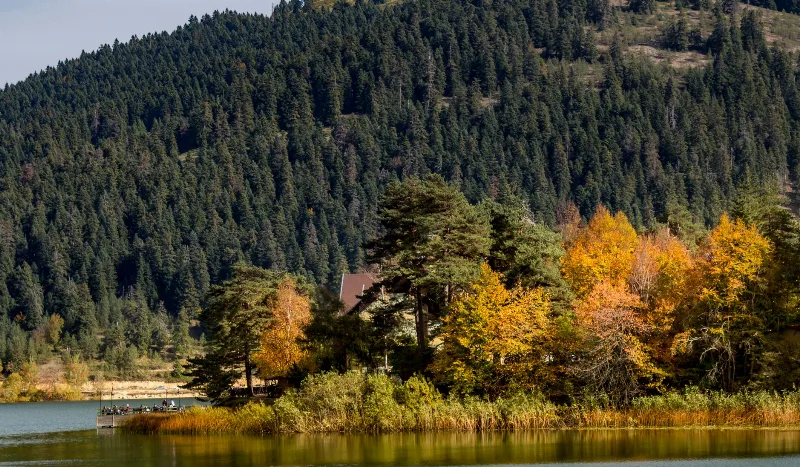
From about October into November, the broadleaf woodland around Lake Abant in Bolu turns yellow, orange and red while the fir and pine stands around the shoreline stay dark green. The colour period lasts only a few weeks and shifts each year with temperature, rainfall and wind.