
Bird Migration at Lake Burdur, Burdur
Lake Burdur’s alkaline waters draw migratory waterbirds in spring and autumn, when flamingos and white-headed ducks are among the species associated with the lake. Timing shifts with weather, so the season is best understood as a moving window rather than a fixed date.
Lake Burdur, in Burdur province in southwestern Türkiye, is a large alkaline lake that serves as an important stopover and wintering area for waterbirds. Its bird migration season is not a single fixed event but a twice-yearly movement: one passage in spring and another in autumn. The lake is especially associated with species such as the white-headed duck and flamingos, and the timing of their appearance generally depends on weather conditions, water levels and the wider movement of birds across the region.
A Closed Alkaline Lake in Southwestern Türkiye
Lake Burdur sits in a closed basin, meaning it has no natural outlet to the sea. Water leaves mainly through evaporation, which helps explain the lake’s alkaline and saline character. This chemistry shapes the lake’s food web and the kinds of invertebrates and plant life available to birds. For migratory waterbirds, the result is a distinctive habitat rather than a generic lake shoreline. Shallow margins, open water and exposed mud can all vary through the year, and those changes influence where birds gather and how visible they are from the shore.
The lake is recognised as a wetland of international importance and is one of the better-known waterbird sites in Türkiye’s lake district. That status rests on the numbers and variety of birds it can support, especially during migration and in the colder months. It is not a purpose-built nature reserve with a fixed visitor circuit; the experience is tied to the lake’s natural seasonal rhythms and to the birds’ own movements.
How the Spring Passage Unfolds
Spring migration at Lake Burdur generally occurs as waterbirds move north towards breeding areas. The exact peak is not fixed from year to year. In most years, the main passage falls within the spring months, but cold snaps, late rain, strong winds or an early warm spell can delay or accelerate bird movements. Some species may linger for only a short time, while others stop to rest and feed before continuing. The lake therefore acts less like a stage with a scheduled performance and more like a changing resting place along a much larger route.
During spring, the mix of birds can include waterfowl, grebes, gulls and waders, with flamingos using suitable shallow areas when conditions are right. White-headed ducks are strongly associated with Lake Burdur, though they are not guaranteed to be close to the shore or easy to see. Viewing depends heavily on water levels, disturbance and the birds’ daily movement patterns. Early morning and late afternoon often provide calmer conditions for observation, but bird activity can vary at any hour.
Autumn Movement and the Return South
Autumn migration follows the breeding season, as waterbirds move south and many seek milder conditions for the colder months. At Lake Burdur, autumn is another window when migratory species may appear, rest and feed. The passage can overlap with the arrival of birds that remain through winter, so the distinction between passing migrants and wintering birds is not always obvious to a visitor. Flamingos and white-headed ducks are among the species that give the lake its seasonal birding interest, but the composition of birds changes with weather, water levels and the timing of the season.
Autumn conditions can be very different from spring. Water levels may be lower after the dry season, exposing more shoreline and mud, or they may be affected by local rainfall. Cooler weather and changing wind patterns can influence when birds arrive and how long they stay. As in spring, the exact timing varies annually; a warm, dry autumn will not produce the same conditions as a wetter one.
Why the Lake Attracts Waterbirds
The lake’s alkaline water supports a food web adapted to its particular chemistry. For migratory birds, that translates into feeding opportunities that may not be available in ordinary freshwater lakes nearby. Shallow areas can concentrate food, while open water offers resting space. The surrounding landscape is also part of the picture: the lake sits within a basin where agriculture, settlements and natural areas meet, and birds respond to changes in water extent and human activity.
Lake Burdur is not only a migration stopover. It is also important in winter, when waterbirds may concentrate on the lake in large numbers. That makes the broader cold-season period relevant for birdwatchers, even though the spring and autumn passages are the clearest seasonal migration windows. The presence of white-headed ducks and flamingos is a key reason the lake draws attention, but a visit should not be planned around a single species alone.
What Visitors Can Realistically Observe
From public roads and shoreline vantage points, visitors can expect to see waterbirds at a distance rather than in a controlled viewing hide. A pair of binoculars is useful, and a spotting scope is better for open-water species. Flamingo groups may be visible in shallow bays or along quieter stretches, while ducks, grebes and gulls may be scattered across the lake. White-headed ducks can be harder to pick out, especially when they are far from the shore or mixed with other waterfowl.
The terrain is practical rather than polished. Shorelines can be muddy after rain, dusty in dry weather and exposed to wind. There is usually little shade, so sun protection and windproof clothing are useful. Visitors should keep a respectful distance from birds, avoid approaching flocks too closely and avoid driving onto soft ground near the water. The most rewarding viewing generally comes from patience and quiet observation rather than from trying to cover the whole lake quickly.
Weather, Water Levels and Shifting Timing
Timing is central to this seasonal experience, and it is also the least predictable part. Spring migration generally depends on warming temperatures, day length and weather systems that influence bird movement. Autumn migration is shaped by cooling conditions and the birds’ post-breeding dispersal. Local rainfall and evaporation affect how much shoreline is exposed, which in turn changes where birds feed and rest. A wetter spring may create different conditions from a dry one, and a hot summer can lower water levels before autumn arrivals.
Because of this, no single date can be guaranteed for the peak of migration at Lake Burdur. The best approach is to think in terms of the spring and autumn windows and to remain flexible. The season may begin earlier or later, and the most visible period can last for days or weeks depending on the species and the weather. A visit during the general migration window offers a reasonable chance of seeing seasonal waterbird activity, but it should not be treated as a fixed appointment with a particular species.
Practical Context for Planning a Visit
Lake Burdur lies close to Burdur city and can be reached by road, with the lake forming a major feature of the local landscape. The best general period for migration is spring or autumn, but the precise timing should be matched to conditions in that particular year. Birders often find that calm, settled weather makes observation easier, while strong wind or heavy rain can reduce visibility and disturb birds. Water level is another practical factor: low water can expose feeding areas, but it can also make some shoreline access muddy or uneven.
Nearby Lake Salda is a separate lake with different water chemistry and should not be confused with Lake Burdur’s alkaline bird habitat. The wider Burdur region has other wetlands and rural landscapes, but Lake Burdur itself is the focus for this seasonal migration experience. Visitors who plan around the general spring and autumn passages, rather than a precise date, will have the most realistic understanding of what the lake can offer as a seasonal wildlife destination.
EXPLORE BY THEME
All themes →

Related content
Lake Burdur
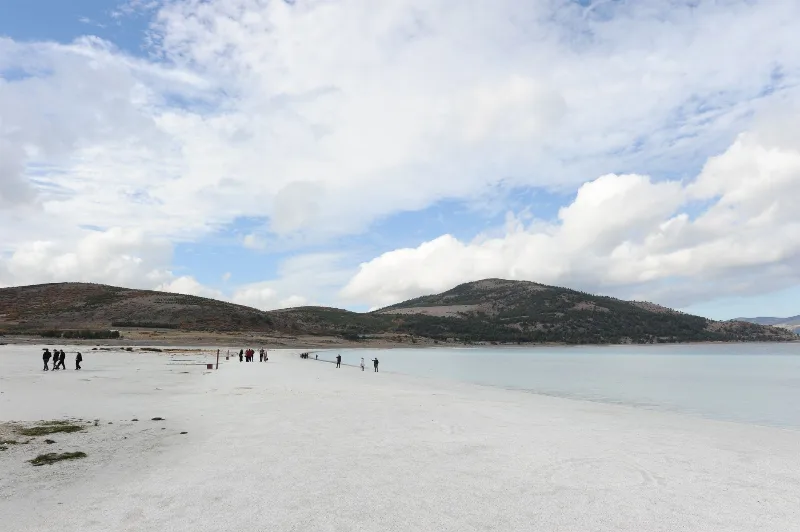
Lake Burdur is a large tectonic soda lake in Burdur Province, south-western Türkiye, with strongly alkaline water, a broad shifting shoreline and international importance for wintering waterbirds. Its closed basin, mineral chemistry and retreating waterline make it one of the most distinctive inland landscapes of the Turkish Lakes Region.
Burdur
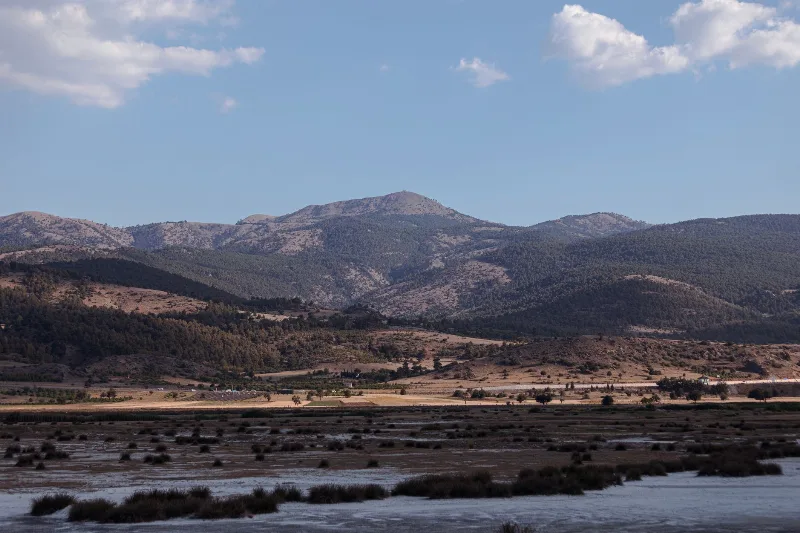
Burdur is a provincial capital in southwestern Türkiye, set in the inland Lakes District beside a large saline lake and known for the Roman ruins of Sagalassos and one of Anatolia's oldest Neolithic settlements.
Lake Salda
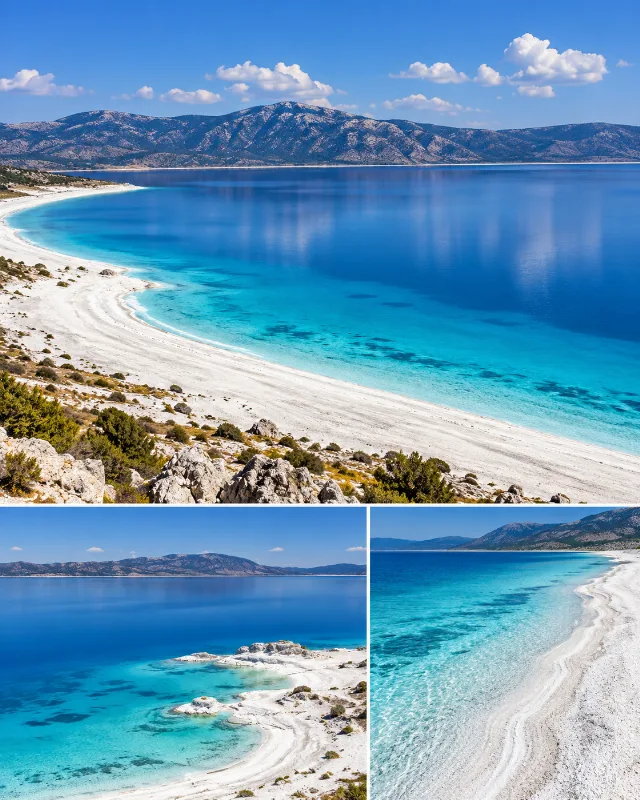
Lake Salda is a deep, closed-basin lake in Burdur Province, Türkiye, known for its white shores and turquoise water. Its pale sediment and unusual water chemistry set it apart from other Turkish lakes.
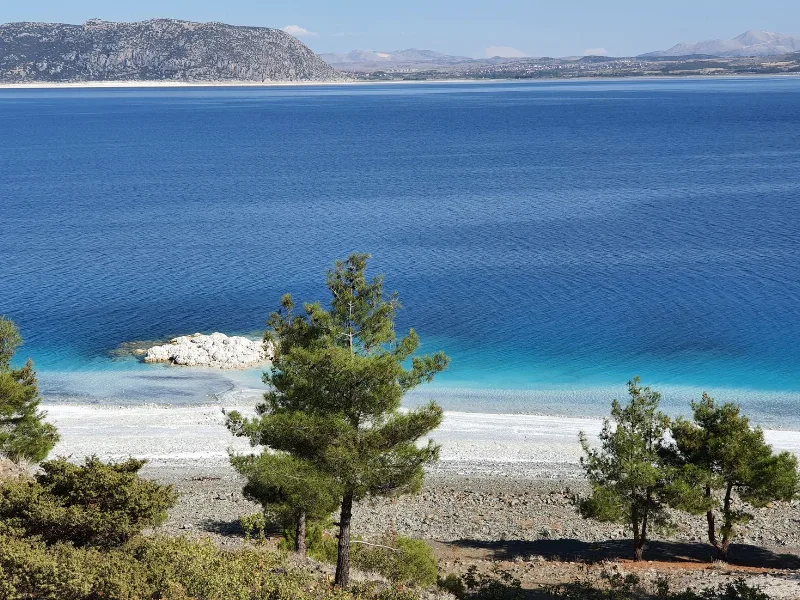
The Serene Lakes of Türkiye
Türkiye’s lakes range from vast soda lakes to salt flats and freshwater basins, each offering calm landscapes and rich wildlife. This page introduces notable lakes across different regions and their seasonal character.
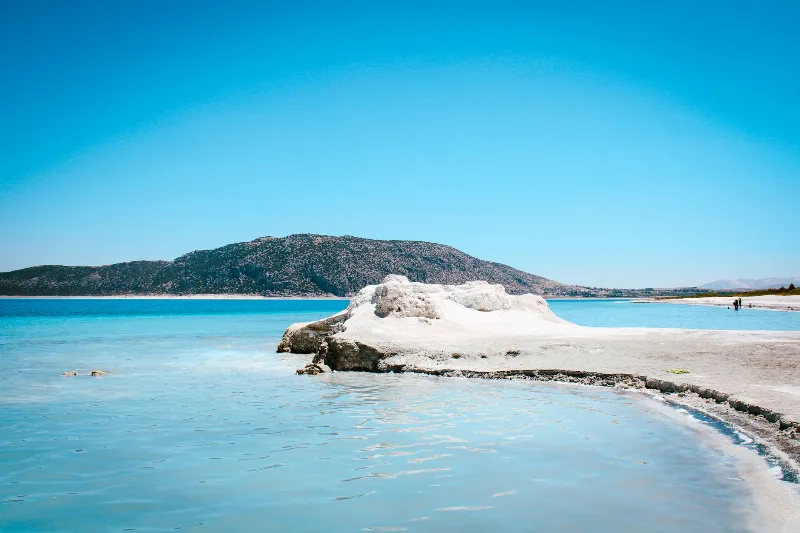
Lake Salda
Lake Salda is a striking lake in Burdur Province, southwestern Türkiye, known for its turquoise water, bright white hydromagnesite beaches and rare microbial stromatolites that draw both nature visitors and planetary scientists.
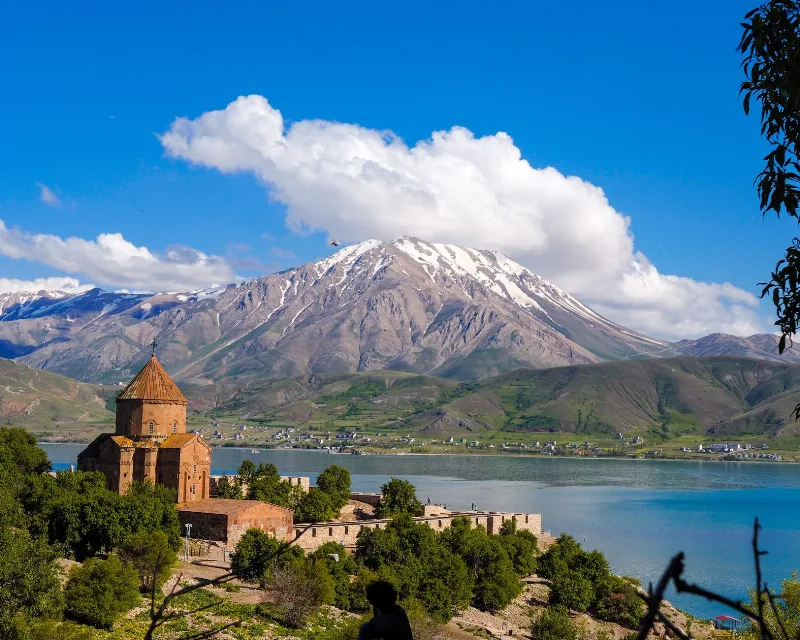
Lakes and Natural Beauty in Türkiye
A journey through the lakes of Türkiye, from the wide soda waters of Lake Van to forest pools in Bolu, salt flats on the Central Anatolian plateau and reed beds full of birds.