
Mount Nemrut
Mount Nemrut is a dormant volcano in Bitlis Province, eastern Türkiye, featuring a large caldera with crater lakes. It lies west of Lake Van near Tatvan.
Mount Nemrut is a dormant volcano in Bitlis Province, eastern Türkiye. The mountain stands west of Lake Van, close to the town of Tatvan, and its summit is a broad caldera that holds crater lakes. The caldera is a distinctive volcanic landform in the Eastern Anatolia region, with a rim rising to about 2,948 metres and an interior floor that contains Lake Nemrut and smaller water bodies.
Where Mount Nemrut Is Located
Mount Nemrut lies in the Eastern Anatolia region of Türkiye, within Bitlis Province. The volcano is located just west of Lake Van, close to the town of Tatvan. The city of Bitlis is southwest of the mountain, and the town of Ahlat is to the north, along the northwestern shore of Lake Van. The mountain is not the same as Mount Nemrut in Adıyaman, which is famous for its ancient stone statues; this Nemrut is a volcanic geological feature in the Bitlis region.
A Dormant Volcano and Its Large Caldera
Mount Nemrut is a dormant volcano, meaning it is not currently erupting but is not considered extinct. Its most prominent feature is a large caldera, a basin-shaped depression formed when the ground collapsed after major volcanic eruptions emptied the magma chamber beneath. The caldera is roughly 7 kilometres by 8 kilometres across, making it one of the largest calderas in Türkiye. The rim of the caldera is uneven, and the highest point of Mount Nemrut reaches about 2,948 metres above sea level. The caldera floor lies much lower, at around 2,200 metres, creating a sheltered interior that is separated from the surrounding plateau by steep volcanic walls.
Crater Lakes Within the Caldera
The caldera contains crater lakes, the most significant being Lake Nemrut. Lake Nemrut is a crater lake that sits on the caldera floor at an elevation of about 2,247 metres. It is one of the largest crater lakes in Türkiye and is surrounded by volcanic rock and steep slopes. Several smaller lakes and marshy areas also occur within the caldera. The lakes are fed by precipitation and groundwater, and the caldera itself acts as a closed basin. The water is generally clear, and the surface reflects the surrounding volcanic walls. In winter, the lake can freeze over, while in summer it remains cool because of the high altitude.
Landscape and Terrain
The landscape of Mount Nemrut is shaped by volcanic activity and high-altitude conditions. The caldera walls are steep and rocky, composed of lava flows, volcanic ash and other erupted materials. Outside the caldera, the mountain slopes down to the surrounding plateau, which is part of the wider Eastern Anatolia highland. The terrain is rugged, with loose volcanic stones and uneven ground. Vegetation is sparse, especially at higher elevations, where alpine grasses, low shrubs and seasonal wildflowers grow in sheltered spots. There are no forests on the upper slopes. The caldera rim offers wide views over Lake Van, the surrounding volcanic peaks and the high plains of Bitlis Province.
Seasonal Changes and Weather
Mount Nemrut experiences a continental highland climate. Winters are long, cold and snowy. Snow can cover the caldera rim and slopes from late autumn until spring, and access may be difficult during this period. The crater lake may freeze over. Spring arrives late at this altitude; snowmelt feeds the lakes and moistens the volcanic soil, encouraging brief growth of grasses and wildflowers. Summer is the most accessible season, with mild days, cool nights and mostly clear skies. However, weather can change quickly, and afternoon clouds or rain showers are possible. Autumn brings cooler temperatures and clear views before the first snows return. Visitors should be prepared for sudden changes in weather regardless of the season.
Reaching the Area and Practical Conditions
The Mount Nemrut caldera is generally reached by road from Tatvan, which lies on the western shore of Lake Van. Tatvan is connected to other parts of eastern Türkiye by highways, and the mountain is located a short distance to the west. The final approach to the caldera is by mountain roads, and visitors should check local conditions before setting out. The high altitude means that visitors should allow time to adjust and should carry warm clothing, water and food, as there are no facilities within the caldera. The terrain is uneven and rocky, and the weather can change quickly.
Nearby Natural Places
The area around Mount Nemrut contains other significant natural features. Lake Van, the largest lake in Türkiye, lies immediately to the east and is visible from parts of the caldera rim. Mount Süphan, another dormant volcano, rises to the north of Lake Van and is part of the same broader volcanic region. The high plateaus and valleys of Bitlis Province also offer contrasting landscapes, with deep gorges and seasonal streams. These nearby places share the volcanic and highland character of eastern Türkiye, but each has its own distinct geography.
Beaches & bays
See the coast →
Related content
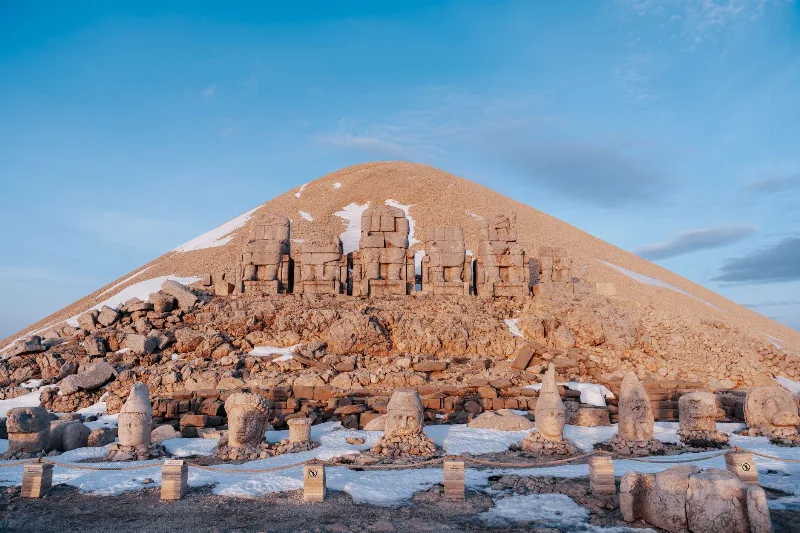
Nemrut
Mount Nemrut in Adıyaman Province is a 2,134-metre summit crowned by the colossal statues and tomb-sanctuary built by King Antiochus I of Commagene, and it has been a UNESCO World Heritage Site since 1987.
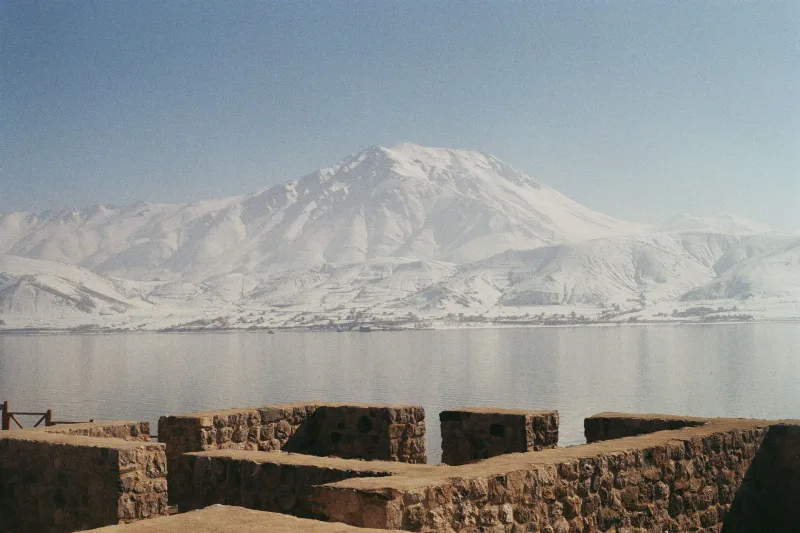
Lake Van
Lake Van is Turkey's largest lake, a vast alkaline soda lake with no outlet, set in the volcanic highlands of Eastern Anatolia at around 1,640 metres. Its unusual chemistry, depth and islands give it a character unlike any other lake in the country.
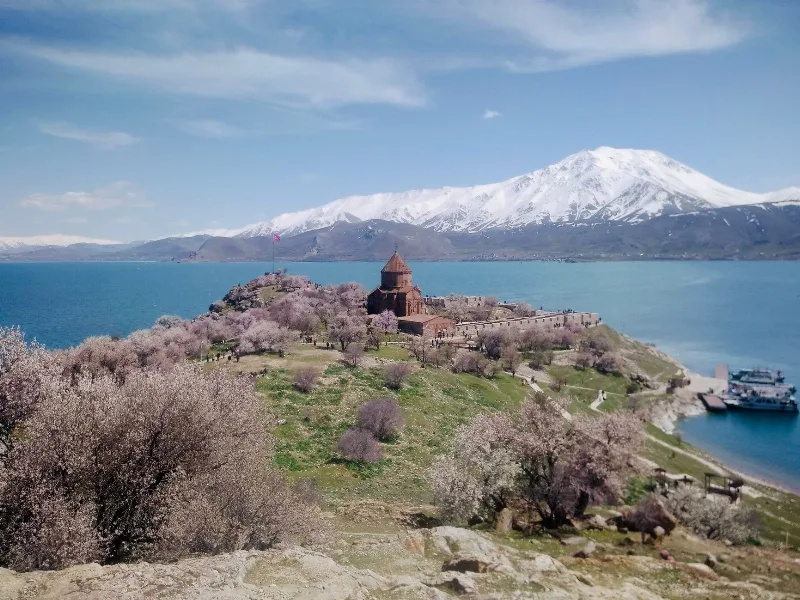
Lake Van
Lake Van is Turkey's largest lake and the world's largest soda lake, located in Eastern Anatolia. It is known for Akdamar Island and its 10th-century Armenian Church of the Holy Cross.
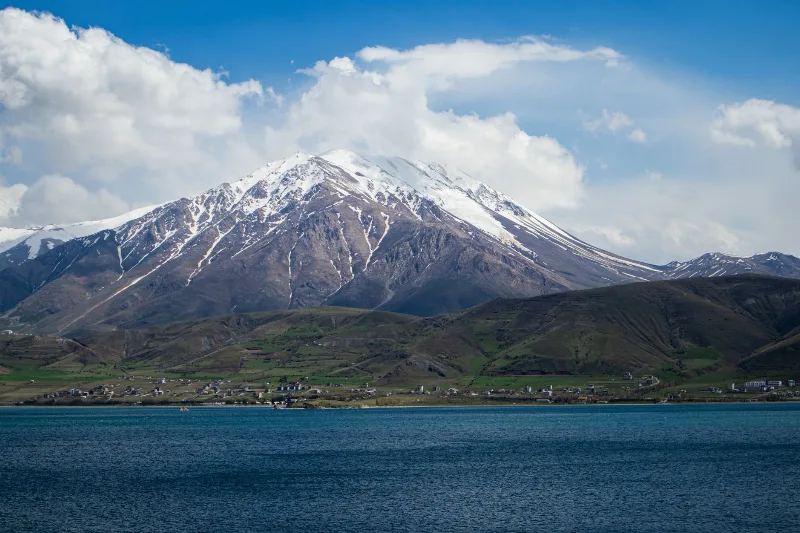
Mount Süphan
Mount Süphan (Süphan Dağı) is a dormant stratovolcano in Bitlis Province, eastern Türkiye, and the second-highest peak in the country at 4,058 metres, rising above the northern shore of Lake Van.
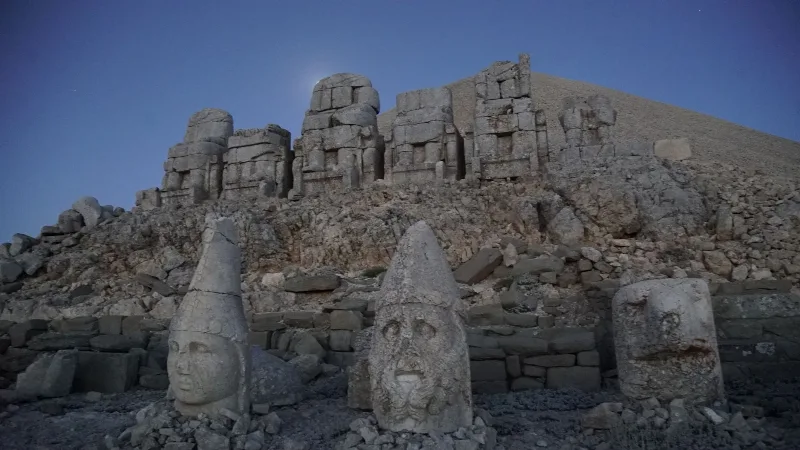
Mount Nemrut
Mount Nemrut in Adıyaman Province is the summit hierothesion of King Antiochus I of Commagene, where colossal statues of gods and a royal ruler stand on terraces above an artificial stone tumulus. The site is a UNESCO World Heritage property whose Greek inscriptions and reliefs record a Hellenistic kingdom of the first century BC.
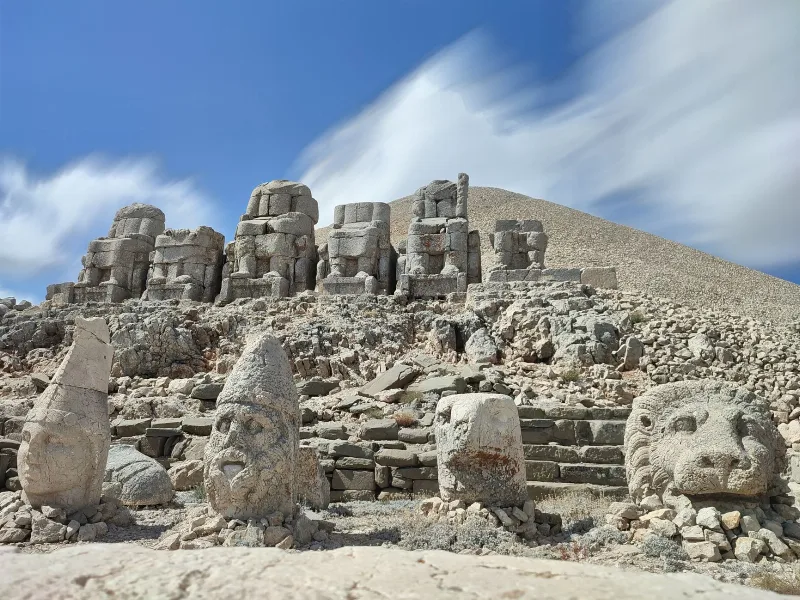
The Fascinating History of Mount Nemrut
Mount Nemrut is renowned for its ancient statues and monumental tombs, offering a glimpse into a mysterious past.