
Çıralı Beach
A long beach on Antalya’s Mediterranean coast surrounded by mountains, pine forest and the historic landscape of Olympos.
Çıralı Beach
Çıralı Beach is located in the Kemer district of Antalya Province, on Turkey’s Mediterranean coast. The beach lies below the forested slopes of the Beydağları and forms part of a coastal landscape that also includes Olympos and Yanartaş.
The shoreline is long and relatively open, with a mixture of sand and small pebbles.
The sea generally appears in clear shades of blue and turquoise, while the mountains behind the coast provide a green backdrop.
One of Çıralı’s main characteristics is the limited scale of dense urban development directly along the shoreline. Gardens, trees and low-rise buildings are found behind the beach, while the mountain landscape remains clearly visible.
The southern end of the beach connects naturally with Olympos, where the remains of an ancient city are spread through a wooded valley beside a river.
Walking south along the coast therefore creates a transition from beach landscape to archaeological ruins and forest.
Çıralı is also close to Yanartaş, where natural flames emerge from openings in the rocky slopes above the coast. The flames have been known since antiquity and are one of the unusual natural features of the wider area.
Swimming is common along the beach, while the long shoreline is also suitable for walking.
The surrounding mountains and pine forests influence the atmosphere of Çıralı throughout the year. Summer brings stronger Mediterranean colours, while spring and autumn create greener and quieter surroundings.
The beach is also associated with Caretta caretta sea turtles, which nest along parts of Turkey’s Mediterranean coast.
Çıralı is distinctive because several different landscapes meet in one area: Mediterranean shoreline, forested mountains, an ancient city and the natural flames of Yanartaş.
Together, these features give the beach a character closely connected with the broader geography and history of the Olympos coast.
Remarkable places
All places →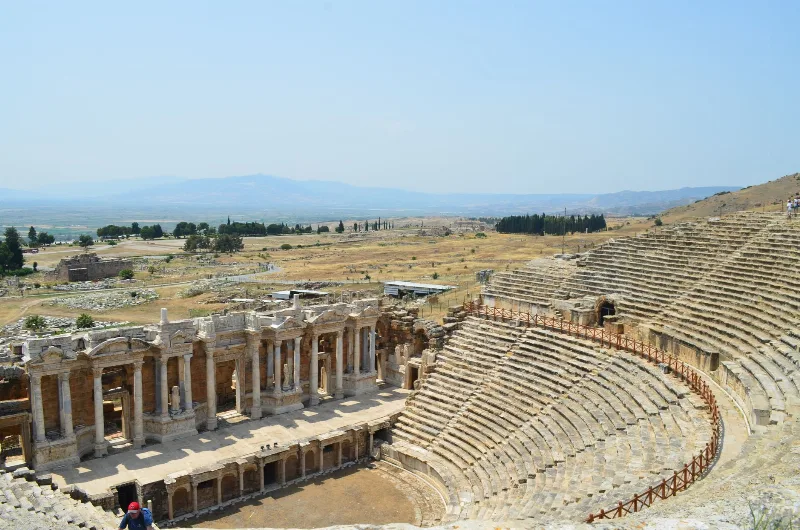
Letoon
Letoon is a Lycian sanctuary near Xanthos in Muğla Province, dedicated to Leto, Artemis and Apollo. Its three temples, theatre and trilingual inscription make it one of southwestern Turkey’s most significant archaeological sites.
Explore →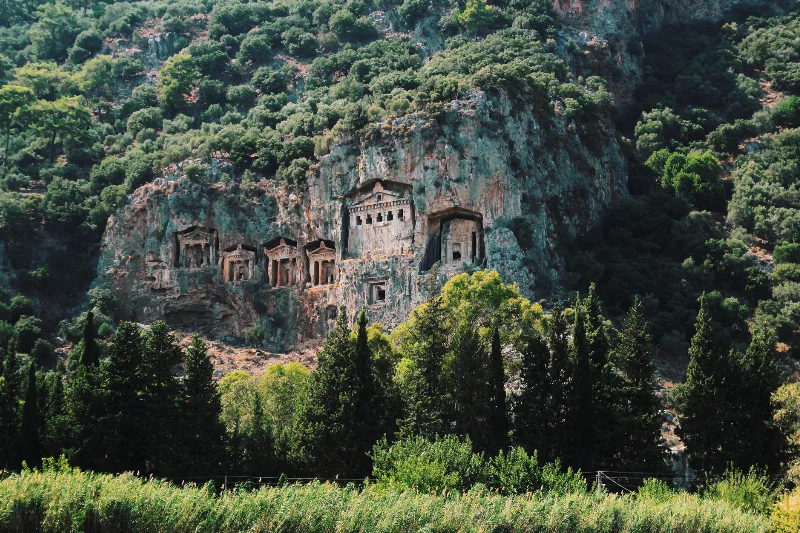
Kaunos
Kaunos is an ancient Carian city on the Dalyan River in Muğla Province, known for its temple-style rock-cut tombs and the extensive ruins of a harbour that silted up centuries ago.
Explore →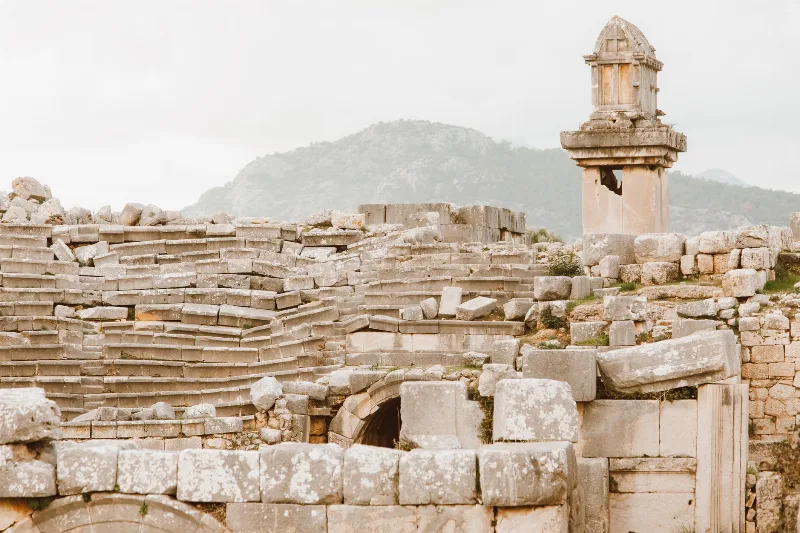
Xanthos
Xanthos is an ancient Lycian city in Antalya Province and a UNESCO World Heritage Site, known for its Lycian tombs, Roman theatre and role as a leading city of Lycia.
Explore →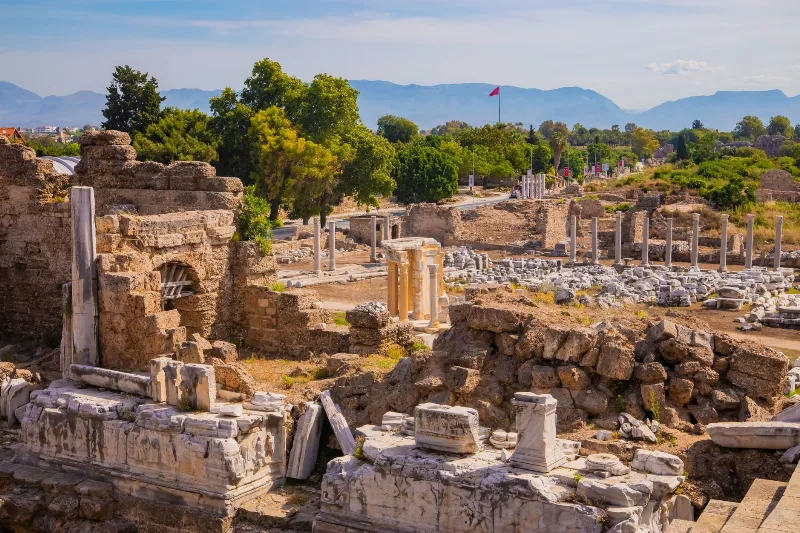
Phaselis
Phaselis is a Rhodian-founded port city on the eastern Lycian coast, where paved streets, agoras, baths and a small theatre stand among pines between three sheltered bays.
Explore →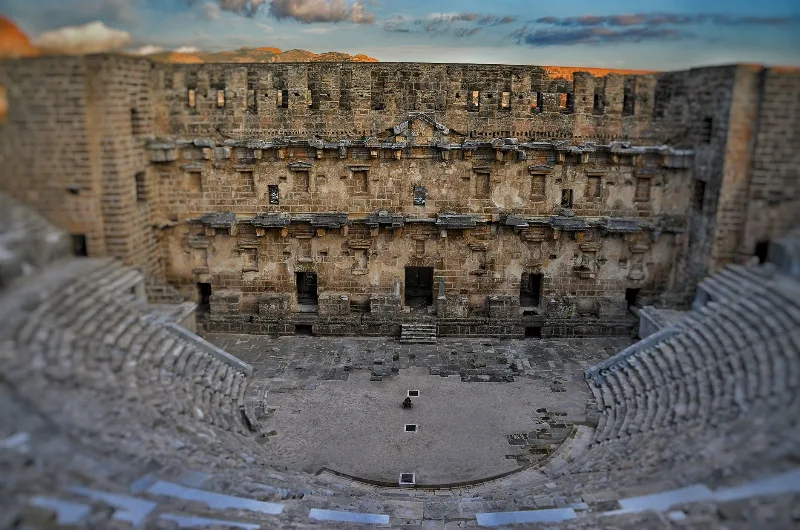
Aspendos
Aspendos is a Pamphylian ancient city near Serik in Antalya Province, dominated by a second-century Roman theatre that survives almost intact. Its aqueduct, acropolis and lower-city ruins sit in the flat farmland of the Köprüçay plain.
Explore →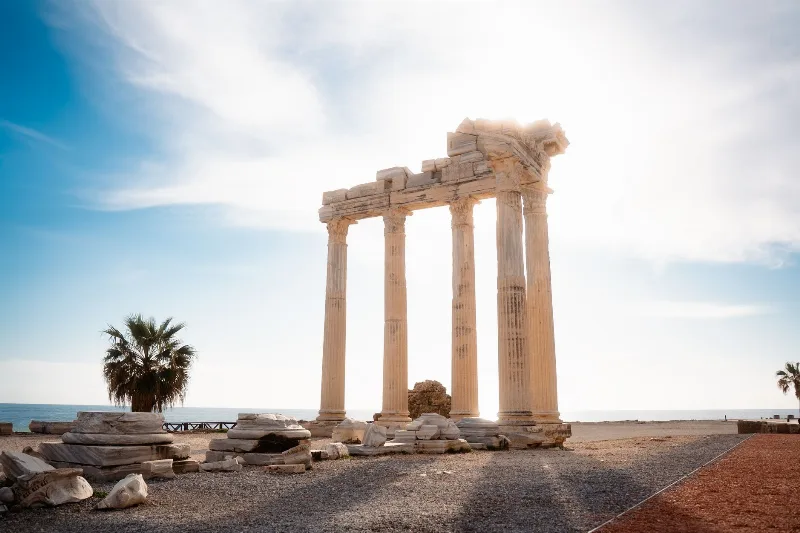
Side
Side is an ancient Greek harbour city on Türkiye's Mediterranean coast, known for the Temple of Apollo, a large Roman theatre and streets of ruins that visitors can still walk through. Its remains sit inside a modern town in the Manavgat district of Antalya Province.
Explore →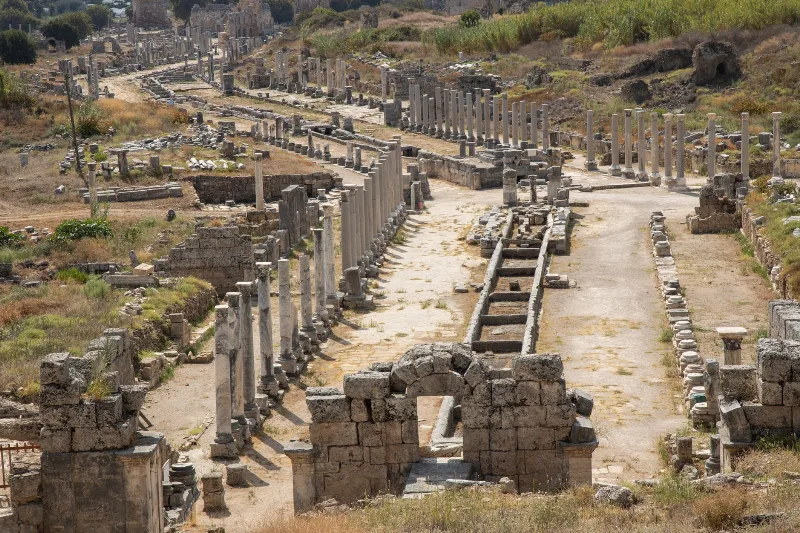
Perge
Perge is an ancient Pamphylian city east of Antalya, whose Hellenistic gates, colonnaded streets, theatre and exceptionally well-preserved stadium make it one of the most legible Roman-era sites in southern Turkey.
Explore →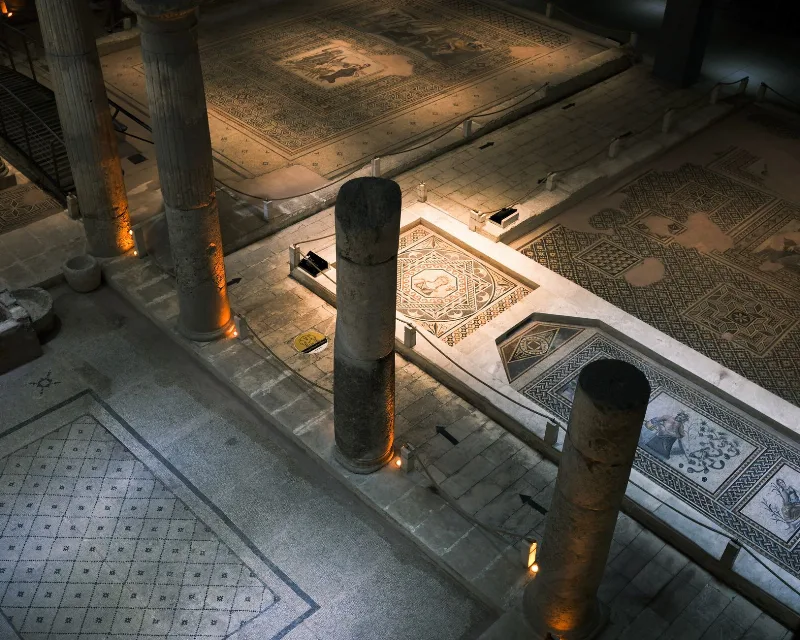
Zeugma
Zeugma was a twin Roman city on the Euphrates in Gaziantep Province, famous for the mosaics recovered from its riverside villas. Here is what the site is, what survives, and what to know before visiting.
Explore →Related content
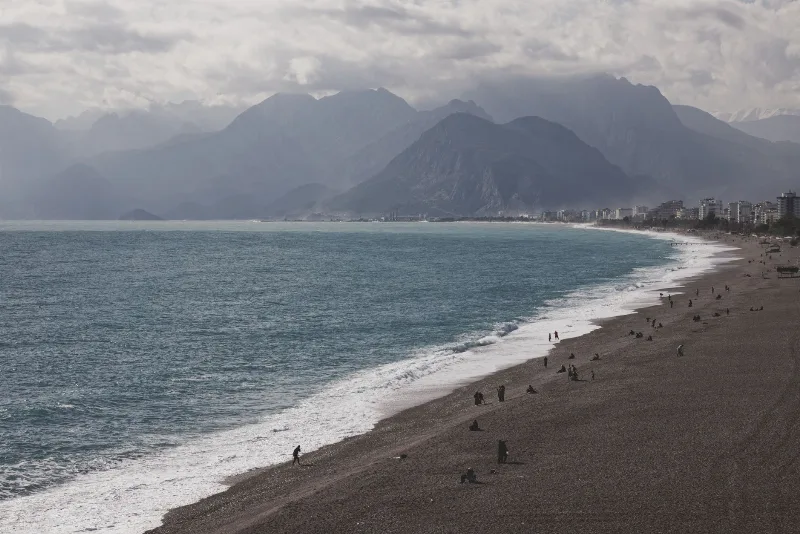
Çıralı
Çıralı is a small protected coastal settlement in Antalya Province, where a loggerhead turtle nesting beach meets the Lycian and Roman ruins of Olympos.
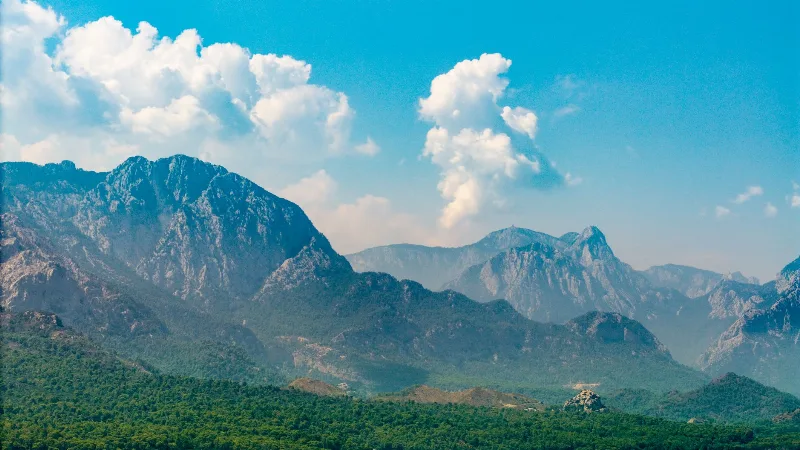
Antalya
Antalya offers a unique blend of vibrant history and stunning natural beauty, making it a must-visit destination in Türkiye.
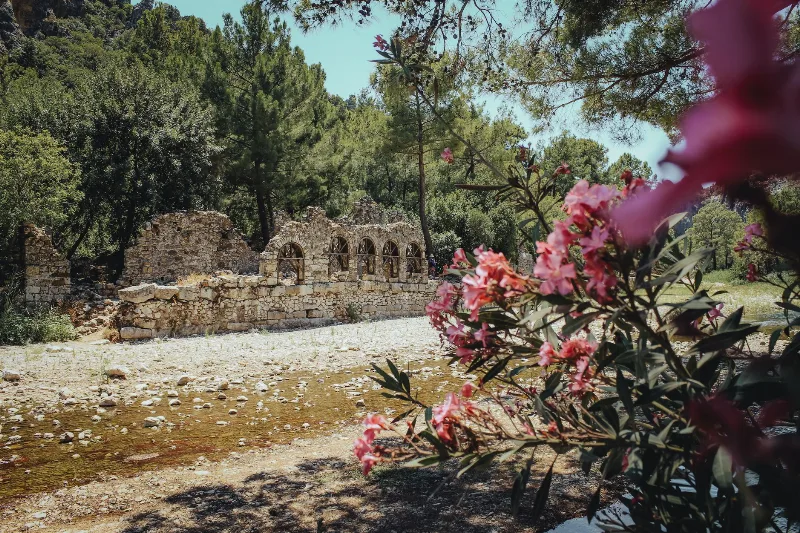
Olympos
Olympos is an ancient Lycian city in Antalya Province, Türkiye, whose ruins stand on both banks of a wooded river valley. Once a member of the Lycian League and later a Roman harbour town, it is best known for its theatre, baths and Lycian sarcophagi, and for the naturally burning Chimaera flames on the mountain above.
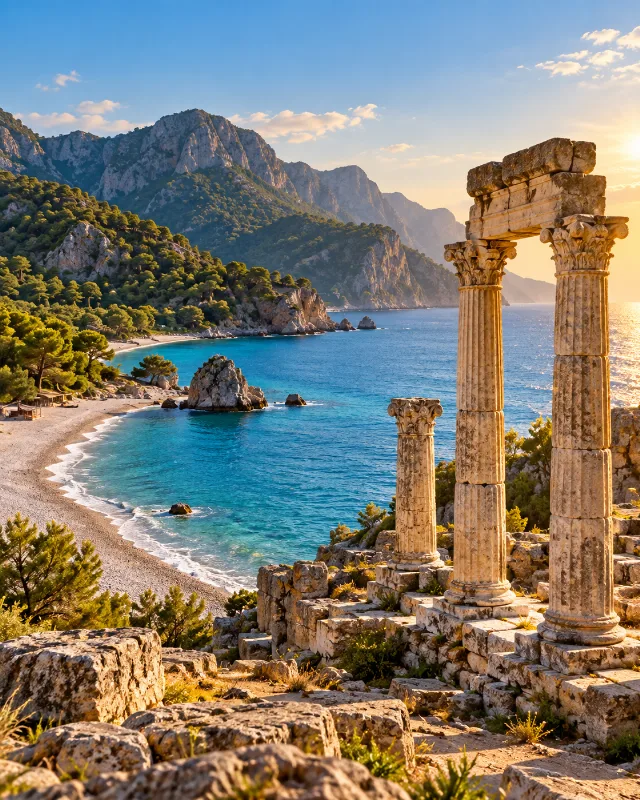
3-Day Antalya Ancient Coast Route
A three-day route combining Antalya’s old city with Perge, Aspendos, Side, Olympos and the Mediterranean landscapes around Çıralı.
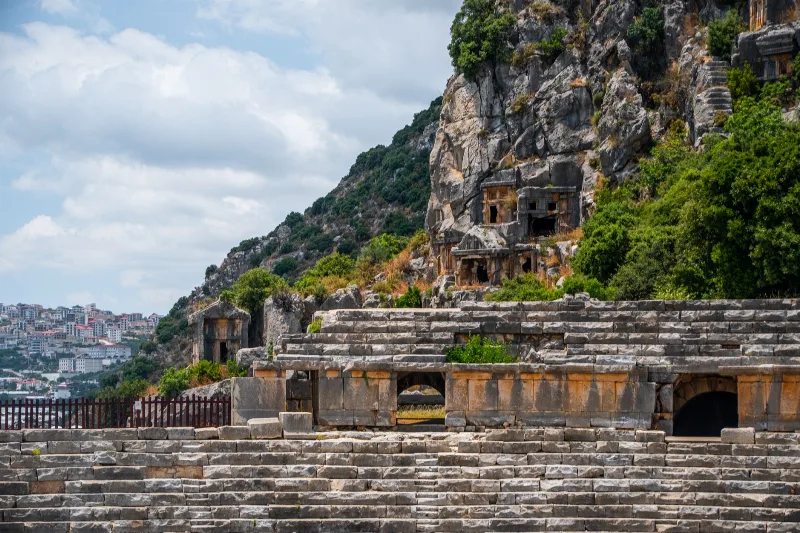
The Ancient City of Olympos and the Yanartaş Flames
On the Mediterranean coast of Antalya, the Lycian ruins of Olympos rest in a wooded river valley, while the Yanartaş flames keep burning on the mountainside above Çıralı.
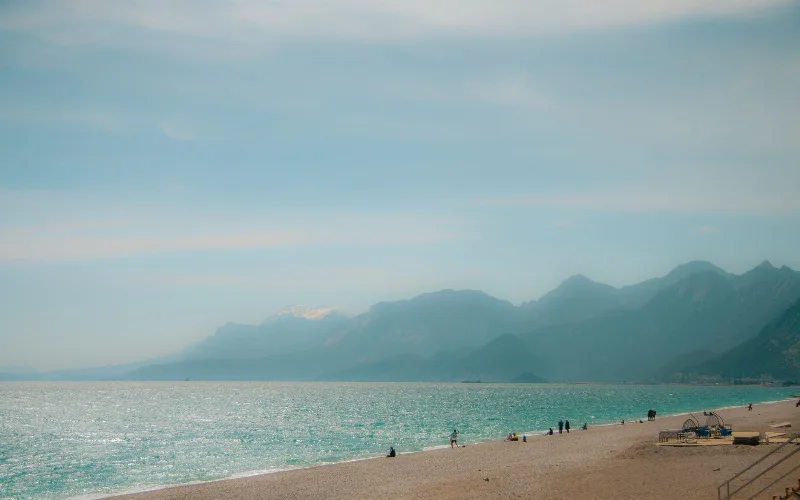
Exploring the Pristine Beaches of Antalya
Antalya's beaches offer a serene Mediterranean escape with their clear waters and golden sands. Discover the unique charm of these coastal treasures.