
Sagalassos
Sagalassos was a major Pisidian city in the Taurus Mountains of Burdur Province, Türkiye. Its Roman theatre, bath complex and monumental fountain house make it one of the more fully understood ancient cities in the region.
Sagalassos is an ancient Pisidian city in the Taurus Mountains of south-western Türkiye, in Burdur Province, close to the modern town of Ağlasun. It is set on terraced slopes of the Akdağ range at an altitude of about 1,450 metres, above the Ağlasun valley. The settlement was a major urban centre in antiquity and is best known for its surviving Roman public buildings, among them a theatre, a large bath complex and a monumental fountain house. Because much of the site has been excavated and partly restored, it offers a clear picture of how a prosperous inland city was laid out and supplied in the Roman imperial period.
Where Sagalassos Is Located
Sagalassos lies in the interior of southern Anatolia, roughly 30 kilometres from the city of Burdur and within the district of Ağlasun. The landscape around it is mountainous: the city was built on the flank of the Akdağ, looking over a valley where the modern town now stands. This position, high above the surrounding plain, was typical of Pisidian settlements, which were founded in defensible spots with access to water and to routes running through the Taurus range. Driving to the site from Burdur or Isparta leads through this mountain terrain, and the final approach climbs to the excavated terraces on foot.
The Pisidian Identity of the City
Before it became a Roman city, Sagalassos belonged to Pisidia, a mountainous region of southern Anatolia inhabited by the Pisidians. The Pisidians spoke their own Anatolian language and maintained a distinct identity, and the region as a whole was known for resisting outside rule. Sagalassos was one of the most important of the Pisidian towns, controlling part of the fertile land and the roads of the surrounding highlands. Much of what is visible today belongs to later periods, but the city's origins and much of its social character lie in this earlier Pisidian context.
Alexander the Great and the Pisidian Resistance
The city enters the written record in connection with Alexander the Great. In 333 BC, on his march through Anatolia, Alexander moved against the Pisidians, and Sagalassos was among the places that opposed him. Ancient accounts describe the Pisidian defenders resisting his army before the city was taken. This episode marks one of the earliest firmly dated events associated with Sagalassos and shows the city as a participant in the broader resistance of the region to Macedonian control.
From Hellenistic Town to Roman City
After Alexander's death, Pisidia lay within the shifting sphere of the Hellenistic kingdoms that divided his conquests. Sagalassos continued as a regional centre through the Hellenistic period, and traces of that era survive in the city's layout and in some of its older structures, including the original form of the theatre. The decisive change came with the expansion of Rome. Once Pisidia was absorbed into the Roman provincial system in the late first century BC, Sagalassos entered a long period of stability and growth that lasted into the third century AD. It was during this time that the city acquired the monumental public buildings for which it is now known.
The Urban Plan and Public Spaces
Roman Sagalassos was organised across several terraces, with streets, open squares and public buildings arranged to suit the sloping ground. Two agoras, an upper and a lower, served as the main civic and commercial spaces, lined with colonnades and fronted by important structures. Around these squares stood buildings that reflect a well-funded municipal life: a council building, a market building, a library, and several temples. The layout shows careful attention to drainage, water supply and the movement of people through a city built on difficult terrain.
The Theatre and Entertainment Buildings
One of the most recognisable monuments is the theatre, cut into the slope so that its seating could rest on the hillside. It originated in the Hellenistic period and was later enlarged and adapted in Roman times, as was common in cities of the eastern Mediterranean. From the seating area there is a wide view over the valley below, and the remains of the stage building can be traced at the foot of the cavea. The theatre stands as evidence of the city's size and of the resources it could devote to public entertainment.
The Antonine Nymphaeum and the Water Supply
Sagalassos is especially known for its monumental fountain house, the Antonine Nymphaeum, which dates from the reign of the emperor Marcus Aurelius in the second century AD. This large, richly decorated structure formed the focal point of the upper city and displayed the wealth and technical skill of the community. Its reconstruction is among the most ambitious projects carried out at the site, and water has been brought back to flow through it again. The fountain belongs to a wider system of aqueducts, cisterns and channels that supplied a high-altitude city where water had to be managed carefully.
Temples, Baths and Statuary
The city contained several temples, including one dedicated to Zeus, together with a substantial Roman bath complex. The baths were more than places for washing; they functioned as social and recreational centres, and their floors and halls were decorated with mosaics and marble. Excavation has also produced remarkable sculpture. Colossal statues of the emperors Hadrian and Marcus Aurelius, among the largest of their kind from the Roman world, were recovered at Sagalassos and have become some of the site's most discussed finds. Together with smaller statues and reliefs, they show how the city expressed its loyalty to Rome and its own civic pride through imperial imagery.
Christian Sagalassos and the Decline of the City
In late antiquity Sagalassos became a Christian city. It was a bishopric, and churches were built within its walls, sometimes using earlier structures and materials. This period also brought serious difficulties. Earthquakes in the sixth century caused heavy damage in the region, and the city was affected by plague and by the wider insecurity of the era. Through the seventh century the settlement was gradually abandoned, and its buildings were left to collapse on the mountain slope. The ruins remained largely untouched until modern excavation began.
Excavation and What Can Be Seen Today
Systematic excavation at Sagalassos began in 1989 and has continued under a long-running research project run by a Belgian university team. Work has concentrated on clearing and documenting the main public areas and on conserving and, in some cases, re-erecting structures. Visitors today can walk along the ancient streets and colonnaded squares, see the theatre, the bath complex and the temples, and view the restored fountain house. Because the site is large and spread over steep ground, exploring it involves walking uphill between the different terraces.
Visiting the Site
Sagalassos is reached from the town of Ağlasun, from which the road climbs towards the site; the last part is covered on foot. The terrain is uneven and exposed, with stone paving, steps and slopes, so sturdy footwear is useful. The altitude and the open mountainside mean that weather can change quickly, and the site is best visited in the milder months of spring and autumn, when walking is more comfortable. Summer visits are possible but involve heat and strong sun, and winter conditions can be harsh at this elevation. There are no large modern facilities on the ancient terraces, so visitors should plan accordingly.
Related Places in the Region
Sagalassos sits within a wider landscape of Pisidian and Roman sites. The nearby town of Ağlasun serves as the practical base for reaching it, while the city of Burdur and the region around Isparta provide further context for the history of the area. The ancient site is also included on Türkiye's Tentative List for UNESCO World Heritage, reflecting its archaeological importance. Other historic and natural attractions of the Taurus highlands lie within reach, making the city part of a broader route through the mountains of south-western Anatolia.
Routes
All routes →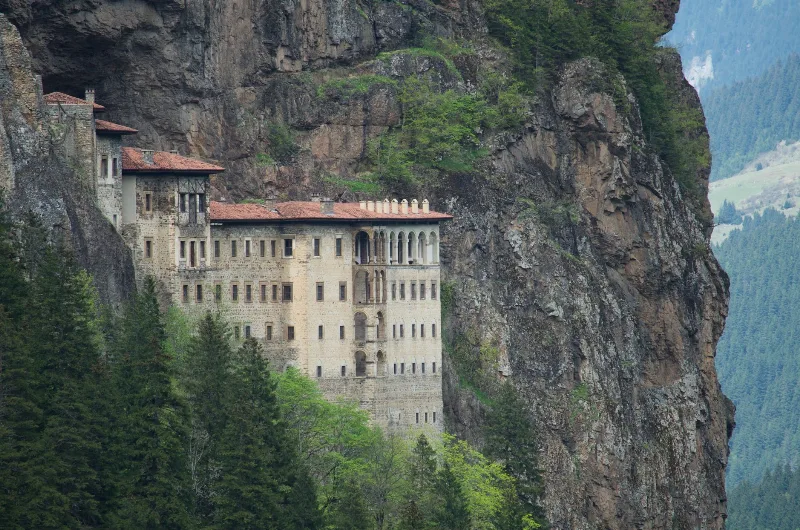
7-Day Eastern Black Sea Highlands Route: Trabzon to Artvin
A seven-day driving route through the Eastern Black Sea highlands, from Trabzon and Sumela to Uzungöl, Ayder, the Kaçkar Mountains and the forests of Şavşat, ending at Artvin.
Explore →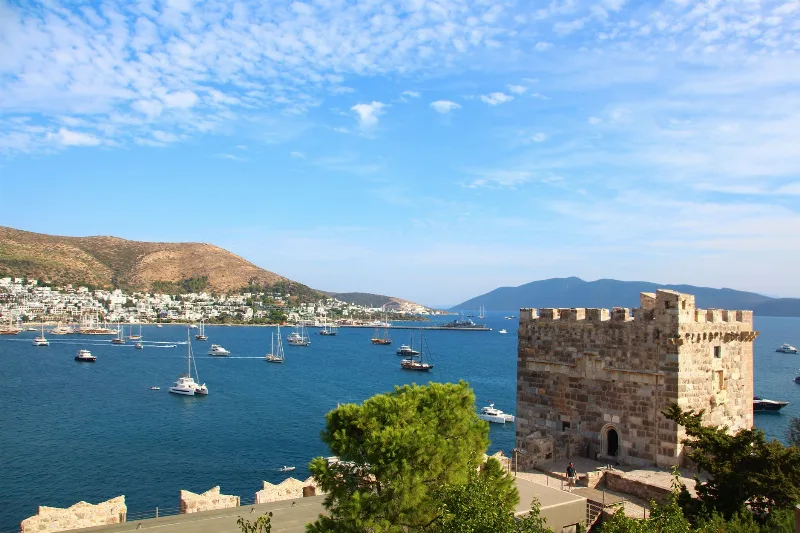
5-Day Bodrum Peninsula Route
A five-day circular drive around the Bodrum Peninsula that links the historic core of Bodrum with the southern shore village of Gümüşlük, the western town of Turgutreis and the northern villages of Yalıkavak, Göltürkbükü and Torba.
Explore →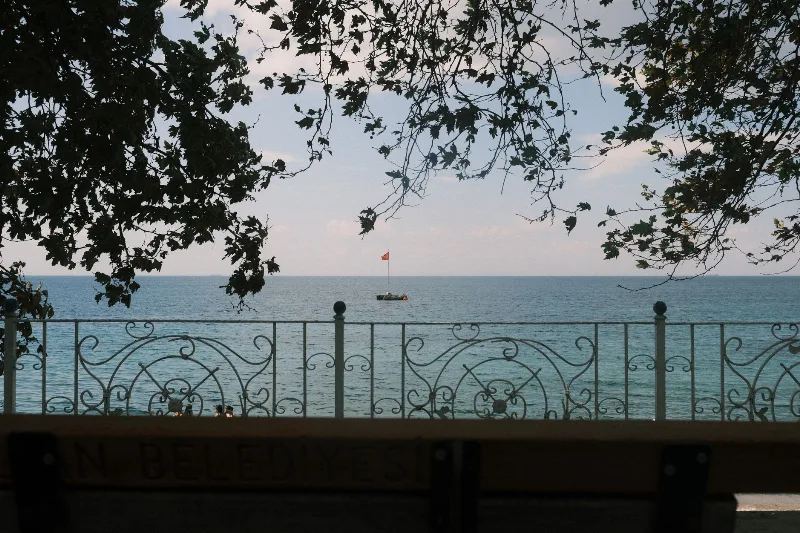
4-Day Marmara Sea Route
A four-day loop around the Sea of Marmara that starts in Istanbul, crosses to Yalova, travels inland to Bursa and finishes among the ruins of Troy and the memorials of the Gallipoli peninsula. The itinerary is built around short, logical daily drives rather than long transfers.
Explore →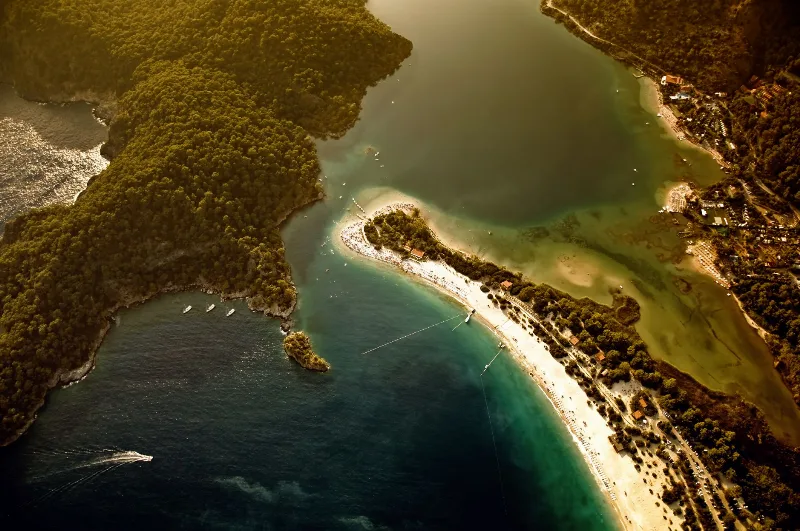
4-Day Lycian Coast Route
A four-day route along Turkey's Lycian coast, driving from Fethiye and Ölüdeniz through Kalkan, Kaş, Kekova, Demre and Olympos to finish in Antalya.
Explore →Related content
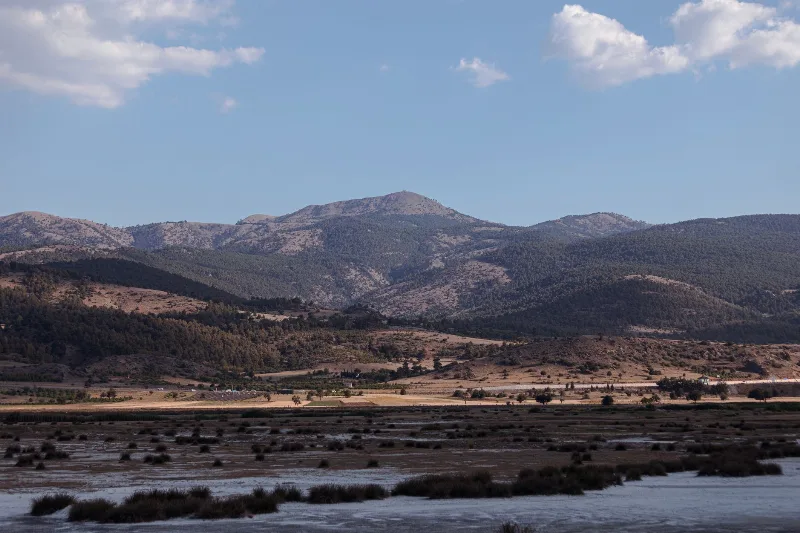
Burdur
Burdur is a provincial capital in southwestern Türkiye, set in the inland Lakes District beside a large saline lake and known for the Roman ruins of Sagalassos and one of Anatolia's oldest Neolithic settlements.
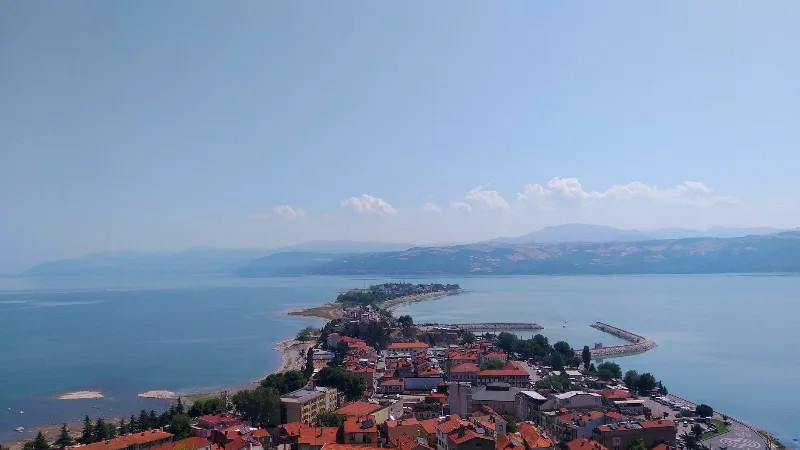
Isparta
Isparta is a city in southwestern Türkiye, renowned for its rose oil production and apple orchards. It serves as a hub for the Lakes Region, with Lake Eğirdir and several natural parks nearby.
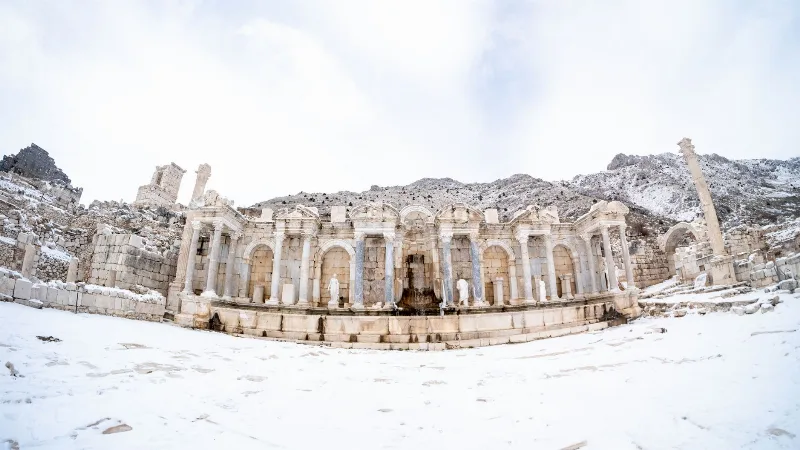
Sagalassos
Sagalassos is a ruined Pisidian city in Burdur Province, Türkiye, set high in the Taurus Mountains and best known for its monumental fountain, library and remarkably intact Roman civic buildings.
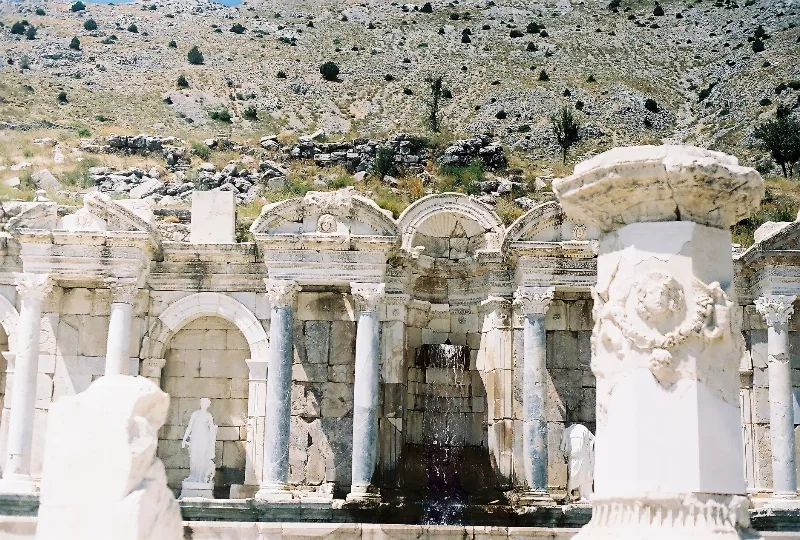
The Ancient City of Sagalassos in the Taurus Mountains
High in the Taurus Mountains above Ağlasun, the ancient city of Sagalassos preserves the streets, fountains and public buildings of a prosperous Pisidian and Roman settlement.
Sagalassos Ancient City and Mountain Views in Burdur
Sagalassos is a hilltop ancient city in Burdur where Roman streets, theatres and fountains look out across the Taurus Mountains. Its ruins reveal a wealthy Pisidian settlement that traded pottery around the eastern Mediterranean.
Lake Burdur
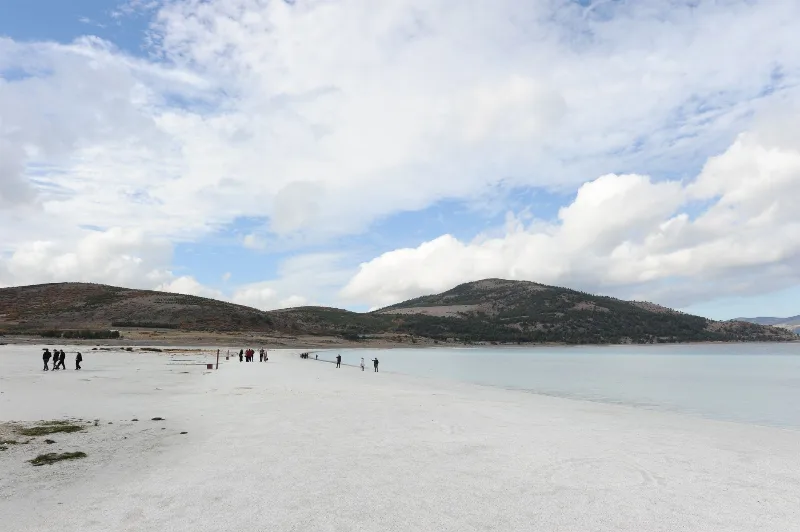
Lake Burdur is a large tectonic soda lake in Burdur Province, south-western Türkiye, with strongly alkaline water, a broad shifting shoreline and international importance for wintering waterbirds. Its closed basin, mineral chemistry and retreating waterline make it one of the most distinctive inland landscapes of the Turkish Lakes Region.