
Sagalassos Ancient City and Mountain Views in Burdur
Sagalassos is a hilltop ancient city in Burdur where Roman streets, theatres and fountains look out across the Taurus Mountains. Its ruins reveal a wealthy Pisidian settlement that traded pottery around the eastern Mediterranean.
High on a rocky ridge above the village of Ağlasun in Burdur province, the ruins of Sagalassos look out over one of the broadest panoramas in the Turkish Lake District. The ancient city sits at roughly 1,500 metres on the western slopes of the Taurus Mountains, and its terraced streets, colonnaded squares and crumbling fountains are arranged so that almost every view opens onto a wall of distant peaks. Sagalassos is a place where archaeology and mountain scenery sit together, and where the layout of a Roman city can still be read in the landscape.
Where Sagalassos Stands
Sagalassos belonged to Pisidia, a mountainous region that the classical geographers treated as remote and difficult to reach. The city was built on a series of natural terraces cut into the hillside, which gave it both a commanding defensive position and a reliable supply of spring water from the slopes above. Below the ruins, the land falls away into olive groves, orchards and the plains around Ağlasun, while beyond them the Taurus range rises in layers of grey limestone. The approach road climbs through pine and juniper, and the change in air and vegetation is noticeable long before the first columns appear.
Streets and Monuments of the Ancient City
The most striking structure is the Antonine Fountain, a monumental nymphaeum on the upper terrace that once spilled water down a stepped façade into a broad pool. Nearby, a colonnaded street links the domestic quarters with the civic heart of the city, where the council house, the market square and the remains of several temples are grouped together. A theatre of moderate size is set into the slope, its seating arranged to face the valley rather than a built backdrop.
Further up the hill stand the Roman baths, notable for the sculptural groups recovered from them, and the foundations of a library donated by a local benefactor. Excavations have also uncovered houses with mosaic floors, workshops and kilns, evidence of a city that manufactured as well as administered. Much of the stonework visible today is Roman, but the site was already an established Pisidian settlement before the Hellenistic period.
The Reputation of Sagalassos Ware
Sagalassos was known in antiquity for its pottery. Its workshops produced a fine red-slipped tableware that has been found on sites across the eastern Mediterranean, from Cyprus to Egypt, which suggests the city exported widely through the ports of Pamphylia. The clay, the fuel from surrounding forests and the springs all contributed to this trade, and the finished vessels offer a practical link between an inland mountain town and the shipping routes of the Roman world.
A Mountain Setting and a Slow Decline
The city's fortunes faded in late antiquity. Earthquakes, water shortages and the disruption of regional trade gradually emptied the streets, and by the seventh century the site had lost its urban character. What remained was quarried by later villagers and visited only by occasional travellers until systematic excavation began in the late twentieth century.
Today the wider setting is as much a part of the visit as the monuments. The Taurus Mountains define the horizon in almost every direction, and the clear highland air makes distant ridges easy to pick out. Birds of prey circle above the theatre, wildflowers appear among the stones in spring, and the silence of the upper terraces is broken mainly by wind. The surrounding district of Burdur adds its own character, with quiet villages, lakes and a long tradition of agriculture that continues the patterns of the valleys below the ruins.
Related content
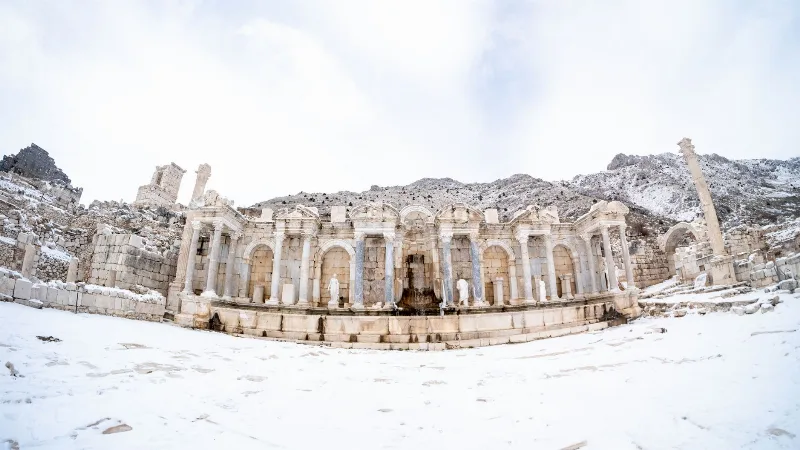
Sagalassos
Sagalassos was a major Pisidian city in the Taurus Mountains of Burdur Province, Türkiye. Its Roman theatre, bath complex and monumental fountain house make it one of the more fully understood ancient cities in the region.
Sagalassos
Sagalassos is a ruined Pisidian city in Burdur Province, Türkiye, set high in the Taurus Mountains and best known for its monumental fountain, library and remarkably intact Roman civic buildings.
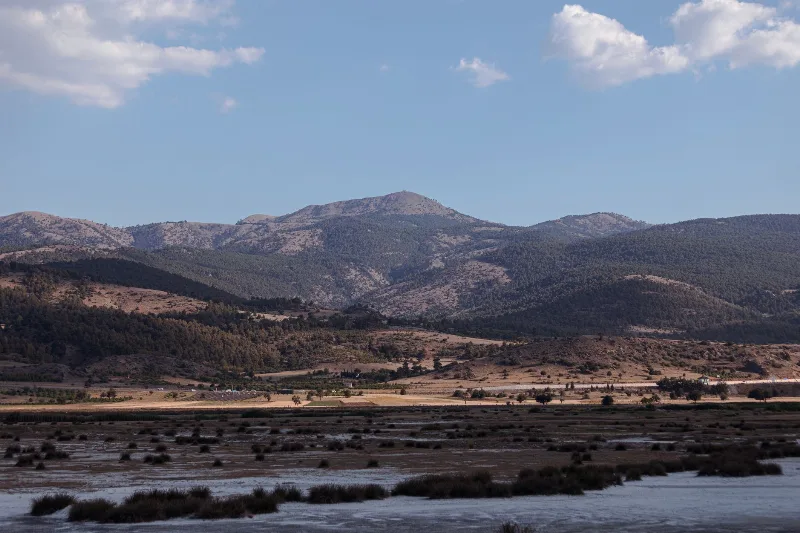
Burdur
Burdur is a provincial capital in southwestern Türkiye, set in the inland Lakes District beside a large saline lake and known for the Roman ruins of Sagalassos and one of Anatolia's oldest Neolithic settlements.
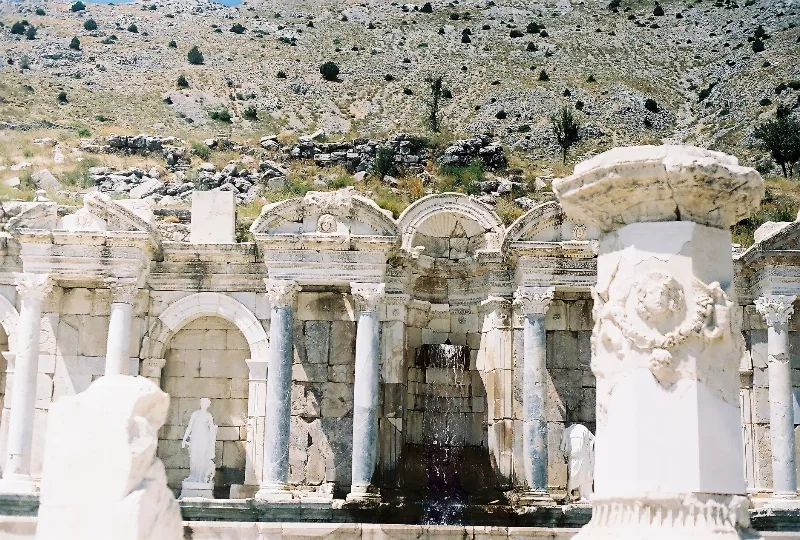
The Ancient City of Sagalassos in the Taurus Mountains
High in the Taurus Mountains above Ağlasun, the ancient city of Sagalassos preserves the streets, fountains and public buildings of a prosperous Pisidian and Roman settlement.
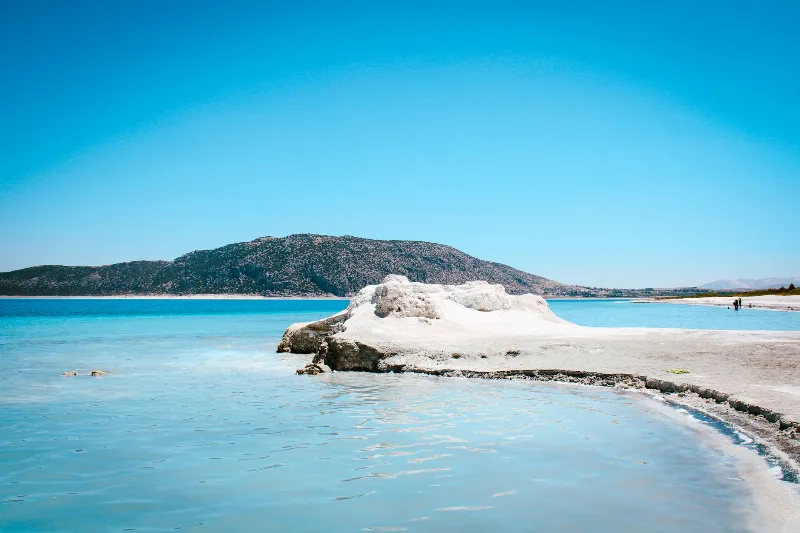
Lake Salda
Lake Salda is a striking lake in Burdur Province, southwestern Türkiye, known for its turquoise water, bright white hydromagnesite beaches and rare microbial stromatolites that draw both nature visitors and planetary scientists.
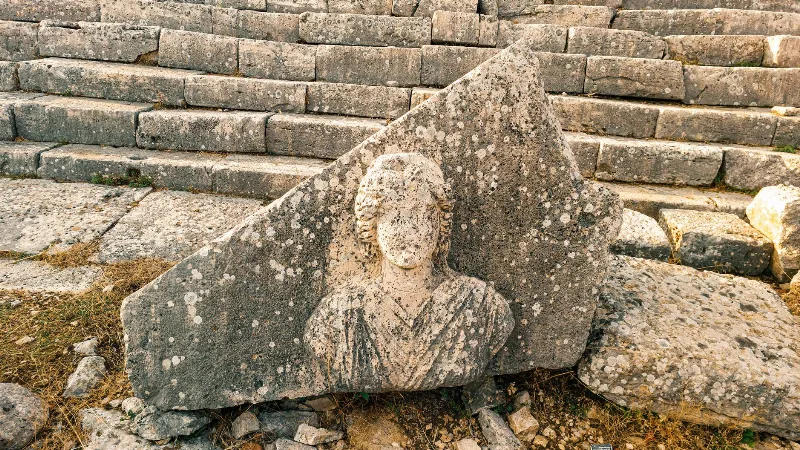
Kibyra
Kibyra is an ancient city on a plateau above Gölhisar in Burdur Province, once the leading city of the Kibyratis. Its theatre, odeon with a Medusa mosaic, and stadium survive in unusual detail.
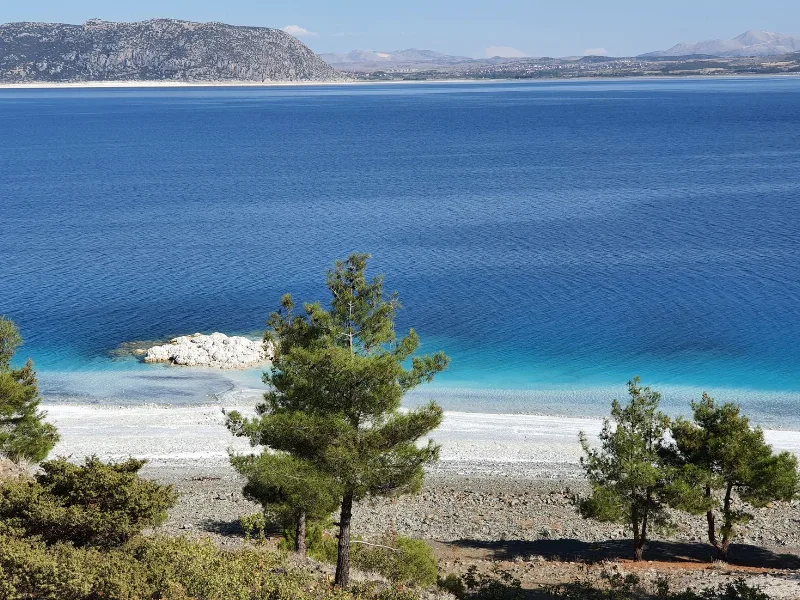
Bird Migration at Lake Burdur, Burdur
Lake Burdur’s alkaline waters draw migratory waterbirds in spring and autumn, when flamingos and white-headed ducks are among the species associated with the lake. Timing shifts with weather, so the season is best understood as a moving window rather than a fixed date.
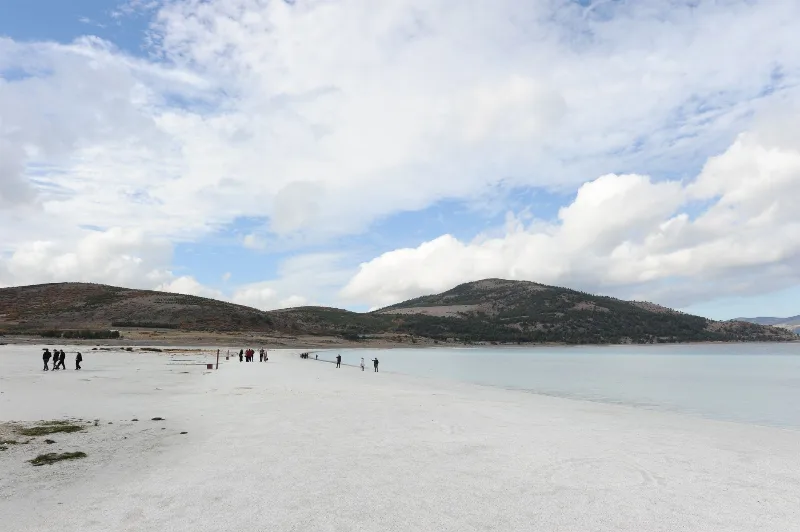
Lake Burdur
Lake Burdur is a large tectonic soda lake in Burdur Province, south-western Türkiye, with strongly alkaline water, a broad shifting shoreline and international importance for wintering waterbirds. Its closed basin, mineral chemistry and retreating waterline make it one of the most distinctive inland landscapes of the Turkish Lakes Region.