Taraklı
Taraklı’s timber-and-plaster houses cluster around narrow streets and an old market quarter, preserving the proportions of a small Ottoman-era town.
Taraklı’s timber-and-plaster houses cluster around narrow streets and an old market quarter, preserving the proportions of a small Ottoman-era town.
A compact heritage town
Taraklı is a small town in Sakarya province, surrounded by inland hills and agricultural landscapes. It is known for its surviving Ottoman-period houses and traditional street pattern. The old centre is compact, but its changes in slope give each street a different view. Historic buildings are woven into an inhabited town rather than separated into a museum district, making the relationship between heritage and daily life especially visible.
Traditional house forms
Many traditional houses use timber framing with plastered infill and rooflines that project over the street. Upper floors may extend beyond ground-floor walls, creating varied silhouettes and shaded edges. Windows, entrance doors and courtyard walls add character to the residential lanes. Restored buildings and those showing the marks of age can be seen together, offering a useful sense of how the town’s built fabric has evolved.
The market and civic setting
Taraklı’s bazaar area has long functioned as a meeting point for commerce and town life. Its older street network brings domestic architecture close to shops, religious buildings and open public spaces. The Yunus Paşa Mosque is an important historical landmark associated with the early Ottoman period. Considering the mosque alongside nearby houses and lanes helps visitors understand a townscape created through different uses rather than a row of isolated attractions. The appeal of the older lanes often comes from small differences between adjacent houses. One upper storey may lean over the path, while another building sits behind a garden wall. Such variations reflect adaptation to individual plots, making a walk through the town a way to understand its historic growth.
Landscape and local character
The wooded hills and valleys of the surrounding region shape Taraklı’s setting. Compared with the coastal parts of Sakarya, its climate and landscape are more strongly associated with inland Anatolia. Seasonal colours change the appearance of the trees, roofs and fields, and mist can soften the views over the hills. The town’s appeal lies in this mixture of traditional architecture and a close relationship with the landscape.
Walking and access
Taraklı can be reached by road from other towns in Sakarya and the wider Marmara region. The historic centre is suited to a slow walk, allowing time to view buildings from several angles and notice details around doorways and windows. Spring and autumn offer particularly pleasant conditions for exploring on foot. Visitors planning a heritage-focused trip may also consider nearby inland towns whose historical centres follow their own distinct architectural traditions.
From the land
Find All →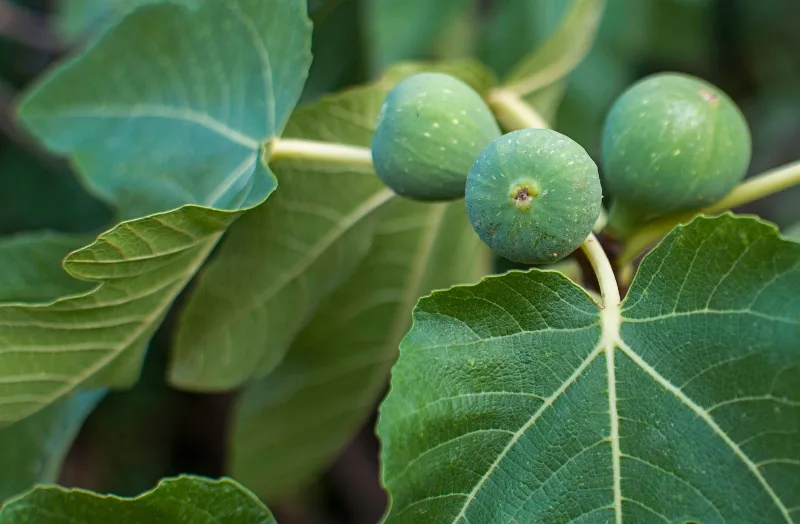
Aydın Figs
Aydın figs are the dried figs of Türkiye's Aegean interior, grown in the valleys around the Büyük Menderes River and prized for their sweetness, soft texture and pale amber colour.
Explore →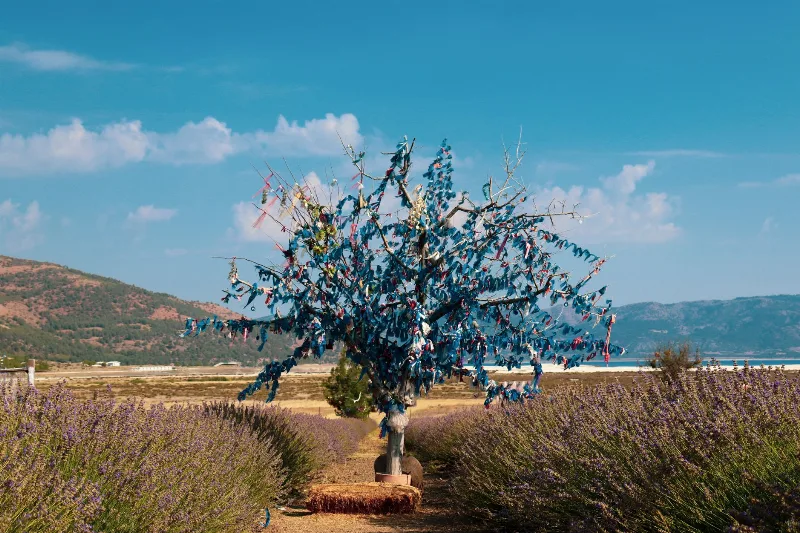
Kuyucak Lavender
Kuyucak lavender is grown around a village in the Keçiborlu district of Isparta province, southwestern Türkiye, where dry slopes and stony soil shape a crop grown mainly for essential oil.
Explore →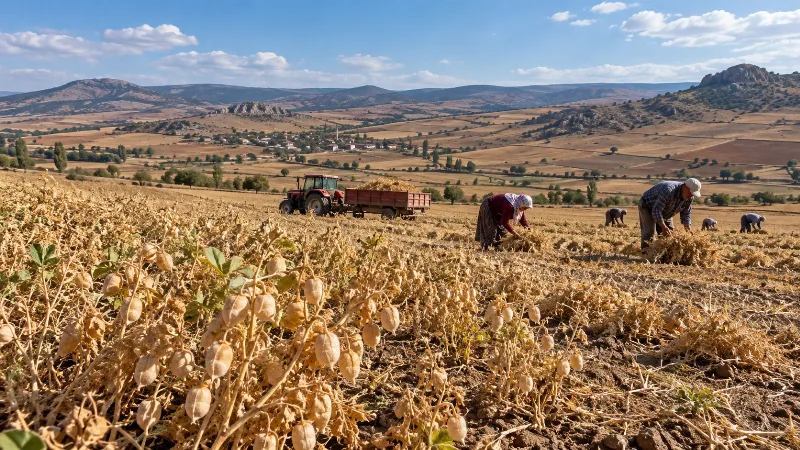
Çorum Chickpeas
Çorum chickpeas are the chickpeas grown across the dry inland plateaus of Çorum province in northern Türkiye, where a transitional continental climate suits the crop and where the same local harvest feeds the region's well-known leblebi tradition.
Explore →Related content
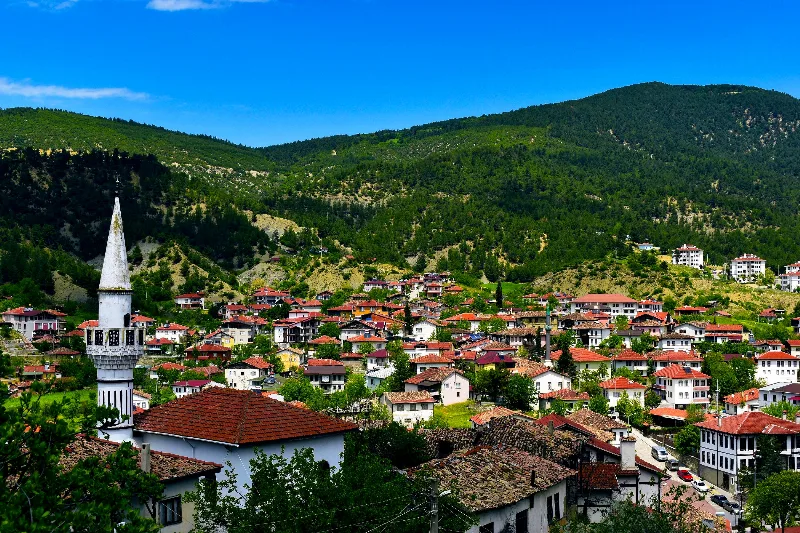
Sakarya
Sakarya is a province in northwestern Türkiye with its metropolitan centre at Adapazarı. Known for fertile plains, lakes and routes connecting Istanbul with inner Anatolia, it stretches from the Marmara hinterland to the Black Sea shore. Forests, streams and coastal towns provide a natural contrast to the built-up centre and agricultural lowlands.
Acarlar Longoz Forest Birdwatching and Water Lilies in Sakarya
Acarlar Longoz is one of Turkey's largest flooded forests, a quiet wetland near the Black Sea coast where alder and ash trees stand in the water and white water lilies open across the channels.
Sapanca Lake Promenade and Village Life in Sakarya
Lake Sapanca lies in a tectonic basin between Sakarya and Kocaeli, ringed by a shoreline promenade and villages whose orchards, springs and wooden houses shape everyday life around the water.
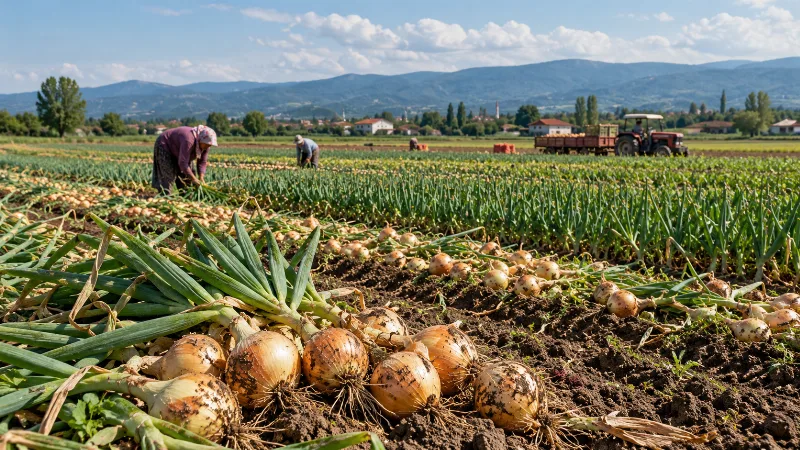
Adapazarı Onions
Adapazarı onions are a locally distinctive onion type grown on the fertile plain around Adapazarı in Sakarya province, where deep alluvial soils and a mild, transitional climate produce bulbs noted for their mild sweetness and their ability to keep well after harvest.
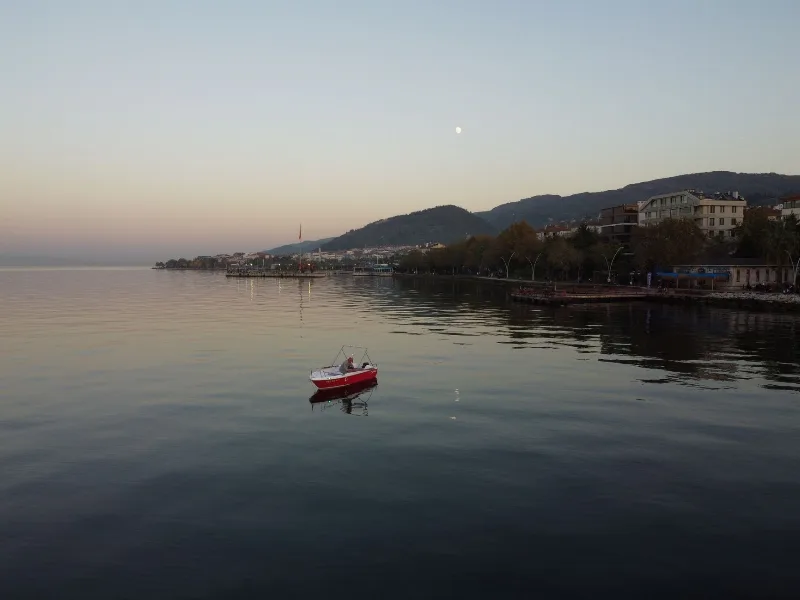
Lake Sapanca
Lake Sapanca is a long, narrow freshwater lake in the Sakarya–Kocaeli border zone of north-western Türkiye, formed in a tectonic basin close to the North Anatolian Fault and bordered by forested hills, orchards and reed-lined stream mouths.
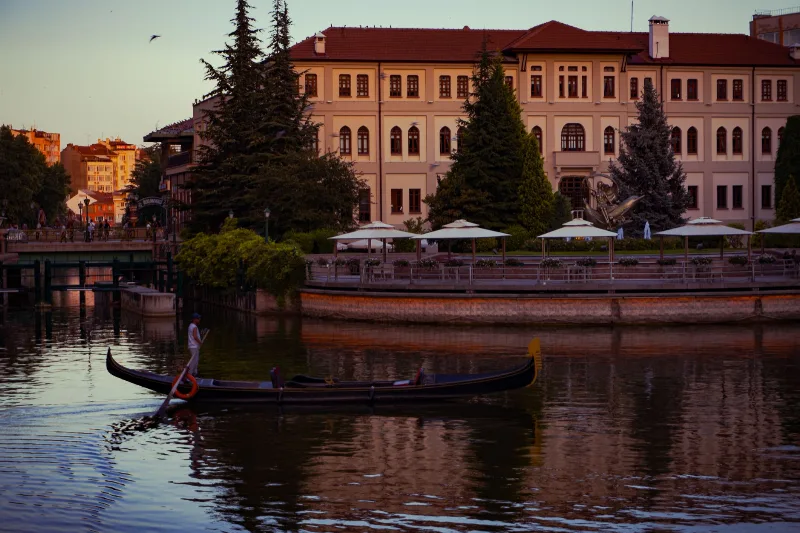
Eskişehir
Eskişehir is a university city on the Porsuk River in northwestern Central Anatolia, where a restored Ottoman-era quarter and a modern, pedestrian-friendly centre sit side by side.