Sakarya
Sakarya is a province in northwestern Türkiye with its metropolitan centre at Adapazarı. Known for fertile plains, lakes and routes connecting Istanbul with inner Anatolia, it stretches from the Marmara hinterland to the Black Sea shore. Forests, streams and coastal towns provide a natural contrast to the built-up centre and agricultural lowlands.
Sakarya is a province in northwestern Türkiye with its metropolitan centre at Adapazarı. Known for fertile plains, lakes and routes connecting Istanbul with inner Anatolia, it stretches from the Marmara hinterland to the Black Sea shore. Forests, streams and coastal towns provide a natural contrast to the built-up centre and agricultural lowlands.
Geography and Landscape
The Sakarya River gives the province its name and helps shape its lowland geography. Lake Sapanca occupies a basin near the southern edge of the metropolitan corridor, while forests cover sections of the nearby hills. Northern districts reach the Black Sea at Karasu and Kocaali. Wetlands, agricultural plains and wooded slopes create several distinct landscapes within the same provincial boundary.
The metropolitan centre and popular district destinations such as Sapanca and Taraklı have different identities. A clear provincial guide distinguishes the administrative capital from the lakeside communities, traditional towns and northern coast.
History and Heritage
Sakarya's historical development reflects settlement along major transport corridors and the wider history of northwestern Anatolia. The province includes traditional towns with Ottoman-era architecture, especially around Taraklı. Adapazarı expanded as a modern commercial and industrial centre. The area's historical experience also includes major earthquakes, which have influenced urban planning and reconstruction in the region.
For a fuller understanding of Sakarya, it helps to separate the provincial capital from the wider administrative area. The main urban centre contains everyday commercial and civic life, while individual districts preserve their own landmarks, settlement patterns and rural traditions. The location of a site within the province matters: a landscape, archaeological monument or coastal settlement may require travel well beyond the capital. Reading a provincial map alongside local district names makes the variety of the area clearer.
Places to Visit
Sapanca and the shoreline of Lake Sapanca are widely known for lakeside scenery. Taraklı retains traditional houses and historic streets in a more rural setting. Acarlar Floodplain Forest is an important wetland landscape in northern Sakarya, while the Black Sea coastline around Karasu provides a different coastal environment. The provincial capital itself offers urban parks, markets and local museums.
Local Culture and Cuisine
Food and agricultural traditions are closely connected to the fertile Sakarya Plain. The province's cultural life also reflects communities with varied backgrounds who settled in northwestern Türkiye. Taraklı's older urban fabric contrasts with the modern metropolitan centre. Markets, village produce and regional dishes reveal the mixture of inland Marmara and Black Sea influences throughout the province.
Climate and Seasons
Sakarya generally has humid conditions, with warm summers and cool, wet winters. The northern coastline is exposed to Black Sea weather, while inland areas near Sapanca have their own local conditions. Forests and wetlands change visibly through spring and autumn. Winter rainfall and occasional snow can affect higher routes, though the lowland urban districts often experience milder conditions than mountain areas.
Getting There and Around
Adapazarı is connected by highway and rail corridors to Istanbul, Kocaeli and Ankara. Sapanca is accessible by road and regional transport from the metropolitan area, but Taraklı and northern coastal districts require longer journeys. The province's attractions are spread in several directions, so a lakeside visit and a Black Sea excursion should not be treated as one short urban outing.
Discover Food in Türkiye
All food →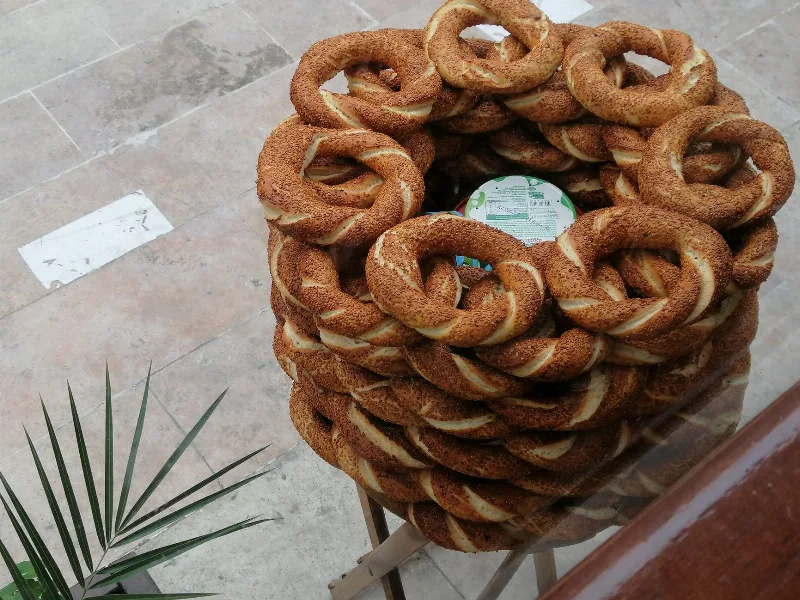
Simit
Simit is a ring-shaped Turkish bread covered in sesame seeds, strongly associated with Istanbul and sold as everyday street food. It is eaten fresh, most often with tea, and has a crisp crust around a chewy crumb.
Explore →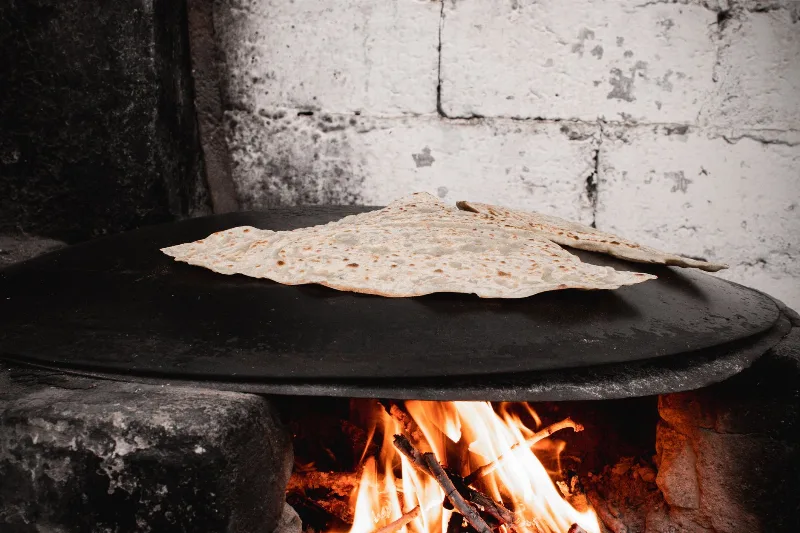
Bazlama
Bazlama is a soft, thick Turkish flatbread made from a leavened dough and cooked on a hot griddle. It is a staple of village baking across Anatolia, eaten warm with butter or used to wrap other foods.
Explore →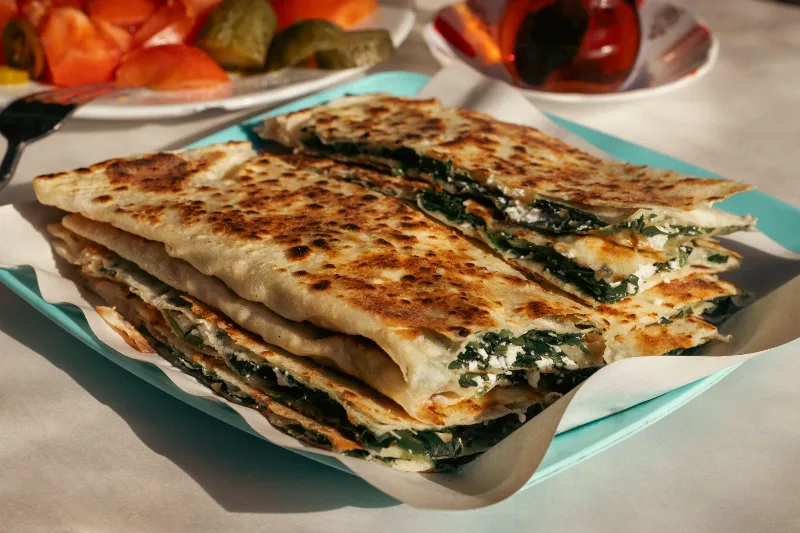
Gözleme
Gözleme is a thin, hand-rolled Anatolian flatbread folded around savory fillings such as cheese, spinach, or minced meat and cooked on a sac griddle. The article covers its regional variations, cooking method, texture, and traditional serving style.
Explore →Related content
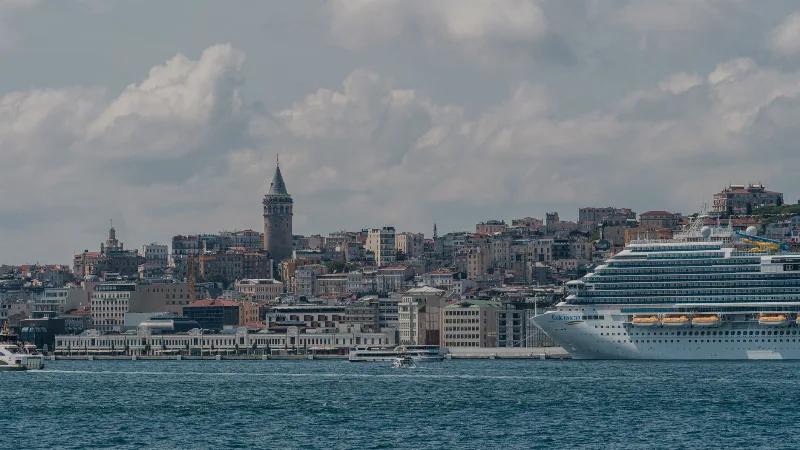
Istanbul
Istanbul is Türkiye's largest city and the country's only metropolis that spans two continents, divided by the Bosphorus strait into a European and an Asian half. Its long run as an imperial capital left a historic core of palaces, mosques and bazaars that still shapes the city's identity.
Lake Sapanca
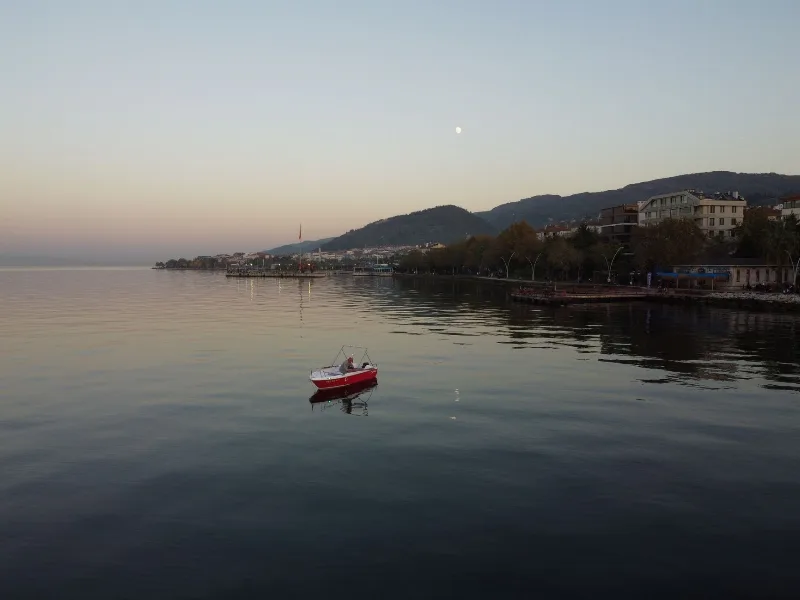
Lake Sapanca is a long, narrow freshwater lake in the Sakarya–Kocaeli border zone of north-western Türkiye, formed in a tectonic basin close to the North Anatolian Fault and bordered by forested hills, orchards and reed-lined stream mouths.
Kocaeli
Kocaeli is a heavily urbanised province in northwestern Türkiye, situated east of Istanbul between the Sea of Marmara and the Black Sea. Its administrative centre is İzmit, an industrial and transport hub on the Gulf of İzmit. Beyond the urban corridor, the province includes forested hills, coastal settlements and areas used for outdoor recreation.
Sapanca Lake Promenade and Village Life in Sakarya
Lake Sapanca lies in a tectonic basin between Sakarya and Kocaeli, ringed by a shoreline promenade and villages whose orchards, springs and wooden houses shape everyday life around the water.
Ballıkayalar Canyon Rock Formations in Kocaeli
Tucked into the hills above Gebze, Ballıkayalar Canyon is a short, dramatic limestone gorge where shaded footpaths, sheer rock walls and quiet woodland meet. It is one of Kocaeli's most rewarding small-scale natural escapes.
Marmara Region
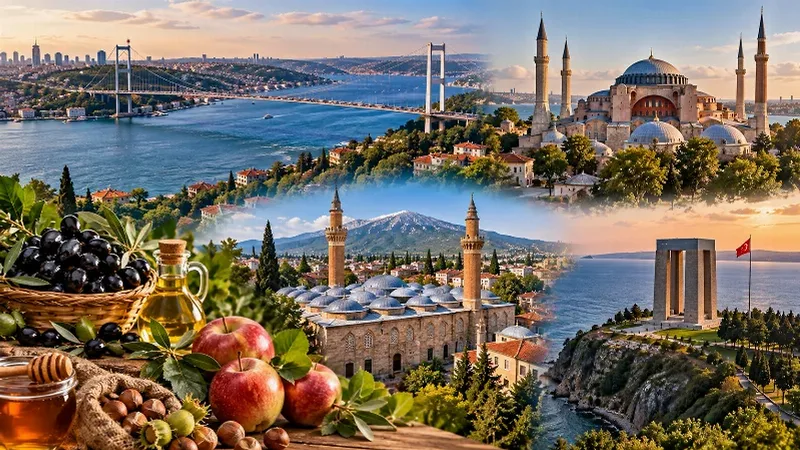
The Marmara Region connects Europe and Asia, bringing together historic cities, beautiful coastlines, green landscapes and a rich cultural heritage. From Istanbul's iconic skyline to the peaceful shores of the Marmara Sea, the region offers a remarkable variety of places to discover.