Acarlar Longoz: Sakarya's Flooded Forest of Birdlife and Water Lilies
Acarlar Longoz is one of Turkey's largest flooded forests, a quiet wetland near the Black Sea coast where alder and ash trees stand in the water and white water lilies open across the channels.
Acarlar Longoz lies in the north of Sakarya province, close to where the coastal plain meets the Black Sea, and it belongs to a rare category of landscape found in only a handful of places in Turkey. A longoz is an alluvial floodplain forest: woodland that grows on flat, waterlogged ground and spends part of the year standing in fresh water. At Acarlar the trees rise directly out of the marsh, their trunks submerged, while narrow canals weave between them beneath a canopy of leaves. The result is a green, sheltered world that is equally rewarding for birdwatchers, botanists and anyone who simply enjoys quiet scenery.
A Flooded Forest on the Sakarya Plain
The wetland spreads across low ground between the districts of Karasu and Ferizli, fed by springs and small streams and draining slowly northwards towards the sea. Because the land is almost level, water accumulates rather than running away quickly, creating a mosaic of open pools, reedbeds, mudflats and dense stands of trees. Common alder and ash dominate the woodland, with willow and other moisture-loving species filling the gaps. In places the forest is thick enough to feel enclosed; elsewhere it opens into wide, shallow lakes where the sky and the water meet.
The site is generally divided by local people into a larger northern section nearer the coast and a smaller southern basin inland, both sharing the same character of still water and tangled roots. Dense vegetation and difficult footing have kept the area largely free of building, so the longoz still functions as a natural flood buffer for the surrounding farmland.
Water Lilies and the Wetland Plants
From late spring the open channels become one of the wetland's great pleasures. White water lilies root in the muddy bottom and send their leaves and flowers to the surface, forming floating carpets that turn bright green in the sun. Yellow lilies and other aquatic plants appear alongside them, while water mint, iris and various sedges line the banks. Submerged plants oxygenate the water and provide shelter for fish, frogs and insects, which in turn support the birds above.
The botanical interest continues into the woodland itself. Fallen trunks slowly rot in the water and support mosses, ferns and fungi, and the thick leaf litter beneath the trees holds moisture through the summer. This combination of standing water and mature forest is what makes a longoz distinctive, and Acarlar is among the most accessible examples of the habitat in the country.
Birdlife in the Reeds and Canals
Acarlar Longoz is best known among birdwatchers for the variety of water-dependent species that breed and rest here. Grey herons and little egrets stalk the shallows, great cormorants dry their wings on half-submerged branches, and common kingfishers flash along the shaded channels. Moorhens, coots and mallards are plentiful, while warblers and other small songbirds sing from the reeds and thickets.
The wetland also lies on a migration route, so spring and autumn bring passing visitors alongside the resident birds. Early morning is generally the most productive time, when the water is calm and the birds are feeding. Patience at the edge of a pool often reveals more than a hurried walk: a heron waiting motionless, a family of ducklings crossing an open patch, or a kingfisher returning to the same low branch.
Seeing the Longoz by Boat and Boardwalk
The most rewarding way to experience Acarlar is slowly. Local boatmen take small groups along the channels, gliding between the trunks and under overhanging branches, which gives a close view of the lilies and the wildlife without disturbing it. Wooden walkways and viewing platforms allow visitors to cross parts of the marsh on foot, keeping feet dry and protecting the fragile ground beneath.
Visitors are asked to stay on marked routes, keep noise low and take nothing away, since the wetland is a protected area and the animals here are sensitive to disturbance. Binoculars, insect repellent and shoes that can cope with damp ground make the trip more comfortable.
Villages, Fishing and Local Life Around the Wetland
Farming and fishing have long shaped the villages scattered around the longoz. Small holdings grow hazelnuts, maize and vegetables on the higher ground, while families have traditionally taken fish and eels from the channels. Seasonal activities follow the water: wet winters and springs, drier summers, and a landscape that visibly changes shape through the year.
Regional food reflects this setting, with freshwater fish, garden produce and dairy from nearby pastures appearing on local tables. Sweetcorn, hazelnuts and manda yoghurt made from water buffalo milk are part of the wider Sakarya repertoire, illustrating how wetland and farmland sit side by side.
A Protected Landscape Worth Knowing
Because flooded forests have become scarce, Acarlar holds official conservation status and is managed to limit damage from drainage, pollution and unregulated access. Its value is not only scenic: the wetland stores water, filters sediment and provides a refuge for species that cannot survive in drained agricultural land. For travellers interested in Turkey's quieter natural heritage, it offers a rare chance to drift through a forest that stands in water, with lilies below and birdsong above.
Related content
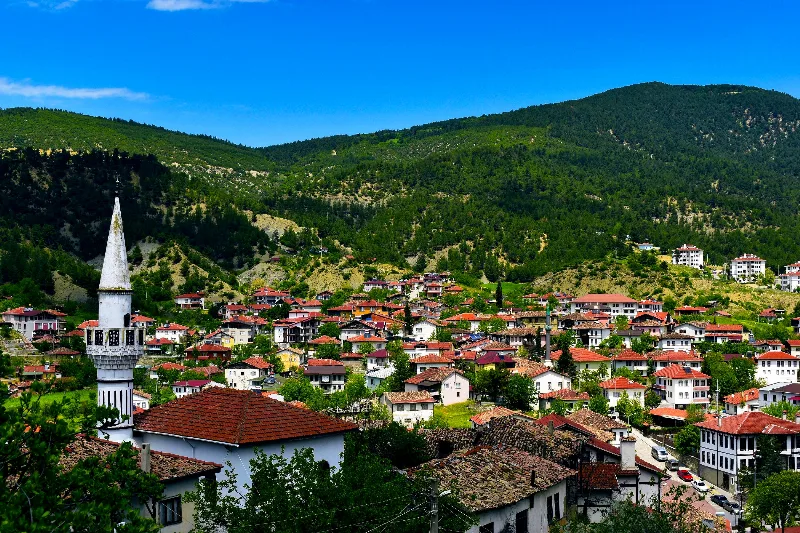
Sakarya
Sakarya is a province in northwestern Türkiye with its metropolitan centre at Adapazarı. Known for fertile plains, lakes and routes connecting Istanbul with inner Anatolia, it stretches from the Marmara hinterland to the Black Sea shore. Forests, streams and coastal towns provide a natural contrast to the built-up centre and agricultural lowlands.
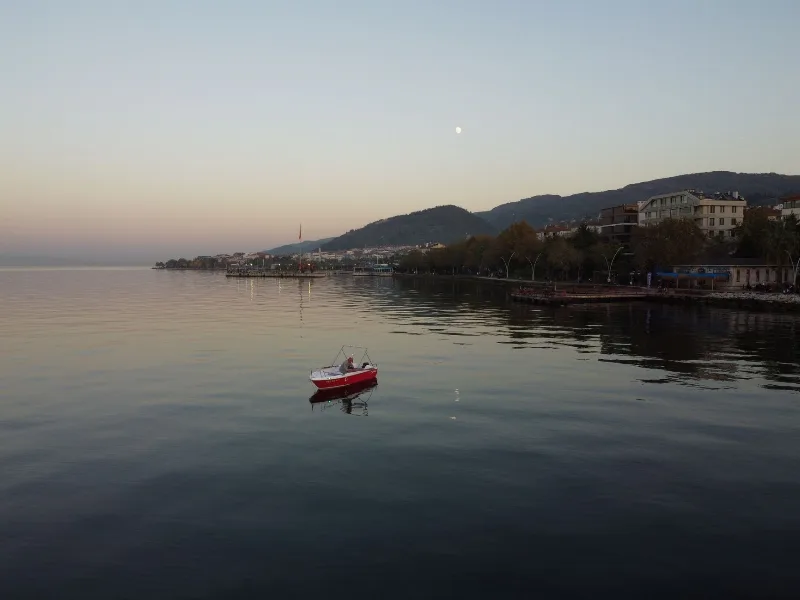
Lake Sapanca
Lake Sapanca is a long, narrow freshwater lake in the Sakarya–Kocaeli border zone of north-western Türkiye, formed in a tectonic basin close to the North Anatolian Fault and bordered by forested hills, orchards and reed-lined stream mouths.
Sapanca Lake Promenade and Village Life in Sakarya
Lake Sapanca lies in a tectonic basin between Sakarya and Kocaeli, ringed by a shoreline promenade and villages whose orchards, springs and wooden houses shape everyday life around the water.
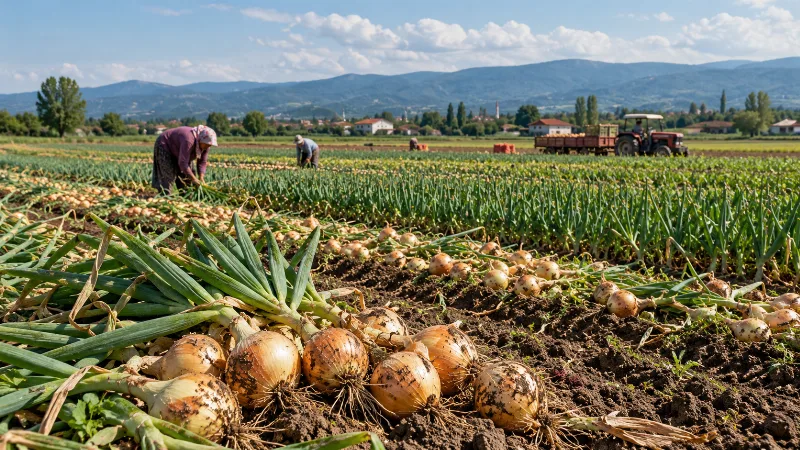
Adapazarı Onions
Adapazarı onions are a locally distinctive onion type grown on the fertile plain around Adapazarı in Sakarya province, where deep alluvial soils and a mild, transitional climate produce bulbs noted for their mild sweetness and their ability to keep well after harvest.
Taraklı
Taraklı’s timber-and-plaster houses cluster around narrow streets and an old market quarter, preserving the proportions of a small Ottoman-era town.
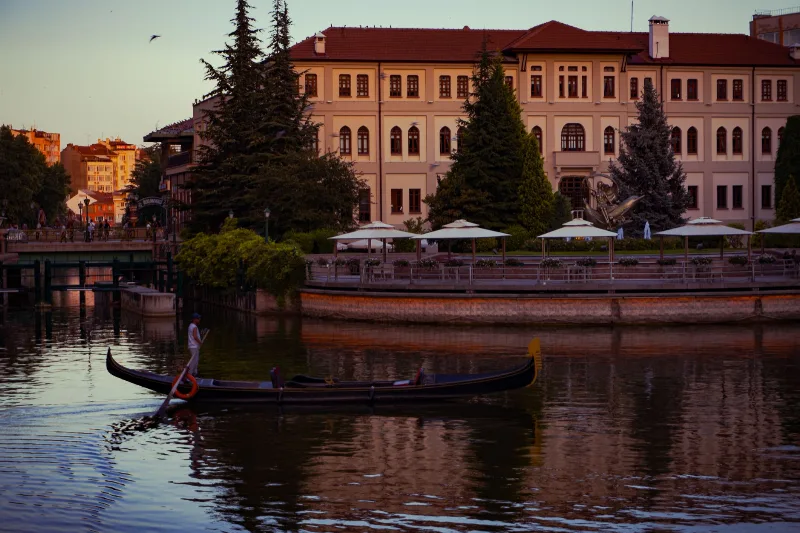
Eskişehir
Eskişehir is a university city on the Porsuk River in northwestern Central Anatolia, where a restored Ottoman-era quarter and a modern, pedestrian-friendly centre sit side by side.
Bilecik
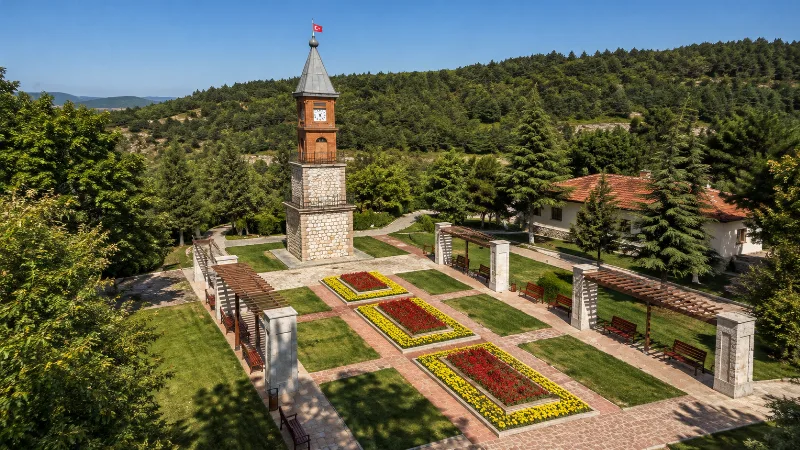
Bilecik is a small inland province in northwestern Türkiye associated with the early development of the Ottoman state. Wooded hills, river valleys and a series of historic towns lie between the Marmara region and the Anatolian interior. The provincial capital is relatively modest in scale, while nearby Söğüt carries particular significance in the.
Nature
Lakes, forests, rivers, canyons, mountains, wetlands and national parks across Türkiye.