Bilecik
Bilecik is a small inland province in northwestern Türkiye associated with the early development of the Ottoman state. Wooded hills, river valleys and a series of historic towns lie between the Marmara region and the Anatolian interior. The provincial capital is relatively modest in scale, while nearby Söğüt carries particular significance in the.
Bilecik is a small inland province in northwestern Türkiye associated with the early development of the Ottoman state. Wooded hills, river valleys and a series of historic towns lie between the Marmara region and the Anatolian interior. The provincial capital is relatively modest in scale, while nearby Söğüt carries particular significance in the historical narrative of the Ottoman dynasty.
Geography and Landscape
The province has rugged hills, forested terrain and agricultural valleys. The Sakarya River system shapes parts of the surrounding landscape, and routes move between higher wooded slopes and cultivated fields. This transitional setting connects the climate and vegetation of northwestern Anatolia with more continental areas further east. Smaller settlements remain spread through the countryside rather than concentrated entirely in the provincial capital. The province sits within an old corridor of movement between the interior and northwestern Anatolia. Its smaller valleys and ridges helped shape the position of historic settlements and routes.
History and Heritage
Bilecik and Söğüt are closely associated with the origins of the Ottoman polity in the late medieval period. Söğüt is traditionally connected with Ertuğrul Gazi and the early Ottoman frontier. The area also carries older Anatolian and Byzantine histories. Monuments, commemorative sites and museum displays help explain how borderland communities became part of the emerging Ottoman state. The early Ottoman associations are most meaningful when read together with the landscape of frontier towns and rural communities. Söğüt and the provincial capital complement rather than duplicate each other as heritage destinations.
The names of individual districts matter when describing Bilecik: the provincial capital is only one part of a larger administrative area. Natural landmarks and historic settlements may lie well beyond the main urban centre, so the province is best understood as a collection of connected but distinct local landscapes. This distinction is useful when interpreting maps and comparing neighbouring destinations.
Places to Visit
Söğüt's Ertuğrul Gazi Tomb is a major point of historical interest. In Bilecik, the Şeyh Edebali Tomb and nearby viewpoints are associated with the early Ottoman story. The town of Osmaneli has surviving traditional houses and an older urban atmosphere. Smaller district centres, rural lanes and river landscapes broaden the province beyond its most famous historical associations.
Local Culture and Cuisine
Local culture reflects small-town traditions, agricultural life and the preservation of early Ottoman memory. Ceremonies and commemorations in Söğüt have long played a role in the area's identity. Food follows the seasonal ingredients of inland northwestern Anatolia, including grains, vegetables and meat dishes. Traditional buildings, neighbourhood streets and local markets give a sense of everyday provincial life.
Climate and Seasons
Bilecik has seasonal contrasts, with warm summers and cold winter periods, particularly at higher elevations. Spring brings fresh growth to the wooded hills, while autumn is notable for changing forest colours. Valleys and exposed uplands can experience different temperatures on the same day. The province can be explored throughout the year, with seasonal conditions affecting rural routes and walking areas.
Getting There and Around
Road and rail routes connect Bilecik with Eskişehir, Bursa, Sakarya and Istanbul. The wider transport corridor makes the province accessible on journeys across northwestern Anatolia. Visits to Söğüt, Osmaneli and more dispersed rural attractions generally involve short road transfers from the main transport hubs. Central historical locations are more compact than the province's broader countryside.
Discover Food in Türkiye
All food →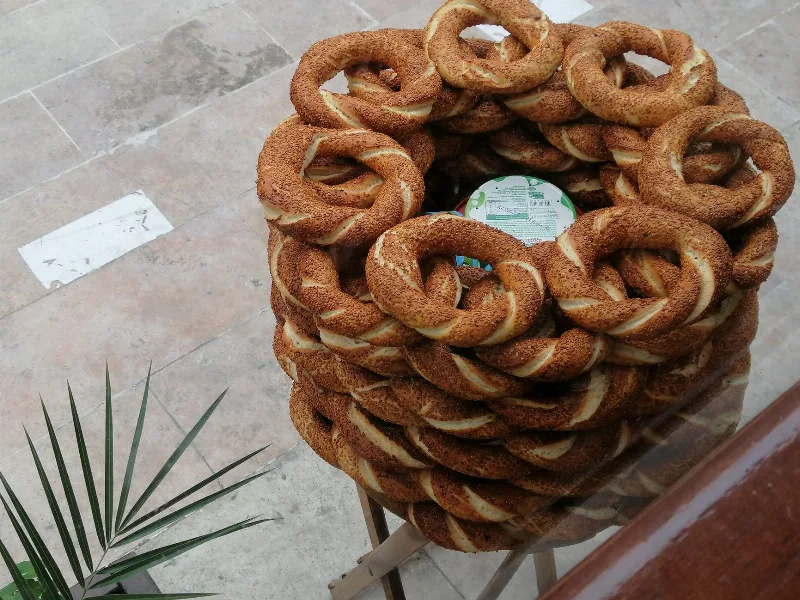
Simit
Simit is a ring-shaped Turkish bread covered in sesame seeds, strongly associated with Istanbul and sold as everyday street food. It is eaten fresh, most often with tea, and has a crisp crust around a chewy crumb.
Explore →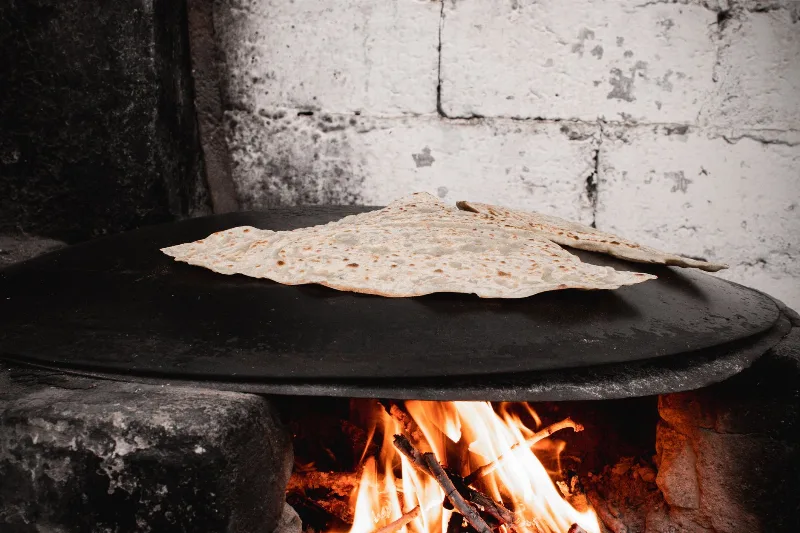
Bazlama
Bazlama is a soft, thick Turkish flatbread made from a leavened dough and cooked on a hot griddle. It is a staple of village baking across Anatolia, eaten warm with butter or used to wrap other foods.
Explore →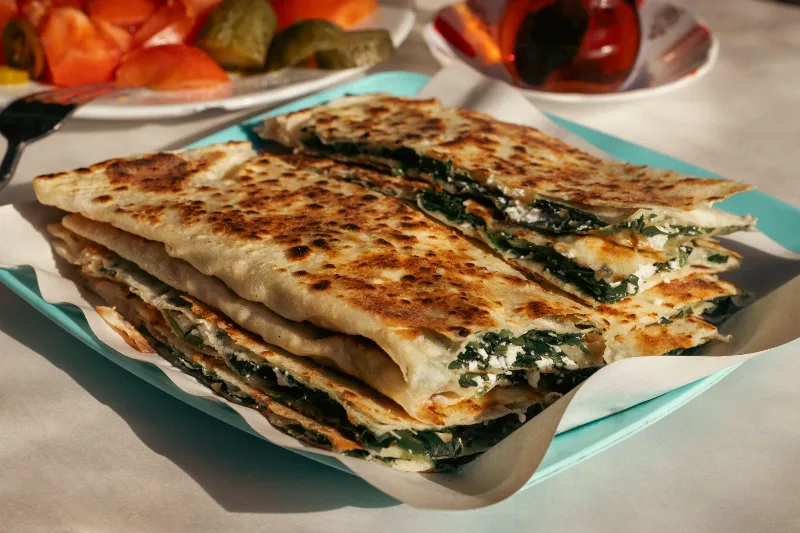
Gözleme
Gözleme is a thin, hand-rolled Anatolian flatbread folded around savory fillings such as cheese, spinach, or minced meat and cooked on a sac griddle. The article covers its regional variations, cooking method, texture, and traditional serving style.
Explore →Related content
Sakarya
Sakarya is a province in northwestern Türkiye with its metropolitan centre at Adapazarı. Known for fertile plains, lakes and routes connecting Istanbul with inner Anatolia, it stretches from the Marmara hinterland to the Black Sea shore. Forests, streams and coastal towns provide a natural contrast to the built-up centre and agricultural lowlands.
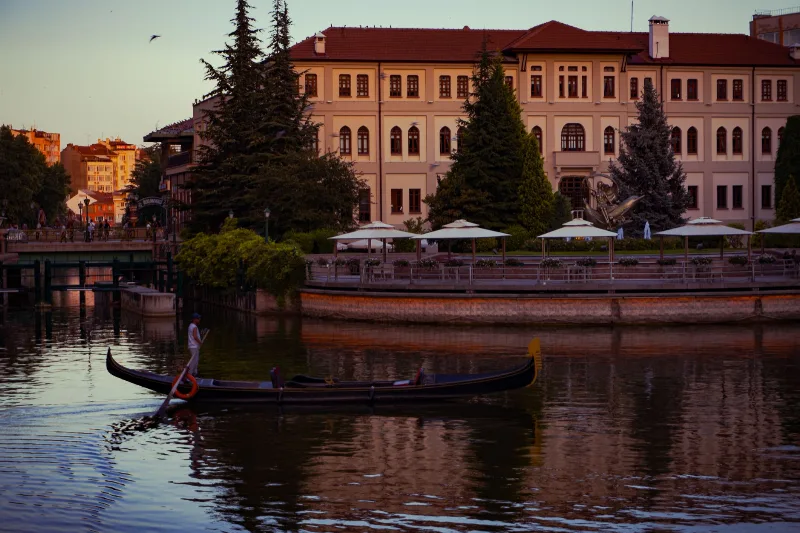
Eskişehir
Eskişehir is a university city on the Porsuk River in northwestern Central Anatolia, where a restored Ottoman-era quarter and a modern, pedestrian-friendly centre sit side by side.
Bursa
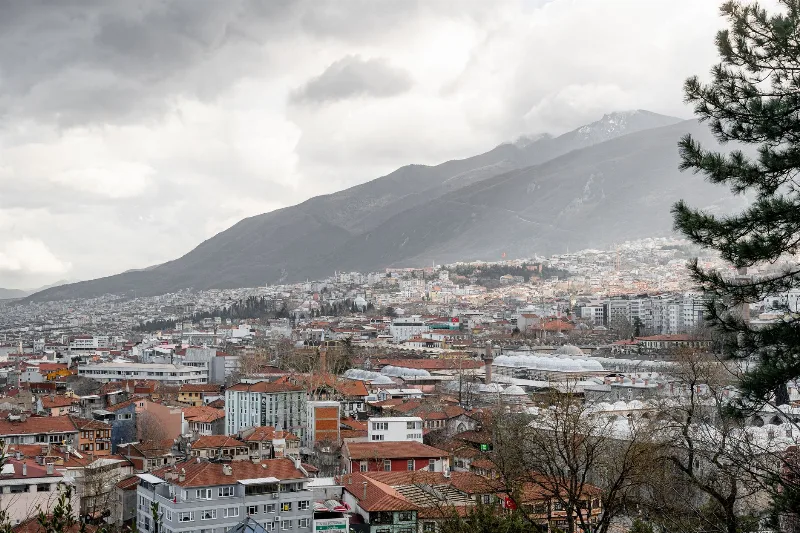
Bursa is a major metropolitan city in northwestern Türkiye and the first great capital of the Ottoman Empire, known for its silk heritage, thermal springs and the mountain of Uludağ rising directly behind it.
Söğüt Ertuğrul Gazi Tomb and Ottoman Heritage in Bilecik
Söğüt, a quiet district town in Bilecik province, is closely tied to the earliest chapter of Ottoman history. Its centrepiece is the tomb of Ertuğrul Gazi, surrounded by modest monuments, willow-shaded streets and a countryside of orchards and hills.
Quince Harvest in Osmaneli, Bilecik
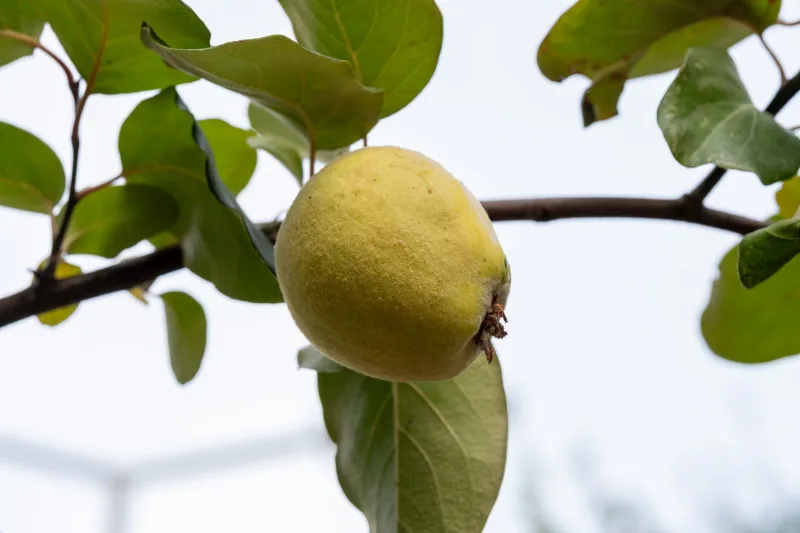
Every autumn the orchards around Osmaneli in Bilecik fill with golden quince, and the October picking season becomes the district's defining agricultural event. The timing shifts slightly each year with the weather, but the harvest period is the reason this small northwestern Turkish district is associated with the fruit.
The Seven Geographical Regions of Turkey
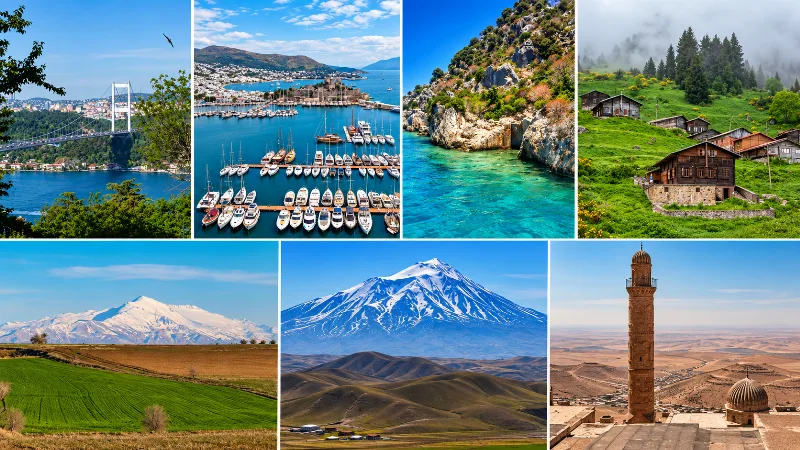
An introduction to Turkey’s seven geographical regions and the landscapes, climates and cultural characteristics that distinguish them.