
Söğüt Ertuğrul Gazi Tomb and Ottoman Heritage in Bilecik
Söğüt, a quiet district town in Bilecik province, is closely tied to the earliest chapter of Ottoman history. Its centrepiece is the tomb of Ertuğrul Gazi, surrounded by modest monuments, willow-shaded streets and a countryside of orchards and hills.
Söğüt is a small district town in the province of Bilecik, in the north-west of Anatolia where the wooded hills of the Marmara region begin to fold into the Anatolian plateau. It is a place of a few thousand streets and a great deal of memory: tradition holds that this was the settlement granted to the Kayı tribe under Ertuğrul Gazi in the thirteenth century, and from that community grew the principality that would eventually become the Ottoman state. The town's name means "willow" in Turkish, and willows still line the waterways and squares around which daily life turns. For travellers interested in early Ottoman heritage, Söğüt is a modest place rather than a grand one, and that is much of its appeal.
Where Söğüt Lies in the Bilecik Countryside
The town sits in a valley basin surrounded by low, rounded hills, roughly halfway between the larger Bilecik district centres of Bozüyük and the provincial capital. The land here is a patchwork of small fields, vineyards, walnut trees and orchards, with the Sakarya river system shaping the wider region and giving the soil its fertility. Winters are cool and often damp, springs are green and generous, and summers bring dry heat to the slopes. Because the town lies off the main tourist circuits, its streets keep the rhythm of market days, tea gardens and agricultural work rather than the pace of a visitor resort.
The Tomb of Ertuğrul Gazi
The focal point of the town is the tomb complex of Ertuğrul Gazi, set on a small rise above the centre. The structure was substantially renewed in the late nineteenth century under Sultan Abdülhamid II, when the site was rebuilt in a style that combines Ottoman funerary tradition with the decorative tastes of the period. Inside, a large symbolic casket draped in green cloth is surrounded by smaller graves, and the walls carry calligraphy and tilework that draw pilgrims, historians and curious visitors alike. Beside the main building stands a tomb attributed to Halime Hatun, associated with Ertuğrul's wife, and the wider compound includes a fountain, courtyards and prayer spaces that make the hill a quiet place of reflection even outside religious occasions.
Ottoman Buildings in the Town Centre
Beyond the tomb, Söğüt preserves a compact group of monuments from the early Ottoman centuries. The Çelebi Sultan Mehmed Mosque, associated with Sultan Mehmed I and dating from the early fifteenth century, is a low, stone-built structure whose simple lines suit the town's scale. Nearby stand later additions from the Hamidian era, including a mosque and civic buildings that reflect the nineteenth-century interest in restoring the town's symbolic status. Walking between them takes only a few minutes, but the layers are legible: a Seljuk-era frontier settlement, a formative Ottoman town, and a place that later sultans chose to honour.
The Annual Commemoration in September
Each September, Söğüt holds a commemoration for Ertuğrul Gazi that has grown into one of the region's best-known cultural gatherings. The programme traditionally includes ceremonies at the tomb, mounted horsemen in period dress, wrestling displays, folk music and stalls selling local produce. Residents from surrounding villages join in, and the event gives the town a festive character quite different from its usual calm. Visitors should treat the dates as approximate, since the schedule is set each year.
Local Life, Markets and Regional Food
Everyday Söğüt is agricultural. The surrounding villages grow wheat and grapes, keep sheep and cattle, and harvest walnuts and mulberries in season. The weekly market brings cheese, honey, eggs, dried fruit and vegetables from nearby farms, while small kitchens serve Bilecik-region staples: bulgur pilaf, stuffed vine leaves, hand-rolled flatbreads baked on a saç griddle, tarhana soup in winter and simple milk puddings. Willow weaving, basketry and small-scale carpentry have long been part of the local craft repertoire, and some workshops still produce everyday objects rather than souvenirs.
The Countryside Around Söğüt
The wider district rewards slow exploration. Wooded ridges, small streams and old village mosques lie within a short drive, and the road towards Bilecik passes through landscapes of orchards and rocky outcrops. Springs, picnic spots and forest tracks make easy half-day outings, and the region's villages retain stone houses, courtyard walls and communal ovens that show how rural Anatolian building traditions have adapted to local stone and timber. Söğüt is best understood not as a single monument but as a landscape in which early Ottoman history, farming life and quiet provincial architecture remain closely intertwined.
Related content
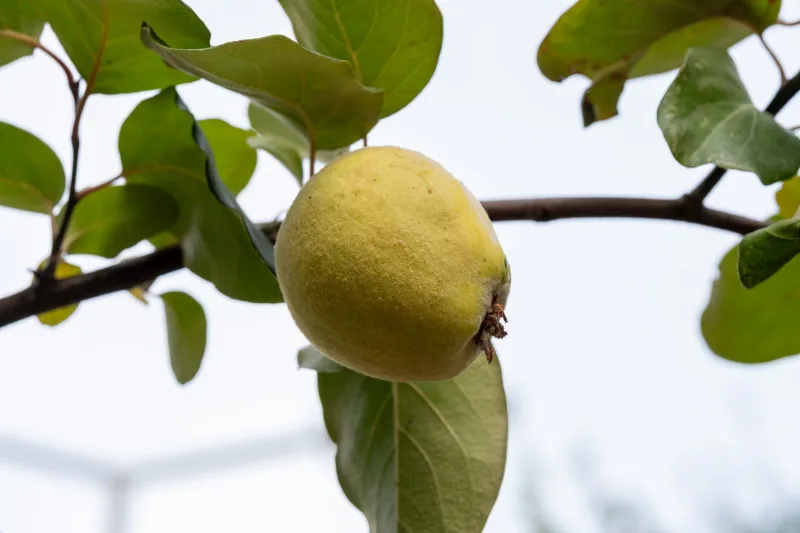
Quince Harvest in Osmaneli, Bilecik
Every autumn the orchards around Osmaneli in Bilecik fill with golden quince, and the October picking season becomes the district's defining agricultural event. The timing shifts slightly each year with the weather, but the harvest period is the reason this small northwestern Turkish district is associated with the fruit.
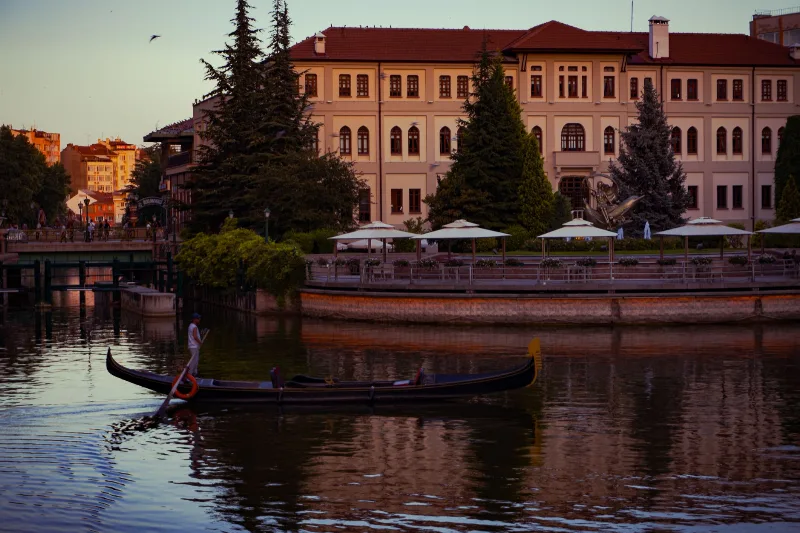
Eskişehir
Eskişehir is a university city on the Porsuk River in northwestern Central Anatolia, where a restored Ottoman-era quarter and a modern, pedestrian-friendly centre sit side by side.
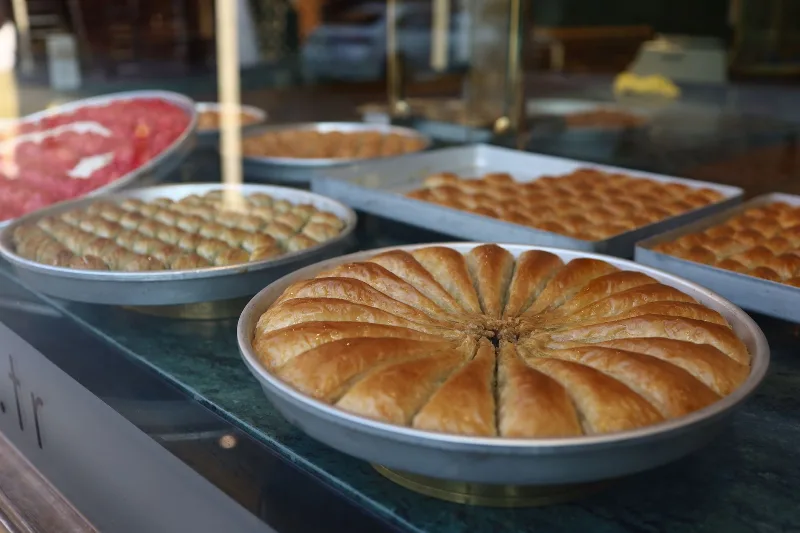
Baklava
Baklava is a traditional Turkish dessert made of layered phyllo dough, filled with nuts and sweetened with syrup. Strongly associated with Gaziantep, it is a staple of celebrations and a symbol of Turkish hospitality.
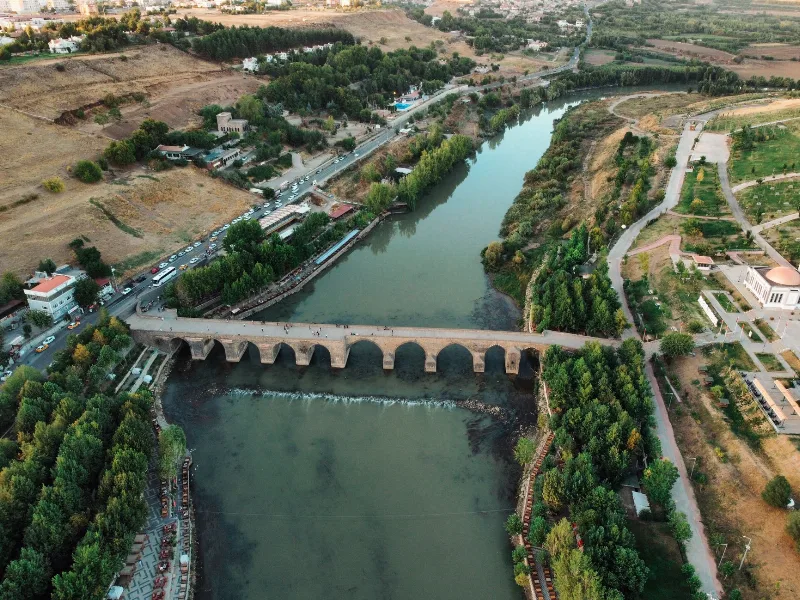
5-Day Tigris and Euphrates Route
A five-day, east-to-west journey across Southeastern Anatolia from Diyarbakır to Gaziantep, following the Tigris and Euphrates through Mardin, Şanlıurfa, Göbeklitepe and Harran.
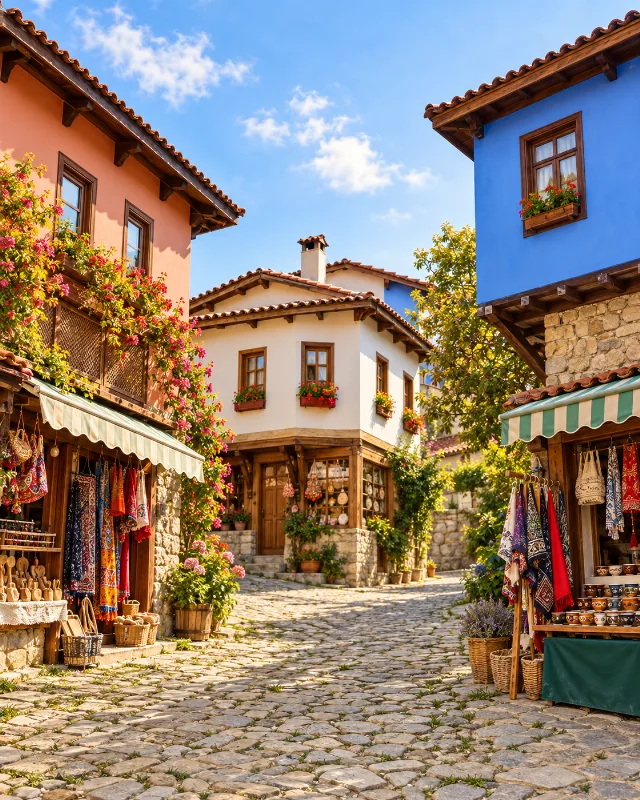
Cumalıkızık
Cumalıkızık is a historic Ottoman village in Bursa, Turkey, known for its well-preserved houses and cobblestone streets. It is part of the UNESCO World Heritage Site 'Bursa and Cumalıkızık: the Birth of the Ottoman Empire'.
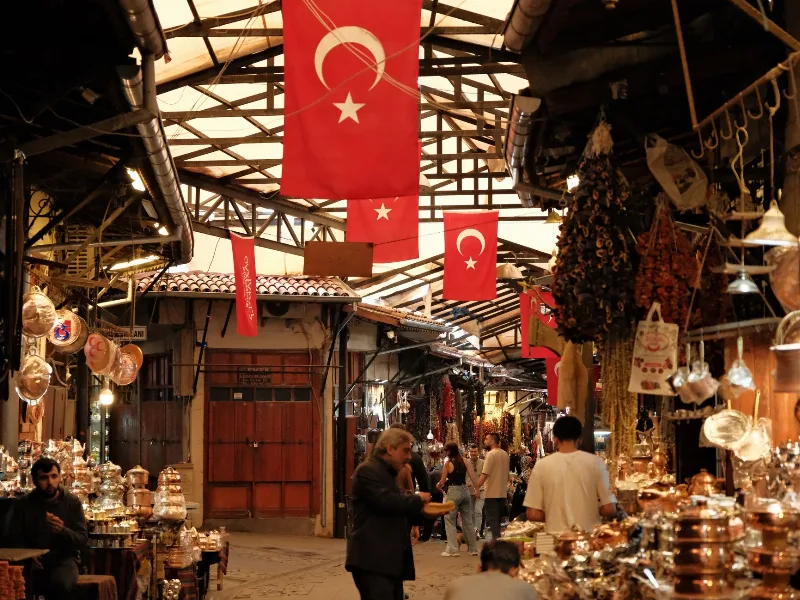
Savoring the Flavors of Gaziantep's Cuisine
Discover the rich culinary traditions of Gaziantep, a city known for its diverse and flavorful dishes that showcase the gastronomic richness of Türkiye.
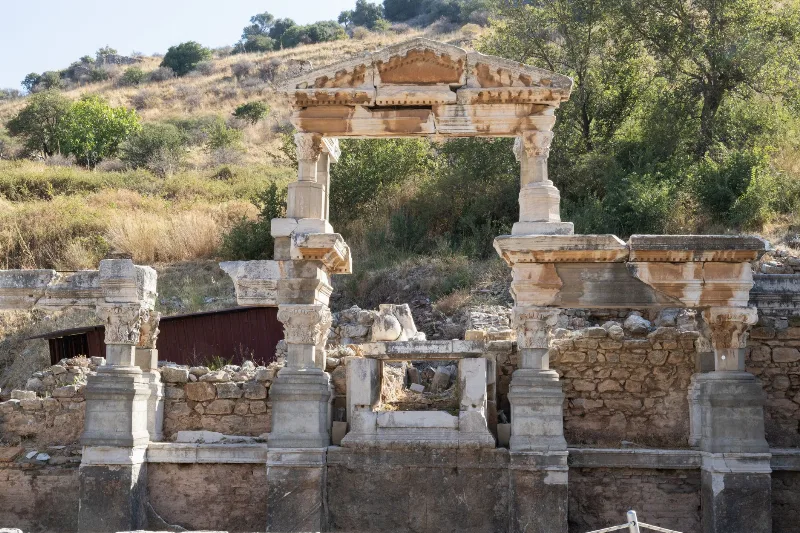
Cultural Heritage of Anatolia
Anatolia's cultural heritage spans millennia, blending ancient civilizations, architectural marvels, and living traditions across Türkiye.
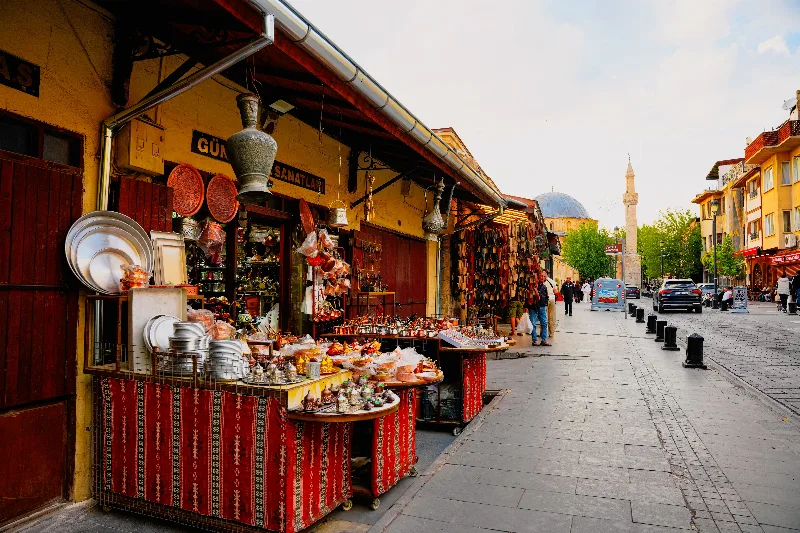
1-Day Gaziantep Route
A compact one-day route through central Gaziantep, moving from the Zeugma Mosaic Museum to the castle hill, the historic hans and bazaars, and a baklava finish in the old centre.