
Quince Harvest in Osmaneli, Bilecik
Every autumn the orchards around Osmaneli in Bilecik fill with golden quince, and the October picking season becomes the district's defining agricultural event. The timing shifts slightly each year with the weather, but the harvest period is the reason this small northwestern Turkish district is associated with the fruit.
Each autumn, the orchards around Osmaneli in Bilecik province fill with golden-yellow quince, and the picking season that follows is the defining agricultural moment of this small district in northwestern Türkiye. The main harvest generally falls in October, sometimes starting in late September and often continuing into the first half of November, depending on how the season has developed. This window matters because quince is a firm, late-ripening fruit that cannot simply be left hanging: once it reaches full maturity it is picked by hand, sorted and moved quickly into crates, storage or processing. For a few weeks each year the working rhythm of the district turns almost entirely toward the trees.
Where the Quince Harvest Takes Place
Osmaneli sits in the Sakarya River valley in Bilecik province, roughly between the higher ground toward Bilecik and Gölpazarı and the lower plains that lead toward İznik and the Pamukova area. The district's orchards are spread across the valley floor and the gently sloping ground around the settlements, where deep soils and access to water suit fruit growing. The quince trees are not a single plantation; they are distributed among family plots, small holdings and larger orchards, which is why the harvest is visible across a wide area rather than concentrated in one field. The wider valley setting is important: the river, the mild valley climate and the surrounding hills together create the conditions in which quince has become the district's best-known crop.
What Creates the Seasonal Change
The cycle begins much earlier in the year. Quince trees generally flower in late spring, after the risk of hard frost has mostly passed, producing pale pink-white blossoms that are easy to miss compared with the showier fruit blossoms of other regions. Through spring and summer the small green fruits swell and harden, developing the dense flesh and aromatic skin that define the fruit. The decisive change comes with the cooling of autumn: shorter days and lower night temperatures slow growth and push the fruit toward ripeness, and the skin shifts from green toward the yellow-gold colour that signals the picking season is close. Nothing about this is sudden. The transition from a green orchard to a golden one happens gradually over several weeks.
When the Harvest Normally Happens
The harvest is usually an October activity, though the exact start varies from year to year. A warm, dry late summer and a mild early autumn often bring picking forward toward the end of September, while a cooler or wetter season can delay full ripeness into October and push the last picking into November. Growers typically judge readiness by colour and firmness rather than by a fixed calendar date, and because quince is easily bruised, the work is done by hand and often carried out in several passes rather than a single sweep. Local celebrations have historically accompanied this period, but the timing of those events follows the fruit, not the other way around.
How Weather Affects Timing and Quality
Weather is the single biggest variable in the season. A dry autumn tends to produce cleaner fruit and easier harvesting conditions, with firm ground underfoot in the orchards and less risk of rot. Heavy autumn rain can soften the soil, make orchard tracks muddy and increase the chance of damaged or split fruit, which speeds up the picking schedule. Early cold snaps or frosts are a real concern, because they can end the season abruptly and force growers to bring in the crop quickly. Spring frost during flowering is the other risk that shapes the year, since a cold snap at blossom time can reduce the size of the crop long before autumn arrives.
What the Orchards Look Like During the Season
During the harvest the orchards take on a distinctly autumnal appearance. The foliage begins to turn, the ground between the rows is often cleared or mown, and the trees stand out with large pale-yellow fruit hanging heavily on the branches. Picked quince is commonly gathered into shallow crates, sacks or piles at the edge of the plots, because the fruit needs careful handling and good ventilation. Ladders, hand tools and small tractors appear along the orchard tracks, and the smell of the ripening fruit is noticeable close to the trees. The surrounding valley landscape is simultaneously shifting into autumn, with the hills above the plain showing the first seasonal colour changes.
What Visitors Can Realistically Expect to Observe
Anyone visiting during the harvest period should expect a working agricultural landscape rather than a staged attraction. The most visible activity is hand picking, sorting and moving of fruit, together with the loading of crates for transport. Orchards are usually private working land, so access depends on the goodwill of growers. The season is short and weather-dependent, so the safest approach is to plan a visit in the broad October window and accept that the exact stage of the harvest may differ from expectations. Visitors will typically see fruit on the trees in the earlier part of the period and mostly cleared orchards at the end. The valley itself is also worth attention in this season, as the surrounding hills and riverside ground change colour alongside the fruit harvest. Nearby districts such as Gölpazarı and the İznik area lie within the same broader fruit-growing region and are geographically connected to the same seasonal cycle, though quince remains most closely associated with Osmaneli.
EXPLORE BY THEME
All themes →


Related content
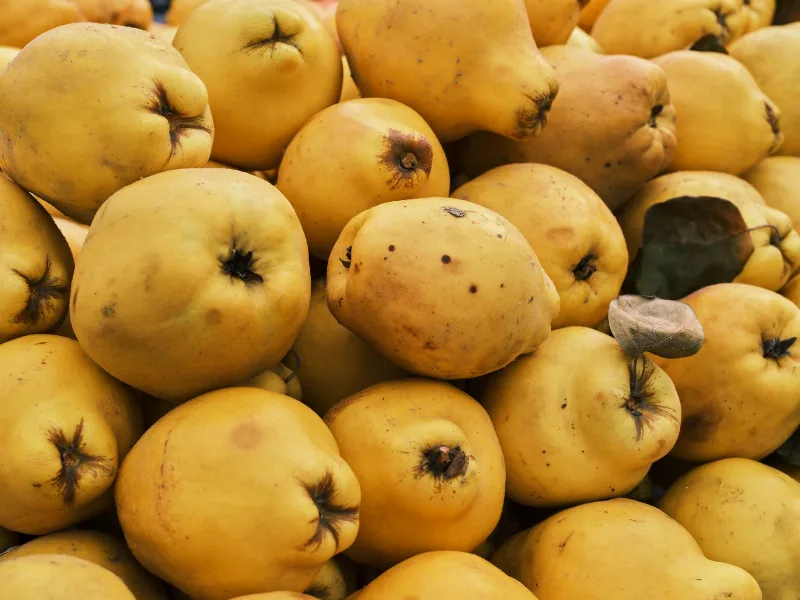
Bursa Quinces
Bursa quinces are the fruit of the quince tree grown around the city of Bursa in northwestern Türkiye, where the province's temperate Marmara climate and fertile soils give the fruit its dense flesh, tart flavour and strong fragrance. The orchards of Bursa are among the places most closely identified with quince growing in the country.
Söğüt Ertuğrul Gazi Tomb and Ottoman Heritage in Bilecik
Söğüt, a quiet district town in Bilecik province, is closely tied to the earliest chapter of Ottoman history. Its centrepiece is the tomb of Ertuğrul Gazi, surrounded by modest monuments, willow-shaded streets and a countryside of orchards and hills.
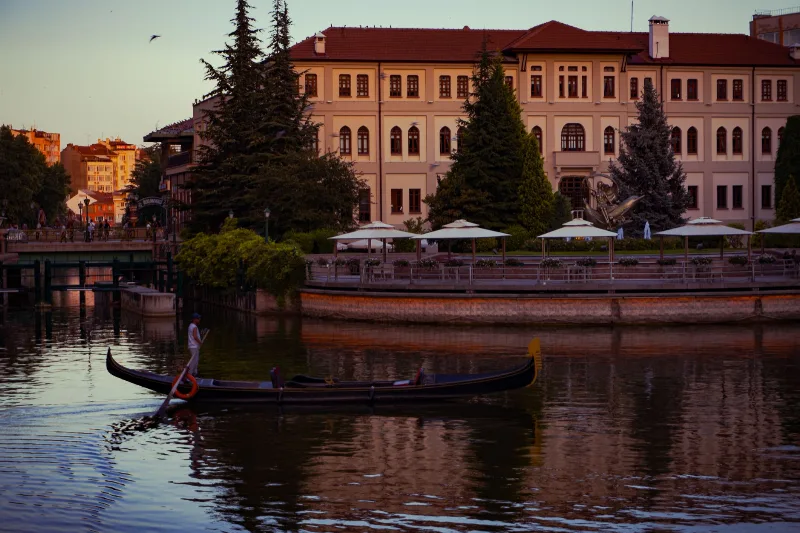
Eskişehir
Eskişehir is a university city on the Porsuk River in northwestern Central Anatolia, where a restored Ottoman-era quarter and a modern, pedestrian-friendly centre sit side by side.
Sapanca Lake Promenade and Village Life in Sakarya
Lake Sapanca lies in a tectonic basin between Sakarya and Kocaeli, ringed by a shoreline promenade and villages whose orchards, springs and wooden houses shape everyday life around the water.

The Traditional Turkish Breakfast Spread Across Türkiye
Turkish breakfast, or kahvaltı, is a leisurely morning meal of cheeses, olives, breads, and teas that reflects Türkiye's regional diversity and communal spirit.
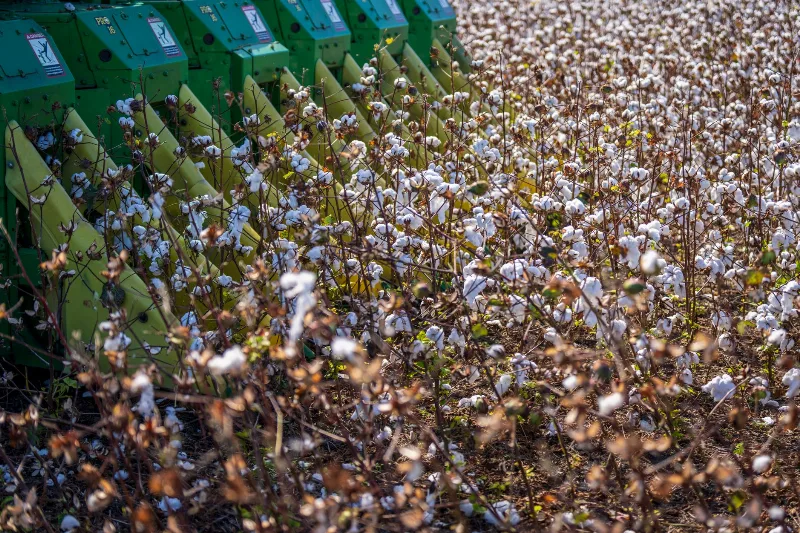
Cotton Harvest in Şanlıurfa
Each autumn, the cotton fields around Şanlıurfa transform into a sea of white as the harvest begins. Discover the timing, the agricultural process, and what to expect during this seasonal event.