Şavşat
Wooded mountains, scattered hamlets and wooden houses make Şavşat a distinctive gateway to the highland landscapes of northeastern Türkiye.
Wooded mountains, scattered hamlets and wooden houses make Şavşat a distinctive gateway to the highland landscapes of northeastern Türkiye.
A mountain town in Artvin
Şavşat is a district town and surrounding rural region in Artvin province, in northeastern Türkiye. Forested mountains, valleys and highland pastures define its setting. Unlike a compact heritage village, the area’s appeal comes from several settlements spread across the landscape. Traditional houses, fields and wooded slopes form a pattern shaped by mountain geography. The district is associated with some of the most striking upland scenery in the eastern Black Sea region.
Architecture adapted to the hills
Rural buildings around Şavşat often make extensive use of timber, sometimes combined with stone foundations and lower walls. The materials reflect wooded surroundings and local construction traditions. Houses are generally arranged according to the steep terrain, with small agricultural areas nearby. Their proportions and placement are best appreciated in the context of the hamlets rather than as isolated buildings.
Forests and highland landscapes
The wider district includes dense woodland, meadows, lakes and mountain routes. Karagöl–Sahara National Park is one of the better-known protected landscapes associated with Şavşat. Seasonal changes are especially pronounced at higher elevations: spring and summer bring vivid greenery, autumn colours transform the forests, and winter creates a very different mountain environment. These variations strongly influence the visitor experience. Visitors should distinguish the district centre from the wider mountain villages and protected landscapes associated with the name Şavşat. Much of the celebrated scenery lies beyond the town itself. Rural routes reveal different elevations, forest types and settlement patterns, making the surrounding district an essential part of the destination.
Village culture and regional identity
Şavşat has a strong rural cultural identity shaped by agriculture, seasonal movement and the wider traditions of Artvin. Villages vary in their architecture and landscape position, so exploring more than one can reveal differences in local patterns of settlement. Traditional wooden structures, footpaths and fields offer insight into practical adaptations to the uplands. The region is best understood as a network of communities rather than one single scenic viewpoint.
Access and seasonal considerations
Road connections lead to Şavşat from Artvin and neighbouring districts, but travel through mountainous terrain requires more time than equivalent distances on level ground. Summer is generally the most accessible season for highland exploration, while spring and autumn offer distinct scenery. Weather and road conditions vary considerably with elevation. Visitors planning routes beyond the town centre should check up-to-date local access information.
From the land
Find All →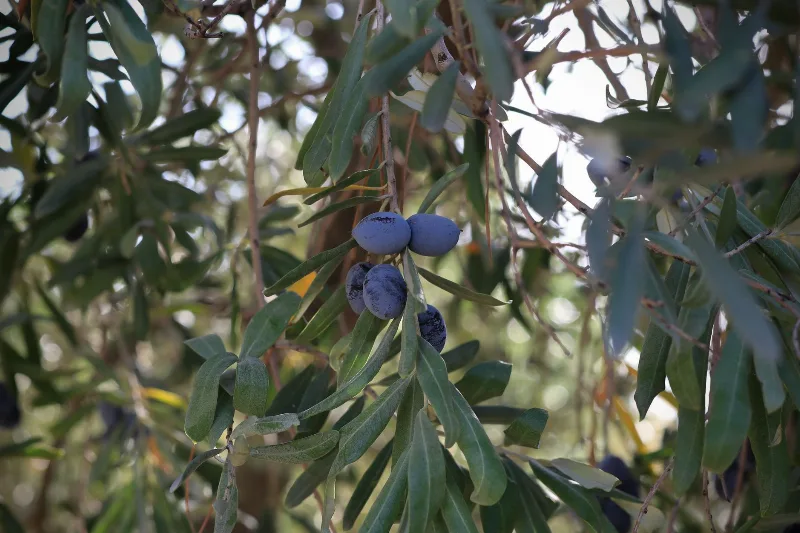
Edremit Olives
Edremit olives are grown around the Gulf of Edremit in Balıkesir province, western Türkiye, where a Mediterranean climate and a long olive-growing tradition produce both table olives and olive oil.
Explore →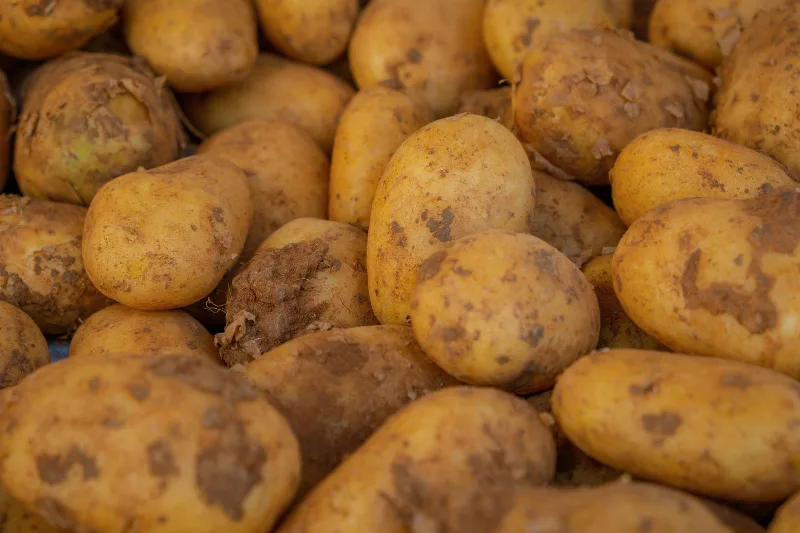
Erzurum Potatoes
Erzurum potatoes are highland potatoes from Erzurum province in Eastern Anatolia, shaped by cool summers, volcanic soils and a short growing season. They are known for their starch-rich texture and full flavour.
Explore →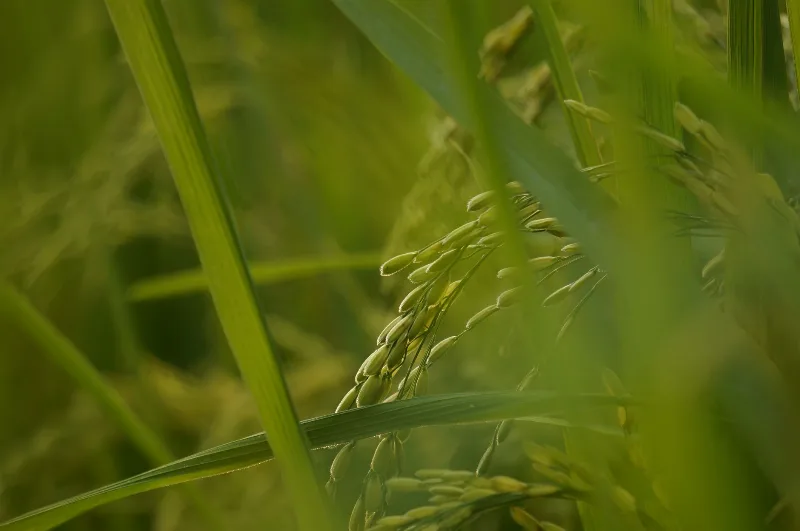
İpsala Rice
Grown on the river-fed alluvial plain around İpsala in Edirne province, İpsala rice reflects the landscape of Thrace: flooded paddies, warm summers and a long local milling tradition.
Explore →Related content
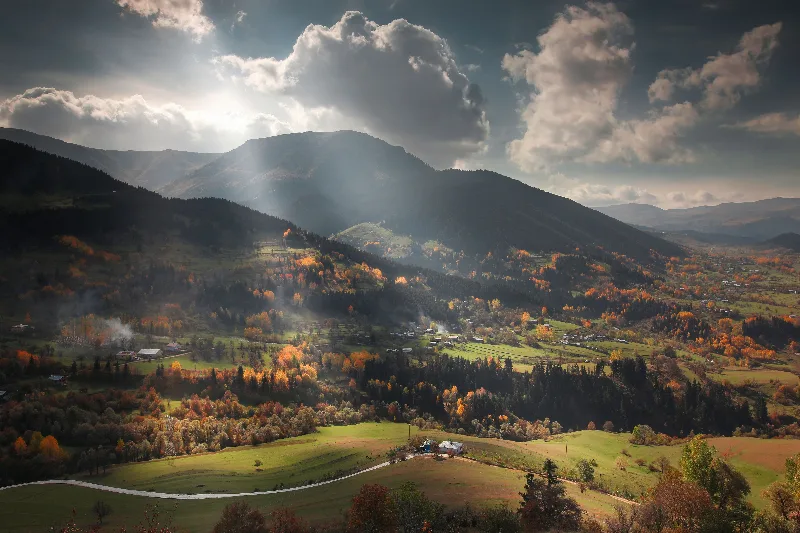
Artvin
Explore Artvin, the northeastern Black Sea region: history, standout sights, landscapes, local food and practical travel advice for an unforgettable journey in Türkiye.
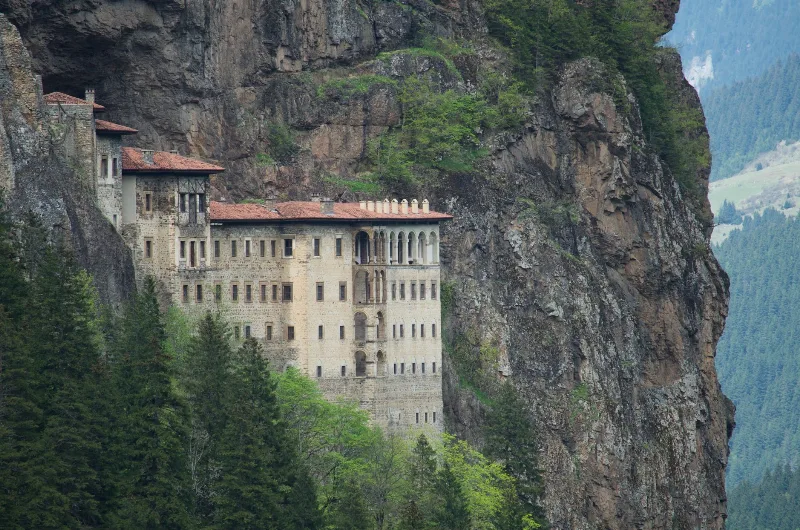
7-Day Eastern Black Sea Highlands Route: Trabzon to Artvin
A seven-day driving route through the Eastern Black Sea highlands, from Trabzon and Sumela to Uzungöl, Ayder, the Kaçkar Mountains and the forests of Şavşat, ending at Artvin.
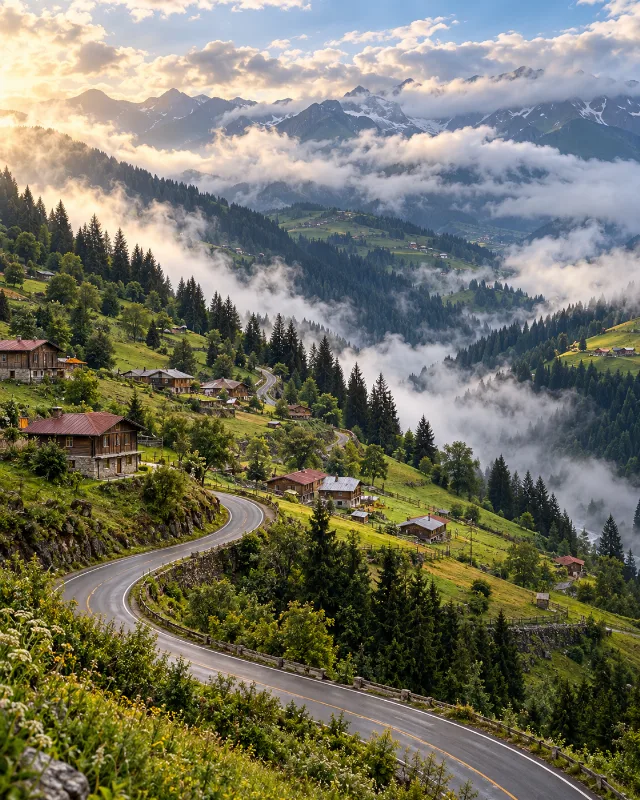
5-Day Eastern Black Sea Route
A five-day journey from Trabzon through Uzungöl, Rize, Çamlıhemşin, Ayder, Borçka and Şavşat, combining Black Sea culture with forests, lakes and highlands.
Karagöl Sahara National Park Alpine Lakes in Artvin
Hidden in the forested mountains of Şavşat, Karagöl Sahara National Park in Artvin pairs a small glacial lake with a high summer pasture, offering a quiet glimpse of Turkey's north-eastern highlands.
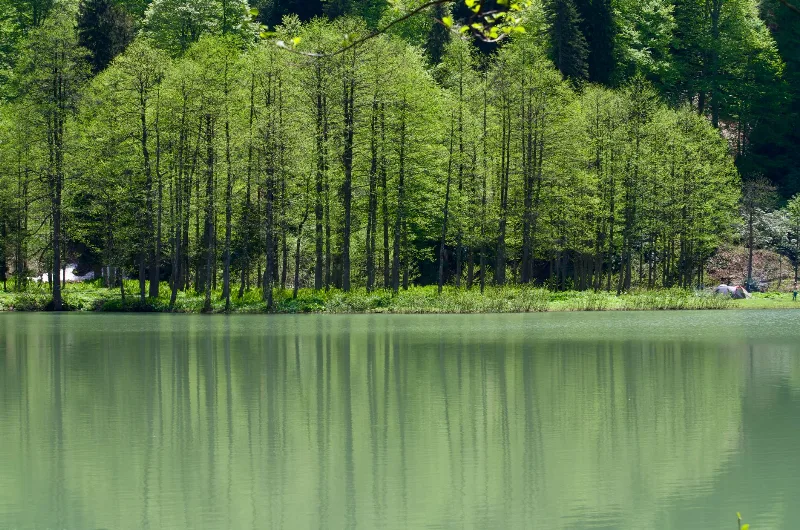
Lake Karagöl
Lake Karagöl is a small glacial lake in Artvin Province, held in an ice-carved basin in the Karçal Mountains. Its forested slopes, alpine meadows and long snow season give it a character quite different from Türkiye's larger Anatolian lakes.
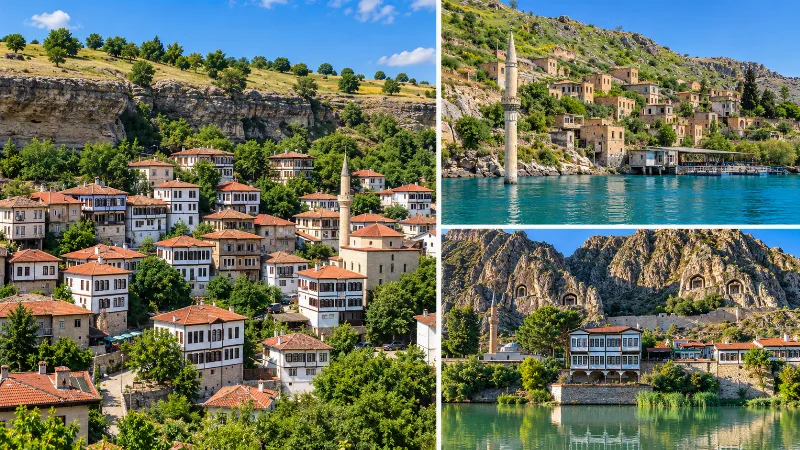
Exploring Turkey Beyond the Best-Known Destinations
A look beyond Turkey’s most famous destinations to smaller towns, villages, coastlines, highlands and historic landscapes across the country.