Mudurnu
Mudurnu is a wooded-valley town where traditional houses, a historic bazaar and traces of craft culture give the streets a distinctly Anatolian character.
Mudurnu is a wooded-valley town where traditional houses, a historic bazaar and traces of craft culture give the streets a distinctly Anatolian character.
A valley settlement in Bolu
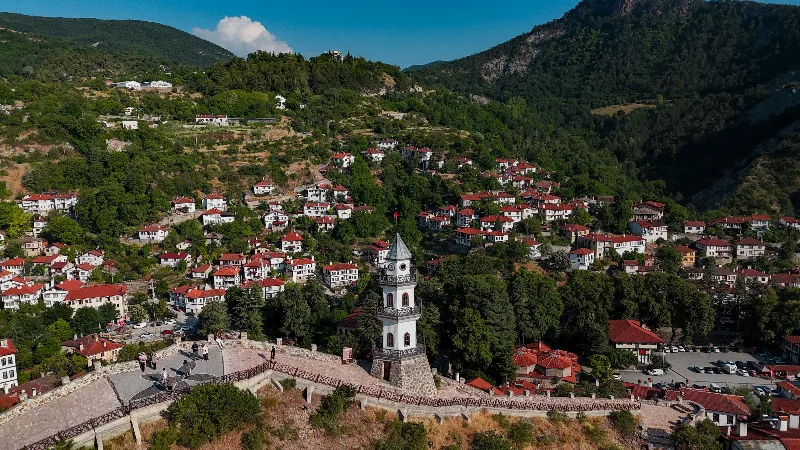
Mudurnu lies in a valley among the forested hills of Bolu province. The town developed along routes connecting communities in western and central Anatolia, and its older neighbourhoods preserve much of the scale of a traditional Ottoman settlement. Rows of tiled roofs sit between green slopes, giving views from different heights across the centre. The setting is important to the town’s identity: architecture and surrounding woodland are encountered together.
Timber houses and rooflines
Traditional Mudurnu houses commonly use timber-framed construction and projecting upper floors. They form irregular sequences along the streets rather than uniform blocks. Their windows, overhanging eaves and entrance steps can be appreciated at close range, while higher points show how roofs fit into the valley. Some buildings have been restored for new uses and others remain ordinary homes, reflecting the continuing life of the settlement.
A town of crafts and trade
Mudurnu’s bazaar tradition is tied to generations of local production and exchange. The historic centre includes shops and public buildings near the residential lanes. Religious monuments from the Ottoman period contribute to the streetscape, though the strongest impression comes from the complete ensemble of streets, rooflines and everyday activity. Local craft histories help explain why a modest inland town developed such a distinctive and coherent built environment. The town’s long-established market culture is particularly important to its sense of place. Streets once shaped by trades and neighbourhood services still connect the historic houses with public buildings. This relationship between domestic and commercial spaces helps explain the coherence of the old centre and its continuing use.
The landscape around the old centre
Forests, small valleys and nearby rural settlements make Mudurnu a useful starting point for exploring the interior of Bolu province. The region has marked seasons: wooded hills are especially green in spring and summer, while autumn produces strong colours. These surroundings provide a contrast to the town’s built heritage and show how the settlement fits into a larger rural landscape rather than standing apart from it.
Visiting Mudurnu
Mudurnu is accessed by regional roads linking Bolu with other inland districts. Visitors can explore the historical core on foot, pausing where streets open to views across the valley. A slower route offers a better appreciation of residential details and changes in street level. The historic centre is attractive in different seasons, although weather can be cooler than along the coast because of the inland setting.
From the land
Find All →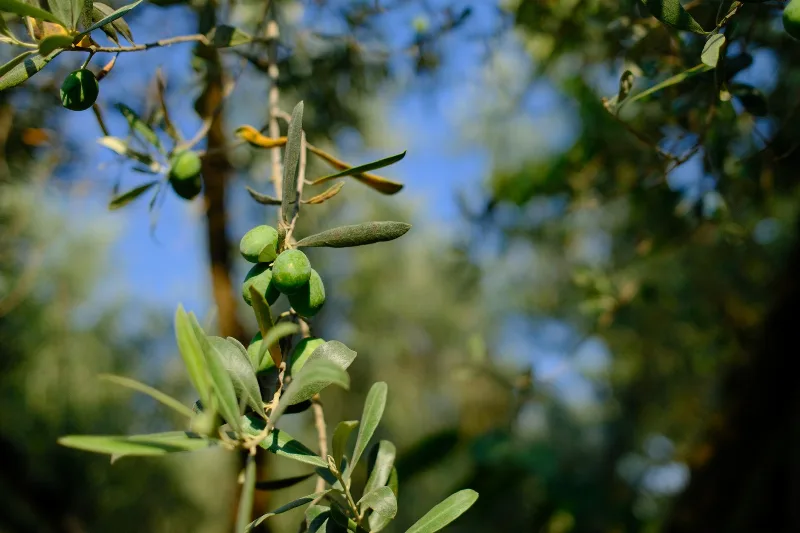
Ayvalık Olives
Ayvalık olives are the fruit of a named olive cultivar grown around Ayvalık on Türkiye's northern Aegean coast, valued both for pressing and for curing as table olives. The stony, sloping groves of the Edremit Gulf in Balıkesir province give the variety its strong regional identity.
Explore →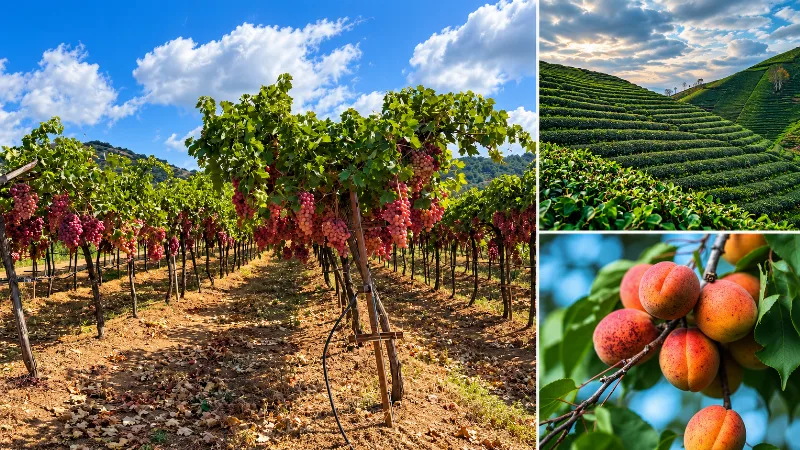
Malatya Apricots
Malatya apricots are the apricots grown in the upper Euphrates basin of eastern Türkiye, where cold winters and hot, dry summers shape the fruit that is mostly dried and traded far beyond the province.
Explore →
Beypazarı Carrots
Beypazarı carrots are the sweet, crisp orange carrots grown in the stream-fed valley of Beypazarı, a district of Ankara Province in Central Anatolia. Deep alluvial soils, irrigation water and a long vegetable-growing tradition have tied the district's name to this single root crop.
Explore →Related content
Bolu
Bolu is a forested province in northwestern Türkiye, positioned between Istanbul and Ankara and widely associated with lakes, mountains and traditional rural landscapes. The provincial capital is an inland town, while many of the best-known natural attractions lie in surrounding districts. Bolu's dense woodland, mountain scenery and changing seasons give it an identity.
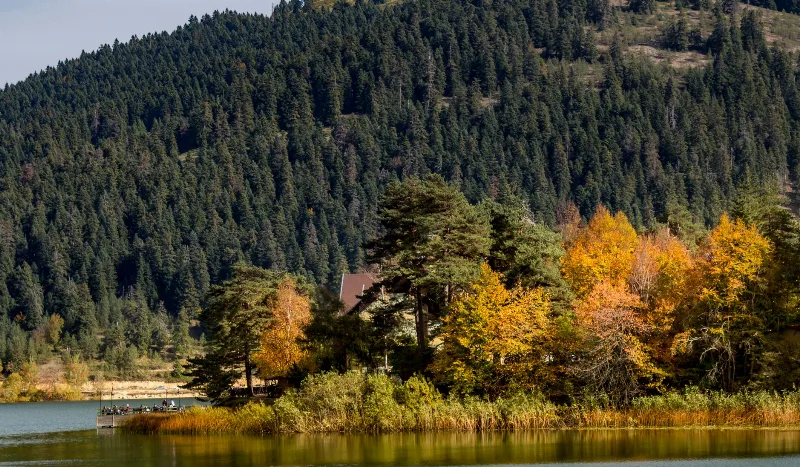
Autumn in Lake Abant, Bolu
From about October into November, the broadleaf woodland around Lake Abant in Bolu turns yellow, orange and red while the fir and pine stands around the shoreline stay dark green. The colour period lasts only a few weeks and shifts each year with temperature, rainfall and wind.
Snow Season in Kartalkaya, Bolu
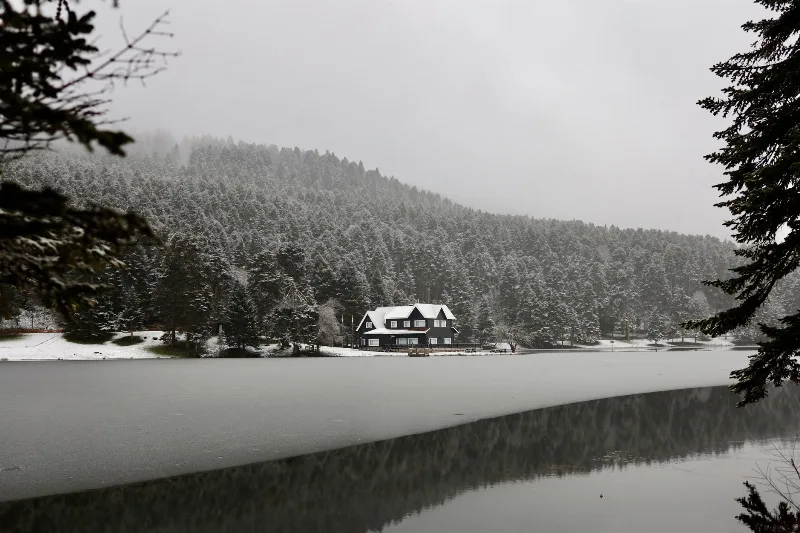
Kartalkaya, the mountain ski area above Bolu in northwestern Türkiye, usually holds its snow cover from around December to March. The season is defined by cold inland winters, high elevation and pine forest slopes that stay white through the core winter months.
Yedigöller National Park and the Seven Lakes of Bolu
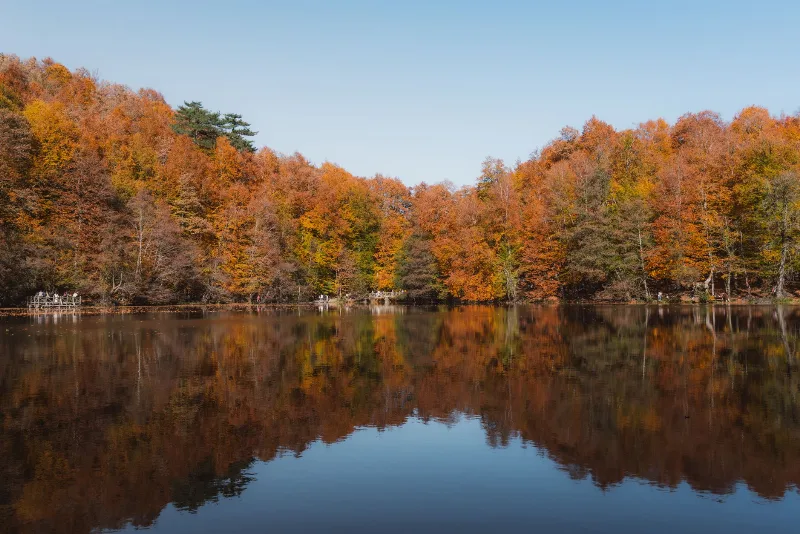
Yedigöller National Park in Bolu Province gathers seven small lakes inside dense woodland, offering quiet walking country, rich plant life and a striking autumn palette in the Western Black Sea region of Türkiye.
Autumn in Yedigöller, Bolu
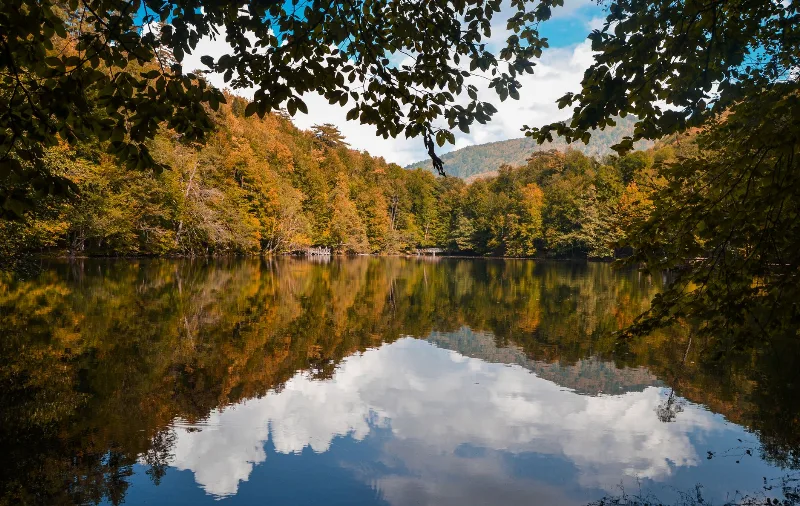
Each year, the forests around Yedigöller's seven lakes turn brilliant shades of red, yellow, and orange, with the peak display usually occurring between mid-October and mid-November. This seasonal transformation is one of Turkey's most reliable autumn spectacles.
Lake Abant
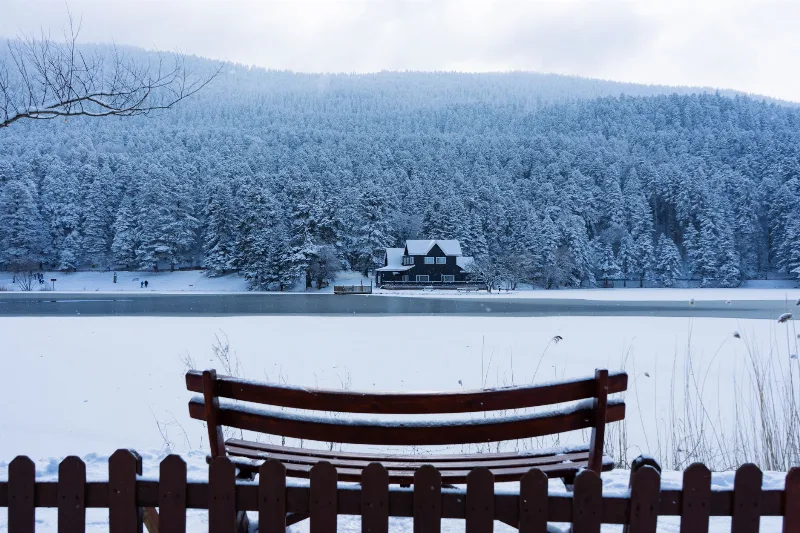
Lake Abant is a freshwater lake in Bolu Province, northwestern Türkiye, sitting at around 1,300 metres in a forested mountain basin. Its shoreline of pines, firs and beeches makes it one of the country's best-known inland lakes.