Eski Datça
In Eski Datça, pale stone houses, bougainvillea-lined lanes and intimate courtyards tell the story of a peninsula settlement distinct from the modern waterfront.
In Eski Datça, pale stone houses, bougainvillea-lined lanes and intimate courtyards tell the story of a peninsula settlement distinct from the modern waterfront.
The old village above the coast
Eski Datça is the historic part of the Datça settlement on the peninsula between the Aegean and Mediterranean seas. It sits inland from the modern harbour and beach promenade, giving it a different atmosphere from the resort centre. Compact lanes wind between stone houses, garden walls and small squares. Its appeal is not a single dramatic landmark but the consistent scale of the old neighbourhood and the way ordinary buildings shape the streets.
Stone, shade and small courtyards
Local stone is the most recognizable material in the older village fabric. Doorways, shutters, climbing plants and enclosed courtyards soften the masonry and create an intimate setting. Many houses have been restored, while the winding street pattern remains a defining feature. Changes in sunlight reveal the texture of the walls throughout the day. The village rewards attention to details that are easy to overlook during a hurried visit.
A peninsula identity
Datça’s location between two bodies of water has influenced its agriculture, settlement patterns and connections with neighbouring coastal communities. Outside the older quarter, the peninsula includes olive groves, almond-growing areas, wooded hills and a series of small bays. Eski Datça expresses a quieter part of this geography: a place set slightly back from the shore, associated with domestic courtyards rather than large coastal developments. Old Datça is not simply another name for the peninsula’s marina area. The historic neighbourhood has a different scale, rhythm and relationship with open space. Courtyard gardens and the sheltered position of its lanes create a visual identity that continues even when the busier coast is only a short journey away.
Exploring on foot
The old centre is best experienced by walking its lanes and allowing for short detours. Small changes in elevation and the irregular layout create a sequence of different views, from shaded passages to wider glimpses of hills and rooftops. Eski Datça is also associated with the poet Can Yücel, an important part of its cultural identity. Visitors interested in the settlement’s recent history can connect that literary association with the atmosphere of its streets.
When to visit and nearby places
Eski Datça can be reached from the modern centre of Datça by local road. Spring and autumn are comfortable for walking in the village, while summer brings a livelier atmosphere across the peninsula. A visit can be combined with the Datça waterfront and the peninsula’s other small settlements, though each has a distinct character. Setting aside unhurried time helps reveal why the old neighbourhood remains memorable.
From the land
Find All →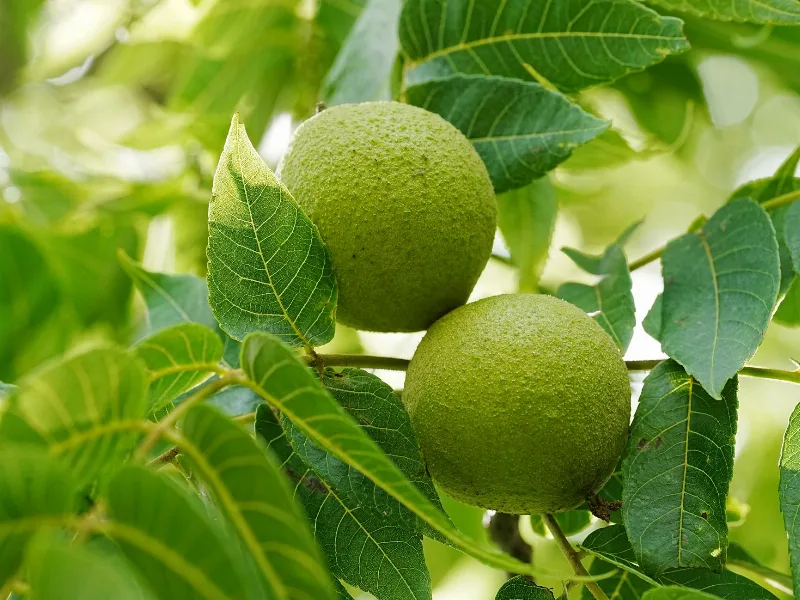
Kırşehir Walnuts
Kırşehir walnuts come from the inland plateau of central Türkiye, where a continental climate and well-drained soils produce thin-shelled nuts with a rich, nutty flavour used for snacking and baking.
Explore →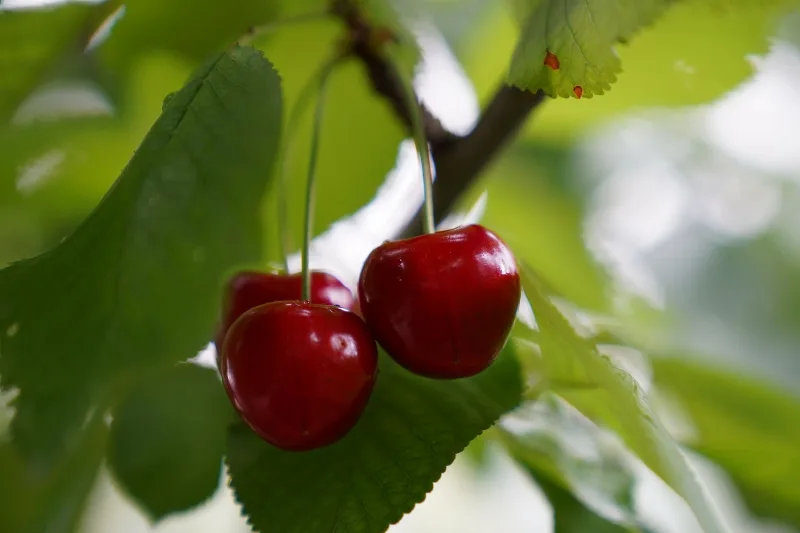
Isparta Cherries
Isparta cherries are the sweet cherries of Türkiye's Lakes Region, grown on high ground where cold winters and dry, sunlit summers give the fruit its size and sweetness.
Explore →
Erzurum Potatoes
Erzurum potatoes are highland potatoes from Erzurum province in Eastern Anatolia, shaped by cool summers, volcanic soils and a short growing season. They are known for their starch-rich texture and full flavour.
Explore →Related content
Datça
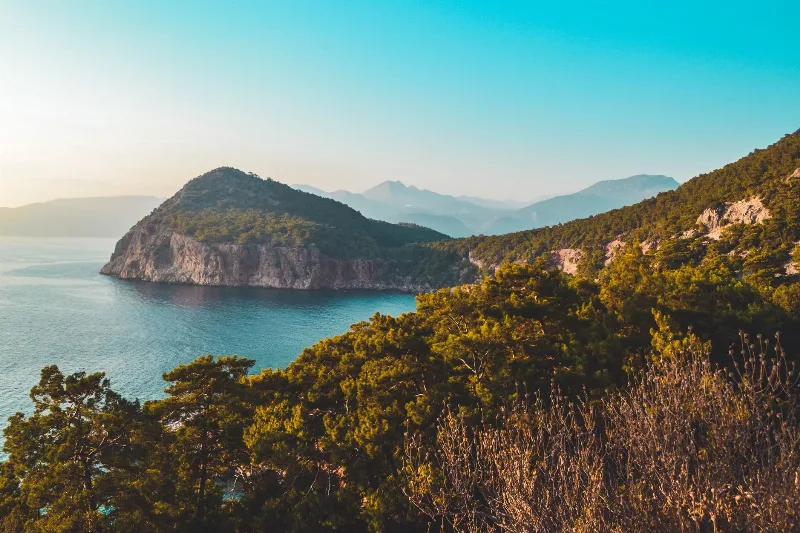
Datça Peninsula offers serene beaches, lush almond groves, and unspoiled beauty, making it a unique getaway in Türkiye.
Datça
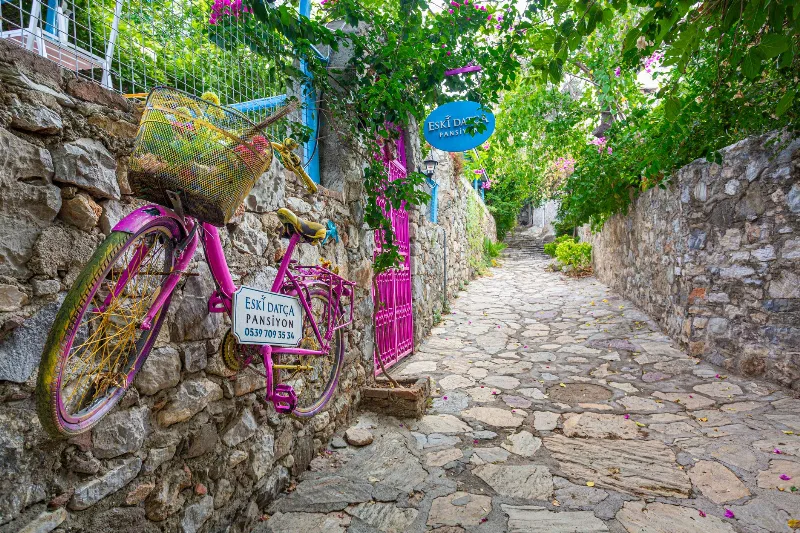
Datça is a district and small coastal town in Muğla Province, Türkiye, set on the long, narrow peninsula that carries its name and stretches west into the Aegean Sea. It is known for almond groves, pine-covered slopes and a coastline that has kept a quieter, more unspoiled character than the larger resort towns nearby.
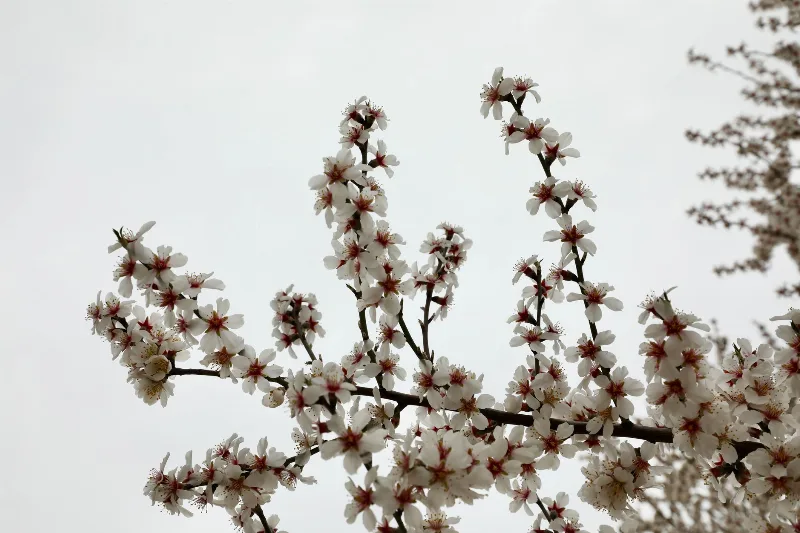
Almond Blossom in Datça, Muğla
On the Datça Peninsula in Muğla, Türkiye, almond trees flower in late winter, usually across February and March. The brief pink-and-white bloom is the peninsula's earliest and most visible sign that spring is arriving.
Datça Almond Orchards and Olive Oil Tradition in Muğla
The Datça peninsula in Muğla pairs a dry, wind-shaped landscape with almond orchards and a long-established olive-oil culture. Its groves, terraces and seasonal harvests reveal a quieter side of the Aegean.

Datça Almonds
Datça almonds are the almonds grown on the Datça peninsula in Muğla province, southwestern Türkiye, where mild Mediterranean winters, sea air and rocky, well-drained slopes have shaped a local almond-growing tradition centred on sweet, firm kernels.
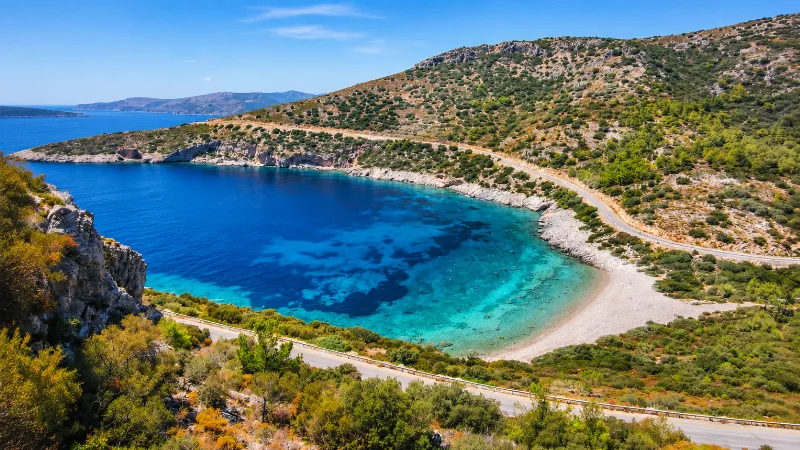
Palamutbükü Beach
Clear Aegean water meets a mixed pebble shoreline at Palamutbükü, a coastal village on Datça’s southern coast. Hills and smaller coves define the peninsula around it.