Palamutbükü Beach
Clear Aegean water meets a mixed pebble shoreline at Palamutbükü, a coastal village on Datça’s southern coast. Hills and smaller coves define the peninsula around it.
Palamutbükü belongs to the more rugged side of the Datça Peninsula. A settlement and beach sit between low hills and the clear Aegean, with pebbles and sand along the waterline. The road through Datça connects it with a succession of small southern coves.
Datça’s Southern Shore
Palamutbükü Beach is found on the southern coast of the Datça Peninsula. Seen within the wider landscape of Datça, Muğla, the coastline includes hills, olive groves and the rugged Datça coastline. The orientation of the land gives the waterfront its recognisable shape, while the view from the shore opens toward the neighbouring coastal terrain. The precise coastal setting matters here: a small coastal settlement within a landscape of successive inlets. This is the main reason the area deserves an individual entry rather than being grouped with the nearest large resort town.
Pebbles, Sand and Clear Water
The beach is characterised by a long beach with pebbles and sand mixed along the shore. In the water, visitors encounter clear water over a varied nearshore seabed. These details help distinguish this shore from other beaches in the region: sediment, depth and whether the water is open or enclosed all shape the visible coastal environment. The material underfoot and the way the coast shelves into the water vary naturally along shorelines. At Palamutbükü Beach, the defining combination is a long beach with pebbles and sand mixed along the shore, alongside clear water over a varied nearshore seabed.
Hills and Olive Groves
The surroundings include hills, olive groves and the rugged Datça coastline. The connection between the shore and this wider terrain is central to the identity of Palamutbükü Beach. Looking back from the beach, or along the coastline, reveals features that are easy to overlook when focusing only on the water. The landscape is best understood as a connected system of landforms and vegetation, with hills, olive groves and the rugged Datça coastline. The surrounding geography remains visible even where the beach itself is comparatively small.
Nearby Datça Coves and Knidos
Within reach of the area are Knidos and the neighbouring Ovabükü and Akçabük inlets. These are useful geographical points of reference for exploring beyond the immediate shore. They connect a visit to Palamutbükü Beach with the cultural and natural features that distinguish this part of Türkiye. These nearby places offer different perspectives on the region. In particular, Knidos and the neighbouring Ovabükü and Akçabük inlets show how coastline, settlements and local history can sit close together without having the same identity.
When the Coast Changes
The region is associated with dry Aegean-Mediterranean summers, with spring suited to coastal exploration. The shore takes on a different appearance under the strong light of summer and the softer conditions of spring or autumn. Wind and day-to-day weather can affect the sea independently of the season, so the view is not identical throughout the year. Travellers visiting mainly for coastal scenery can appreciate the area outside the busiest summer months as well. For swimming, conditions should always be assessed for the particular day.
Roads Across the Peninsula
Travellers can approach the destination by winding peninsula roads from Datça town. Its position in Datça, Muğla is worth considering when planning a broader regional route. The final stretch of access reflects whether the beach lies beside a town, inside a bay or within a more rural landscape. The route gives a sense of the area before reaching the sand or waterfront. Regional road and public-access arrangements may change, particularly at protected locations.
Related content
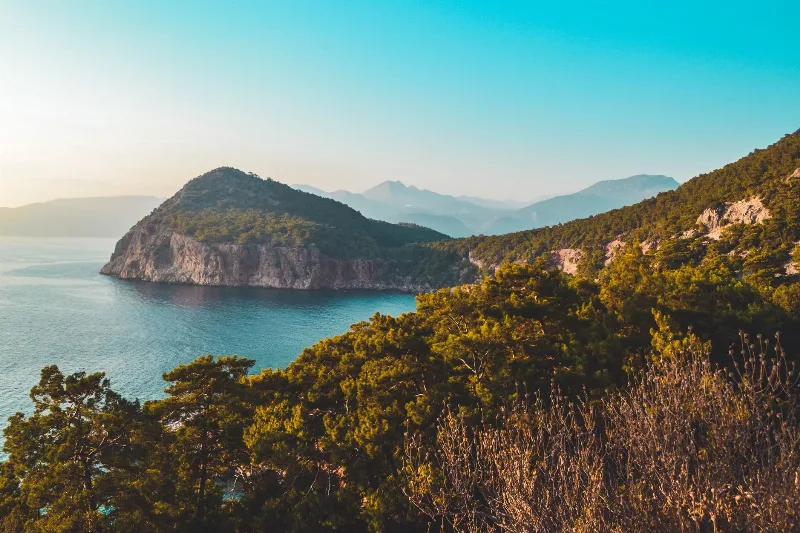
Datça
Datça Peninsula offers serene beaches, lush almond groves, and unspoiled beauty, making it a unique getaway in Türkiye.
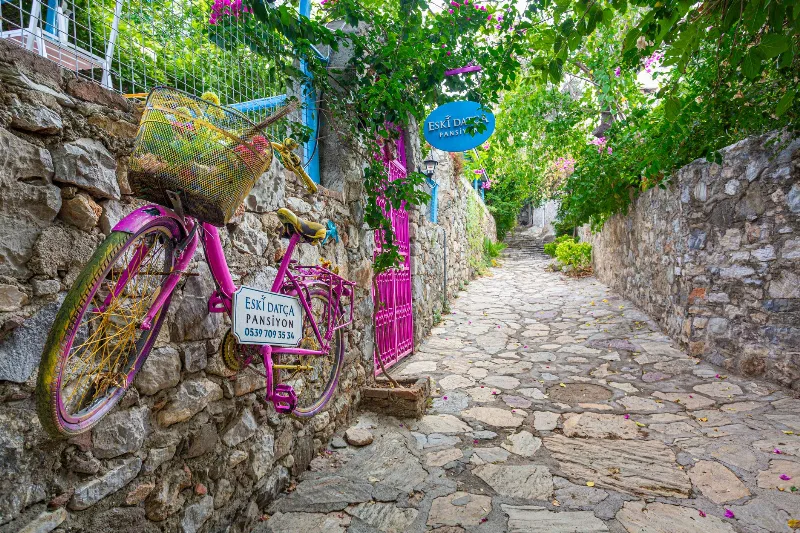
Datça
Datça is a district and small coastal town in Muğla Province, Türkiye, set on the long, narrow peninsula that carries its name and stretches west into the Aegean Sea. It is known for almond groves, pine-covered slopes and a coastline that has kept a quieter, more unspoiled character than the larger resort towns nearby.
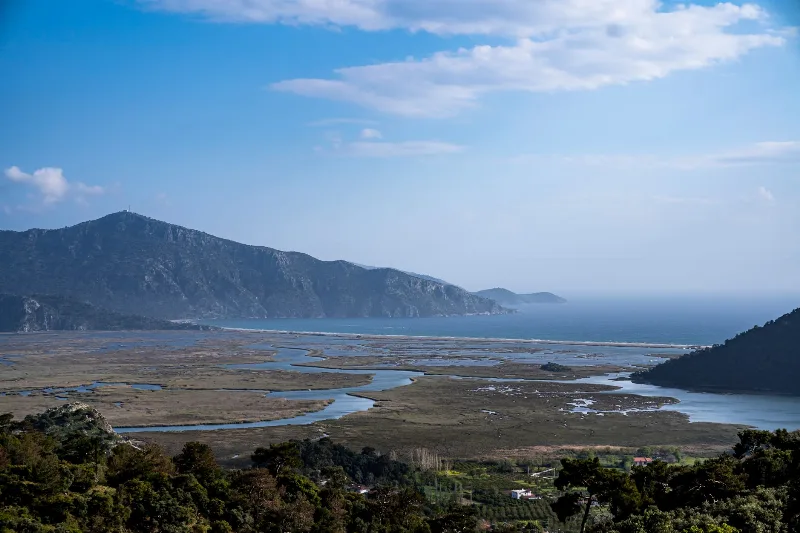
Muğla
Muğla is a captivating province in southwestern Türkiye, renowned for its stunning Aegean coastline and rich cultural heritage.
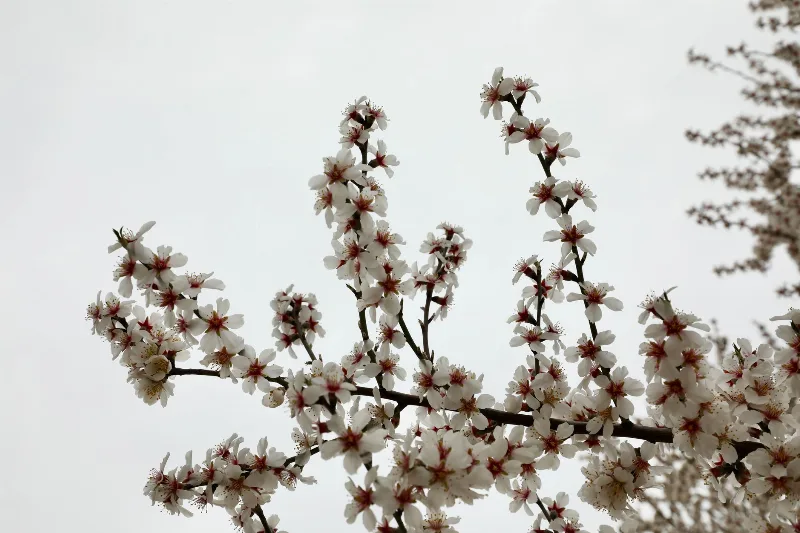
Almond Blossom in Datça, Muğla
On the Datça Peninsula in Muğla, Türkiye, almond trees flower in late winter, usually across February and March. The brief pink-and-white bloom is the peninsula's earliest and most visible sign that spring is arriving.
Datça Almond Orchards and Olive Oil Tradition in Muğla
The Datça peninsula in Muğla pairs a dry, wind-shaped landscape with almond orchards and a long-established olive-oil culture. Its groves, terraces and seasonal harvests reveal a quieter side of the Aegean.

Datça Almonds
Datça almonds are the almonds grown on the Datça peninsula in Muğla province, southwestern Türkiye, where mild Mediterranean winters, sea air and rocky, well-drained slopes have shaped a local almond-growing tradition centred on sweet, firm kernels.