Datça
Datça Peninsula offers serene beaches, lush almond groves, and unspoiled beauty, making it a unique getaway in Türkiye.
Located on the southwestern coast of Türkiye, the Datça Peninsula is a hidden gem that offers a peaceful retreat from the bustling tourist hubs. Known for its tranquil atmosphere, this picturesque peninsula is celebrated for its stunning landscapes, charming almond groves, and untouched natural beauty.
Character and Atmosphere
Datça is renowned for its serene and laid-back vibe. Unlike more commercialized destinations, it retains a rustic charm that appeals to those seeking a more authentic experience. The area is dotted with traditional villages and offers a genuine sense of local life, making it an ideal spot for relaxation and rejuvenation.
Places Worth Knowing
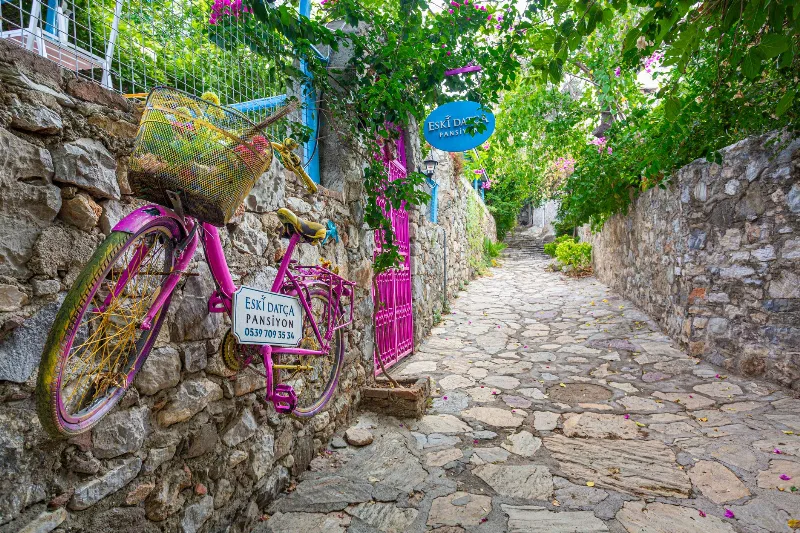
The old town of Datça, known as Eski Datça, is a must-visit for its narrow cobblestone streets and stone houses adorned with vibrant bougainvillea. Another notable area is Knidos, an ancient city with ruins that overlook the sea, providing a glimpse into the region’s historical significance.
Nature and Surroundings
The peninsula boasts a rugged landscape with lush green hills and secluded coves. The almond trees, which bloom spectacularly in the spring, add a unique character to the area, painting the landscape with their delicate pink and white flowers.
Coastline and Beaches
Datça's coastline is lined with pristine beaches that offer crystal-clear waters and stunning vistas. Some of the most popular beaches include Palamutbükü, Ovabükü, and Hayıtbükü, each providing a perfect setting for sunbathing, swimming, and enjoying the natural surroundings.
Local Food
Culinary enthusiasts will appreciate Datça’s local cuisine, which features fresh seafood and traditional Turkish dishes. The area is also known for producing high-quality almonds and honey, which can be sampled in local markets and eateries.
Best Time to Visit
The best time to visit Datça is during the spring and fall when the weather is pleasant and the crowds are sparse. This allows visitors to fully appreciate the natural beauty and tranquility of the peninsula without the hustle and bustle of peak tourist season.
Nearby Places
For those looking to explore further, the nearby town of Marmaris offers a contrast with its lively atmosphere and vibrant nightlife. However, returning to the peace of Datça after a day trip can be a refreshing change.
Discover Food in Türkiye
All food →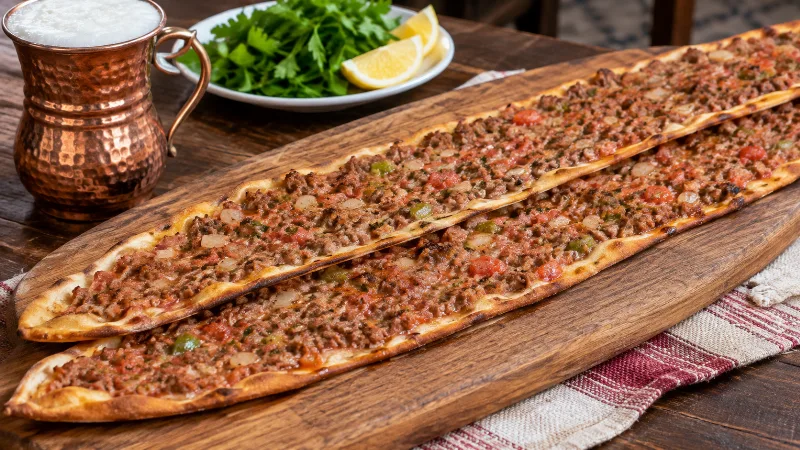
Etli Ekmek
Konya etli ekmek is a long, very thin flatbread topped with finely minced meat, onion and vegetables, then baked quickly in a high-heat oven.
Explore →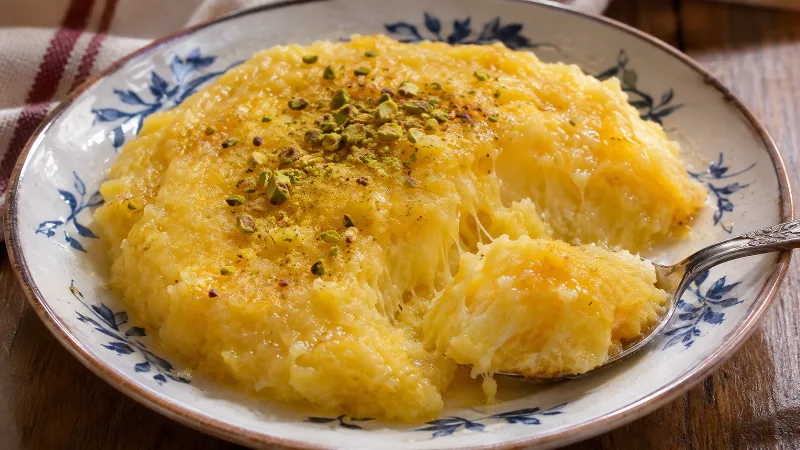
Höşmerim
Höşmerim is a traditional cheese-based sweet associated especially with Balıkesir, made by cooking fresh cheese with semolina and sugar into a soft dessert.
Explore →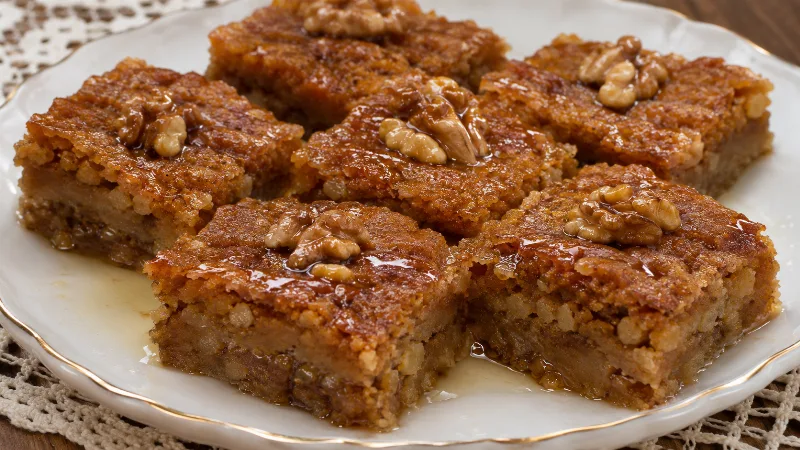
Nevzine Tatlısı
Nevzine is a traditional Kayseri dessert made with a tahini-rich dough, walnuts and a syrup commonly prepared with grape molasses.
Explore →Related content
Eski Datça
In Eski Datça, pale stone houses, bougainvillea-lined lanes and intimate courtyards tell the story of a peninsula settlement distinct from the modern waterfront.
Nature
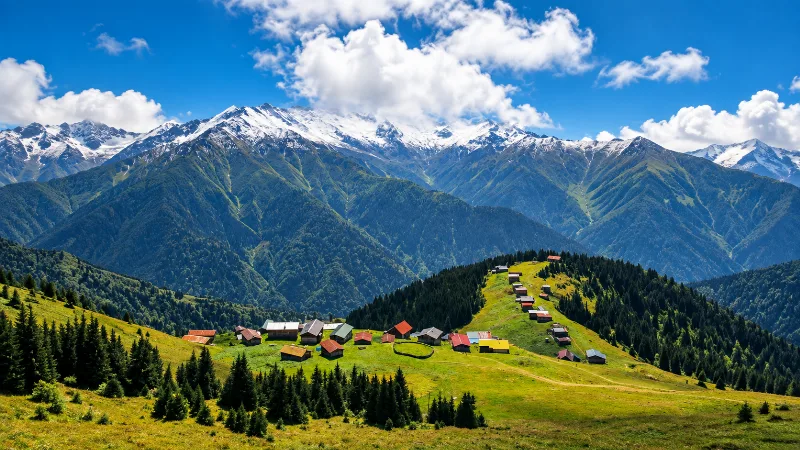
Lakes, forests, rivers, canyons, mountains, wetlands and national parks across Türkiye.
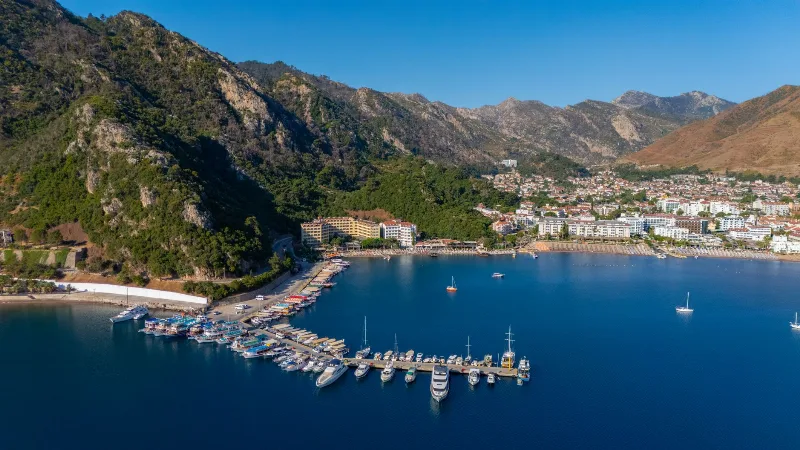
Marmaris
Marmaris is a dynamic port city on the Turquoise Coast, known for its vibrant marinas and lively nightlife, offering scenic harbor views.
Datça
Datça is a district and small coastal town in Muğla Province, Türkiye, set on the long, narrow peninsula that carries its name and stretches west into the Aegean Sea. It is known for almond groves, pine-covered slopes and a coastline that has kept a quieter, more unspoiled character than the larger resort towns nearby.
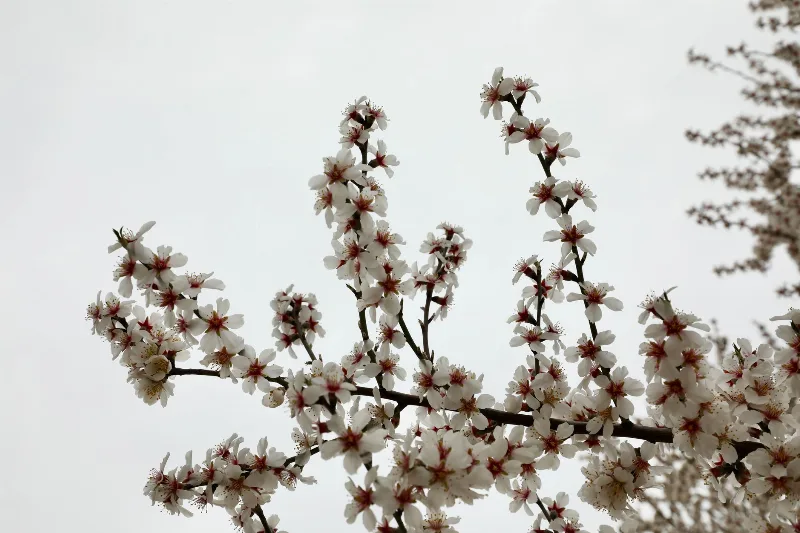
Almond Blossom in Datça, Muğla
On the Datça Peninsula in Muğla, Türkiye, almond trees flower in late winter, usually across February and March. The brief pink-and-white bloom is the peninsula's earliest and most visible sign that spring is arriving.
Datça Almond Orchards and Olive Oil Tradition in Muğla
The Datça peninsula in Muğla pairs a dry, wind-shaped landscape with almond orchards and a long-established olive-oil culture. Its groves, terraces and seasonal harvests reveal a quieter side of the Aegean.