Nevzine Tatlısı
Nevzine is a traditional Kayseri dessert made with a tahini-rich dough, walnuts and a syrup commonly prepared with grape molasses.
A dessert from Kayseri
Nevzine tatlısı is associated with Kayseri in central Anatolia. It is a baked dessert whose flavour comes from the combination of tahini, walnuts and a syrup that commonly includes grape molasses. Unlike syrup-soaked pastries made from many thin layers, nevzine is generally prepared as a single dough mixture that is baked in a tray and cut into portions. Its texture is firm enough to hold its shape but becomes moist as the syrup is absorbed.
Preparing the tahini and walnut dough
The dough commonly combines flour, tahini, butter or another fat, yoghurt and a raising agent, with chopped walnuts mixed through or added as part of the preparation. Exact proportions vary between household recipes. Tahini contributes both flavour and fat, while yoghurt can help create a tender crumb. The mixture should be combined until it forms a manageable dough rather than kneaded as extensively as bread. Too much flour can make the baked dessert dry and dense; too little can prevent it from holding its shape. The walnuts add texture and a slightly bitter note that balances the sweetness.
Shaping and baking
The prepared dough is spread into a baking tray and levelled so it cooks evenly. Some cooks score the surface before baking, marking the portions that will later be cut. A fork or other simple tool may be used to create shallow patterns. The tray is baked until the surface becomes golden and the centre is cooked through. Allowing the dessert to bake evenly is important because the syrup will not correct an undercooked centre.
The grape-molasses syrup
Nevzine is commonly finished with a syrup made from sugar and water, with grape molasses added for its darker colour and deeper flavour. Some recipes use a different balance of these ingredients, so the finished sweetness and intensity can vary. The syrup is prepared separately and poured over the baked dough according to the preferred method. The temperature of the syrup and the dessert affects how quickly it is absorbed. The aim is to moisten the crumb without leaving the portions swimming in liquid. After resting, the dessert becomes more cohesive and the tahini, walnut and molasses flavours settle together.
Serving and regional identity
Nevzine is usually served in small squares or diamond-shaped portions, often at room temperature. Its richness means that modest pieces are generally sufficient, especially after a substantial meal. The dessert may be presented plain, since the tahini, walnuts and molasses already provide a strong flavour combination. It is associated with Kayseri’s home cooking and local food culture, although individual recipes differ. Nevzine should not be confused with other regional syrup desserts simply because they share a baked base. Its identity comes from the particular use of tahini and grape molasses, which distinguish it from lighter, more delicate pastries.
Related content
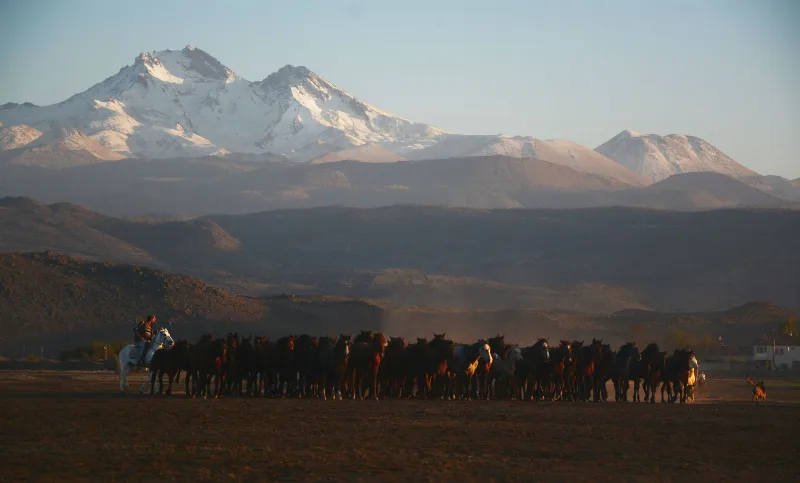
Kayseri
Kayseri is a major inland city in Central Anatolia, set on a plain at the foot of Mount Erciyes, and known for its Seljuk architecture, its manufacturing economy and a food culture built on pastırma and mantı.
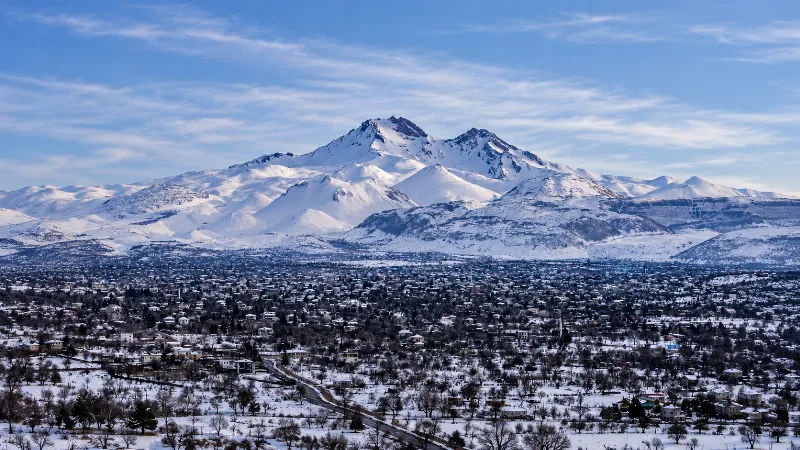
Kayseri and the Art of Turkish Pastry Making
In the Anatolian city of Kayseri, thin sheets of dough are rolled, filled and layered into pastries that anchor everyday meals and festive tables alike.
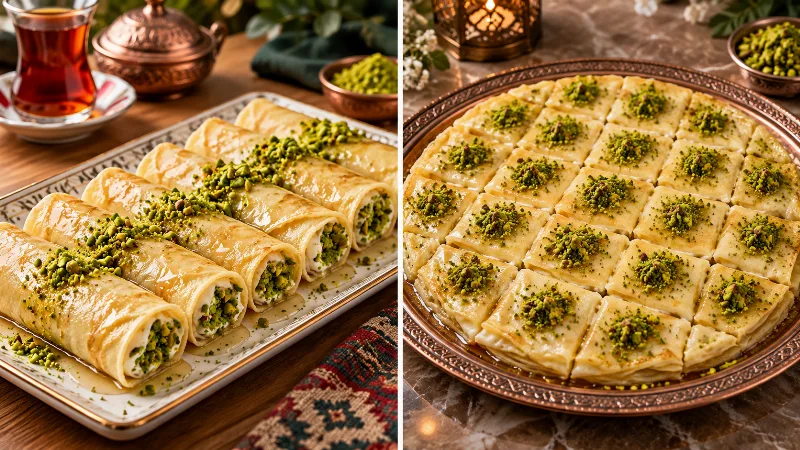
Şıllık Tatlısı
A traditional Şanlıurfa dessert made with thin pancakes, walnuts and sweet syrup.
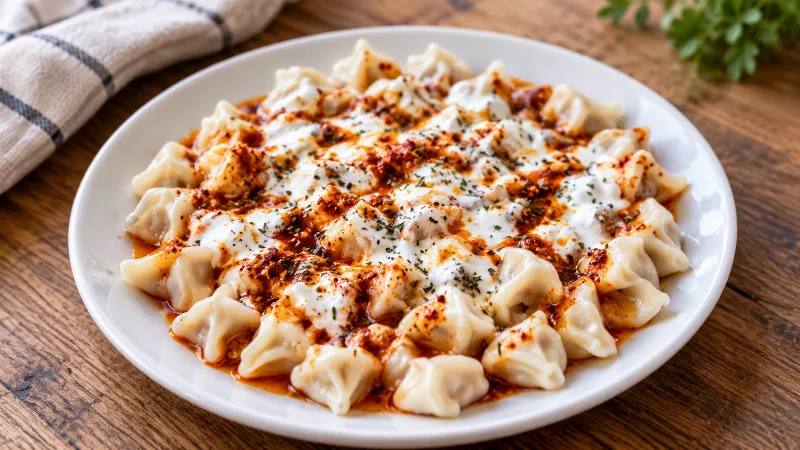
Kayseri Mantısı
Small Turkish dumplings traditionally associated with Kayseri, served with garlic yogurt and seasoned butter.
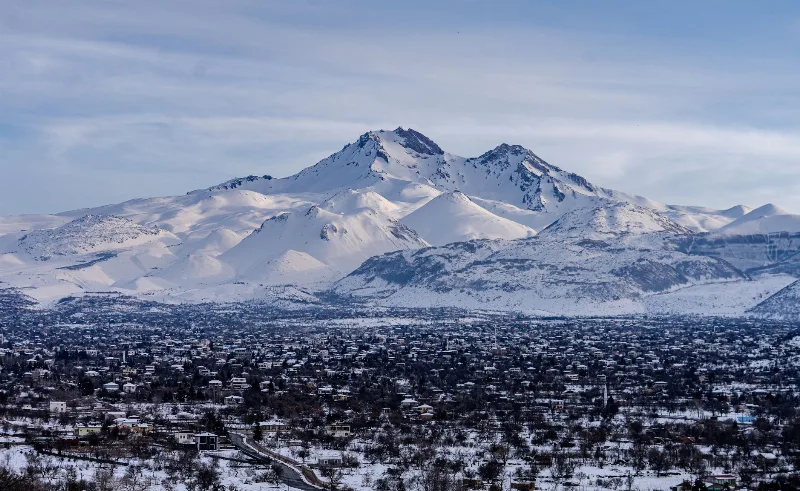
Snow Season in Erciyes, Kayseri
Erciyes, the dormant volcano rising south of Kayseri, carries a reliable snow cover from roughly December into March, transforming its bare upper flanks into one of Central Anatolia's main winter playgrounds. The exact start and end of that cover shifts each year with snowfall and temperature.
Soğanlı Valley Rock Churches and Fairy Chimneys in Kayseri
Soğanlı Valley in Kayseri Province hides a quiet landscape of cone-shaped rock formations, cave dwellings and painted Byzantine churches carved directly into the soft volcanic stone.