
Soğanlı Valley Rock Churches and Fairy Chimneys in Kayseri
Soğanlı Valley in Kayseri Province hides a quiet landscape of cone-shaped rock formations, cave dwellings and painted Byzantine churches carved directly into the soft volcanic stone.
Soğanlı Valley sits in the Yeşilhisar district of Kayseri Province, in the rural hinterland south-west of the city of Kayseri. It is a place where geology and human history are difficult to separate: soft volcanic tuff has been eroded into cone-shaped pillars, and the same stone has been hollowed out over centuries to make houses, storerooms, dovecotes and churches. Compared with the better-known valleys of the region, Soğanlı remains a working village landscape, with orchards, poplar trees and small fields running up to the base of the rock.
Where the Valley Lies and How It Was Formed
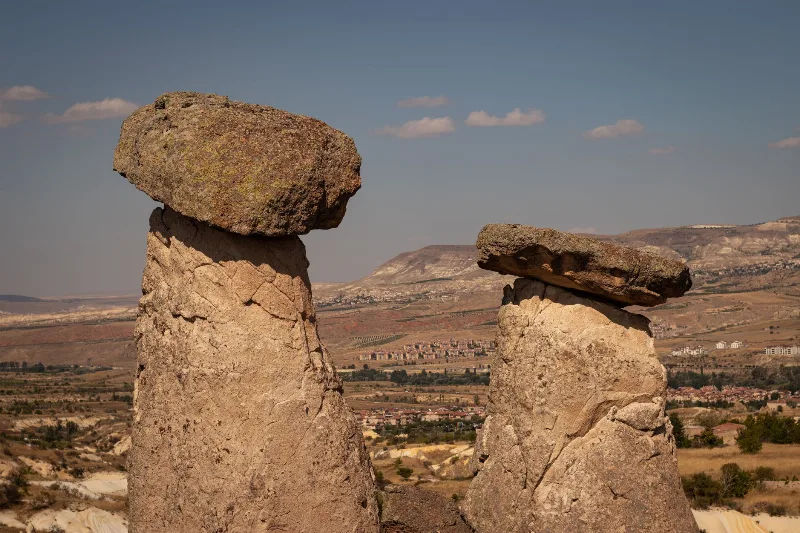
The valley takes its name from Soğanlı, a village strung along the floor of a shallow basin surrounded by eroded ridges. The rock here is tuff, a relatively soft stone laid down by volcanic ash falls associated with the great volcanoes of central Anatolia, including Erciyes. Because tuff is easy to cut but hardens on exposure to air, it has long been used for building and for carving. Wind, rain and seasonal meltwater have since sculpted the same deposits into the tapering cones and capped pinnacles that give the valley its distinctive outline.
The result is a landscape of small canyons, sheltered hollows and freestanding rock towers, some of them pierced with windows and doorways. Colour changes with the light: the stone reads pale grey and cream in the morning and warms to ochre and pink towards evening.
The Rock-Cut Churches of Soğanlı
Soğanlı is best known for its churches cut into the rock, most of them associated with the Byzantine period and with the Christian communities that lived in the valley before the population exchanges of the early twentieth century. The churches are modest in scale but remarkable in preservation. Several retain painted decoration on their walls and ceilings, including figures of saints, crosses and geometric bands in red, ochre and dark blue.
Among the most visited are the Domed Church, whose central dome is carved from the living rock, the Hidden Church, reached through a narrow passage, the Snake Church, named for a painted serpent, and the Karabaş Church, which preserves cycles of frescoes across its vault. Others, such as the Buck Church and the Wooden Church, are smaller chapels tucked into the cliff faces. Because the interiors are dark and the pigment is fragile, visitors usually come with a torch and keep a respectful distance from the painted surfaces.
Architecture and Decoration
The churches follow a recognisable pattern: a short entrance corridor, a barrel-vaulted nave, an apse oriented eastwards, and benches or graves cut into the side walls. Many façades are little more than a plain opening in the rock, which makes the painted interiors all the more striking. Decorative programmes vary from simple red crosses to fairly elaborate narrative scenes, suggesting that the valley supported a settled monastic or parish life over a long period.
Fairy Chimneys and the Wider Landscape
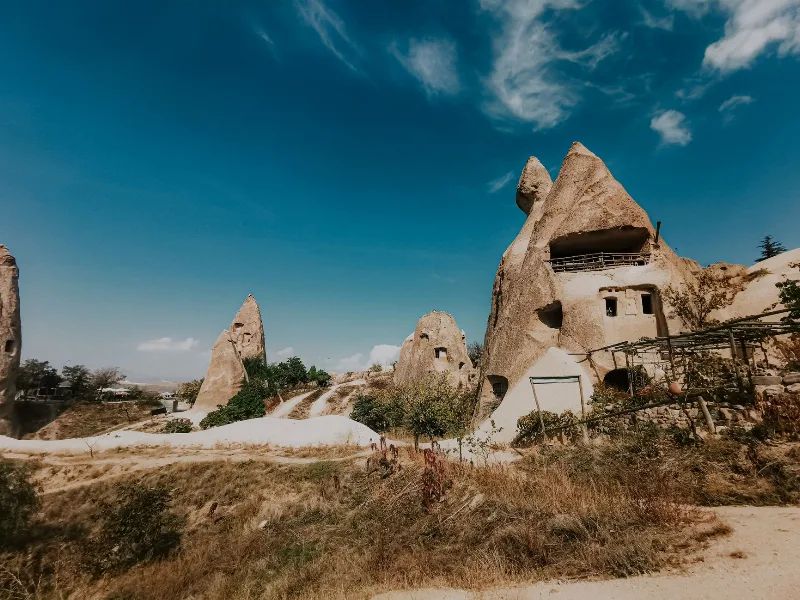
The fairy chimneys of Soğanlı are smaller and more scattered than the celebrated formations further west, but they have their own character. Some stand as isolated sentinels above the orchards; others cluster into walls of stone with former dwellings cut into their bases. A number still show the marks of use: sockets for beams, carved shelves, ventilation shafts and the small square openings of pigeon houses, where droppings were once collected as fertiliser for the valley's vines and fruit trees.
Between the rock outcrops, the ground is cultivated. Apricot, apple and mulberry trees grow alongside walnut and poplar, and kitchen gardens occupy the flatter ground. In spring the valley floor turns green while the ridges remain bare; in autumn the poplars along the stream beds turn gold.
Village Life and Traditional Buildings
Soğanlı itself is a small settlement of stone houses, some built against the rock and others constructed from cut tuff blocks, with flat or gently pitched roofs and walled courtyards. Alongside the cave churches, the village has a mosque and a number of old fountains and communal spaces that reflect the mixed heritage of the area. Handicrafts are modest but present: textiles, lacework and small wood items appear in village homes, and the surrounding fields produce fruit, grain and pulses.
The valley also contains the remains of older settlement, including rock-cut tombs and storage rooms, which indicate that the site was inhabited long before the churches were painted.
Walking and Exploring the Valley
Most of the main churches and rock formations can be reached on foot from the village within a few hours, following paths that thread between the cones and along the dry stream beds. Sturdy shoes are useful, as the paths are uneven and the tuff surface can be slippery. Warmer months bring dust and strong sun, so early mornings are generally the most comfortable time to walk, while cooler weather reveals the landscape with fewer distractions.
Soğanlı works well as a half-day or full-day excursion from Kayseri or from the towns around Niğde, and it combines naturally with other rural valleys in the same district. Its appeal lies less in spectacle than in the quiet relationship between village life, carved stone and a geology that has shaped both.
Related content
Soğanlı
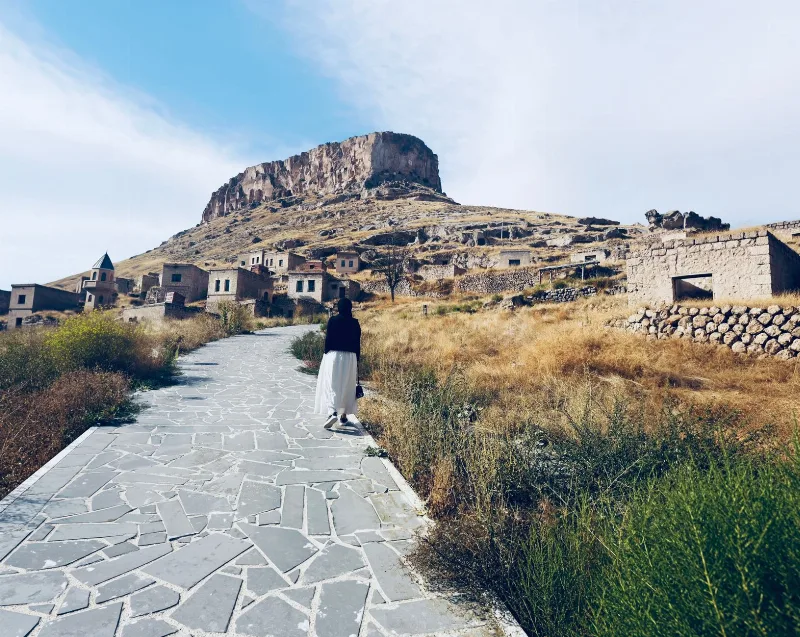
Soğanlı is a small village in Kayseri Province, Türkiye, set in a secluded Cappadocian valley known for its rock-cut churches with Byzantine frescoes. It offers a quiet, rural alternative to the more visited Cappadocia sites.
Kayseri
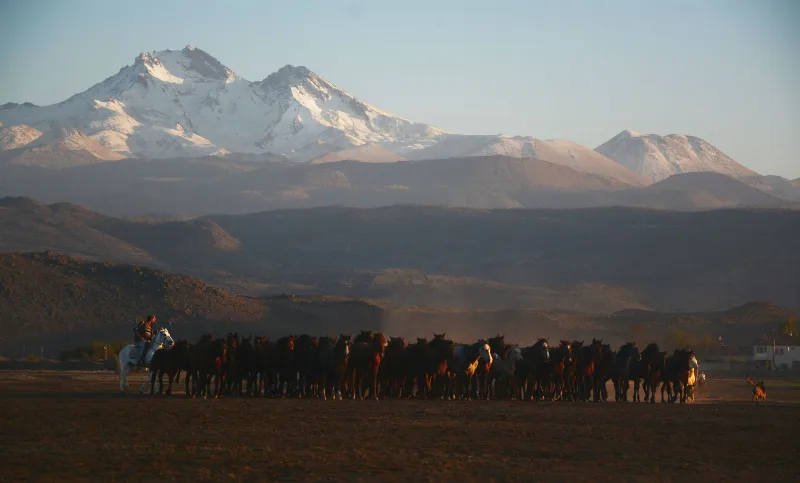
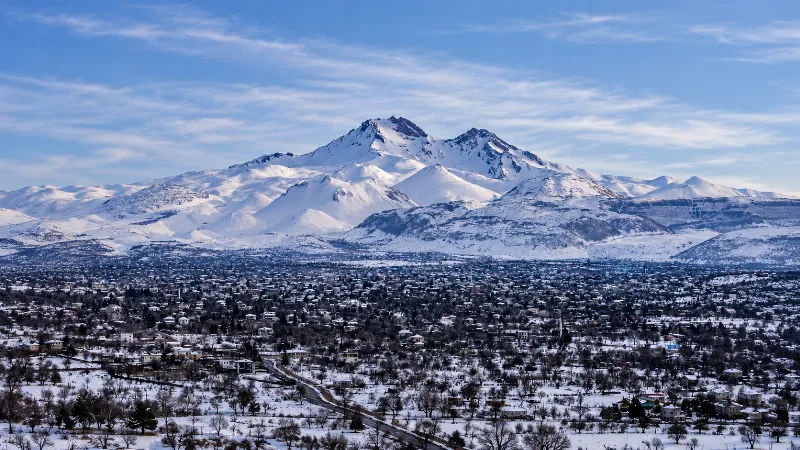
Kayseri is a major inland city in Central Anatolia, set on a plain at the foot of Mount Erciyes, and known for its Seljuk architecture, its manufacturing economy and a food culture built on pastırma and mantı.
Cappadocia
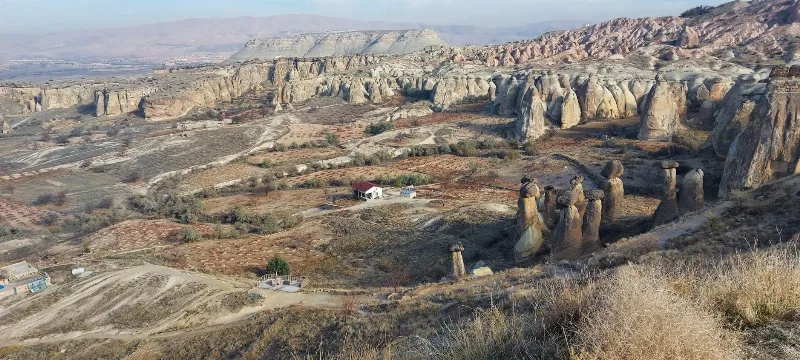
Cappadocia is a region of Central Anatolia in Turkey defined by eroded volcanic tuff, rock-cut Byzantine churches and multi-level underground cities. This guide explains how the landscape formed, what the main valleys and sites actually contain, and what to know before visiting.
Kayseri and the Art of Turkish Pastry Making
In the Anatolian city of Kayseri, thin sheets of dough are rolled, filled and layered into pastries that anchor everyday meals and festive tables alike.
Central Anatolia Region
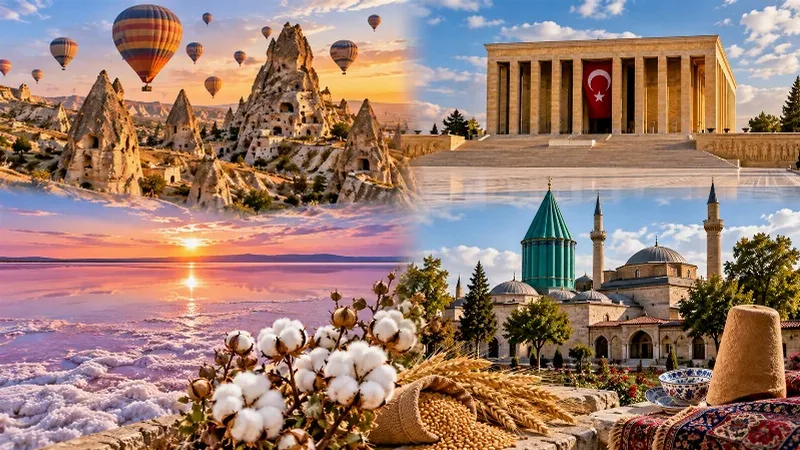
Central Anatolia is the historic heartland of Türkiye, known for its wide plains, extraordinary rock formations, ancient civilizations and traditional towns. From the fairy chimneys of Cappadocia to the cultural landmarks of Ankara and Konya, the region reveals the rich history and natural beauty of inner Anatolia.
The Allure of Cappadocia's Fairy Chimneys
Explore the unique geological formations known as fairy chimneys in Cappadocia, a region celebrated for its extraordinary natural beauty and rich history.
Göreme National Park
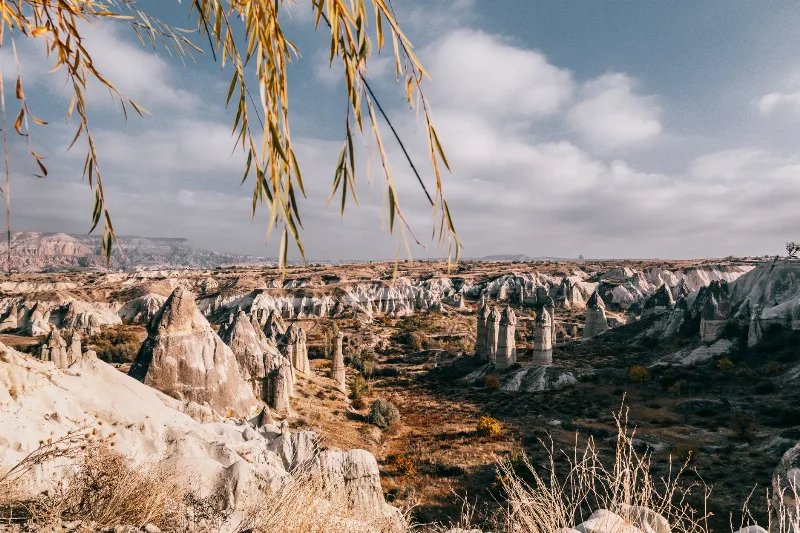
Göreme National Park is a protected volcanic landscape on the Cappadocia plateau in Nevşehir Province, Türkiye, defined by eroded tuff cones known as fairy chimneys and by settlements carved into the same soft rock.
Cappadocia's Fairy Chimneys
Cappadocia's fairy chimneys are iconic natural formations that captivate visitors with their unique shapes and historical significance.