
Watermelon Harvest in Adana
The watermelon harvest in Adana, Turkey, takes place in July and August. The region's hot climate and fertile soil produce exceptionally sweet, large watermelons, making this a distinctive seasonal event in the Çukurova Plain.
Each summer, Adana becomes the centre of Turkey's watermelon production as the harvest season begins. Located in the Çukurova Plain in southern Turkey, this region is known for its watermelons, which are typically harvested in July and August. The combination of high temperatures, abundant sunshine, and fertile alluvial soil creates ideal conditions for growing exceptionally sweet and large fruit. This period is distinctive because it marks the culmination of the watermelon growing cycle, when fields that were planted in spring yield their crop, and the local agricultural landscape is dominated by the activity of picking, collecting, and transporting watermelons.
The Watermelon Growing Cycle in Adana
Watermelon cultivation in Adana follows a seasonal rhythm that is closely tied to the Mediterranean climate. Planting usually takes place in spring, once the risk of frost has passed and the soil has warmed sufficiently. The vines then grow rapidly through the warm days of late spring and early summer. By July, the first watermelons are typically ready for harvest, and the season generally extends through August, sometimes into early September depending on weather conditions and the specific planting schedule. The timing can shift from year to year: a cooler spring may delay ripening, while an exceptionally hot spell can accelerate it.
Why Adana's Climate Produces Distinctive Watermelons
Adana's summer weather is characterised by intense heat, with daytime temperatures often exceeding 35°C and occasionally reaching higher. These conditions, combined with long hours of sunshine and the availability of irrigation water from the Seyhan and Ceyhan rivers, allow watermelon plants to thrive. The heat promotes the accumulation of sugars in the fruit, which is why watermelons from this region are often described as particularly sweet. The size of the fruit also benefits from the long growing season and the fertile soil of the Çukurova Plain, one of Turkey's most productive agricultural areas. The result is a harvest of large, flavourful watermelons that are sought after in markets across the country.
Timing the Harvest: What to Expect in July and August
For visitors interested in seeing the harvest, the core period is generally from early July to late August. During this window, the fields are active with the process of harvesting. However, the exact start and peak of the season vary annually. Factors such as spring temperatures, rainfall, and the specific varieties grown can influence when the watermelons reach maturity. In some years, the first harvest might begin in late June, while in others it may not start until mid-July. Similarly, the season may end earlier if a cool spell arrives, or continue longer if the heat persists. Therefore, it is best to think of July and August as the typical months, with the understanding that nature does not follow a fixed calendar.
What Happens During the Watermelon Harvest
During the harvest, farmers and workers move through the fields, selecting ripe watermelons by checking the tendril at the stem, the sound when tapped, and the colour of the underside. The picked fruit is then gathered, often into large piles or directly into trucks, and transported to sorting areas or markets. The landscape becomes dotted with watermelons of various sizes, and the roads in rural Adana may see increased traffic of agricultural vehicles. For an observer, the scene is one of intense agricultural activity, set against the backdrop of the hot, sunny plain. The harvest is not a single-day event; it is a continuous process that lasts for several weeks, as different fields reach maturity at slightly different times.
Weather Conditions and Their Impact
Weather plays a crucial role in the watermelon season. The heat of July and August is what drives the final ripening, but extreme conditions can also pose challenges. Prolonged heatwaves may require additional irrigation, while sudden heavy rains—rare in summer but possible—can affect the harvest schedule. The dry, sunny days are generally favourable, but farmers must monitor the crop closely to avoid over-ripening in the field. For visitors, the weather during the harvest season is typically very hot and humid, so anyone planning to observe the activity should be prepared for high temperatures and strong sun. Early mornings or late afternoons are often more comfortable for being outdoors.
Local Traditions and Community Involvement
The watermelon harvest is a significant time in the agricultural calendar of Adana. While it is primarily a commercial activity, it also has a social dimension. In some villages, the end of the harvest or the peak of the season is marked by informal gatherings. These may include shared meals featuring fresh watermelon and other local produce, but they are not formal festivals with fixed dates. In some years, local communities organise small-scale festivities to mark the harvest, but these vary from year to year and are not widely publicised. Visitors should not expect a large organised festival; instead, they might encounter spontaneous celebrations or local markets where watermelons are sold directly by growers.
What Visitors Can Realistically Observe
If you travel to Adana during July or August, you can expect to see watermelon fields in various stages of harvest. The fields are usually located in the rural areas around the city, particularly in the districts of Yüreğir, Ceyhan, and Karataş. You may see workers picking watermelons, tractors and trucks moving along rural roads, and roadside stands selling the fruit. The sheer volume of watermelons is impressive, and the sweet smell of cut fruit may linger near market areas. However, the harvest is a working environment, not a tourist attraction. Visitors should be respectful of the workers and ask permission before entering private fields. The best way to experience the season is to drive through the countryside, stop at a local market, and perhaps taste a freshly harvested watermelon.
Nearby Seasonal Connections
Adana's watermelon harvest is part of the broader summer agricultural season in the Çukurova Plain. During the same period, other crops such as tomatoes, peppers, and citrus may also be harvested, contributing to the region's reputation as a major food producer. The nearby city of Mersin, to the west, also has a watermelon growing tradition, and the entire eastern Mediterranean coast of Turkey experiences a similar hot, dry summer. For those interested in seasonal agriculture, the harvest in Adana offers a window into the rhythms of rural life in southern Turkey. The timing, however, always depends on the weather, so it is wise to check local conditions if you plan to visit specifically for the harvest.
EXPLORE BY THEME
All themes →
Villages
Small settlements, traditional architecture and rural landscapes across Türkiye.
Explore →
Nature
Lakes, forests, rivers, canyons, mountains, wetlands and national parks across Türkiye.
Explore →
Seasonal Experiences
Harvests, festivals, natural seasons and local events throughout the year.
Explore →Related content
Adana
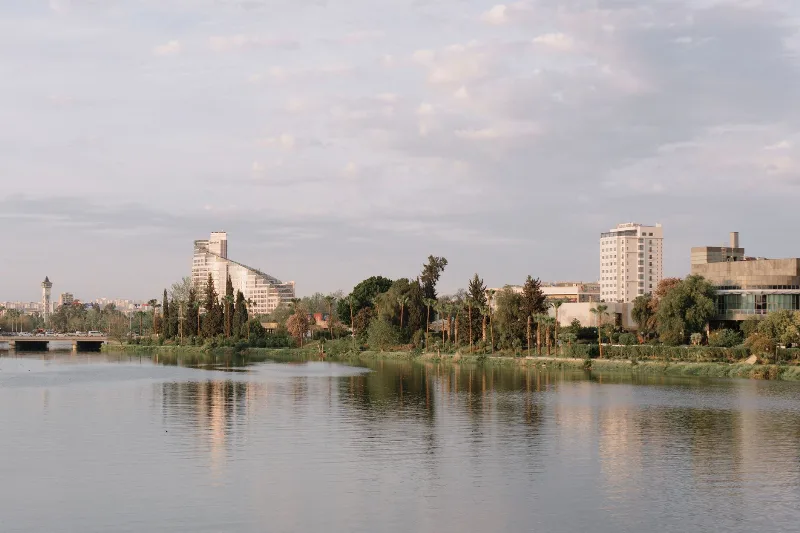
Adana is a major metropolitan city in southern Türkiye and the urban heart of the Çukurova plain, defined by the Seyhan River, a Roman-era stone bridge and a deeply rooted kebab and agricultural culture.
Ceyhan River Cotton Fields in Adana
The Ceyhan River crosses the Çukurova plain east of Adana, where irrigated cotton fields shape one of Türkiye's most distinctive agricultural landscapes.
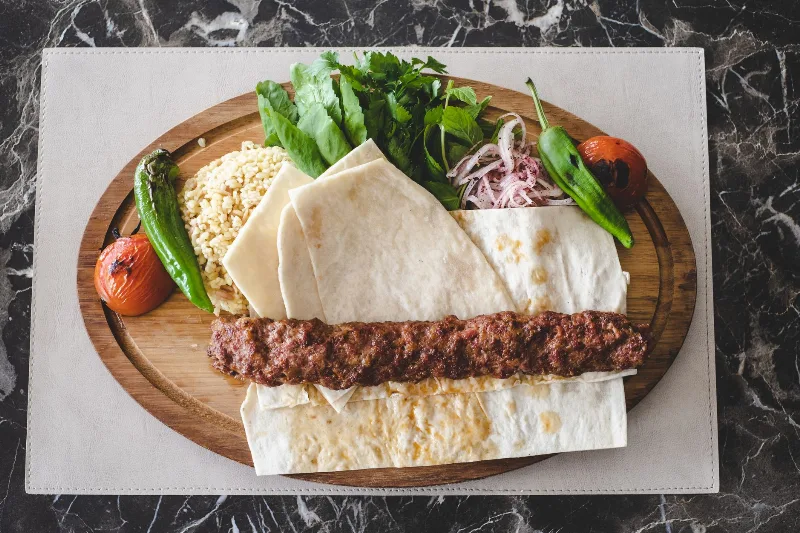
Adana Kebap: Spicy Hand-Minced Lamb Kebab from Adana
Adana kebap is a charcoal-grilled minced lamb kebab from the Çukurova plain, defined by hand-chopped meat, tail fat and generous chilli heat. This article explains its ingredients, preparation, flavour and how it differs from Urfa kebap.
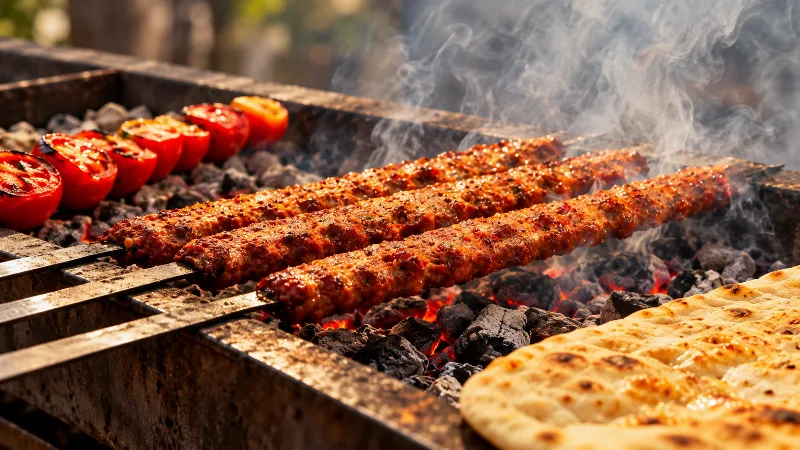
Adana Kebabı
Adana kebabı is a spicy minced-lamb kebab from the southern Turkish city of Adana, moulded onto wide flat skewers and grilled over charcoal. Its heat, its hand-chopped meat and its distinctive flat skewer set it apart from other Turkish kebabs.
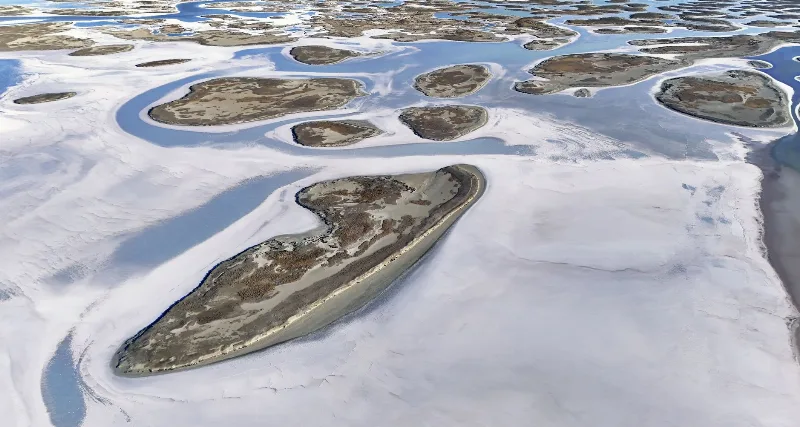
Yumurtalık Lagoon
This Adana wetland combines shallow brackish water, delta marshes and coastal sand to create one of southern Türkiye's important waterbird habitats. It is a place of flat horizons, seasonal water shifts and concentrated bird life rather than dramatic scenery.
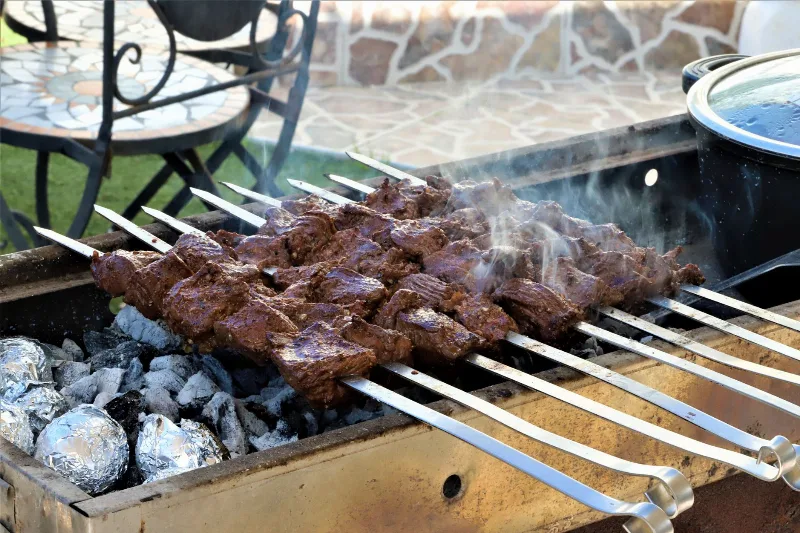
Urfa Kebabı
Urfa Kebabı is a charcoal-grilled minced lamb kebab from Şanlıurfa, seasoned without hot pepper and pressed onto long flat skewers. Its mild, juicy character places it alongside — and directly against — the spicier Adana kebabı.