
Ceyhan River Cotton Fields in Adana
The Ceyhan River crosses the Çukurova plain east of Adana, where irrigated cotton fields shape one of Türkiye's most distinctive agricultural landscapes.
The Ceyhan River rises in the highlands around Kahramanmaraş, gathers water from a network of tributaries across the eastern Taurus Mountains, and then descends onto the broad Çukurova plain before reaching the Mediterranean. Along its lower course, east of Adana, the river passes through some of the most productive farmland in Türkiye, where cotton fields spread in wide geometric blocks towards the horizon. For anyone travelling through the region in late summer, the white bolls opening across these fields are among the plain's most memorable sights.
A River Fed by Mountain Snow
The Ceyhan is one of the larger rivers of southern Türkiye. Its headwaters lie in the cool uplands of the eastern Taurus, and several tributaries, including the Göksun, Hurman and Aksu, join it as it cuts southwards through narrow valleys. Snowmelt from the mountains raises the river's flow in spring, while the summer months bring a steadier, gentler current. Over a very long period, the river has carried fine sediment downstream and spread it across the plain, helping to create the deep alluvial soils on which local agriculture depends.
Cotton and the Character of the Çukurova
Cotton has been grown on the Çukurova for centuries and remains the crop most closely associated with the region. The plain offers what the plant needs: a long frost-free season, hot summers, and abundant water for irrigation. Sowing usually takes place in April and May, when the fields are bare and neatly furrowed. Through June and July the plants grow into dense green rows, flowering in pale yellow and pink before the bolls begin to form. By late August the capsules open and the landscape gradually turns white, a transformation that continues through the harvest, which generally runs into October.
Irrigation Channels and Field Patterns
Water is the organising principle of the plain. Canals and concrete-lined channels branch away from the river and from larger irrigation systems, carrying water to rectangular plots divided by low earth banks. Farm tracks, small bridges and pumping stations punctuate the grid, and during the growing season the fields are worked by tractors and sprayers moving between the rows. Ginning plants in the nearby towns process the crop once it leaves the fields, linking the rural landscape to a wider network of handling and trade that has supported the local economy for generations.
Villages Along the Riverbank
Settlements line the Ceyhan's lower course, many of them small communities whose daily rhythm follows the farming calendar. Village houses often combine brick and concrete with older elements such as shaded courtyards and flat roofs suited to hot weather. In the harvest season, families and seasonal workers spend long hours in the fields, and the roadside tea houses fill in the evenings. Local markets sell produce grown alongside the cotton, giving visitors a sense of how closely the river, the soil and everyday life are connected.
The Delta Where the River Meets the Sea
South of the cotton belt, near Karataş, the Ceyhan reaches the Mediterranean and spreads into a delta of reed beds, lagoons and sandy shoreline. Fresh water meets salt here, creating brackish habitats that support waterbirds, fish and dense waterside vegetation. The contrast is striking: within a short distance, irrigated fields give way to dunes, marsh and open sea. The delta is also a reminder of how the river has shaped the coastline itself, depositing silt carried from the mountains over thousands of years.
A Wider Farming Landscape
Cotton dominates the picture, but it is rarely grown alone. Wheat, maize, citrus, watermelons and vegetables are cultivated across the same plain, often in rotation with the fibre crop to maintain soil health and spread risk between seasons. Orchards and vegetable plots appear between the larger fields, and irrigation channels serve all of them. Together these crops make the Çukurova one of Türkiye's most important agricultural regions, and they give the riverside landscape its varied texture throughout the year, from the fresh green of spring to the gold and white of late summer.
Related content
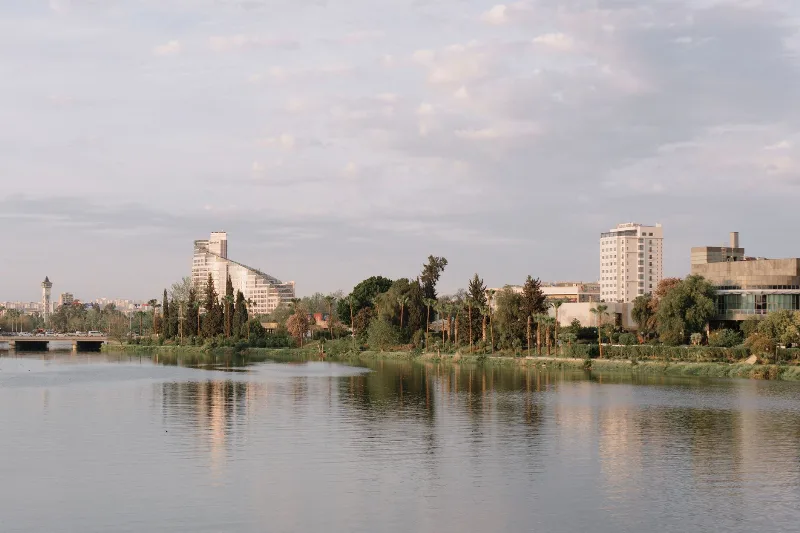
Adana
Adana is a major metropolitan city in southern Türkiye and the urban heart of the Çukurova plain, defined by the Seyhan River, a Roman-era stone bridge and a deeply rooted kebab and agricultural culture.
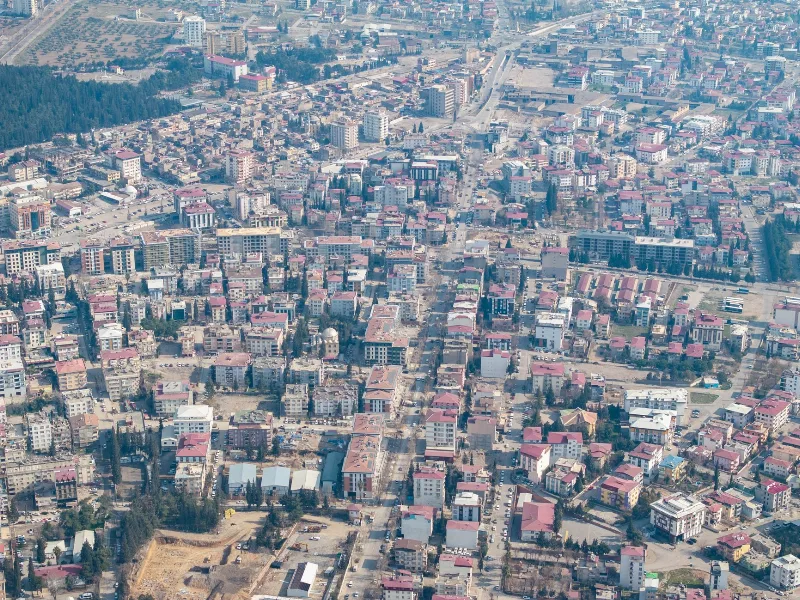
Kahramanmaraş
Kahramanmaraş is an inland city in southern Türkiye, set on a plain below the Taurus Mountains, known worldwide for its elastic salep-based dondurma and for a textile industry built on denim.
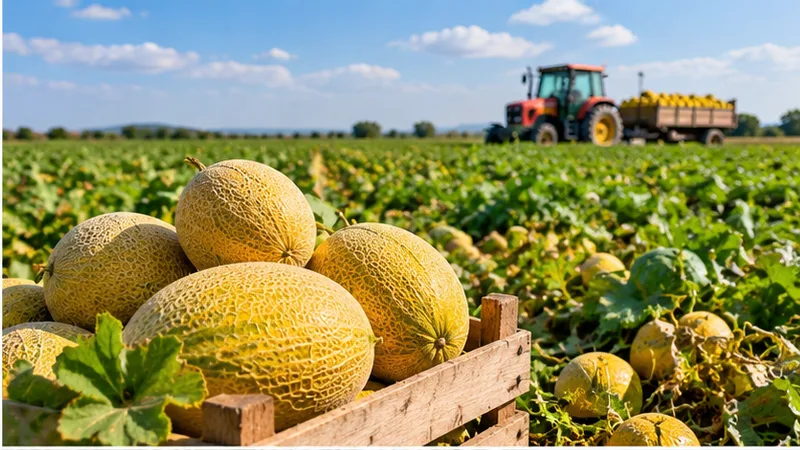
Watermelon Harvest in Adana
The watermelon harvest in Adana, Turkey, takes place in July and August. The region's hot climate and fertile soil produce exceptionally sweet, large watermelons, making this a distinctive seasonal event in the Çukurova Plain.
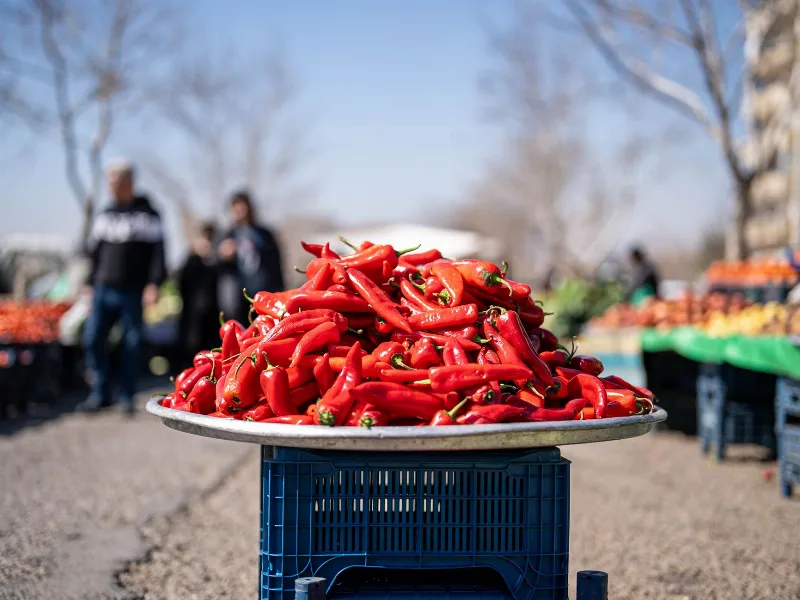
Kahramanmaraş Peppers
Kahramanmaraş peppers are the red peppers grown on the inland plains of southern Türkiye, where hot, dry summers and fertile soils give the crop its deep colour, moderate heat and smoky aroma.
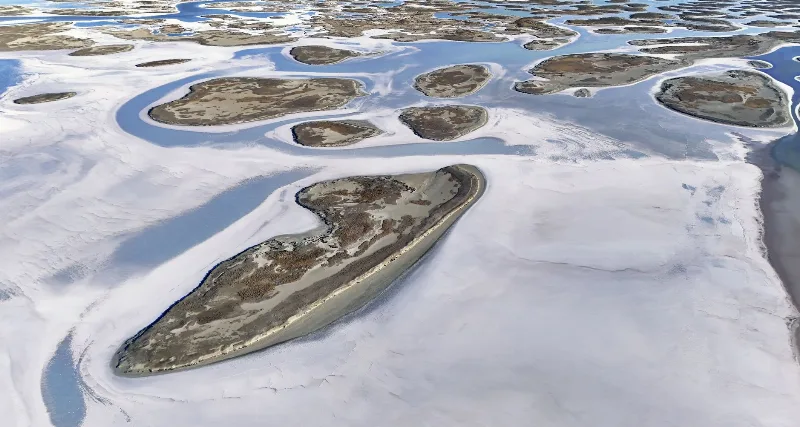
Yumurtalık Lagoon
This Adana wetland combines shallow brackish water, delta marshes and coastal sand to create one of southern Türkiye's important waterbird habitats. It is a place of flat horizons, seasonal water shifts and concentrated bird life rather than dramatic scenery.

Mediterranean Region
Türkiye's Mediterranean Region combines turquoise coastlines, dramatic mountains, ancient cities and fertile landscapes. From Antalya's beautiful beaches to the historic settlements of the eastern Mediterranean, the region offers a rich blend of natural scenery, cultural heritage and traditional local life.
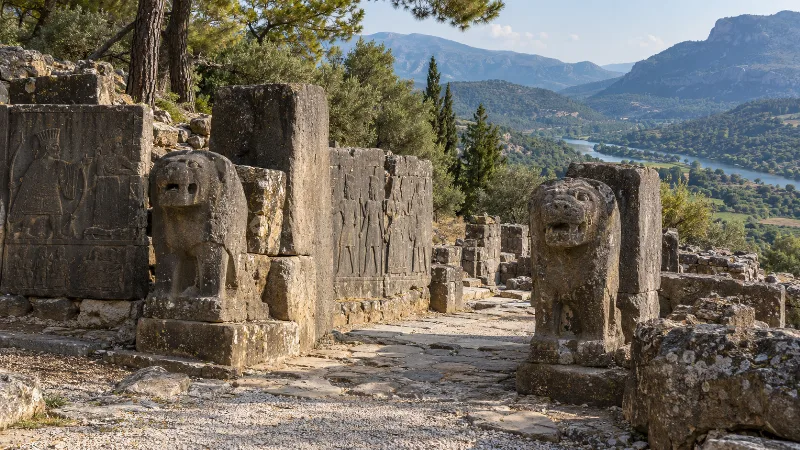
Karatepe
Karatepe is an 8th-century BC Hittite fortress above the Ceyhan River in Osmaniye Province, whose Phoenician–Luwian bilingual inscriptions unlocked the reading of Anatolian hieroglyphs.
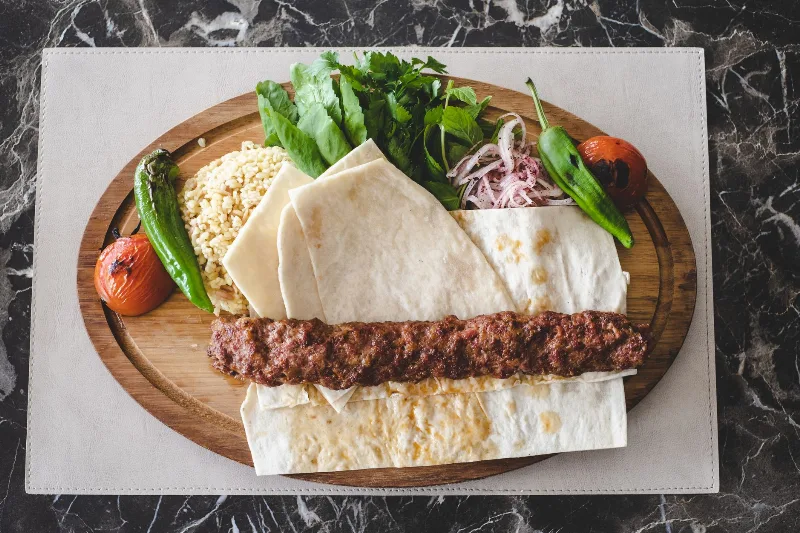
Adana Kebap: Spicy Hand-Minced Lamb Kebab from Adana
Adana kebap is a charcoal-grilled minced lamb kebab from the Çukurova plain, defined by hand-chopped meat, tail fat and generous chilli heat. This article explains its ingredients, preparation, flavour and how it differs from Urfa kebap.