
Orchid Bloom in Kahramanmaraş
Wild terrestrial orchids flower across the hills and mountains of Kahramanmaraş each spring, creating a short-lived season that draws botanists and photographers to southern Türkiye. The timing shifts with altitude and weather, usually running from late March into May.
Each spring, the hills, meadows and mountain slopes of Kahramanmaraş province in southern Türkiye briefly fill with wild terrestrial orchids. Flowering generally begins on the lower, warmer ground in late March, moves upward through April and often continues into May on the higher slopes. This window matters because the plants themselves are above ground for only a few weeks: they emerge from underground tubers, flower, set seed and then wither back, leaving almost no visible trace for the rest of the year.
When the Orchid Bloom Happens in Kahramanmaraş
The season is not a single fixed date but a rolling wave that travels up the terrain. On the lower plateaus and valley floors around the city, the first flowers typically appear in late March or early April. As the weeks pass, the bloom climbs to mid-elevation meadows, and on the higher shoulders of the surrounding mountains it can still be going in May. In an unusually cold spring the whole sequence may be pushed back by two or three weeks; in a mild, early one it can start sooner. Anyone planning around the bloom should treat the late March to May range as a normal window rather than a schedule.
Why This Province Has So Many Orchid Species
Kahramanmaraş sits at a meeting point of Mediterranean, continental and montane conditions. Mild, damp winters and warm springs, combined with a wide spread of altitudes and soil types, produce a great variety of habitats within a relatively small area. That variety is the main reason the province supports such a rich orchid flora, including endemic species that grow nowhere else. Terrestrial orchids of several genera occur here, and different species tend to favour different niches — some appear on open stony slopes, others in scrub, woodland edges, damp grassland or seasonally wet hollows.
How Altitude and Weather Move the Flowering Window
Temperature is the strongest control on timing. Orchids respond to soil warmth and to the arrival of spring rain, so a cool, wet spring delays flowering while a warm, dry one advances it. Altitude adds a second layer: for every step upward the season arrives later and lasts a little differently. Rain also affects how much you see. A wet spring can produce taller, more vigorous plants, but heavy rain and wind can damage open flowers quickly. Because these factors change from year to year, the exact peak is never guaranteed, and two consecutive springs rarely look identical.
What the Landscape Looks Like During the Bloom
At the height of the season the countryside is green and fresh, with snow often still lying on the highest ridges while the lower slopes are already flowering. The orchids themselves are small and easily overlooked from a distance, which is why the bloom is more a matter of patient looking than of grand spectacle. Many species carry compact spikes of pink, purple, white or greenish flowers, and some have evolved shapes that mimic insects to attract pollinators. Around them, spring brings a wider flush of wildflowers, growing grass and leafing shrubs, so the orchids read as part of a broader seasonal transformation rather than a lone event.
In the Field: What Visitors Realistically See
A visitor should expect scattered plants rather than carpets of colour. Orchids are seldom dense; you may walk a slope for some time and find only a handful of flowering individuals, then come across a small cluster in a spot with the right moisture and light. Careful, slow searching along field edges, rocky banks and damp hollows is the usual approach. Because the plants are low, close attention to the ground matters more than any long view. A hand lens or a camera with a close-focusing lens is genuinely useful, and the number of species visible in a single day depends heavily on how much ground you cover and how the season is running.
The Salep Orchid Tradition and Its Seasonal Rhythm
Kahramanmaraş is also known for salep, the flour made from the tubers of certain wild orchids, and the traditional collection of those tubers is tied to the same seasonal cycle. Tubers are customarily gathered after the plants have flowered and the above-ground growth is finishing, in late spring and early summer, which is one reason the orchids here are watched so closely by local people as well as by naturalists. The flowering period is therefore not only a botanical event but also the signal that a much older seasonal practice is approaching.
Practical Conditions and How to Time a Visit
Spring in this part of Türkiye is changeable. Days can be warm and clear, while mornings on higher ground stay cold and wet, and rain is common. Trails and meadow paths may be muddy, and some mountain tracks are rough or become slippery after rain. Layered clothing, waterproof footwear and patience with the weather are more useful than any fixed itinerary. If you want the widest choice of species, aim for the middle of the window, when lower and middle elevations are flowering at the same time. If you prefer the higher, later species, a visit toward the end of the season is better, though by then the earliest flowers will already be gone.
Related Places in the Same Seasonal Window
Because altitude governs timing, nearby areas within the province and along the surrounding mountain ranges can extend the season. The slopes rising immediately around the city, the higher massifs to the north and east, and the forested ridges toward the Amanos range to the south all tend to flower at slightly different moments. Moving between them is often the most reliable way to catch the bloom at its best, since a small change in elevation or aspect can make the difference between plants that have finished and plants still in bud.
EXPLORE BY THEME
All themes →
Routes
Road trips, coastal drives, cultural routes and scenic journeys across Türkiye.
Explore →
Seasonal Experiences
Harvests, festivals, natural seasons and local events throughout the year.
Explore →
Nature
Lakes, forests, rivers, canyons, mountains, wetlands and national parks across Türkiye.
Explore →Related content
Kahramanmaraş
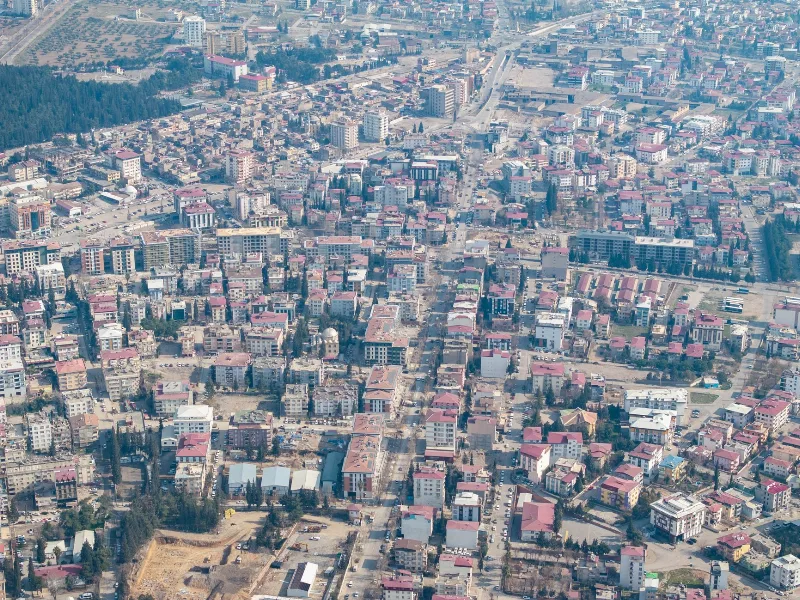
Kahramanmaraş is an inland city in southern Türkiye, set on a plain below the Taurus Mountains, known worldwide for its elastic salep-based dondurma and for a textile industry built on denim.
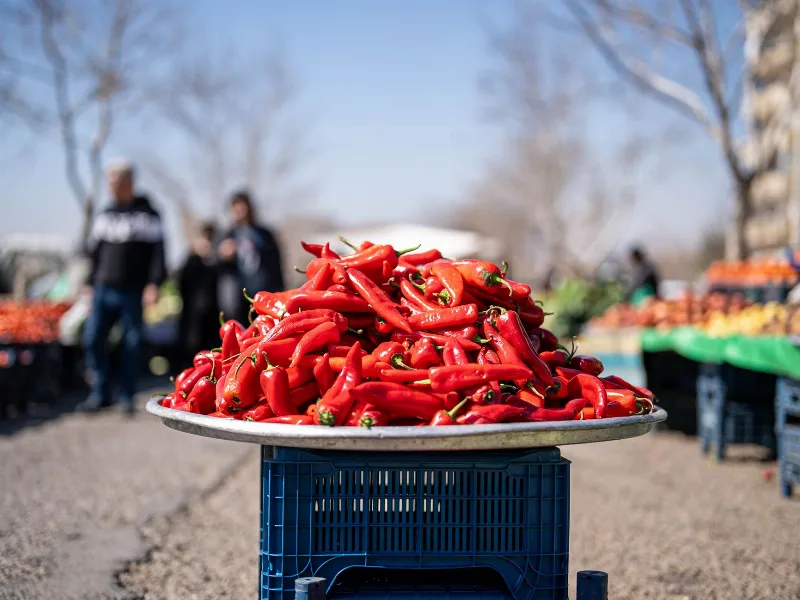
Kahramanmaraş Peppers
Kahramanmaraş peppers are the red peppers grown on the inland plains of southern Türkiye, where hot, dry summers and fertile soils give the crop its deep colour, moderate heat and smoky aroma.
Kahramanmaraş Red Pepper and Traditional Butter
Two staple flavours of the Kahramanmaraş kitchen — sun-dried red pepper and clarified butter — show how highland pastures and long summers shape the region's cooking.
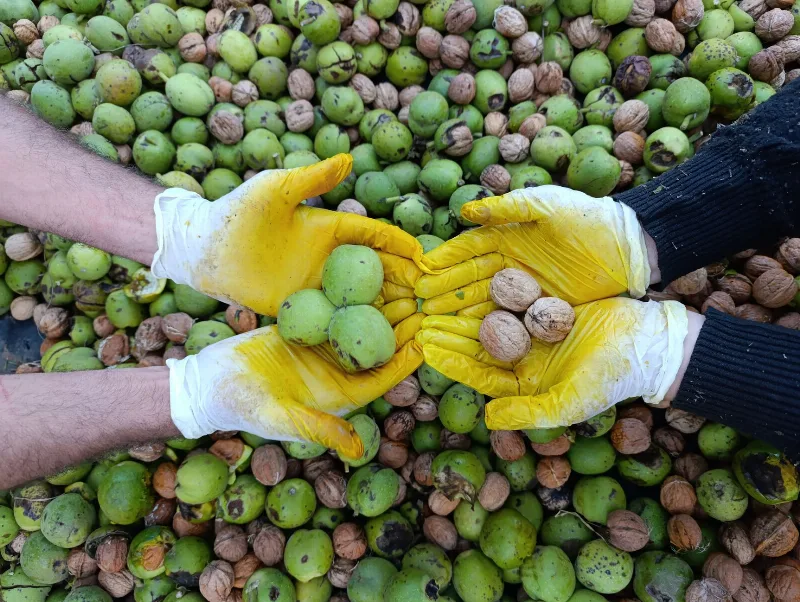
Walnut Harvest in Kahramanmaraş
Every September, walnut growers across Kahramanmaraş province gather their crop as the thick green husks begin to split open. The work is short, weather-dependent and still largely carried out by families in village orchards.
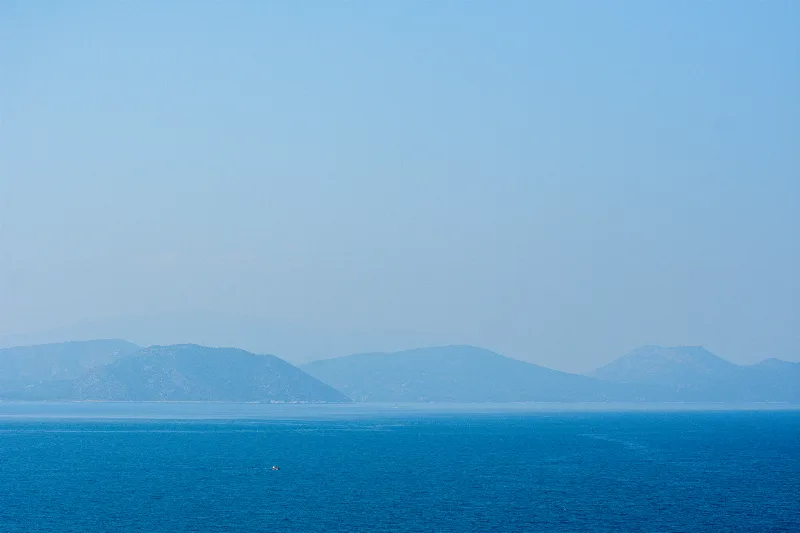
The Spring Wildflowers of the Aegean Coast
Each spring, the Aegean coast of Türkiye turns green and then colourful, as anemones, poppies, orchids and wild tulips follow the warming weather from the shoreline up into the mountains.
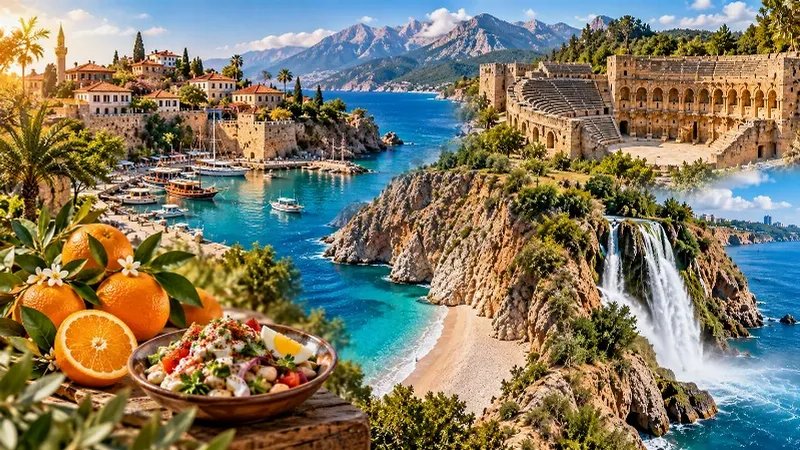
Mediterranean Region
Türkiye's Mediterranean Region combines turquoise coastlines, dramatic mountains, ancient cities and fertile landscapes. From Antalya's beautiful beaches to the historic settlements of the eastern Mediterranean, the region offers a rich blend of natural scenery, cultural heritage and traditional local life.