
Kahramanmaraş Red Pepper and Traditional Butter
Two staple flavours of the Kahramanmaraş kitchen — sun-dried red pepper and clarified butter — show how highland pastures and long summers shape the region's cooking.
In the kitchens of Kahramanmaraş, in southern Türkiye, two humble ingredients do much of the work of flavouring a meal. The first is a dark, glossy red pepper, dried slowly under the sun and ground to a coarse flake. The second is a clarified butter made from the milk of animals that graze the surrounding highlands. Together they tell a story about climate, pasture and the patient routines of village life that have shaped the local cuisine for generations.
An Identity Built on Two Staples
Kahramanmaraş sits where the fertile plains of the region meet the foothills of the Eastern Taurus mountains. This position gives the province a long, hot summer suitable for ripening capsicums and a cooler highland zone suited to livestock. The result is a complement rather than a coincidence: the plant-based and animal-based sides of the local table developed side by side. Neither the pepper nor the butter is a luxury item; both are everyday necessities stored in bulk and used across the year.
How the Red Pepper Is Grown and Dried
The peppers are planted in spring and harvested towards late summer and early autumn, when the fruits have turned a deep, even red. After picking, the calyx and seeds are removed and the flesh is spread out to dry, traditionally on flat rooftops, courtyards and raised platforms where air can move freely around it. Several days of strong sunshine are needed, and the peppers are turned by hand so that they dry without spoiling.
Once the flesh is leathery and dark, it is ground — sometimes coarsely, sometimes finer — and often finished with a little salt and a small quantity of oil, which helps the flakes keep their colour and aroma. The result is known for a fruity, slightly smoky scent, a moderate warmth rather than a fierce heat, and a colour that stains cooking oil a rich crimson. It is used to season soups, stews, stuffed vegetables, grilled meat and simple egg dishes.
The Butter of the Highland Pastures
The butter begins in the villages higher up, where herds graze on mountain pastures through the warmer months. Milk is collected and left to stand so that the cream can be separated, then churned — historically by hand in a skin or wooden vessel, now often with small mechanical churns in village dairies. The fresh butter is salted and worked to remove excess moisture, and much of it is clarified by slow melting, which separates the clear fat from the milk solids.
Clarifying gives the butter a long shelf life without refrigeration, an important advantage in a region with hot summers. The finished product has a nutty aroma and a golden colour, and it is used for frying, for enriching rice and bulgur dishes, and as a finishing touch spooned over a hot plate before serving.
Where the Pepper and the Butter Meet
Many local recipes depend on the pairing. Melted butter is heated with pepper flakes so that the flakes release their aroma into the fat, and this mixture is then poured over a dish just before it reaches the table. The technique appears in stuffed aubergines and peppers, in bean and lentil stews, and in the simple preparations of bulgur that accompany a main course. The fat carries the fragrance of the pepper, while the pepper gives the butter a savoury edge.
Both ingredients also have a social life beyond cooking. Autumn drying is often a shared activity among neighbours, and the sight of red produce laid out across rooftops is one of the seasonal markers of the province. Butter making similarly follows a calendar of its own, tied to the movement of herds and the availability of pasture.
An Agricultural Rhythm Worth Preserving
What makes these two products distinctive is not a single secret technique but the accumulation of small decisions: the choice of seed, the timing of the harvest, the number of days on the roof, the temperature at which the butter is clarified. They belong to a wider pattern of regional food production in which preservation methods developed out of necessity and gradually became part of a recognised culinary identity. For visitors interested in Turkish food culture, the pepper and the butter of Kahramanmaraş offer a clear, tangible starting point.
Related content
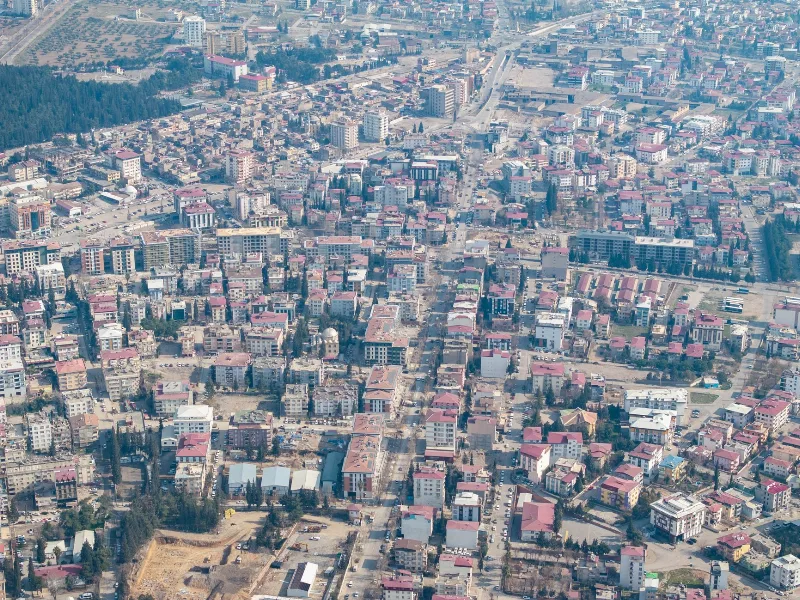
Kahramanmaraş
Kahramanmaraş is an inland city in southern Türkiye, set on a plain below the Taurus Mountains, known worldwide for its elastic salep-based dondurma and for a textile industry built on denim.
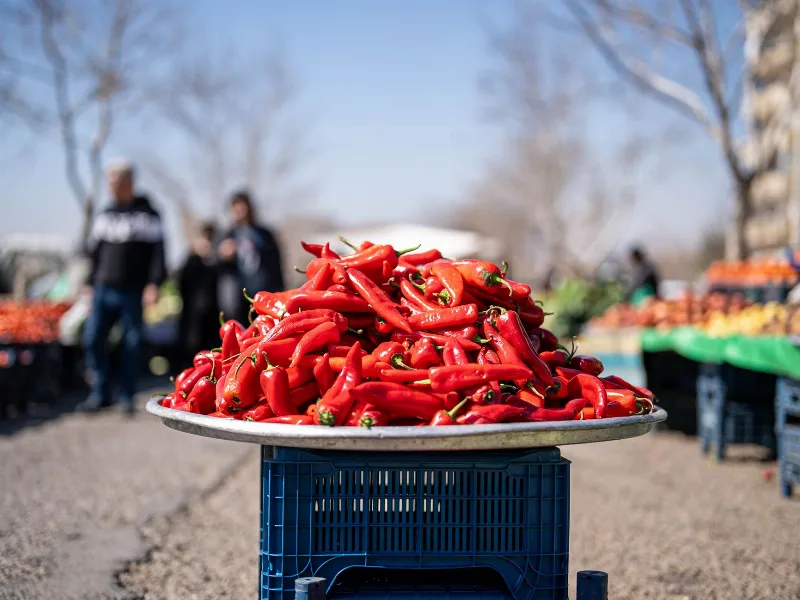
Kahramanmaraş Peppers
Kahramanmaraş peppers are the red peppers grown on the inland plains of southern Türkiye, where hot, dry summers and fertile soils give the crop its deep colour, moderate heat and smoky aroma.
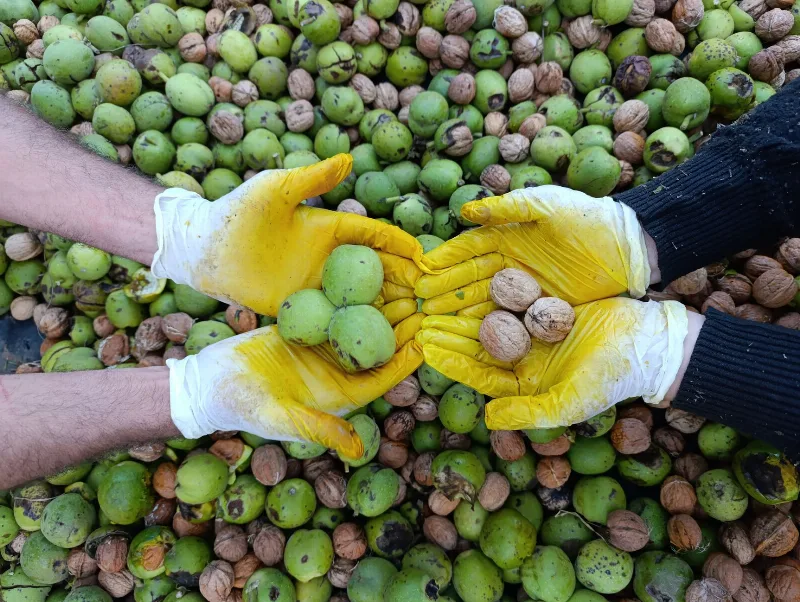
Walnut Harvest in Kahramanmaraş
Every September, walnut growers across Kahramanmaraş province gather their crop as the thick green husks begin to split open. The work is short, weather-dependent and still largely carried out by families in village orchards.
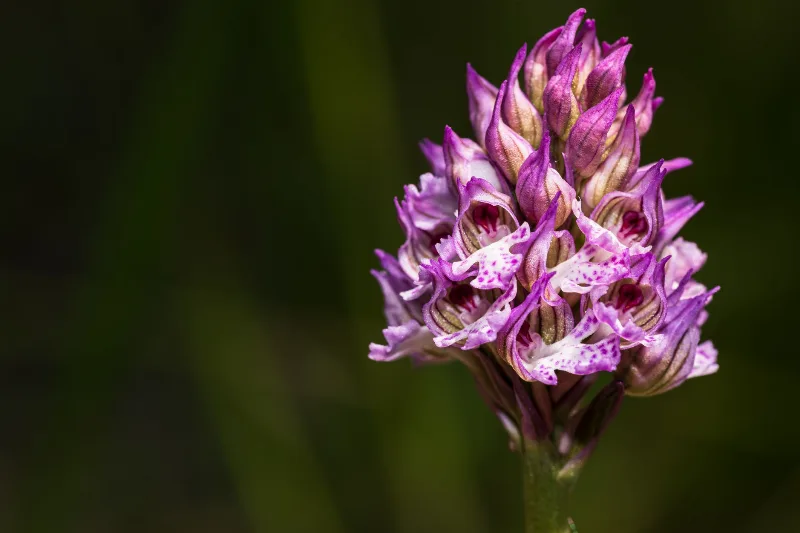
Orchid Bloom in Kahramanmaraş
Wild terrestrial orchids flower across the hills and mountains of Kahramanmaraş each spring, creating a short-lived season that draws botanists and photographers to southern Türkiye. The timing shifts with altitude and weather, usually running from late March into May.
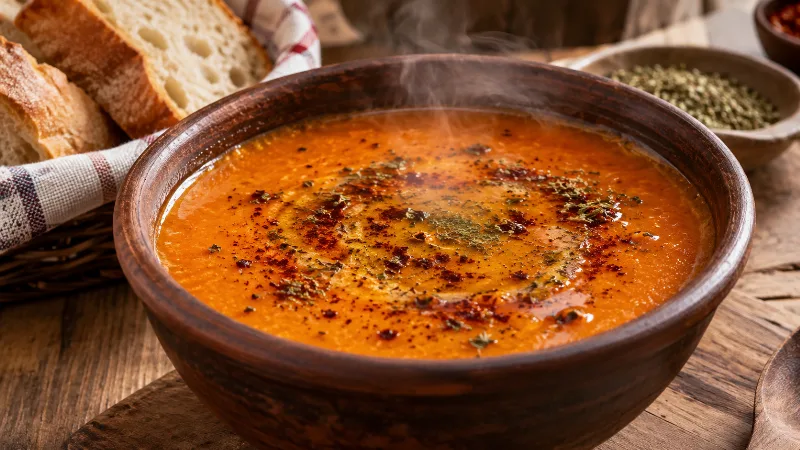
Tarhana Çorbası
Tarhana Çorbası is a traditional Anatolian soup made from a sun-dried, fermented mixture of wheat, yogurt and vegetables, cooked into a warm, tangy broth.
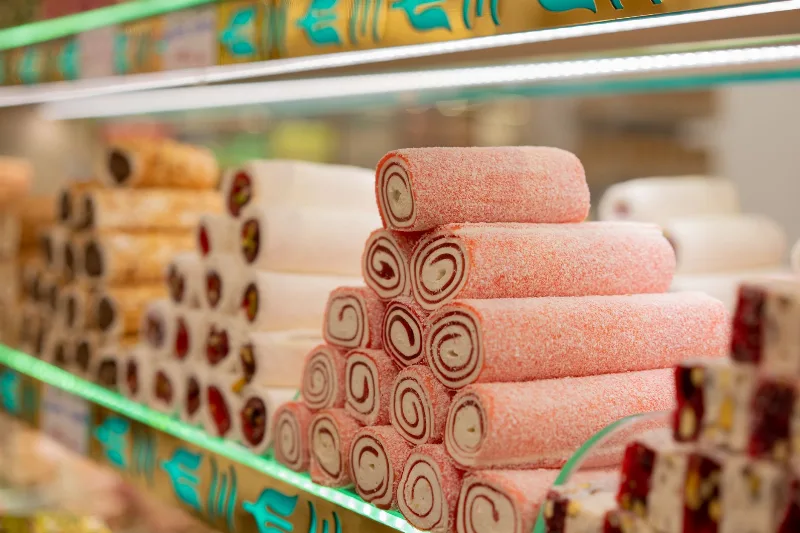
Turkish Delight and Sweets
Turkish delight sits at the heart of a layered confectionery culture that runs from Ottoman court kitchens to family tables across Türkiye. The sweets range from chewy lokum and syrup-soaked pastries to milk puddings and sesame helva.
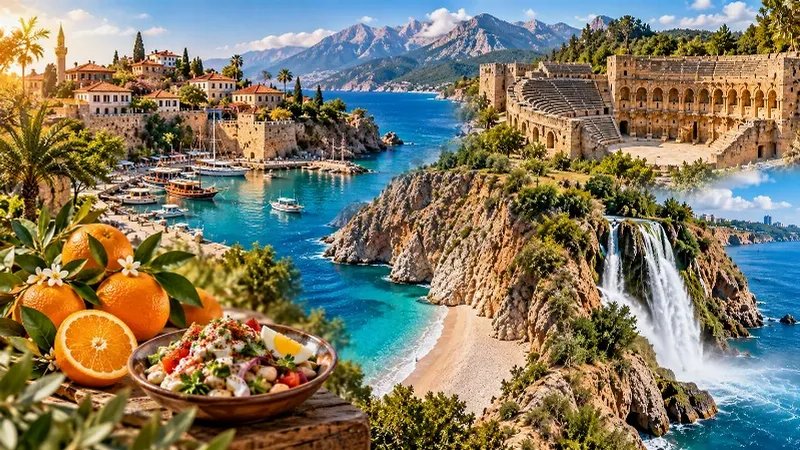
Mediterranean Region
Türkiye's Mediterranean Region combines turquoise coastlines, dramatic mountains, ancient cities and fertile landscapes. From Antalya's beautiful beaches to the historic settlements of the eastern Mediterranean, the region offers a rich blend of natural scenery, cultural heritage and traditional local life.
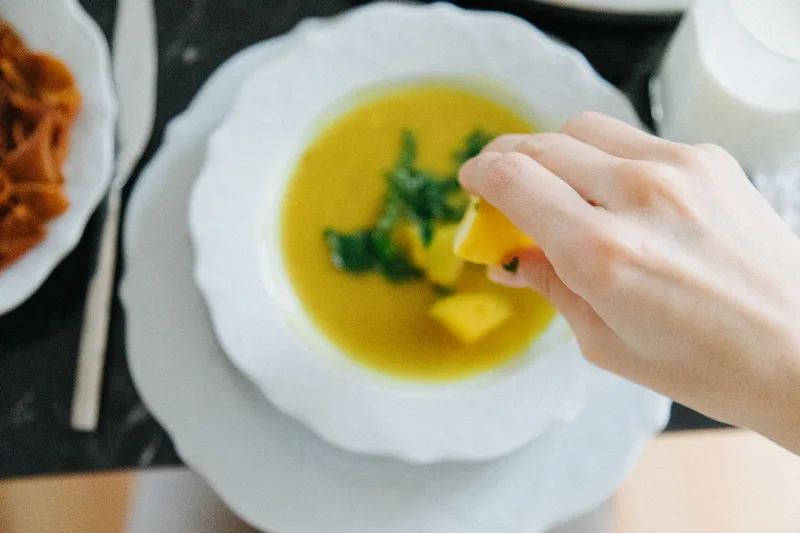
Ezogelin Çorbası
A thick Turkish lentil soup of red lentils, bulgur and rice, flavoured with dried mint and tomato paste and named after the folk figure Ezo Gelin.