
Chestnut Harvest in Bozdağ, İzmir
Bozdağ’s chestnut harvest is a brief autumn period when orchards in the mountains of İzmir are gathered and the surrounding forests shift into seasonal colour. The exact timing depends on weather and elevation, but the main window usually falls in late September and October.
In the Bozdağ area of İzmir Province, the chestnut harvest is a seasonal agricultural event that usually takes place from late September into October. It is the period when chestnut orchards on the mountain slopes are actively gathered, and the surrounding forests begin to take on autumn colour. The season is distinctive because it combines working orchard activity with a clear landscape change, and because the timing is tied closely to the ripening and falling of the nuts rather than to a fixed calendar date.
What the Chestnut Harvest Means in Bozdağ
The harvest is not simply a general autumn walk in the woods. It is the annual moment when chestnuts in Bozdağ’s orchards reach maturity and are collected. Local growers and residents gather the nuts, and visitors may also be present in the area during the same period. The event matters because chestnuts are a seasonal crop: once the nuts are ready, the gathering window is relatively short, and the work must respond to weather, elevation and the condition of the orchards.
Bozdağ provides a specific setting for this activity. The area is mountainous, wooded and cooler than much of the surrounding lowland around İzmir. Chestnut orchards are part of the local agricultural landscape, and the harvest brings attention to the relationship between the mountain environment, the tree crop and the people who manage the land. The season is therefore both an agricultural period and a visible change in the wider landscape.
Where the Orchards Sit in the Bozdağ Landscape
The chestnut orchards are found within the Bozdağ area of İzmir Province, on slopes and higher ground where chestnut trees form part of the cultivated and wooded landscape. The exact distribution of orchards varies across the mountain area, and many are working agricultural spaces rather than open public grounds. Visitors should expect orchard country: trees, tracks, slopes and patches of forest, with the harvest taking place in and around the groves.
The wider Bozdağ landscape is important to the experience. The orchards do not sit in isolation; they are surrounded by forest and mountain scenery that changes in autumn. As the chestnut season progresses, the green of late summer gives way to warmer tones in the surrounding trees. This combination of orchard work and forest colour is what makes the period recognisable to someone visiting Bozdağ in the right window.
When the Season Usually Arrives
The main chestnut harvest in Bozdağ typically runs from late September to October. This is a normal seasonal window, not a guaranteed set of dates. Chestnuts ripen and fall according to the conditions of the year, and the start of gathering can move earlier or later depending on temperatures, rainfall and the specific elevation of an orchard.
Within that window, the active harvest often lasts for several weeks rather than a single day. Different orchards may be at slightly different stages, and the work can continue as nuts become ready. Anyone planning around the season should think in terms of the general late September to October period and then allow for annual variation. The visible autumn change in the forests generally develops alongside the harvest, though it too can shift from year to year.
How Weather and Elevation Affect Timing
Weather is one of the main reasons the chestnut season cannot be fixed to exact dates. A warm, dry start to autumn can affect when nuts mature and when gathering begins. Rain can influence access to orchards and the condition of the ground. Cooler conditions at higher elevations may also make some orchards later than lower ones, so the harvest in Bozdağ can feel staggered rather than uniform across the whole mountain area.
This is why the season is best understood as a window. The phrase late September to October is useful for planning, but it should not be read as a promise that the orchards will be at the same stage on the same day every year. Visitors who are specifically interested in the harvest should expect variability and should not assume that a single date will capture the peak everywhere in Bozdağ.
What Happens During the Harvest
During the chestnut harvest, the orchards become active working places. The nuts are gathered after they mature, and the harvest involves collecting them from the ground and sorting the usable crop. Chestnut gathering is tied to the natural fall of the nuts, so the work follows the trees rather than a factory schedule. The spiny outer cases and the nuts themselves are part of the orchard scene during this period.
The harvest also marks a change in the local routine. The mountain area is moving from the later part of the growing season into autumn, and the work in the orchards reflects that transition. The surrounding forests turn golden in the same broad period, so the chestnut harvest is not only about the crop. It is also the moment when Bozdağ’s wooded landscape becomes visibly autumnal.
What Visitors Can Realistically See
A visitor to Bozdağ during the chestnut season can realistically expect to see orchard country in autumn conditions, chestnut trees and gathering activity in the broader area, and forested slopes changing colour. Many orchards are private or working land, so the experience is not necessarily a pick-your-own attraction. The harvest is best understood as something that happens in the landscape rather than a staged event.
The most reliable visual experience is the combination of mountain scenery, orchard surroundings and the autumn transformation of the forests. Visitors may encounter local people involved in gathering, but they should respect working areas and not assume free access to every grove. The period is most rewarding for travellers who are interested in seasonal agriculture, mountain landscapes and the quiet change from late summer to autumn.
Autumn Colour and the Changing Forest
The chestnut harvest coincides with a wider seasonal shift in Bozdağ. The forests around the orchards turn golden, and the mountain scenery takes on the colours associated with autumn. This change is driven by the shortening days and cooler conditions of the season, which affect the trees across the mountain area. The result is a landscape that looks different from its summer state.
The colour change is not a separate attraction from the harvest; the two belong to the same seasonal moment. The orchards are being gathered while the surrounding woods move into autumn. This is why the period is often described as a seasonal experience rather than simply a crop. The visual character of Bozdağ depends on both the agricultural activity and the natural transformation around it.
Practical Conditions in the Orchards and Hills
Bozdağ is mountain country, so conditions can be cooler and more variable than in lower parts of İzmir Province. Autumn rain can make tracks and orchard ground muddy, and slopes may be uneven. Visitors should expect practical mountain conditions rather than an urban stroll. The weather during the harvest window can range from mild and dry to cool and damp, and the ground may be wet after rain.
These conditions matter because the chestnut season is an outdoor, land-based experience. The harvest itself depends on the state of the orchards and the weather, and a visitor’s experience will also depend on the same factors. Sensible footwear and an awareness of changing mountain weather are more useful than fixed expectations. The season is best approached with flexibility, especially because the exact timing and the day-to-day conditions can vary.
Nearby Places That Fit the Same Seasonal Trip
Bozdağ sits within the wider mountain and rural landscape of İzmir Province, and the chestnut season can be understood alongside the surrounding area. The road approach from the Ödemiş side is a useful geographical reference for travellers moving between the lower district and the higher Bozdağ area. The seasonal contrast between the lowland and the mountain is part of what makes the harvest period noticeable.
Other nearby rural and historic places in the broader Ödemiş area can be combined with a Bozdağ visit, but the chestnut harvest itself remains tied to the mountain orchards and forests. The important point is to treat the harvest as a specific seasonal event in a specific place. It is not a general autumn festival, and it is not a guaranteed display. It is an agricultural and landscape season that usually appears in late September and October, with annual variation shaped by weather, elevation and the condition of the orchards.
EXPLORE BY THEME
All themes →
Seasonal Experiences
Harvests, festivals, natural seasons and local events throughout the year.
Explore →
Hidden Places
Less-known villages, coves, valleys, historic sites and natural areas across Türkiye.
Explore →
Historic Places
Ancient cities, monuments, castles and archaeological sites across Türkiye.
Explore →Related content
Birgi Village Traditional Houses and Cobblestone Streets in İzmir
Birgi, an old village in the Ödemiş district of İzmir, is known for its stone-and-timber houses, narrow cobbled lanes and monuments left by the Aydınoğulları principality.
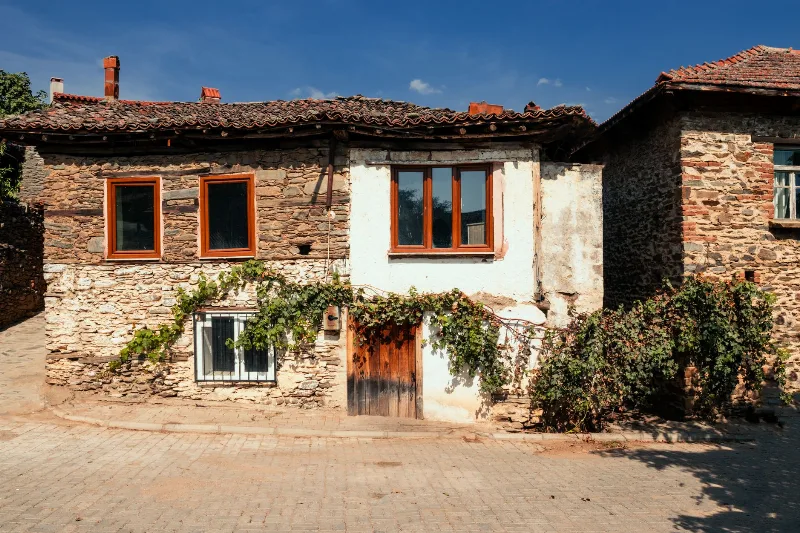
The Village of Birgi in the Aegean Region
Birgi is a historic village in İzmir Province where Ottoman houses, stone lanes and a mountain-and-plain landscape shape everyday Aegean life.
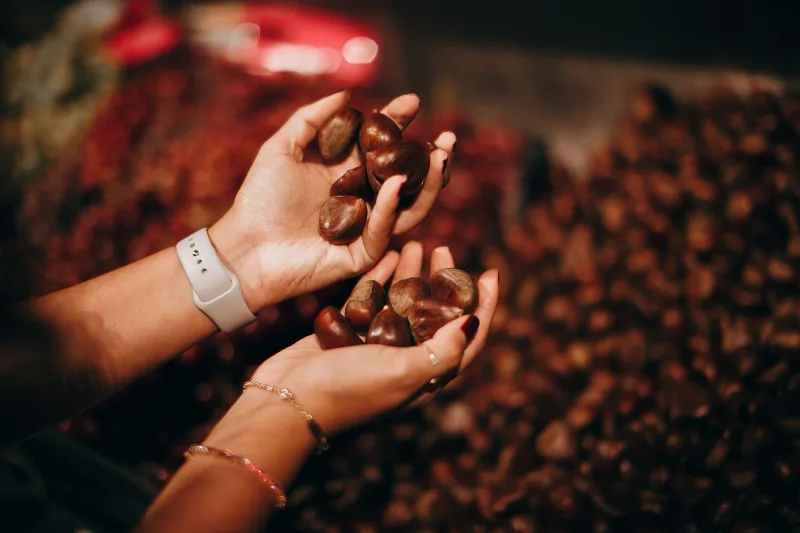
Chestnut Harvest in Bursa
Each autumn, the chestnut groves around Bursa ripen and the spiky green burrs split open, revealing the glossy brown nuts that give the region one of its best-known seasonal crops.
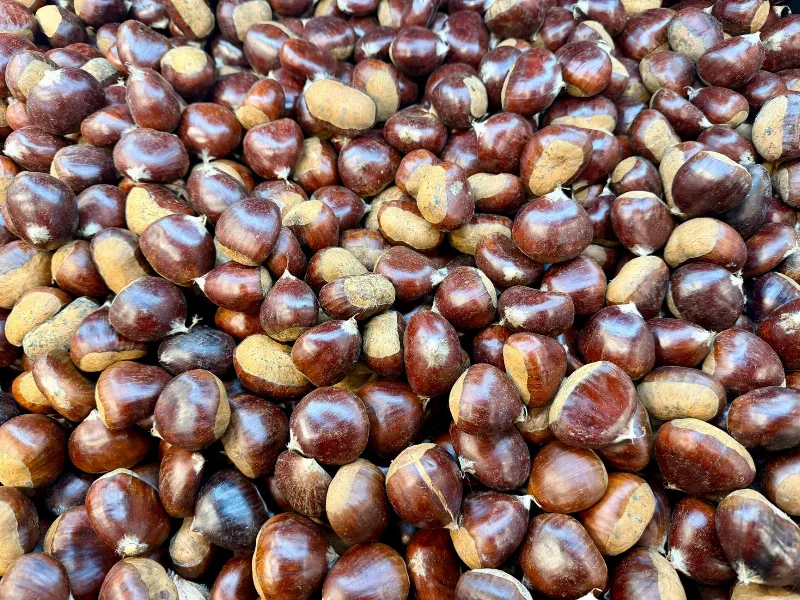
Aydın Chestnuts
Grown in the mountain areas of Aydın Province, Aydın chestnuts are sweet chestnuts shaped by the Aegean region's warm summers, mild winters and free-draining soils.
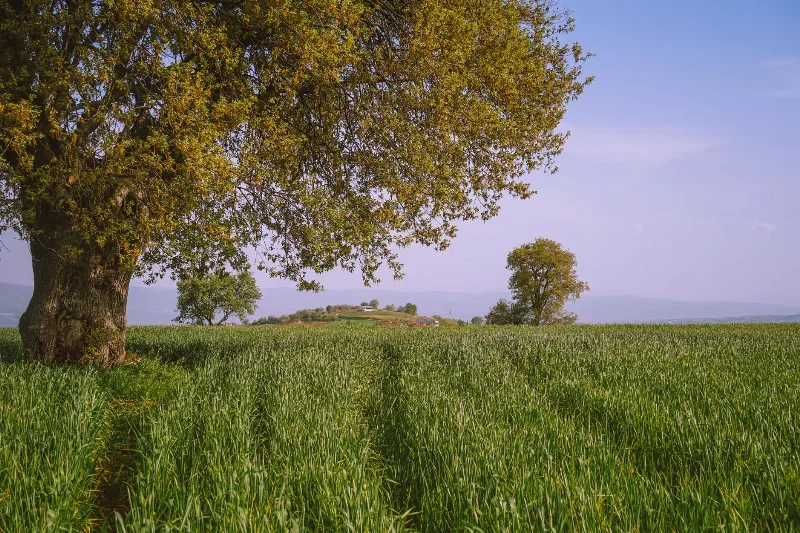
Bursa Chestnuts
Bursa chestnuts are sweet, starchy nuts grown on the sloping terrain of Bursa province in northwestern Türkiye, where a temperate climate supports chestnut trees and an autumn harvest.
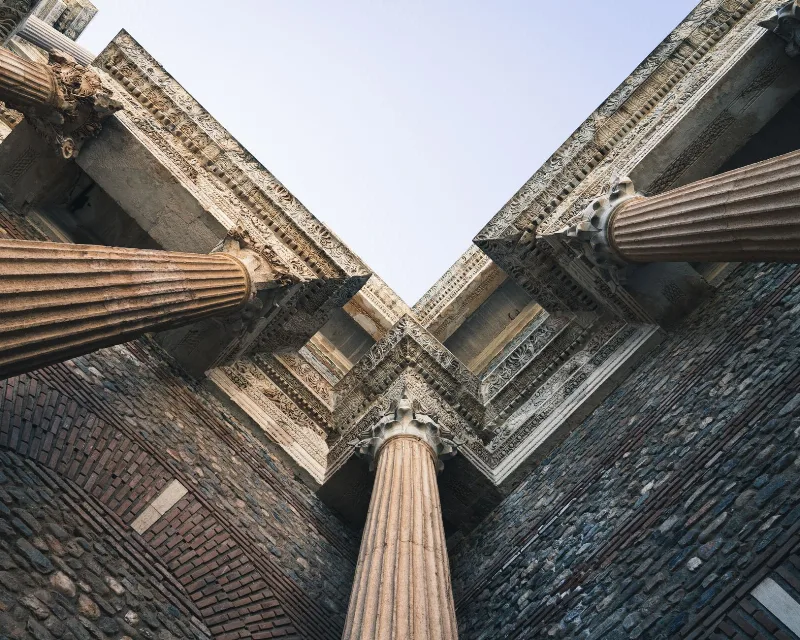
Sardis: The Lydian Capital of Croesus and the First Coins
Sardis was the capital of the Lydian kingdom and the place where coined money first appeared in the Western world. Its ruins in Manisa Province include a colossal Temple of Artemis, an ancient synagogue and the royal burial mounds of Bin Tepe.